

We may earn a commission when you buy through links on this page, at no extra cost to you. Learn more.
What is Lillet? Lillet is a French aperitif made from Bordeaux wine with added citrus liqueurs. It comes from Podensac, in the Gironde department, and is built on wine rather than spirit, which makes it lighter and more approachable than a typical cocktail base. According to the Wikipedia entry on Lillet, the blend is about 85 percent Bordeaux-region wine, with the rest made of macerated citrus liqueurs, and it is finished with French brandy.
Lillet sits in a small category of wine-based aperitifs, drinks meant to be sipped before a meal to stimulate the appetite. It is sold in several styles, and it appears in classic cocktails and in simple long drinks. This guide explains what Lillet is made of, how the styles differ, how to serve it, and where it fits in a wine-focused home bar.
Where Lillet comes from
Lillet is a French product from Podensac, a small town in the Gironde, the department that includes Bordeaux. Its base is wine from the Bordeaux region, which gives the drink its fruity, slightly floral character. That link to Bordeaux is the reason many people think of Lillet as a wine product rather than a spirit, even though the finished drink is fortified.
The brand has a long history, and earlier versions carried a bitter note from quinine. The original Kina Lillet included a quinine liqueur made from cinchona bark, and later styles reduced that bitterness. Today the best-known version is Lillet Blanc, which is sweeter than the older bottlings and more widely available.
How Lillet is made
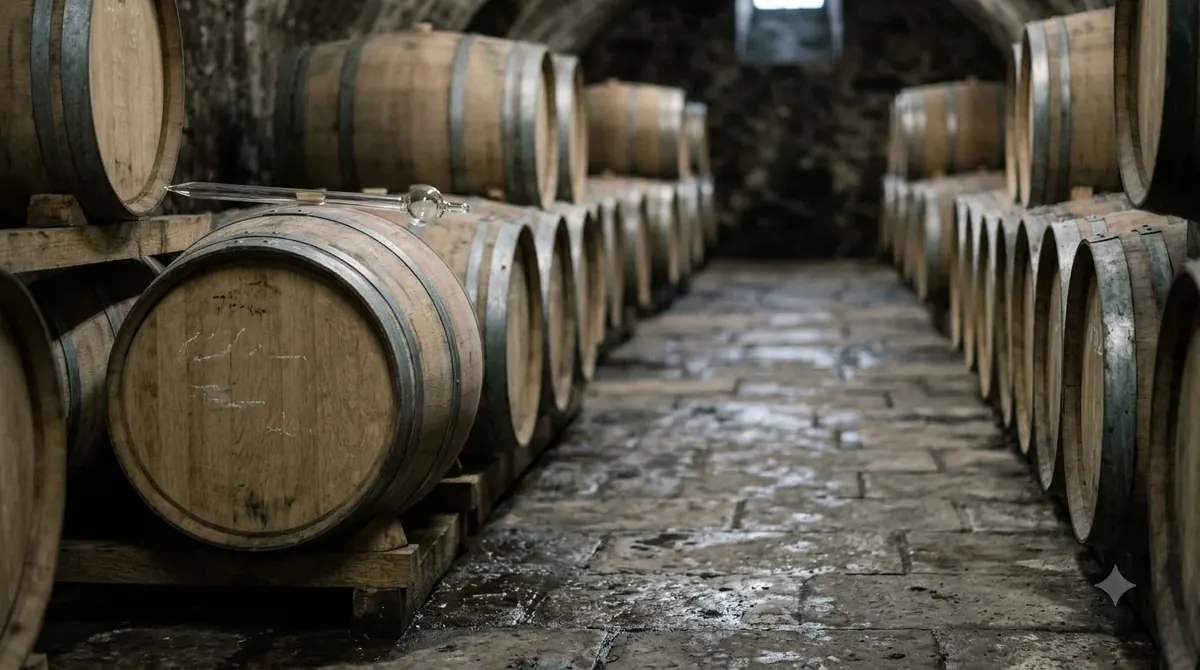
Lillet is blended from wine and citrus liqueurs. According to Wikipedia, the wine makes up about 85 percent of the blend, while the remaining 15 percent is macerated liqueurs, mostly citrus. The mixture is stirred in oak vats until it is fully combined, and French brandy is added at the end. The result has a lighter body than most spirit-based bitters and a gentle, rounded sweetness.
The grape choices depend on the style. Lillet Blanc uses Sémillon for the white and rosé, while Lillet Rouge is built on Merlot. Because the wine is the main ingredient, the grapes you would find in a Bordeaux bottle show up in the flavor, even when the citrus notes are the first thing you smell.
Lillet styles compared
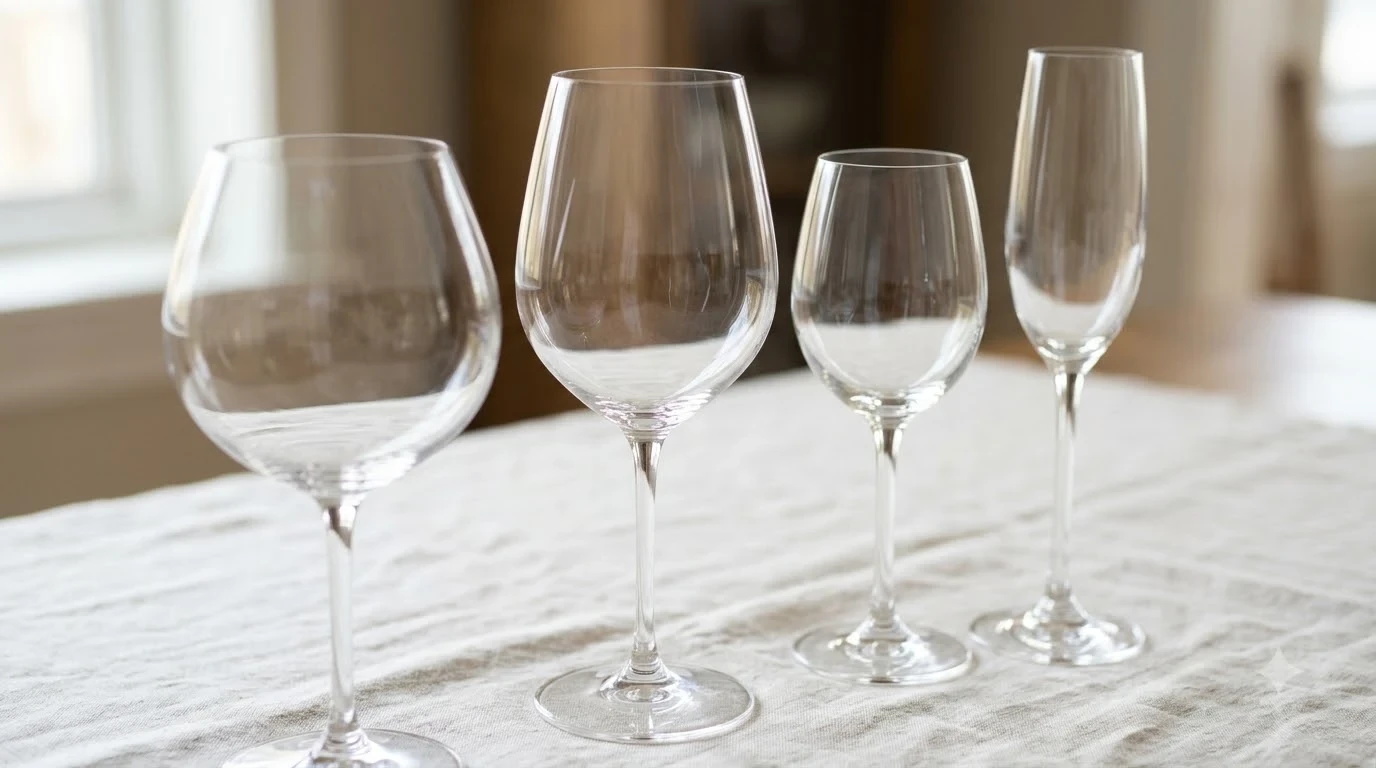
Lillet is sold in more than one style, and each one suits a different glass. The white is the most common and works in the widest range of drinks. The red is richer and has a darker, berry-like character. The rosé is the most recent addition and is usually the lightest and most floral. Earlier versions such as Kina Lillet and Lillet Dry are harder to find, but they are still discussed by cocktail writers and collectors.
| Style | Base wine | Character | Simple way to serve |
|---|---|---|---|
| Lillet Blanc | Sémillon-based | Sweet, citrus and honey, softly floral | On ice with orange or lemon peel |
| Lillet Rouge | Merlot-based | Red fruit, a fuller and drier finish | Chilled, before dinner |
| Lillet Rosé | Sémillon-based rosé | Light, floral, fresh strawberry notes | Chilled, with soda in a tall glass |
How to serve Lillet
Lillet is meant to be served cold. Wikipedia gives a serving range of 6 to 8°C (43 to 46°F), which is cooler than a typical room-temperature glass of wine. A few ice cubes in a wine glass, with a twist of orange or a strip of lemon peel, is the classic French approach, and it keeps the drink bright and easy to sip.
In Germany, Austria, and Switzerland, Lillet Blanc is often made into a long drink called a Lillet Vive, with tonic water, cucumber, strawberry, and mint. The result is light, fizzy, and refreshing. Because Lillet is already sweet and aromatic, it needs only a little mixer. Start with a measured pour of Lillet topped with soda or tonic, then adjust the balance to taste with more ice or fruit.
Cocktails that use Lillet
Lillet is a useful cocktail ingredient because it adds sweetness and citrus without the heavy structure of vermouth. It is best known in the Vesper, a classic drink that also uses gin and vodka. It works in simple spritzes, with sparkling wine, and as a light base in drinks that need a softer alcohol note.
When you use Lillet in a cocktail, remember that it is already a fortified wine. Stronger spirits can overwhelm it, so choose gin or vodka that will not fight its citrus. A small splash of bitters can add depth, but keep the overall pour modest, since the drink is built to be sipped slowly.
Food and occasions for Lillet
Lillet fits best before a meal, when a light, chilled drink is enough to wake up the palate. It pairs well with salty snacks such as olives, almonds, and cheese crackers, since its citrus and sweetness balance the salt. Fresh oysters, goat cheese, and mild seafood also suit the drink.
It is less suited to heavy, spicy, or very rich dishes, which can clash with its softness. Most people enjoy Lillet on warm afternoons or at a simple dinner party, where a light glass sets the tone without overwhelming the food that follows.
Think of Lillet as a bridge between wine and cocktails. It gives a glass of wine some of the complexity of a mixed drink without asking for tools, syrups, or measuring. For a guest who does not drink spirits, it is a thoughtful choice that still feels like a special order at the bar.
Is Lillet right for your home bar?
Lillet suits people who like wine-based drinks and want something lighter than a spirit cocktail. If you already keep a bottle of white wine or rosé in the fridge, Lillet is an easy addition, since it stores and serves in a similar way. Open bottles should be refrigerated and used within a few weeks for the best flavor.
For a broader sense of where Lillet sits among other wine styles, the wine by type guide is a good place to compare fortified and aperitif styles with everyday table wines. If you want to understand how alcohol strength varies across wines, the chardonnay alcohol content guide gives a clear example of how one grape can change from bottle to bottle.
Frequently Asked Questions
What is Lillet made of?
Lillet is made from Bordeaux-region wine, about 85 percent of the blend according to Wikipedia, and citrus liqueurs for the rest. It is finished with French brandy. Earlier versions also contained a quinine liqueur made from cinchona bark.
Is Lillet a wine or a liquor?
Lillet is a wine-based aperitif. Its main ingredient is wine, which places it closer to a fortified wine than to a spirit. It is usually sipped before a meal rather than used as a strong base for cocktails.
How do you drink Lillet?
The classic way is well chilled on ice with an orange slice or a lemon or lime peel. Lillet Blanc can also be made into a long drink with tonic water and fruit, or used in cocktails such as the Vesper.
Does Lillet need to be refrigerated?
Unopened bottles can be kept in a cool cupboard, but Lillet is best served cold. Once opened, keep the bottle in the refrigerator and use it within a few weeks to enjoy the fresh citrus and wine character.
Lillet is a wine-based aperitif that rewards a simple serve: well chilled, with ice and a citrus twist. Choose the style that fits your glass, whether the sweet white, the fuller red, or the light rosé, and keep the mixers simple. For more ideas on how wine styles compare, browse the wine by type guide and see where Lillet fits.
More in Wine Types & Grapes
 Zinfandel Sugar Content: Dry Red vs. White Zinfandel GramsUpdated Nov 21, 2026
 Best Zinfandel Substitute Options for Sipping and CookingUpdated Nov 21, 2026
 Zweigelt Food Pairing: Best Dishes, Cheeses, and Serving TipsUpdated Nov 21, 2026
 Zinfandel Tannins Explained: How Structure Shapes Every BottleUpdated Nov 21, 2026
 Zinfandel Sweetness Level: Dry Red vs. Sweet White Zin ExplainedUpdated Nov 21, 2026
 Xinomavro Food Pairing: Best Dishes, Styles, and Serving TipsUpdated Nov 21, 2026