

We may earn a commission when you buy through links on this page, at no extra cost to you. Learn more.
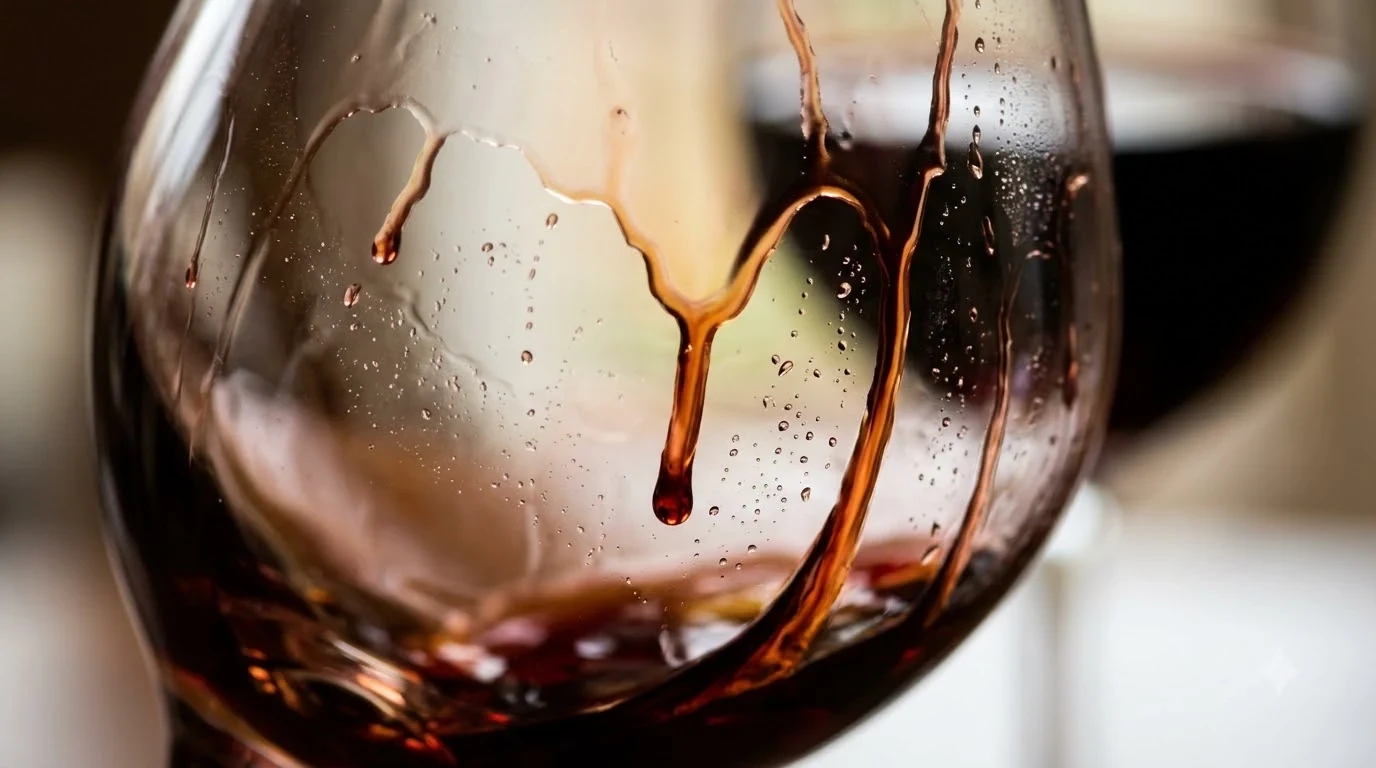
What is Lambrusco? It is a group of Italian red grape varieties, and the lightly sparkling wines made from them, from the Emilia-Romagna region. Lambrusco wines range from pale rosé to deep red, and they are usually served cool and young, with bright berry fruit and a fresh finish.
Many people first met Lambrusco as a sweet, fizzy red from the supermarket, and that reputation still shapes how the wine is seen. Today the category is more varied, with drier bottles from a new generation of producers. This guide explains what the wine is, how it tastes, how to serve it, and what to eat with it.
What Lambrusco Is
Lambrusco is both a grape and a wine. According to Wikipedia, the name covers a set of Italian red grapes, and the wine is made from them in four zones in Emilia-Romagna and one in Lombardy. The grapes are not a single variety. Wine Folly describes Lambrusco as a group of 8 closely related varieties native to Italy, which is why the wines can look and taste so different from one bottle to the next.
Most Lambrusco is a blend. Wikipedia lists six commonly found varieties, including Grasparossa, Maestri, Marani, Montericco, Salamino, and Sorbara, with Salamino the most widely planted. Many producers also add a blending grape such as Ancellotta, which can make up to 15% of the blend under some rules.
Where Lambrusco Comes From
The wine is tied to Emilia-Romagna, the region known for Parmigiano-Reggiano, Prosciutto di Parma, and balsamic vinegar. Wikipedia lists eight Lambrusco DOC zones, including Colli di Parma, Grasparossa di Castelvetro, Sorbara, Salamino di Santa Croce, Reggiano, Colli di Scandiano e Canossa, Modena, and Mantovano. Each zone sets its own grape rules. For example, Grasparossa di Castelvetro requires at least 85% Lambrusco, and Salamino di Santa Croce requires at least 90% local Salamino.
Because the zones differ, two bottles labeled Lambrusco can taste quite different. Reading the DOC name on the label is the best way to know what style to expect, and the producer’s own notes usually tell you whether the wine leans toward fruit, structure, or sweetness.
How Lambrusco Tastes
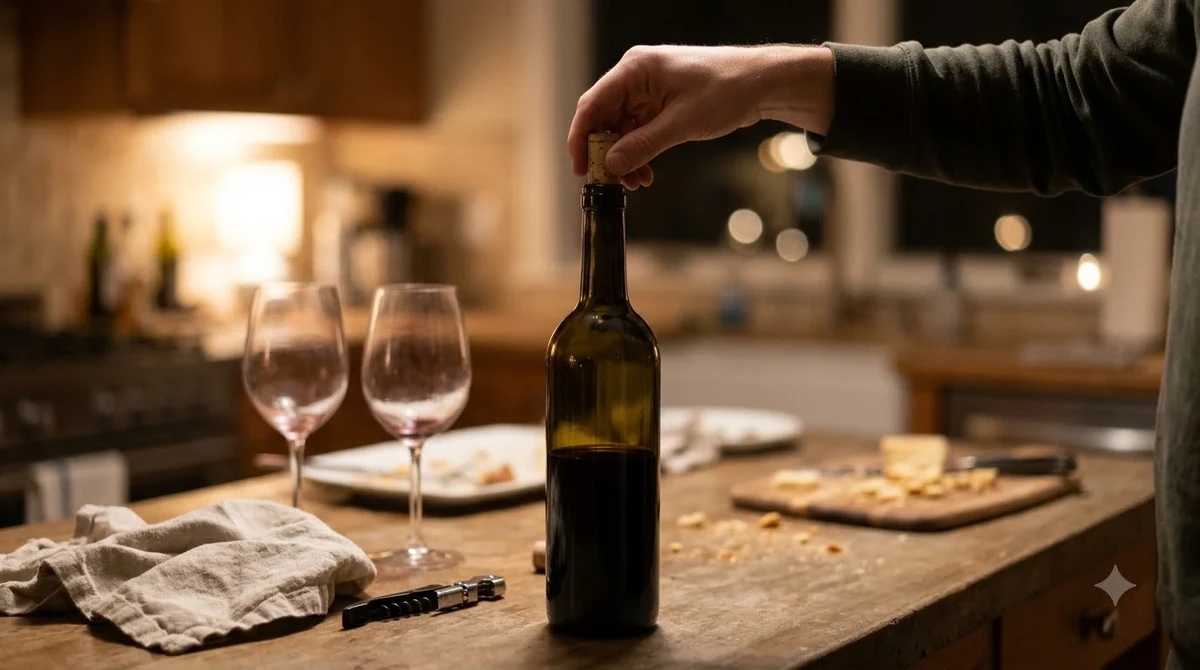
Wine Folly describes Lambrusco as a dry, lively wine with strawberry, blackberry, rhubarb, hibiscus, and a touch of earthy character. The Wine Folly grape guide notes that the wines range from pale rosé to deep red, so the color is not a reliable guide to sweetness.
Sweetness is the biggest difference between styles. Italian labels use terms that run from secco (dry) to amabile (off-dry) and dolce (very sweet). The sweet export style that became popular in the United States in the 1970s and 1980s shaped many people’s first impression of the wine. The drier styles now being made tend to show more acidity and a cleaner, fresher finish.
| Style | What it tastes like | Best with |
|---|---|---|
| Secco (dry) | Tart fruit, fresh acidity, light tannin | Pizza, cured meats, burgers |
| Amabile (off-dry) | Ripe berries with a touch of sweetness | Spicy takeout, barbecue |
| Dolce (sweet) | Rich, jammy fruit and a soft finish | Desserts, fruit, cheese plates |
How Lambrusco Is Made and Sold
Most Lambrusco is made by the Charmat process, in which the second fermentation happens in a large pressurized tank rather than in the individual bottle. Wikipedia notes that this is different from the traditional method used for Champagne. The Charmat method keeps the fruit fresh and the bubbles light, which suits a wine meant to be drunk young.
The export story is also part of the wine’s identity. Sweet Lambrusco was the biggest-selling imported wine in the United States during the 1970s and 1980s, and Wikipedia reports that exports reached more than 13 million cases in 1985. That success made the name famous, but it also made many drinkers think of Lambrusco as a sugary party wine. The newer generation of producers is working to show the drier, more food-friendly side of the grape.
If you are reading a label and want a sense of the producer’s intention, look for the zone name and a short description of the style. Producers who focus on dry wines usually say so plainly, and that gives you a good starting point without tasting every option on the shelf.
How to Serve Lambrusco
Serve Lambrusco cool. Wine Folly recommends 45 to 55 degrees Fahrenheit (7 to 12 degrees Celsius), which keeps the fruit bright and the bubbles lively. A bottle that is too warm tastes flat and heavy, while one that is too cold hides the aromas.
The wine is meant to be drunk young. Most bottles are made to be enjoyed within a year or two of the vintage, so check the release date rather than buying something old without knowing how it was made. A simple glass, not a large bowl, is enough for most Lambrusco, since the point is freshness and fun rather than depth.
Tip: Lambrusco is a good party wine. Chill the bottle for about 30 minutes before pouring, and keep it in an ice bucket if the room is warm.
What to Eat with Lambrusco
Lambrusco pairs well with food because its acidity and bubbles cut through fat and salt. Wine Folly says it works with everything from pizza to burgers, and that is a fair summary. Its fruit also suits salty cured meats, so Prosciutto di Parma is a natural match, as is Parmigiano-Reggiano.
Pairing is easier when you think about the wine’s acidity first. The sharper and drier the bottle, the more it can handle rich food, such as sausage, fried dishes, and creamy sauces. The sweeter the wine, the more it needs a dessert or a salty snack to balance it, so match the sweetness to the dish rather than the other way around.
For a meal from the same region, try Lambrusco with tortellini in brodo, a tomato-based pasta, or a cheese plate with aged hard cheese and fruit. The dry styles work with fried foods and spicy dishes, while the sweeter ones match desserts or a simple plate of berries.
How to Choose a Lambrusco
Start with the DOC name and the sweetness word on the label. A bottle marked secco from one of the Emilia-Romagna zones is a good first choice if you want the modern, drier style. If you prefer a softer wine, look for amabile on the label.
When you are at a shop or restaurant, ask the staff which style they would choose for your meal. A good wine seller can tell you quickly whether a bottle leans dry or sweet, and whether it is made from a single variety or a blend. Those few details matter more with Lambrusco than with many other wines, because the category is so varied.
Check the vintage and the producer as well. Because Lambrusco is a young wine, the vintage matters less than the freshness of the bottle, so buy from a shop that turns over its stock. For a broader look at how Italian reds differ in structure, the guide to Brunello di Montalcino grape shows how a serious Italian red can be built on different rules and a different climate.
Frequently Asked Questions
Is Lambrusco sweet?
It can be. Lambrusco comes in dry, off-dry, and sweet styles, and the sweetness is stated on the label. The dry style is the one most often recommended by modern producers.
Is Lambrusco a sparkling wine?
Yes, though it is lightly sparkling. The style is usually called frizzante, which means it has a softer fizz than a Champagne-style wine.
Is Lambrusco red or pink?
Both. Lambrusco can be a pale rosé or a deep red, depending on the grapes and how the wine is made, so the color does not tell you the sweetness.
How much alcohol is in Lambrusco?
The alcohol level varies by producer and style. Wikipedia notes that some lower-cost versions are around 10% alcohol by volume, so check the label of the bottle you are buying.
Lambrusco is a food-friendly Italian wine with a long history and a more varied modern style than many people expect. Choose the sweetness that suits your meal, serve it cool, and drink it young. For a broader look at the main wine families and how they behave with food, see the Wine by Type guide. If you want to compare alcohol levels between common wine styles, the chardonnay alcohol content page is a useful reference.
More in Wine Types & Grapes
 Zinfandel Sugar Content: Dry Red vs. White Zinfandel GramsUpdated Nov 21, 2026
 Best Zinfandel Substitute Options for Sipping and CookingUpdated Nov 21, 2026
 Zweigelt Food Pairing: Best Dishes, Cheeses, and Serving TipsUpdated Nov 21, 2026
 Zinfandel Tannins Explained: How Structure Shapes Every BottleUpdated Nov 21, 2026
 Zinfandel Sweetness Level: Dry Red vs. Sweet White Zin ExplainedUpdated Nov 21, 2026
 Xinomavro Food Pairing: Best Dishes, Styles, and Serving TipsUpdated Nov 21, 2026