

We may earn a commission when you buy through links on this page, at no extra cost to you. Learn more.
What is claret? It is the traditional British name for red wine from Bordeaux, France, and in everyday English it usually means a dry, medium- to full-bodied red blend. The word comes from the French “clairet,” a light, pale red that Bordeaux was known for in the Middle Ages. Today a bottle labeled claret is most often a Bordeaux-style blend built around Cabernet Sauvignon and Merlot, with smaller amounts of Cabernet Franc, Petit Verdot, or Malbec.
If you have seen “claret” on a British wine list or heard an older wine lover ask for a glass of it, you have already met a word that means more than one thing depending on who uses it. This guide explains where the term comes from, what the wine tastes like, how it is made, and how to serve and choose one without needing a glossary.
Where the word claret comes from
Claret is an English word with a French root. Bordeaux wines were shipped to England for centuries, and the English trade took the local term “clairet” and anglicized it into claret. Over time the name stuck to the red wines of Bordeaux, while the French mostly say “vin de Bordeaux” or “Bordeaux rouge” on labels.
In the United Kingdom the word is still common on restaurant menus, in wine shops, and in older books. In the United States it is used less often, and many American shoppers will not recognize it without context. When you see claret on a label or menu, you can usually read it as a polite way of saying “red Bordeaux style.”
The grapes that make up a claret
A claret is almost always a blend, not a single-grape wine. Cabernet Sauvignon is the backbone of most examples, giving the wine structure, firm tannins, and a long life in the bottle. Merlot adds softness and plum-like fruit, which is why many modern clarets feel rounder than their older counterparts.
According to Wine Folly, Cabernet Sauvignon originated in what is now Nouvelle-Aquitaine, the region that includes Bordeaux, and it is part of a family of “Bordeaux varieties” that also includes Cabernet Franc, Merlot, Malbec, Carménère, and Petit Verdot. The mix changes from one château to another, and the winemaker’s choice of grapes is the main reason two clarets from the same village can taste different.
Some producers also make claret-style blends outside France, in California, Washington, Chile, and Australia. These are often labeled as Bordeaux blends rather than claret, but the idea is the same: several red varieties, blended for balance.
Flavor and character
A typical claret shows dark fruit such as blackcurrant and black cherry, with notes of cedar, pencil shavings, tobacco, and warm spice. Those savory notes come from oak aging and from the gravelly soils that Cabernet grows best in. The wine’s acidity keeps it fresh, and its tannins give it a dry, grippy finish.
Wine Folly’s Cabernet Sauvignon grape guide describes the variety as dry and full-bodied, with medium-high tannins and acidity, and usually between 13.5 and 15 percent alcohol by volume. Those numbers are a good guide for most clarets, though the exact level depends on the vintage and the producer. Younger clarets tend to taste tight and tannic, while older bottles soften and show more earthy, dried-fruit notes.
| Style of claret | Typical grapes | What it tastes like | Best for |
|---|---|---|---|
| Left Bank (Médoc, Graves) | Cabernet Sauvignon-led | Firm, structured, cassis and cedar | Long aging and rich meals |
| Right Bank (Saint-Émilion, Pomerol) | Merlot-led | Plush, plummy, softer tannins | Drinking sooner, roast dishes |
| Entry-level Bordeaux blends | Mixed red varieties | Fruity, easy, lighter body | Weeknight dinners and casual pours |
Bordeaux regions behind the name
Claret is not one place. Bordeaux is split by the Gironde estuary into the Left Bank and the Right Bank, and each side favors a different grape. On the Left Bank, the Médoc and Graves are known for Cabernet-dominant wines with a firm, gravelly profile. On the Right Bank, Saint-Émilion and Pomerol lean on Merlot and often produce richer, softer wines.
Because the soils, climate, and grape mix change from one commune to the next, the word claret works best as a style guide rather than a precise origin. If you like a particular bottle, the producer’s region on the label will tell you more about what to expect than the word claret alone.
How to serve claret
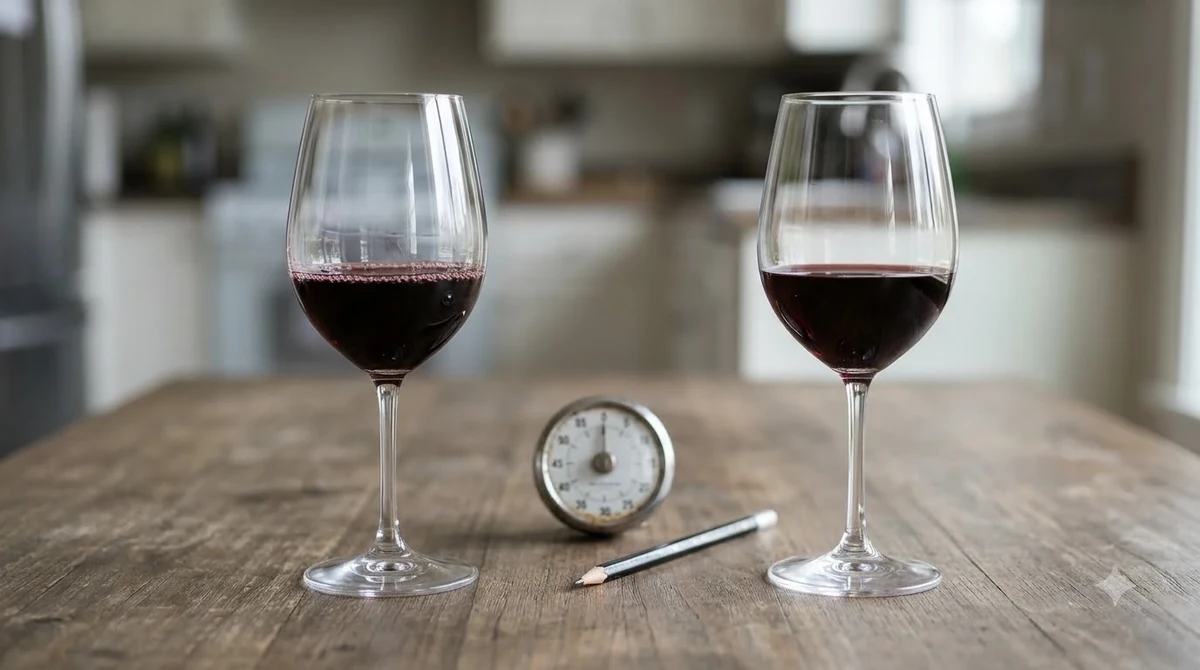
Serving temperature matters more than most people expect. Wine Folly suggests serving Cabernet Sauvignon at 60 to 68°F (15 to 20°C), which is cooler than most room temperatures in a heated home. A claret that is too warm can taste heavy and alcoholic, while one that is slightly cool will show more fruit and structure.
Young clarets, especially those with heavy tannins, benefit from decanting for an hour or so before pouring. The air softens the tannins and opens the aromas. A large-bowled glass helps the wine breathe in the glass and lets you smell the cedar and dark fruit more clearly.
Food pairings that suit claret
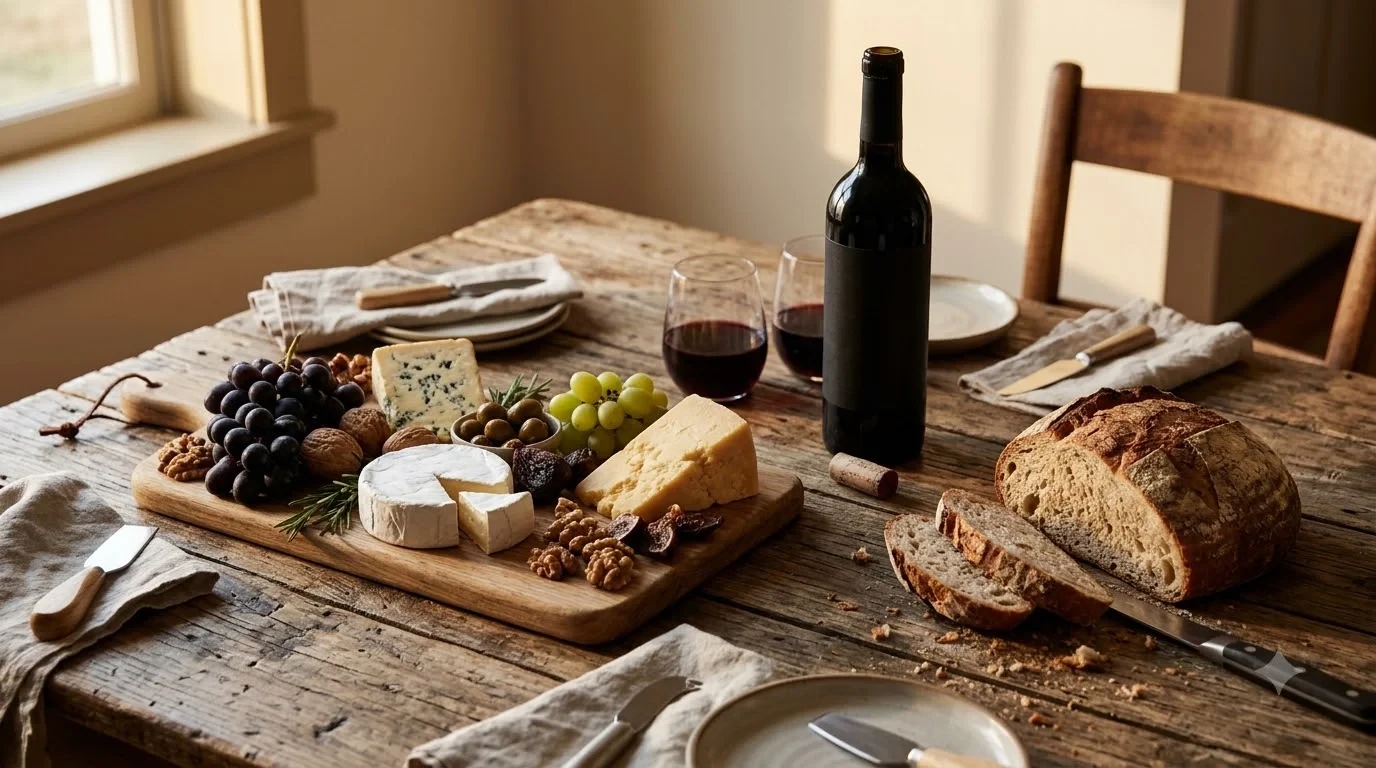
Claret is a food wine. Its tannins grip fats and proteins, so it pairs well with roast lamb, beef stew, grilled steak, and duck. Hard cheeses such as aged cheddar, Comté, and Manchego also work, since their salt and richness balance the wine’s dryness. Lighter Right Bank clarets can handle roast chicken or mushroom dishes.
Avoid pairing a big tannic claret with very spicy food or with sweet desserts, which tend to make the wine taste bitter. A simple rule is to match weight with weight: a fuller claret for a rich dish, a lighter one for something delicate.
How to choose a good claret
Start by deciding when you want to drink the bottle. For an evening meal this week, pick a younger, fruit-forward claret from the Right Bank or a Bordeaux blend from a reliable producer. For a special dinner or a bottle to age, look for Left Bank wines from a good vintage, which will reward patience for years.
Read the back label for the grape mix and the region, and check whether the producer lists the vintage clearly. If you are new to the style, a claret from a well-regarded Bordeaux appellation is a safe starting point. For more context on how red grape styles compare, the Brunello di Montalcino grape guide explains how another famous red, built on Sangiovese, differs in taste and structure.
Frequently Asked Questions
Is claret the same thing as Bordeaux?
Claret is the British name for red Bordeaux wine, so in practice the two terms refer to the same style. A claret is a red wine from the Bordeaux region of France, usually a blend of Cabernet Sauvignon, Merlot, and smaller grapes.
Is claret a red or a white wine?
Claret is red. The name comes from the French “clairet,” which described a light red wine, and the term has been used for red Bordeaux blends since the trade with England. You will not find a white claret on a standard wine list.
Is claret sweet or dry?
Most clarets are dry. The fruit can taste rich and ripe, but the wine has little residual sugar and a firm, tannic finish. Sweet Bordeaux wines exist, but they are made from white grapes and are sold under different names.
Should I decant claret before serving?
Decanting is helpful for young, tannic clarets, especially those from the Left Bank. Give the wine about an hour in a decanter so the tannins soften and the aromas open. Older, delicate bottles may need only a few minutes, and sediment should be poured off carefully.
Claret is a practical word once you know what it means: a red Bordeaux-style blend that pairs well with a good meal. Use the grape mix, the region, and the vintage on the label to decide whether a bottle fits your evening, and serve it slightly cool. To see how claret compares with other red and white styles, browse the wine by type guide and keep exploring until you find the taste you like best.
More in Wine Types & Grapes
 Zinfandel Sugar Content: Dry Red vs. White Zinfandel GramsUpdated Nov 21, 2026
 Best Zinfandel Substitute Options for Sipping and CookingUpdated Nov 21, 2026
 Zweigelt Food Pairing: Best Dishes, Cheeses, and Serving TipsUpdated Nov 21, 2026
 Zinfandel Tannins Explained: How Structure Shapes Every BottleUpdated Nov 21, 2026
 Zinfandel Sweetness Level: Dry Red vs. Sweet White Zin ExplainedUpdated Nov 21, 2026
 Xinomavro Food Pairing: Best Dishes, Styles, and Serving TipsUpdated Nov 21, 2026