

We may earn a commission when you buy through links on this page, at no extra cost to you. Learn more.
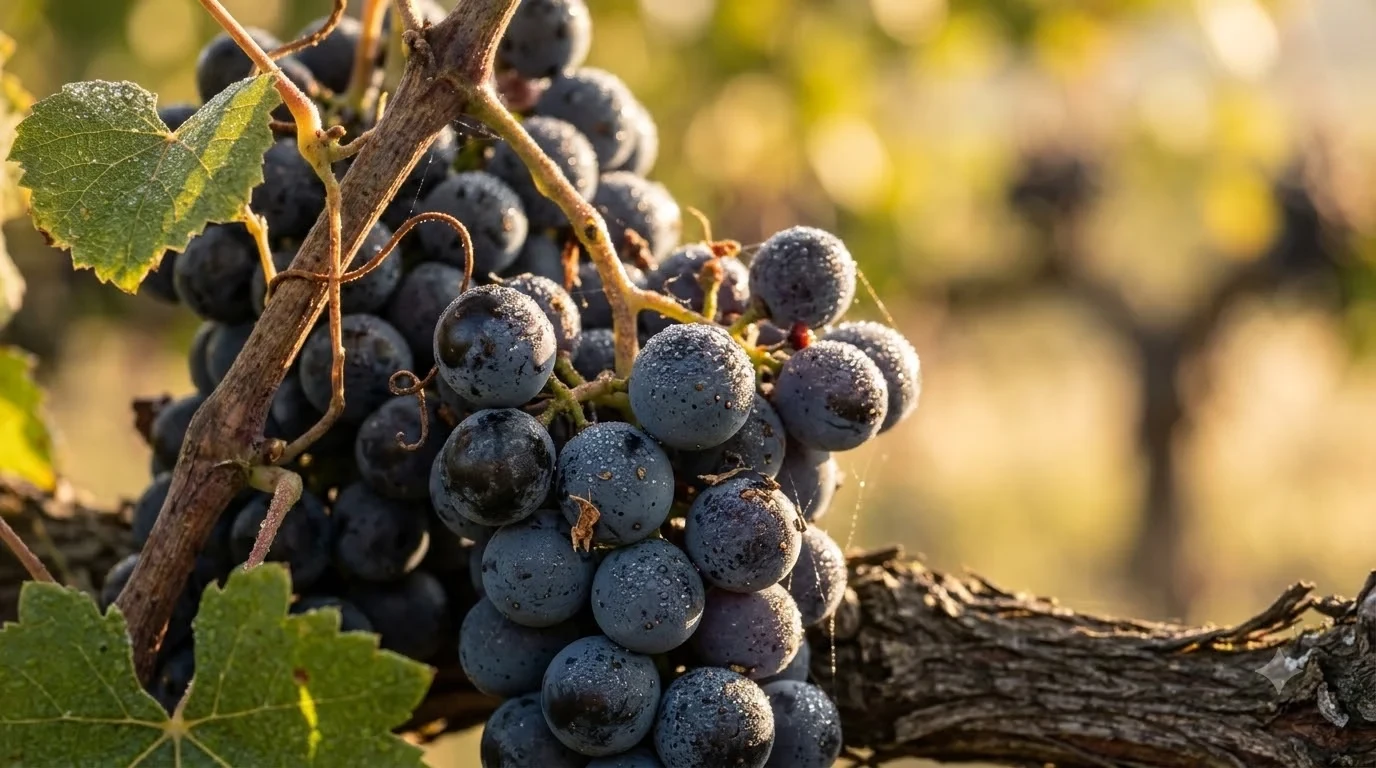
What is burgundy? Burgundy is a wine region in east-central France, best known for dry red wines made from Pinot Noir and dry white wines made from Chardonnay. The name also covers the wines themselves, so a bottle labeled Burgundy or Bourgogne tells you it comes from this region. What sets Burgundy apart is its focus on the vineyard site, not the producer name, which makes the labels worth learning.
This guide explains where Burgundy is, which grapes it uses, how its wines are classified from village to Grand Cru, and how to read a label. It also helps you decide which Burgundy style suits your taste and budget.
Where Burgundy is and why it matters
Burgundy lies in the east-central part of France, in valleys and slopes west of the Saône River. Wikipedia’s entry on Burgundy wine describes the region as running from Auxerre in the north to Mâcon in the south, or to Lyon if Beaujolais is included. The region has a long history of winemaking, and its vineyards are among the most closely studied in the world.
Burgundy matters because it is one of the benchmarks for fine wine. Many of its most famous bottles command high prices, but the region also produces everyday wines that are easier to buy. The variety of styles, from light reds to rich whites and sparkling wines, is a big part of its appeal.
The grapes behind Burgundy
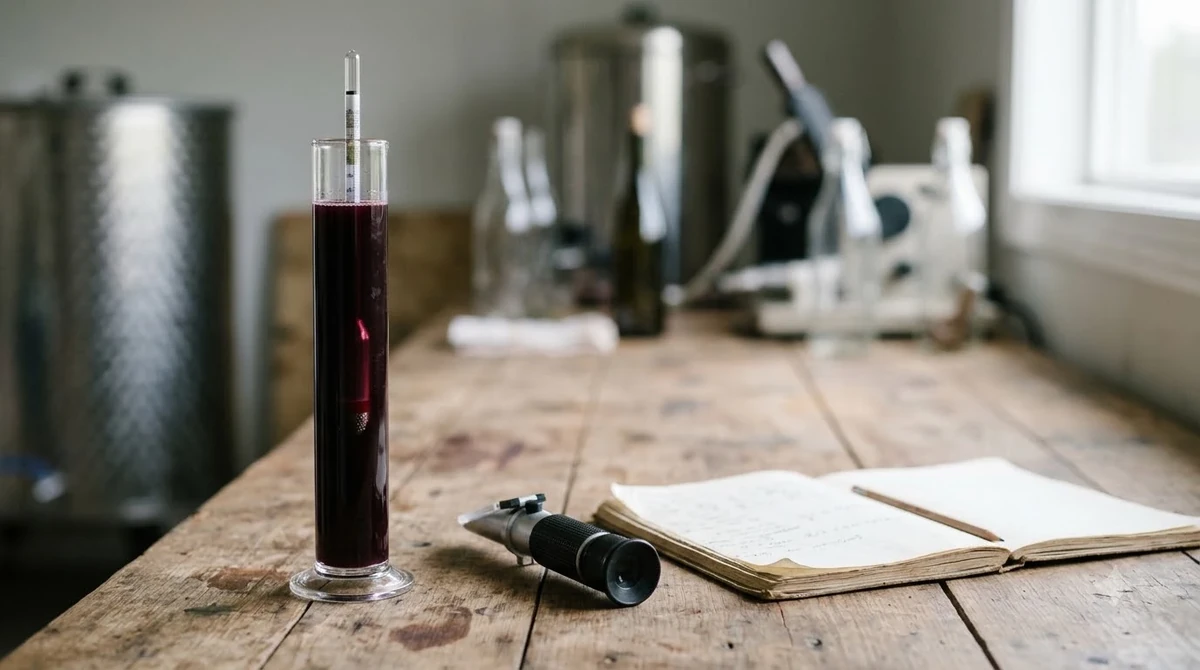
The two grapes that define Burgundy are Pinot Noir and Chardonnay. Pinot Noir produces the best-known dry red wines, which are typically lighter in color than many reds and known for red fruit, floral notes, and a silky texture. Chardonnay makes the dry whites, which range from lean and mineral to rich and creamy depending on the village and the winemaking.
Burgundy also uses other grapes. Gamay is used for reds, most famously in Beaujolais, which is often treated as a separate name. Aligoté is used for whites and is described by the official Bourgogne wine board as a variety specific to the region. Small amounts of rosé and sparkling wine are made too, including Crémant de Bourgogne.
| Main grape | Usual color | Typical character |
|---|---|---|
| Pinot Noir | Red | Red fruit, floral notes, silky texture |
| Chardonnay | White | Mineral to creamy, depending on the site |
| Gamay | Red | Fresh, fruity, lighter in body |
| Aligoté | White | Crisp and tangy |
How Burgundy wines are classified
Burgundy classifies wines by vineyard location rather than by producer, which is unusual compared with many regions. The system runs from the broadest level to the most specific. Regional appellations, such as the basic Bourgogne AOC, cover wines from across the region. Village appellations cover wines from one of dozens of named villages or from a single unclassified vineyard. Premier Cru sits below Grand Cru and marks a high-quality site, and Grand Cru is the top tier.
According to the Wikipedia entry on the region, Grand Cru wines make up about 2 percent of production, Premier Cru about 12 percent, and village appellations about 36 percent. The rest comes from regional names. Those shares show why a Grand Cru bottle is rare and why most Burgundy you find on a shelf will be a village or regional wine.
The main sub-regions and what they taste like
Burgundy is divided into several sub-regions, and each one has its own character. Chablis, around Auxerre in the north, makes Chardonnay-based whites that are labeled separately from Burgundy and tend to be crisp and mineral. The Côte de Nuits and Côte de Beaune together form the Côte d’Or, the heart of the region, where nearly all the Grand Cru vineyards sit and where the most famous reds and whites come from.
The Côte Chalonnaise makes a mix of red and white wines and offers names such as Mercurey and Givry, which are often more affordable than the Côte d’Or. The Mâconnais, further south, produces large volumes of easy-drinking whites. Beaujolais, the southernmost part of the region when included, is known for fruity gamay reds that are usually sold under their own name.
Tip: If you want to explore Burgundy without a large budget, look at village wines from the Côte Chalonnaise or the Mâconnais. They show the grape and the region clearly at a lower price.
How to read a Burgundy label
Start with the appellation name, which tells you the region or the village. A label that says Bourgogne is a regional wine, while a village name means the wine comes from that specific place. A Premier Cru or Grand Cru label means the vineyard has the top classification. The producer’s name matters too, since two wines from the same village can taste quite different depending on how the winemaker works.
Burgundy has a large export trade, and the name Bourgogne appears on many bottles sold outside France. According to a Vinepair article on the subject, about 90 million bottles are exported each year with that name on the label. Because the appellation is so widely used, it helps to know that Bourgogne can cover a wide range of quality.
How to serve and pair Burgundy
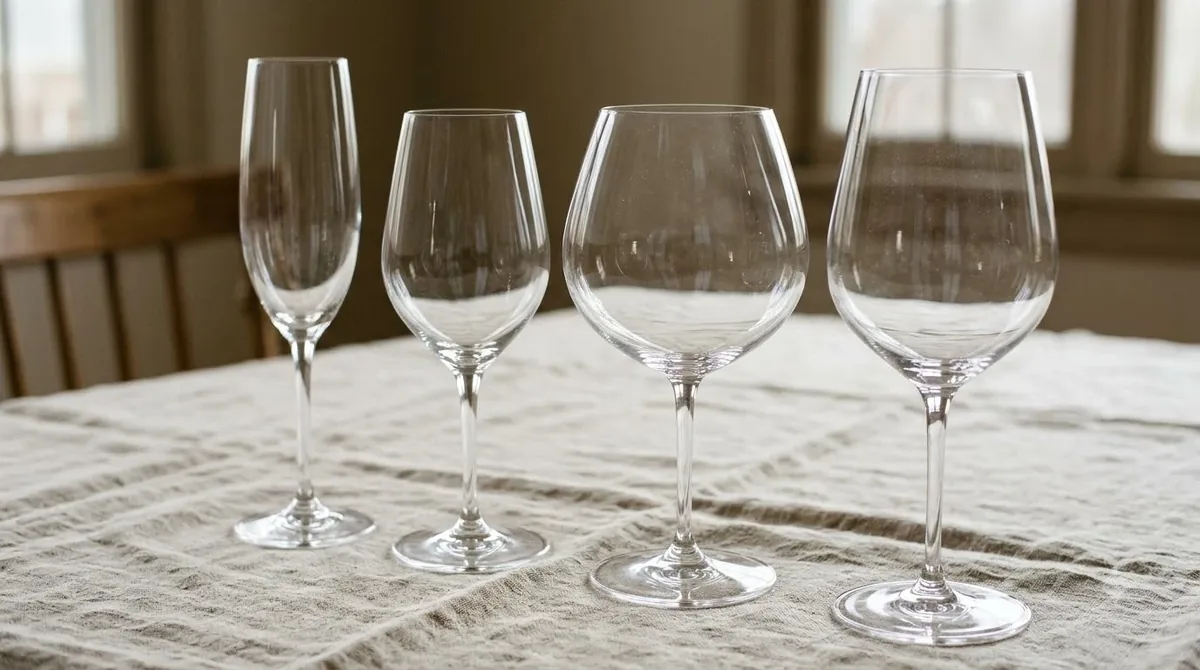
Serve Burgundy reds slightly cool, a little below room temperature, so the fruit and acidity stay clear. Light whites from Chablis or the Mâconnais are best chilled, while richer Côte de Beaune whites can be served a little warmer. A standard wine glass with a generous bowl helps show the aromas.
Pinot Noir from Burgundy pairs well with roast chicken, duck, salmon, mushrooms, and soft cheeses. Chardonnay from Chablis suits oysters and simple fish dishes, while a richer white from the Côte de Beaune works with creamy sauces and roast pork. Gamay from Beaujolais is a friendly choice for charcuterie and casual meals.
For a comparison with another Italian red grape that also shows strong regional character, you can read our guide to Brunello di Montalcino grape, which explains how a single grape can express its site in a very different way.
How to pick your first bottle
If you are new to Burgundy, start with a village wine from a well-known name in the Côte de Beaune or Côte de Nuits, or with a Mâconnais white for a lighter option. Choose by style first: Pinot Noir for silky reds, Chardonnay for whites, and Gamay if you want something fresh and fruity. Price does not always track quality, so read the appellation and the producer before buying.
It also helps to know how Burgundy compares with other wine types. If you want a lighter red with a different grape, our chambourcin wine guide shows how a hybrid red can differ in flavor. For a wider view of the regions and styles, browse our wine by type section.
Frequently Asked Questions
What is burgundy wine made from?
Burgundy wine is mainly made from Pinot Noir for red wines and Chardonnay for white wines. Gamay is used for reds, and Aligoté is used for whites.
Is burgundy the same as Bourgogne?
Yes. Bourgogne is the French name for the region, and it is also the name printed on many Burgundy labels. It covers wines from across the region, so quality can vary.
What is the difference between Premier Cru and Grand Cru?
Both are top vineyard classifications in Burgundy, with Grand Cru as the highest tier. Grand Cru sites are rare and mostly located in the Côte d’Or, and they make up a small share of the region’s output.
Is burgundy a red or white wine?
It can be either. Burgundy is best known for dry red wines from Pinot Noir and dry white wines from Chardonnay, and it also makes some rosé and sparkling wine.
Burgundy rewards careful reading of the label and a willingness to explore its villages. Start with a Pinot Noir or Chardonnay from a known appellation and let the region’s terroir guide your choices. For more wine styles to compare, visit our wine by type section.
More in Wine Types & Grapes
 Zinfandel Sugar Content: Dry Red vs. White Zinfandel GramsUpdated Nov 21, 2026
 Best Zinfandel Substitute Options for Sipping and CookingUpdated Nov 21, 2026
 Zweigelt Food Pairing: Best Dishes, Cheeses, and Serving TipsUpdated Nov 21, 2026
 Zinfandel Tannins Explained: How Structure Shapes Every BottleUpdated Nov 21, 2026
 Zinfandel Sweetness Level: Dry Red vs. Sweet White Zin ExplainedUpdated Nov 21, 2026
 Xinomavro Food Pairing: Best Dishes, Styles, and Serving TipsUpdated Nov 21, 2026