

We may earn a commission when you buy through links on this page, at no extra cost to you. Learn more.
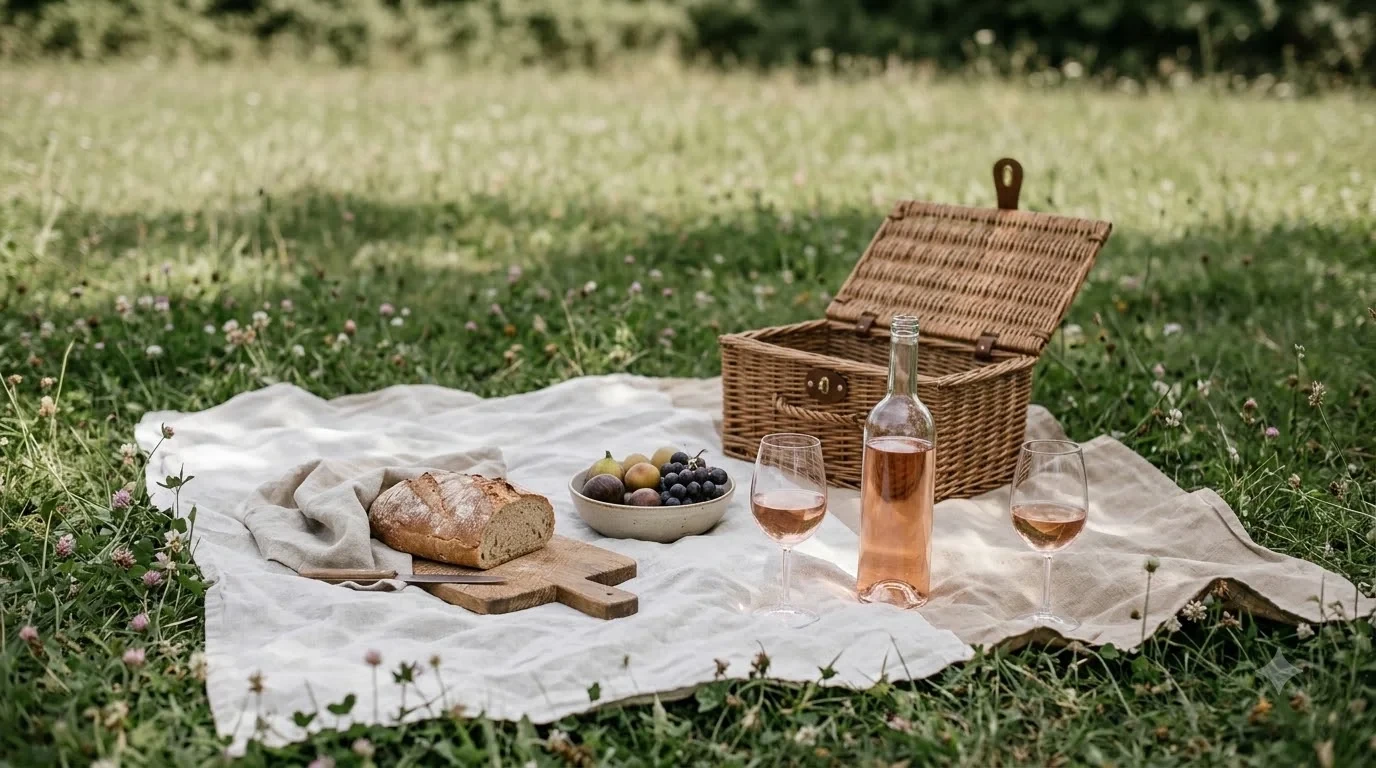
What fruit goes with wine depends on the fruit’s sweetness and acidity, but berries, peaches, pears, and figs are especially versatile choices. Pair fresh, juicy fruit with wine that has enough acidity to stay lively, and match sweeter preparations with wine that is at least as sweet. The best match also depends on whether the fruit is served plain, with cheese, or as a baked or syrupy dessert.
Fruit can work with red, white, rosé, or sparkling wine. Pay attention to ripeness, preparation, and texture rather than following a strict red-with-red or white-with-white rule.
How Fruit Sweetness and Acidity Change a Wine Pairing
Ask how sweet and how tart the fruit is. Fresh berries and tree fruit can pair with dry wine, while fruit cooked with sugar, honey, or syrup can make that wine seem sharp and thin.
Assess sweetness first. A very sweet bite makes dry wine seem less fruity, more acidic, and sometimes bitter. Fruit tart, peach cobbler, or strawberries macerated in sugar generally need an off-dry or sweet wine. The wine should be at least as sweet as the dessert; a fresh strawberry, however, is not as sugary as jam. Acidity is next. Lemon, lime, green apple, pineapple, and tart raspberries can make low-acid wine taste dull. Choose equal or higher acidity, such as Sauvignon Blanc, Riesling, Albariño, or dry sparkling wine. The Washington State Wine Commission’s wine pairing cheat sheet groups citrus, capers, pickles, and green apple with sparkling and high-acid white wines, a useful guide for sharply tart fruit.
Tannin and texture matter, too. Cabernet Sauvignon can feel firm beside delicate fruit, while Pinot Noir is usually lower in tannin and higher in acidity. Merlot is softer; Syrah can be more tannic. Salt and fat from prosciutto, nuts, or cheese soften tannin, but chili heat can feel stronger beside high-alcohol, tannic reds.
| Fruit or preparation | Wine styles to try | Useful serving temperature |
|---|---|---|
| Fresh strawberries | Dry rosé, Pinot Noir, sparkling wine | 45–50 F for rosé; 55–60 F for light red; 40–50 F for sparkling |
| Raspberries | Loire Cabernet Franc, dry rosé | 55–60 F for light red; 45–50 F for rosé |
| Blackberries | Crisp white such as Moschofilero, or fruit-forward Cabernet Franc | 45–50 F for a light white; 55–60 F for light red |
| Blueberries | Rosé Cava, slightly chilled Lambrusco, sweet Vignoles | 40–50 F for sparkling; 43–50 F for sweet white |
| Peaches and nectarines | Albariño, Viognier, Riesling, sparkling wine | 45–50 F for light white; 50–55 F for fuller white |
| Figs, dates, or dried apricots | Sweet white, late-harvest wine, or fortified wine | 43–50 F for sweet white |
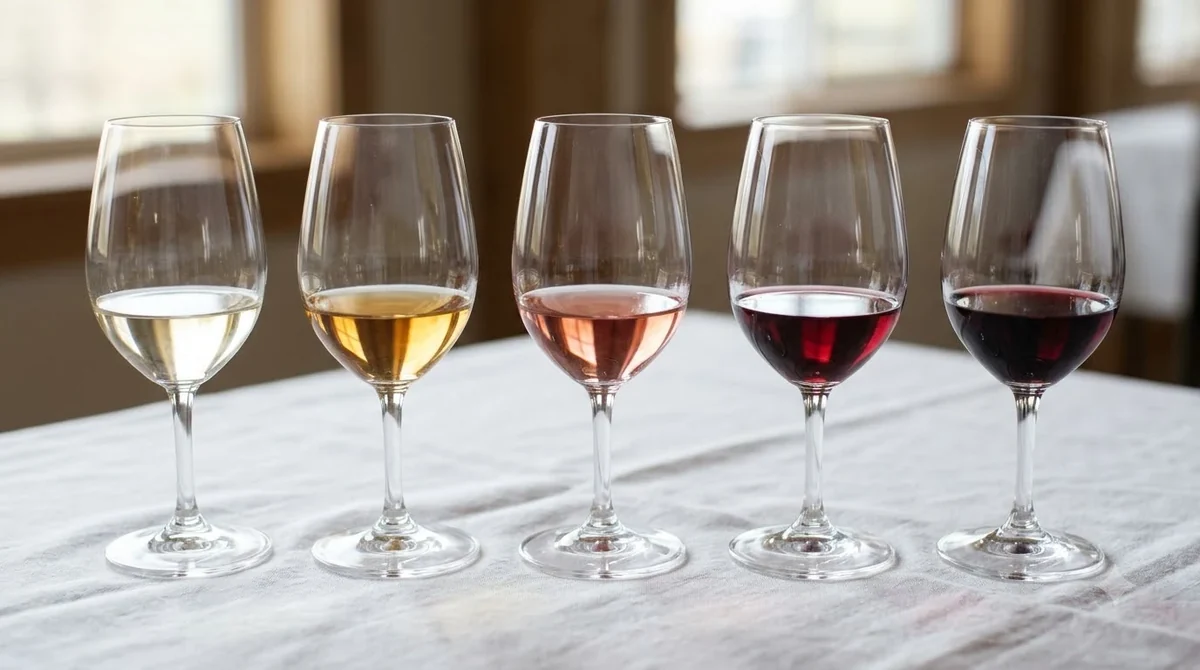
These are practical targets: sparkling wine at 40–50 F, light whites and rosés at 45–50 F, fuller whites at 50–55 F, light reds at 55–60 F, fuller reds at 60–65 F, and sweet whites at 43–50 F. A brief chill can make a light red feel fresher beside fruit.
Berries: Strawberries, Raspberries, Blackberries, and Blueberries
Berries offer the widest range of wine matches because sweetness, acidity, and seed-driven texture vary from one type to another. Strawberries, raspberries, blackberries, and blueberries each have a useful first-choice pairing, but ripeness and added sugar can change the result.
For ripe strawberries served plain, try dry rosé, bright Pinot Noir, or sparkling wine. Oregon Pinot Noir brings tart red-fruit character and acidity; dry rosé adds freshness without making the pairing overly sweet. Wine Enthusiast highlights acidity with ripe strawberries and recommends Pinot Noir, rosé, and sparkling Chardonnay. Its broader guide to pairing wine with berries is useful when you want to compare individual berry styles.
Raspberries are tart and aromatic, so they can work with a light, earthy Cabernet Franc, especially a Loire Valley example. A fresher, less structured Cabernet Franc tends to emphasize red raspberry; a fuller version has darker fruit and more structure. If the raspberries are baked into a sweet tart, move toward a sweeter wine rather than assuming the grape match still applies. The sugar in pastry and filling changes the balance more than the raspberry aroma does. Blackberries have both sweetness and a pleasant tart edge. A crisp white such as Moschofilero is a smart match for fresh blackberries, particularly when the plate includes goat cheese and salty crackers. For a more direct fruit-to-fruit match, try a youthful Cabernet Franc with blackberry notes. Blueberries can be more challenging because their flavor can be subdued beside a wine with strong acidity; rosé Cava adds crispness, while lightly chilled Lambrusco brings bubbles and dark-fruit character. A sweet Finger Lakes Vignoles is a better direction when blueberries are part of a dessert.
Serving format matters: whole berries are less sugary than strawberry shortcake, blueberry jam, or raspberry coulis. Orange juice or honey in a fruit salad can shift the plate from dry-wine territory to off-dry or dessert-wine territory.
Stone Fruit: Peaches, Nectarines, Plums, and Cherries
Peaches and nectarines have soft texture and fragrant sweetness, while plums and cherries often bring more acidity or darker, denser flavors. Aromatic whites, rosé, sparkling wine, and lighter reds each have a place, depending on ripeness and preparation.
Fresh peach slices pair with Albariño, Riesling, Viognier, Muscat, or Chenin Blanc, all of which can echo peach and apricot aromas without being sweet. Sparkling wine offers a textural contrast to juicy flesh. Wine Enthusiast also names warm-climate Chardonnay and South African Chenin Blanc; dry Gigondas rosé is an alternative when you prefer savory freshness over matching fruit aromas.
Nectarines can be treated like peaches. Grilled peaches develop caramelized flavors, so fuller Chardonnay or dry rosé can stand up to the smoky surface. With honey or brown sugar, choose off-dry Riesling or sweet sparkling wine. Serve light whites at 45–50 F and fuller whites at 50–55 F.
Choose plums and cherries by intensity. Fresh red cherries work with Pinot Noir; dark plums suit soft Merlot or a fruit-forward red blend, especially with almonds or mild cheese. A tannic Cabernet Sauvignon can dominate delicate cherries unless the plate includes aged cheese or cured meat. Stone fruit also works in composed dishes: pair grilled peaches with ricotta and basil, or sliced plums with toasted almonds and mild blue cheese. Cheese adds fat, salt, and savory flavor, changing which wine best suits the fruit.
Citrus, Apples, Pears, Melon, and Tropical Fruit
High-acid fruit needs a lively wine, while mild, aromatic fruit gives you more freedom to choose by texture. Citrus and green apple tend to favor crisp whites and sparkling wines; pear, melon, mango, and pineapple can work with aromatic whites or rosé when their sweetness is kept in balance.
Lemon, lime, grapefruit, and orange are sharp and juicy. Serve them with dry sparkling wine, Sauvignon Blanc, or Albariño rather than a low-acid, heavily oaked white. Use citrus zest sparingly so it does not overpower delicate wine aromas. Green apples are crisp and tart, so choose Sauvignon Blanc, Riesling, or sparkling wine. Sweeter red apples can pair with lightly oaked Chardonnay or soft Pinot Noir, especially with almonds or mild cheddar. Gentle, perfumed pears suit Chardonnay, Chenin Blanc, or Pinot Gris; poached pears in syrup need a sweeter wine than fresh pears.
Melon, mango, pineapple, and papaya are aromatic and often sweet. Dry rosé or Riesling can work with melon; Gewürztraminer or off-dry Riesling suits mango or pineapple. Pineapple with lime is more acidic than mango alone, while sugary compote calls for a sweeter wine.
Think about the whole plate. Citrus with olives, feta, or salted nuts may suit dry sparkling wine, while green apple with mild cheese is easier than green apple with vinegar dressing. For more cheese ideas, see what cheese goes with white wine; the cheese often determines whether the plate needs more acidity, less tannin, or a touch of sweetness.
Dried Fruit, Fruit Desserts, and Sweet Sauces
Drying fruit concentrates its sugar and changes the pairing. Dates, raisins, dried figs, and dried apricots are usually sweeter and denser than their fresh counterparts, so they often need a richer wine or a wine with noticeable sweetness.
Fresh figs pair with dry rosé, textured Vermentino, or lighter Cinsault, especially beside almonds, cured ham, or goat cheese. Dried figs are sweeter and chewier; try sweet white, fortified wine, or rich red. Dried apricots and raisins can dominate a delicate dry white. Dates, candied orange peel, and dried mango call for sweet wines when served as dessert. Late-harvest Riesling, sweet Chenin Blanc, or Muscat can match their concentrated sugar; blue cheese or toasted nuts add salt and fat to balance the pairing. A 5-ounce pour is a useful tasting portion, and a 750 ml bottle holds about five glasses.
For baked fruit, judge the complete recipe: apple pie, peach cobbler, cherry clafoutis, and berry crumble contain different amounts of sugar, butter, and spice. A dry red that suits fresh cherries may taste austere with sweet cherry pie. Try Moscato, demi-sec sparkling wine, or late-harvest white when dessert is sweeter than the wine.
Chocolate changes the decision: berries dipped in dark chocolate are richer and more bitter than plain berries, so a fruit-forward red or fortified wine may suit them better than a tart white. See this guide to what chocolate goes with red wine. Keep the fruit and chocolate in similar intensity ranges: delicate milk chocolate can disappear beside a very concentrated red, while a small piece of dark chocolate can overwhelm a light rosé.
Build a Fruit-and-Wine Board That Works
A balanced fruit board needs only two or three fruits with different sweetness levels, one salty or creamy element, and a wine with enough acidity or sweetness to suit the strongest flavor.
For summer, combine strawberries, blackberries, peach wedges, goat cheese, and salted almonds; serve dry rosé or high-acid sparkling wine. For autumn, pair pear, apple, figs, walnuts, and mild blue cheese with textured Chardonnay, Pinot Noir, or off-dry Riesling. Keep very sweet dried fruit apart from sharp citrus and delicate melon if serving one bottle.
Serve a few bites of each fruit rather than filling the plate with one sweet component. A 5-ounce pour is a useful reference; a 750 ml bottle holds about five pours. Chill sparkling wine to 40–50 F, rosé and light whites to 45–50 F, and lighter reds to 55–60 F.
Tip: Taste the fruit before choosing the wine, then taste the wine after one bite. If the wine suddenly seems sour, thin, or bitter, the fruit is likely sweeter than the wine; switch to a sweeter style or serve the wine with a salty or creamy accompaniment.
Slice peaches, apples, pears, and citrus shortly before serving to keep the cut surfaces fresh. Keep berries whole until plating, and set juicy fruit apart from crackers and nuts. Plan the wine around the finished spread, including brie, goat cheese, or aged cheddar if they are on the board. With sparkling wine, serve a small cheese course alongside the fruit. Bubbles, salt, and creamy texture contrast well with apple, pear, or strawberry. For bottle-specific ideas, see what cheese goes with champagne. More questions about wine basics, serving, and food matches are collected in Wine Q&A.
Frequently Asked Questions
These quick answers cover a few additional fruit choices. Ripeness and preparation still determine the best match.
Does watermelon go with wine?
Yes. Watermelon is mostly water, so it is usually best with a light, refreshing wine such as dry rosé or sparkling wine rather than a concentrated red. A pinch of salt, fresh mint, or feta changes the flavor balance and can make a crisp sparkling wine especially appealing.
Can bananas be served with wine?
Yes, but ripe bananas are soft, sweet, and relatively low in acidity. Try a gently sweet Moscato or off-dry Riesling, especially when banana is served with vanilla, toasted coconut, or pastry. For banana bread, account for the added sugar and spice rather than pairing only to the banana itself.
Does pomegranate pair with wine?
Yes. Pomegranate arils bring tartness and a slight drying sensation, so dry rosé, Pinot Noir, or sparkling rosé can work better than a heavily tannic Cabernet. Pomegranate molasses is sweeter and more concentrated, so use a wine with greater body and fruit intensity when it appears in a glaze.
Can tomato be paired with wine as a fruit?
Yes, although it is usually treated as a savory ingredient at the table. Tomato brings acidity and umami, so a high-acid red such as Sangiovese or a crisp rosé is often more successful than a soft, low-acid wine. Fresh tomato with basil is also different from a concentrated, slow-cooked tomato sauce.
Should fruit be refrigerated before serving with wine?
Serve most berries and cut melon cool, but let aromatic fruit such as peaches and pears lose some refrigerator chill before serving so their fragrance is easier to notice. Very cold fruit can mute flavor, while warm fruit can make a chilled wine seem sharper by contrast. Remove fruit from the refrigerator roughly 10–15 minutes before plating, depending on room temperature and the size of the pieces.
Choose wine for the fruit as it is served—fresh, grilled, dried, or sweetened. Match sweetness first, balance acidity, and use cheese, nuts, or salt to fine-tune the plate. Those checks make a simple bowl of berries or a full fruit board easier to pair.
More in Wine Basics
 What Is The Best Wine For Mimosas? Choose Bubbly That Balances Orange JuiceUpdated Nov 20, 2026
 Which Prosecco Is Best for Your Taste and OccasionUpdated Nov 20, 2026
 Which Wine Is Best For Health? Understand the Risks and BenefitsUpdated Nov 20, 2026
 Which Champagne Is Best for Your Taste and OccasionUpdated Nov 20, 2026
 What To Put In A Wine Gift Basket For A Thoughtful, Memorable GiftUpdated Nov 20, 2026
 What Is the Best Wine for Mulled Wine? Choose a Smooth, Fruity RedUpdated Nov 20, 2026