

We may earn a commission when you buy through links on this page, at no extra cost to you. Learn more.
What does white zinfandel taste like? It tastes sweet, light, and fruity, with strong notes of strawberry, raspberry, and cherry. It is a rosé made from red Zinfandel grapes, so the color is pale pink rather than white, and the sweetness sits between off-dry and sweet. Most drinkers find it smooth and easy to sip, with very little of the tannin or spice that people associate with red wine.
If you have never tried white zinfandel, the flavor can be hard to picture from the name alone. The wine does not taste like a dry white or a full red. It sits in a category of its own, and its sweetness is the first thing most people notice. This guide explains what the wine tastes like, why it tastes that way, and how to serve it well.
What White Zinfandel Is
White zinfandel is made from Zinfandel, a red grape that is more often used for bold, spicy red wines. Winemakers produce the pink color by keeping the juice in contact with the red skins for only a short time, so the wine takes on a little color without becoming a deep red. The result is a blush-colored wine that is much lighter in body than a typical Zinfandel.
The style has a well-known origin story. According to the Wikipedia entry on White Zinfandel, the wine began in 1975, when winemaker Bob Trinchero of Sutter Home drew off some juice from a Zinfandel batch to concentrate that wine. The drawn-off juice fermented slowly and stalled, leaving a wine with residual sweetness that proved popular. That accident helped create a whole category of sweet pink wines in American shops.
Sweetness and Main Flavors
Sweetness is the defining feature. White zinfandel is usually described as off-dry to sweet, which means you will taste sugar on the first sip rather than discovering it on the finish. The sugar is balanced by a bright, gentle acidity, so the wine does not feel heavy or syrupy when it is well made.
The sweetness also varies from bottle to bottle. Producers decide how much natural grape sugar to leave in the wine, and they can stop fermentation earlier or later to control the final level. Two bottles with the same name can therefore taste noticeably different, one lighter and drier, the other rounder and more candy-like. Reading the back label or checking the producer’s tasting notes is a practical way to predict what you will get.
The fruit flavors are the second thing most people notice. Strawberry is the most common comparison, followed by raspberry and cherry. Wine Folly’s Zinfandel profile describes White Zinfandel as a sweet rosé with aromas of bright red fruits such as strawberries, raspberries, and cherries, which matches what most tasting notes report. Some bottles add a hint of melon or a soft floral note, but red berries remain the core.
Texture, Body, and Finish
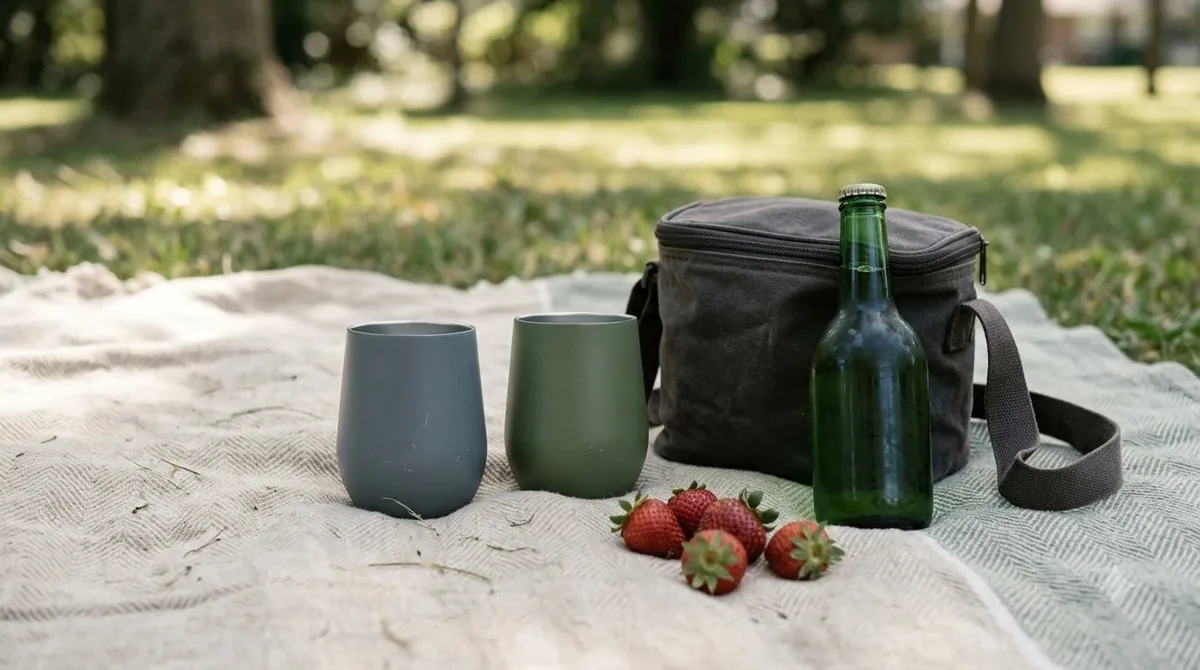
White zinfandel is light-bodied. It feels thinner in the mouth than a Pinot Grigio or a Chardonnay, and it has very little grip. Tannins, the drying compounds found in the skins of red grapes, are minimal because the skins touch the juice only briefly. That is why the wine feels soft and easy rather than astringent.
The finish is usually short. The sweetness fades quickly, and the fruit lingers for a few seconds. Because of this, white zinfandel is often treated as an everyday wine for casual drinking rather than a bottle for slow sipping or long tasting sessions.
Light body also affects how the wine interacts with alcohol content. Since it is generally a lower-alcohol wine than a big red, the sweetness and fruit stand out more and the wine feels refreshing in warm weather. If you are curious how the alcohol level changes across bottles and styles, the guide on calories in white zinfandel explains how sugar and alcohol together shape the wine’s profile and energy content.
How It Compares With Other Pink Wines
Many drinkers compare white zinfandel with other rosés, and the differences are clear once you taste them side by side. A dry rosé from Provence tastes crisp, herbal, and mineral, with little or no sugar. A white zinfandel tastes sweeter and rounder, with a stronger candy-like fruit character. Compared with a sweet white such as Moscato, white zinfandel usually has more red-berry flavor and a little more color. Sweet fortified wines such as Madeira are another step further: they are richer, nuttier, and more concentrated, so they make a poor first comparison for someone who wants the bright fruit of a pink wine. The guide on what Madeira tastes like shows how far sweet wines can range.
| Wine | Typical sweetness | Main flavors | Body |
|---|---|---|---|
| White zinfandel | Off-dry to sweet | Strawberry, raspberry, cherry | Light |
| Dry rosé (Provence style) | Dry | Red currant, herbs, citrus | Light to medium |
| Moscato | Sweet | Peach, orange blossom, honey | Light |
| Dry Zinfandel (red) | Dry | Blackberry, pepper, spice | Medium to full |
How to Serve White Zinfandel
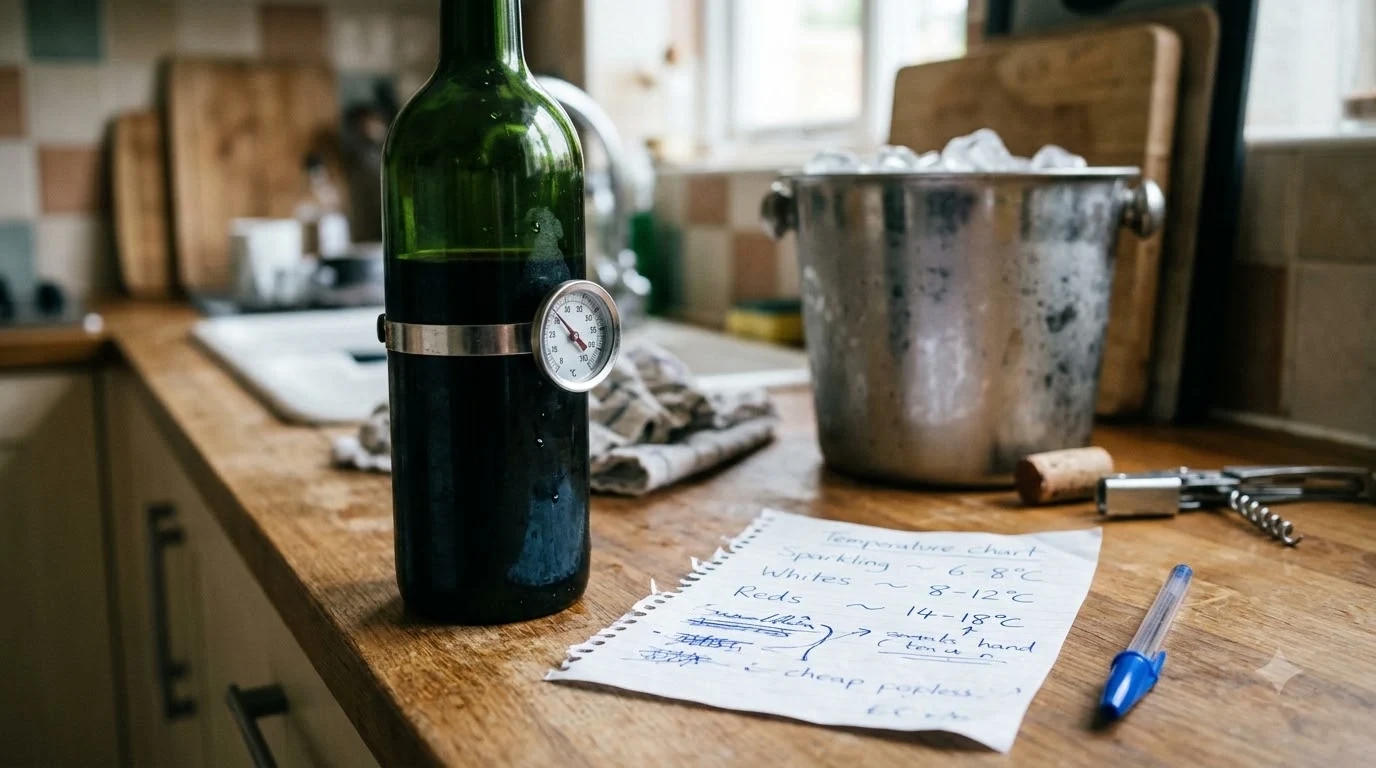
Serve white zinfandel well chilled. The temperature has a larger effect on taste than most people expect, so it is worth planning for it.
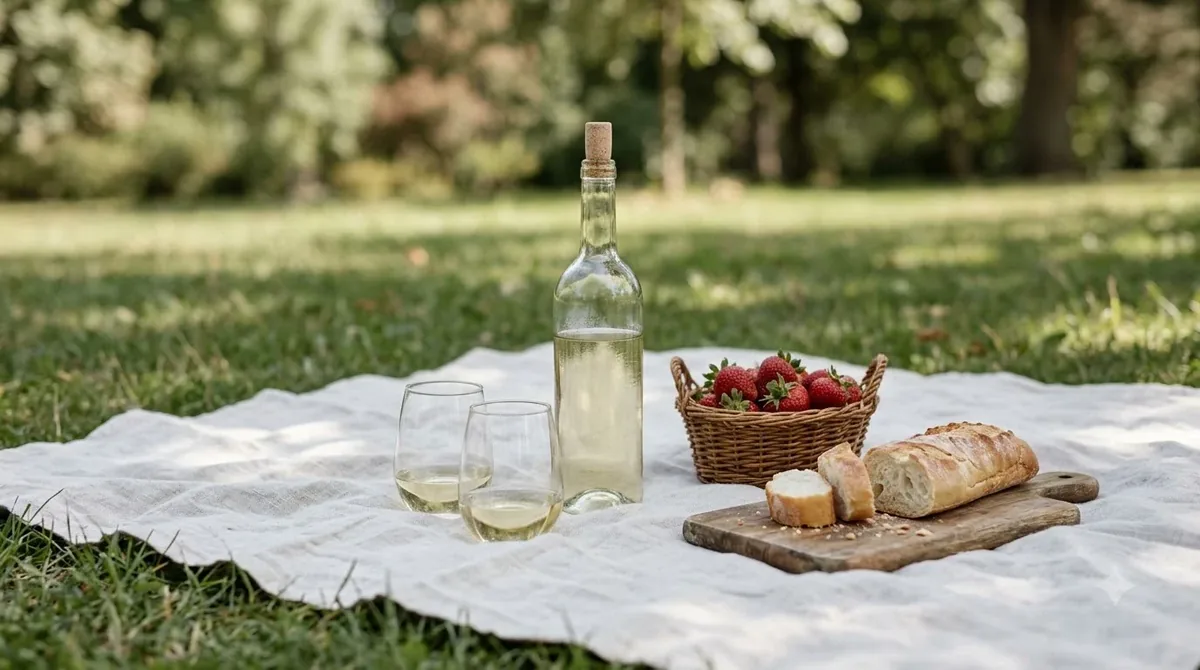
Serve white zinfandel well chilled. Cold temperatures keep the sweetness from tasting heavy and bring the fruit forward in a clean way. A bottle that sits on the counter for an hour can taste flat and syrupy, so a short time in the fridge before pouring makes a clear difference.
A standard wine glass works well. The bowl helps you smell the strawberry and cherry aromas, which are a large part of the appeal. Because the wine is sweet and light, it does not need decanting, and it is best enjoyed within a day or two of opening once it is kept cold.
Tip: If you find a bottle too sweet, pour it over ice or add a splash of sparkling water. Both steps lower the sugar on the palate without losing the fruit.
What to Pair With White Zinfandel
The sweetness makes white zinfandel a good partner for salty and spicy food. Grilled chicken with a sweet glaze, spicy Asian dishes, and barbecue are common pairings, because the sugar in the wine softens chili heat and matches the caramel notes in sauces. Fresh fruit, soft cheeses, and light salads also work well.
Sweet and salty combinations work especially well. A glass with a plate of salted nuts, sharp cheddar, or cured ham shows how the sugar and salt balance each other, and many people find this simple pairing the easiest way to enjoy the style.
Dry or savory dishes with a lot of richness, such as roast beef, can taste harsh next to the sweetness. For a full guide to matching wine and food, the Wine by Type section is a useful place to compare other styles before you plan a meal.
Frequently Asked Questions
Is white zinfandel the same as rosé?
White zinfandel is a type of rosé, but it is sweeter than most rosés. Many dry rosés from France and Spain have little or no residual sugar, while white zinfandel is usually noticeably sweet.
Does white zinfandel taste like candy?
Many people describe it that way because of its strong strawberry and raspberry character and its sweetness. The wine is not as intense as candy, though, and a well-made bottle still has enough acidity to feel fresh.
Is white zinfandel a good wine for beginners?
It is often a gentle starting point because it has little tannin and a clear fruit flavor. Drinkers who want to move toward drier styles can later try a dry rosé to see the difference. Tasting the two styles side by side, with the same food, is the quickest way to learn which level of sweetness you prefer.
How long does an open bottle of white zinfandel last?
Keep the bottle corked and refrigerated. Most people find the wine tastes best within a few days, because the fruit fades as the wine ages after opening.
White zinfandel is easy to understand once you know what to expect: sweet, soft, and full of red fruit. Serve it cold, pair it with salty or spicy food, and it becomes a relaxed choice for casual meals. If you want to explore further, try a dry rosé next to it and notice how the balance changes.
More in Wine Types & Grapes
 Zinfandel Sugar Content: Dry Red vs. White Zinfandel GramsUpdated Nov 21, 2026
 Best Zinfandel Substitute Options for Sipping and CookingUpdated Nov 21, 2026
 Zweigelt Food Pairing: Best Dishes, Cheeses, and Serving TipsUpdated Nov 21, 2026
 Zinfandel Tannins Explained: How Structure Shapes Every BottleUpdated Nov 21, 2026
 Zinfandel Sweetness Level: Dry Red vs. Sweet White Zin ExplainedUpdated Nov 21, 2026
 Xinomavro Food Pairing: Best Dishes, Styles, and Serving TipsUpdated Nov 21, 2026