

We may earn a commission when you buy through links on this page, at no extra cost to you. Learn more.
What does mirin taste like? Mirin tastes sweet, mild and gently savory, with a rounded rice flavor that is much less boozy than sake or wine. It is a Japanese rice seasoning that adds sweetness, richness and a little umami to food. Its sweetness is delicate rather than sugary, so it fits both savory dishes and some drink recipes.
This guide explains the taste of mirin in plain terms, compares it with sake and dry wines, and shows how its sweetness behaves in cooking. If you are new to Japanese pantry ingredients, it helps to understand what mirin is before you buy a bottle.
What Is Mirin?
Mirin is a sweet seasoning made from rice, rice koji and alcohol. Its sweetness comes from sugars that form naturally during fermentation, so the traditional version has no sugar added. Mirin is a close relative of sake, but it has a lower alcohol content and a higher sugar content. Most cooks treat it as a seasoning first and never as a casual drink.
Producers combine steamed glutinous rice with rice koji and a distilled spirit or neutral brewed alcohol. The mash ages in tanks for roughly 40 to 60 days before it is pressed, heated and filtered. That aging period builds the color, sweetness and savory depth you taste later. The Wikipedia article on mirin describes this process in detail, including why alcohol is added early in production.
Flavor Profile: Sweet, Mild and Savory
Mirin is sweet first, but the sweetness is soft and rounded rather than sharp like white sugar. Many cooks describe a gentle, honey-like warmth with a clean, rice-based finish. The taste also carries a mild savory note from amino acids that form during aging, which gives it a subtle umami quality.
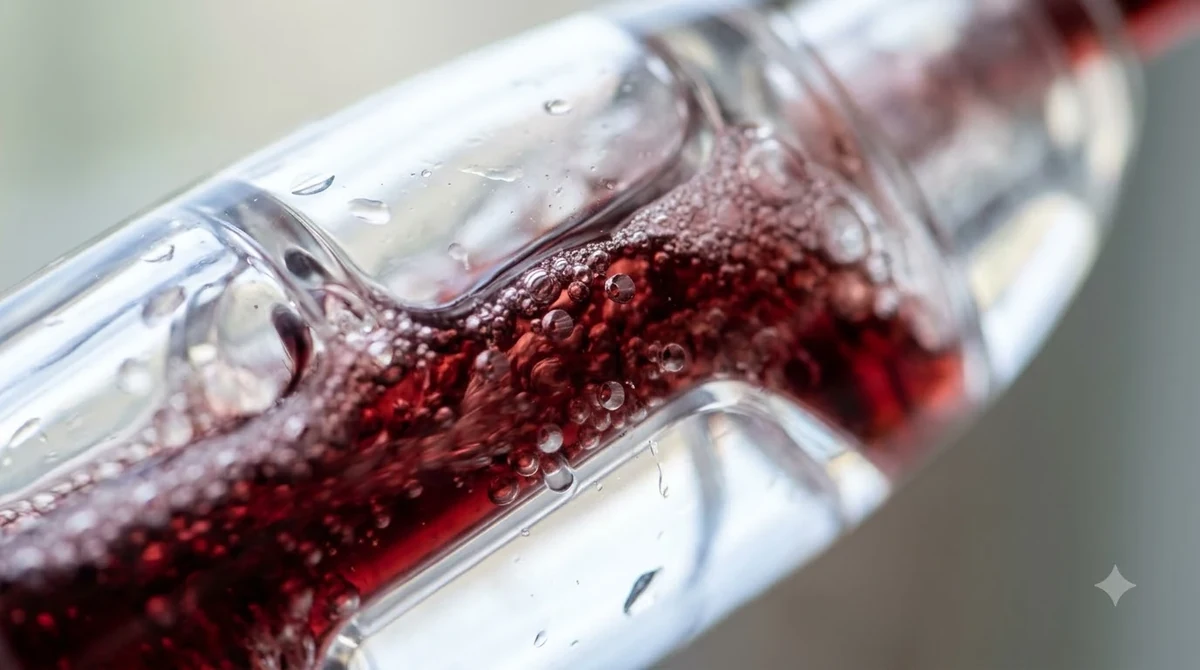
Hon mirin, the traditional type, has the most complex flavor. Its sweetness, color and depth come from the long aging process rather than from added ingredients. Cheaper mirin-style seasonings tend to taste flatter and more syrupy, because they rely on sweetener syrups and flavor enhancers instead of time.
| Taste aspect | What you notice | Where it comes from |
|---|---|---|
| Sweetness | Soft, rounded and gentle | Sugars formed naturally during aging |
| Savory depth | Mild umami in the background | Amino acids released as the rice breaks down |
| Aroma | Clean and rice-based | Glutinous rice and rice koji |
| Alcohol bite | Faint in the bottle, almost gone in cooked food | Alcohol that evaporates when heated |
How Mirin Compares to Sake, Sherry and Wine
Mirin is easiest to understand next to drinks you may already know. It is sweeter than sake and much less alcoholic, so its flavor sits closer to a sweet rice wine than to a dry table wine. Comparing it with dry wines also explains why one bottle can taste so different in a glass and in a pan.
| Drink | Typical sweetness | Alcohol level | Flavor notes | Role in cooking |
|---|---|---|---|---|
| Hon mirin | Sweet and rounded | Lower than sake | Rice sweetness, mild umami | Glazes, balance and softening odors |
| Sake | Dry to mildly sweet | Higher than mirin | Clean rice character | Simmering and marinades |
| Dry sherry | Dry | Fortified, stronger than table wine | Nutty and sharp | Deglazing and savory sauces |
| Dry white wine | Dry | Moderate | Crisp, fruity or citrusy | Brightening light dishes |
If you like crisp, fresh drinks, a guide to pinot grigio flavor shows how a dry white wine lacks the sugar that makes mirin feel round. For a bubbly comparison, a prosecco flavor guide explains how fizz and dryness shape the taste. Mirin has no fizz and no dryness, so it tastes heavier and softer than either.
Mirin Types and Alcohol Content
Not every bottle labeled mirin tastes the same. The category includes traditional hon mirin, salted versions and mirin-style seasonings, so reading the label matters. The alcohol level changes sharply from one type to another, which affects both flavor and how the product is used in cooking.
Hon mirin contains about 14 percent alcohol and is the closest match to a traditional mirin taste. Shio mirin contains added salt, which gives it a salty edge and a different role in a recipe. Shin mirin is a mirin-like blend of sweeteners, flavorings and flavor enhancers, and it contains less than 1 percent alcohol. For readers who want to avoid alcohol, the Kikkoman glossary on mirin recommends a sweetened cooking seasoning instead, which it describes as having less than 1 percent alcohol.
Using Mirin in Cooking and Pairings
Mirin’s sweetness works best when it balances salty and savory ingredients. Cooks use it in glazes, simmered dishes and dipping sauces, where it adds shine as well as flavor. It blends especially well with soy sauce, which is why the two appear together in so many Japanese recipes.

Mirin also softens strong flavors. Many cooks add it to grilled or broiled fish, and a small amount can reduce the fishy smell. It is often used in place of sugar, since it gives sweetness with more depth. Dishes such as simmered meat and potato stew, braised pork belly and teriyaki chicken all rely on this balance.
A simple teriyaki-style glaze shows how the flavors combine. Follow these steps for a basic result:
- Combine mirin and soy sauce in equal parts, a 1:1 ratio that balances the umami of the soy with the mellow sweetness of the mirin.
- Warm the mixture gently in a small pan until it is hot, but do not let it boil hard.
- Add a little sugar if you want a thicker, stickier glaze, then brush it over chicken, fish or vegetables.
- Cook the food until the glaze turns glossy and sticks to the surface.
If you want less alcohol in the finished dish, Kansai-style cooks briefly boil mirin before using it, which lets some alcohol evaporate. Some alcohol can remain, so people who are sensitive to alcohol should take extra care with any dish that includes mirin.
Buying, Storing and Substitutes for Mirin
Buying mirin starts with reading the label, since the name can cover several different products. Check whether the bottle says hon mirin, a salted product or a mirin-style seasoning. Read the ingredient list and the storage directions on the bottle, because guidance can vary by brand and type.
Once opened, store mirin according to the label, and keep the cap tightly closed to protect the flavor. Many cooks keep an opened bottle in a cool cupboard or the refrigerator. Check the label for specific storage advice before you decide where to keep it.
If you cannot find mirin, you can use a substitute. Cooking sake with a little sugar is the most common alternative, and you can adjust the sweetness to your taste. Dry sherry with sugar can also work in some savory dishes. These swaps do not match mirin exactly, so taste the dish as you go.
Frequently Asked Questions
Is mirin as sweet as sugar?
Mirin is sweet, but its sweetness is softer and rounder than white sugar. The sugars form naturally during aging, and the seasoning also adds savory depth. Because of this, cooks often use it in smaller amounts than they would use plain sugar.
Does mirin taste like sake?
Mirin shares its rice base with sake, so the two have a related flavor. Mirin is noticeably sweeter and has a lower alcohol content. Sake is usually drier, so it tastes lighter on the palate and less syrupy.
Is mirin alcoholic?
Hon mirin contains about 14 percent alcohol, while mirin-style seasonings can contain less than 1 percent. Heating reduces the alcohol in cooked food, but it does not remove all of it. Check the label, and take extra care if you or someone you cook for avoids alcohol.
Can I drink mirin?
Mirin is made as a cooking seasoning, and it is very sweet and concentrated. Most people use it in small amounts in food rather than sipping it. If you want a drink with a similar rice character, sake is the more common choice.
Mirin tastes sweet, soft and gently savory, and it is best understood as a cooking ingredient rather than a wine. For more on how drinks differ in flavor and style, browse Wine by Type. Read the label, start with small amounts, and taste as you cook.
More in Wine Types & Grapes
 Zinfandel Sugar Content: Dry Red vs. White Zinfandel GramsUpdated Nov 21, 2026
 Best Zinfandel Substitute Options for Sipping and CookingUpdated Nov 21, 2026
 Zweigelt Food Pairing: Best Dishes, Cheeses, and Serving TipsUpdated Nov 21, 2026
 Zinfandel Tannins Explained: How Structure Shapes Every BottleUpdated Nov 21, 2026
 Zinfandel Sweetness Level: Dry Red vs. Sweet White Zin ExplainedUpdated Nov 21, 2026
 Xinomavro Food Pairing: Best Dishes, Styles, and Serving TipsUpdated Nov 21, 2026