

We may earn a commission when you buy through links on this page, at no extra cost to you. Learn more.
If you are wondering what does claret taste like, the answer is dry, medium-to-full-bodied red Bordeaux with blackcurrant and plum fruit, cedar and tobacco notes, firm tannin and fresh acidity. Claret is the traditional British name for red wine from the Bordeaux region of France, and its character comes mostly from a blend of Merlot, Cabernet Sauvignon and Cabernet Franc. Good bottles taste like a place as much as a grape, because soil, vintage and winemaking all shape the glass. This guide breaks down each part of that flavor so you can read a label, predict the style and serve the wine well.
Many people in North America have never ordered claret by name, yet the word still appears on British wine lists, in older cellar notes and on classic dinner menus. Its looseness is part of the confusion. Once you understand the handful of factors that drive the taste, a glass becomes much easier to read, and you can predict what you are getting before you pull the cork. If you are still building a map of the wine world, Wine by Type shows how red Bordeaux fits alongside other styles.
Claret Is the British Name for Red Bordeaux
Claret is an English word for the reds of Bordeaux, and knowing that helps you set expectations before the first sip.
The word traces back to the French term clairet, which described very pale reds from Bordeaux, possibly closer to a dark rosé. Those wines were shipped to England for centuries, and over time the name shifted to cover darker, fuller Bordeaux reds. According to Decanter, claret is mostly used as an unofficial way to describe Bordeaux reds today, even though it is also a protected name under EU law.
British interest in Bordeaux took hold after Henry II married Eleanor of Aquitaine in 1151, and the trade that followed made claret a staple of British cellars. Ordering a glass of claret by name is now fairly uncommon, but the style has not disappeared. For a practical buyer, the meaning is simple: claret points to red Bordeaux, while white and sweet Bordeaux are different wines. Wine writer Steven Spurrier described a good claret as elegant and lifted, with a fragrant bouquet, and that remains the best short description of the style.
If you see the word on a British menu, expect a dry red built on Merlot and Cabernet unless the menu says otherwise. That expectation holds up well across most bottles, and it gives you a reliable starting point before you look at the producer or the vintage.
The Core Flavors: Blackcurrant, Plum and Cedar
The main flavors of claret are dark fruit, herbal lift and a savory finish, with the exact balance set by the grapes in the blend.
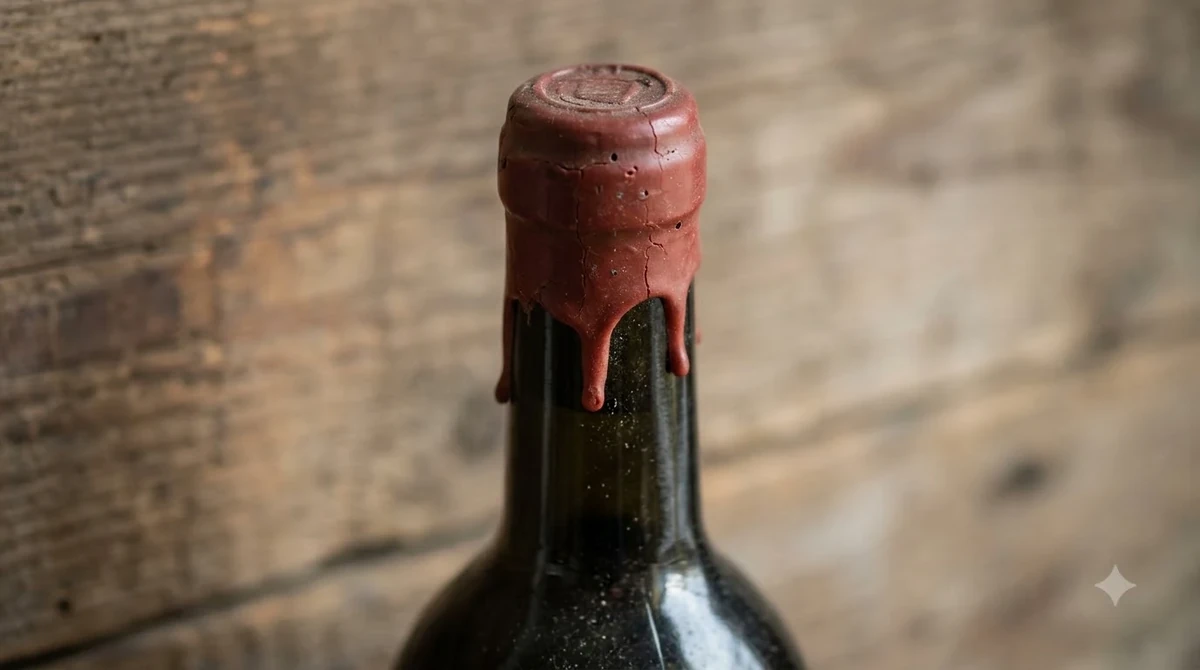
Cabernet Sauvignon sets the frame for most claret. Vins de Bordeaux, the regional wine promotion site, describes it as full-bodied and tannic, with blackcurrant, licorice and mint. Wine Enthusiast adds that in youth it shows black fruit aromas and flavors, especially blackcurrant, and that subtler notes develop later. Expect that blackcurrant core in a young bottle that leans on Cabernet, especially from the Médoc.
Merlot is the rounder partner. Vins de Bordeaux describes it as supple and opulent, often showing dark cherry, plum and grilled notes. Merlot makes up the largest share of red Bordeaux, so the plum and cherry character you find in most glasses comes largely from this grape. Cabernet Franc, the smallest of the three in typical blends, adds more vegetal notes such as bell pepper and a savory, herbal edge.
Beyond the fruit, the usual supporting flavors are cedar, tobacco, graphite and a gentle spice that comes from oak aging. These come through more clearly in wines with some age, while younger bottles lead with fresh fruit. A good glass of claret moves from fruit to savory notes across the palate, and a finish that lingers is one of the style’s signatures.
How ripeness changes the fruit
Ripeness changes the fruit profile noticeably. In a cooler vintage, claret can show greener, leafier edges and a slimmer fruit core, while a warm year brings riper blackcurrant and a plusher texture. Critics often use that contrast to place a vintage, and a sharp herbal note usually suggests the Cabernet fruit did not fully ripen.
Grape Shares and What Each One Adds
Most red Bordeaux is a three-grape blend, and the proportions shape whether the wine tastes plush or firm.
Vins de Bordeaux reports that red Bordeaux is mainly Merlot at 66 percent, Cabernet Sauvignon at 22 percent and Cabernet Franc at 9 percent. The table below summarizes what each grape brings to the glass.
| Grape | Share of typical red Bordeaux | Tannin level | What it adds |
|---|---|---|---|
| Merlot | 66% | Medium | Plum, dark cherry and a softer texture |
| Cabernet Sauvignon | 22% | High | Blackcurrant, structure and long aging potential |
| Cabernet Franc | 9% | Lower than Cabernet Sauvignon | Bell pepper, herbal lift and crispness |
Those shares are the typical starting point, and the real blend changes with each property and vintage. Petit Verdot and Malbec often appear in small amounts. Wine Enthusiast notes that Petit Verdot boosts tannin and color while adding a spicy note, which is why a small share can change the feel of a structured bottle. Merlot, as Wine Enthusiast puts it, counterbalances the austerity and astringency of Cabernet Sauvignon, and that balance is what makes a good claret feel complete rather than hard.
Vintage also decides the blend. Vins de Bordeaux notes that rainfall, temperature and vine orientation affect each variety differently, so winemakers adjust proportions harvest by harvest to keep ripeness and acidity in balance. A warm vintage tends to produce riper fruit, while a cooler one can call for more structure from Cabernet.
Tip: Check the grape mix on the back label or the producer’s description. A Merlot-led claret tastes rounder and plummier, while a Cabernet-led bottle tastes firmer and darker and usually needs more time in the cellar.
Tannin, Acidity and Body: The Structure You Feel
Claret is dry, sits in the medium-to-full range for body, and its tannins and acidity determine how it feels in your mouth.
Tannin is the drying, grippy sensation on your gums and the inside of your cheeks. Cabernet Sauvignon is naturally high in tannin, and Wine Enthusiast credits that structure with helping it age well. Merlot is medium and softer, so a Merlot-heavy claret often feels approachable sooner. Cabernet Franc is lighter in tannin and body than Cabernet Sauvignon, which adds crispness to the blend.
Tannin also changes over time. A young claret can feel grippy and firm, and as a bottle matures, the tannins soften and the texture becomes smoother. That is why a young Cabernet-led bottle often tastes harsher than a mature one from the same producer, and why patience matters with the structured styles.
How acidity keeps claret fresh
Acidity is the tartness that makes your mouth water. Claret’s acidity sits in the medium range, which keeps it fresh and food-friendly without the sharpness of high-acid whites such as Sauvignon Blanc or Riesling. Wine Enthusiast notes that Cabernet Sauvignon combines high tannin with ample acidity, so a structured bottle can still taste lively. If you enjoy the freshness of a white with a similar lift, what does chenin blanc taste like offers a useful comparison.
How Soil, Vintage and Oak Change the Glass
Terroir and winemaking explain why two bottles built from the same grapes can taste noticeably different.
Soil is the first big variable. Vins de Bordeaux explains that clay retains moisture and produces muscular, full-bodied wines, while limestone and gravel drain well and give brighter acidity. Sandy soils are associated with lighter, more elegant wines. Because each property has its own mix of gravel, sand, clay and limestone, two neighboring estates can produce claret with a clearly different feel.
Left Bank and Right Bank in the glass
Place names offer a shortcut. On the Left Bank, Margaux’s mix of gravel, clay and sand allows more Merlot and Petit Verdot, while much of the rest of the Médoc is Cabernet-driven on gravel soils. On the Right Bank, Saint-Émilion, Pomerol and Fronsac lean on Merlot, partly because of the limestone plateau under Saint-Émilion. Where you find more gravel, you usually find more Cabernet, which is why Left Bank bottles tend to taste firmer and more structured.
Vintage variation adds another layer. Cool, wet years often produce lighter, more herbal wines, while sunny, dry years give more concentrated and richer bottles. Reading the vintage alongside the place name gives you a rough sense of what the glass will hold.
Winemaking adds the final layer. Winemakers ferment each grape separately and can age the components in new or used oak barrels, steel vats, amphorae or concrete before deciding on the final blend. New oak tends to add vanilla, toast and spice, while older or neutral vessels keep the fruit more prominent. Over time, a Cabernet-led claret shifts from youthful blackcurrant toward the subtler tertiary notes that Wine Enthusiast describes as nuanced.
Serving, Decanting and Food Pairings for Claret
Serve claret at 60 to 65 F, decant young bottles for 30 to 60 minutes, and pair it with food that has fat and protein.
Temperature changes how claret tastes. Full reds at 60 to 65 F let the fruit show while keeping tannin from feeling hot or heavy. A bottle that sits on a warm counter can taste jammy and flat, so a short stay in the fridge before pouring can bring it back into range.
Young claret benefits from decanting. Young full reds decant for 30 to 60 minutes, which softens the grip of tannin and lets the aromas open up. Older bottles that throw sediment call for more care, so pour slowly and stop before the sediment reaches the glass. For everyday bottles, pouring straight into the glass is fine. Store unopened bottles on their side near 55 F so the cork stays in contact with the wine.
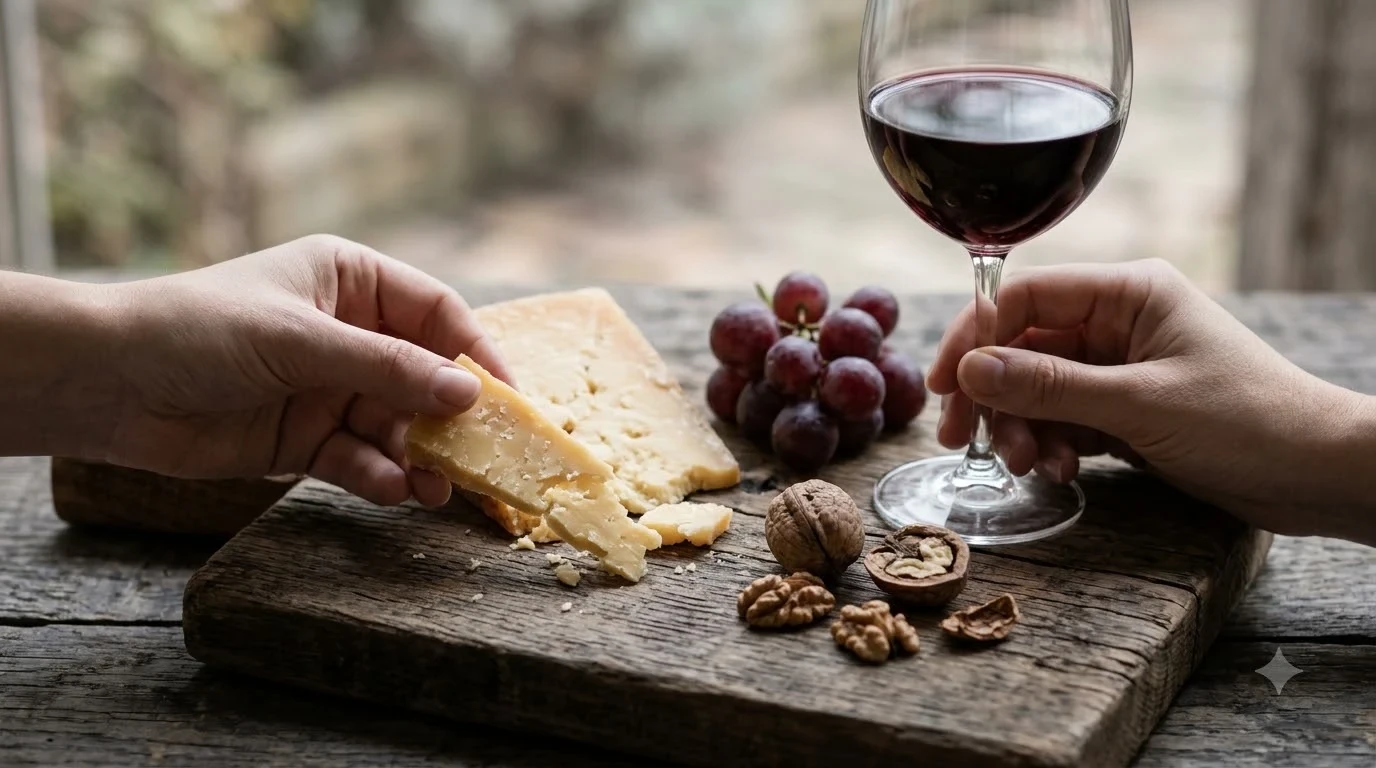
Pairing comes down to fat, salt and protein. Salt and fat soften tannin, so a steak or a rich lamb dish makes the wine feel smoother. Wine Enthusiast pairs Bordeaux-style blends with porterhouse steak, slow-roasted leg of lamb and grilled wild boar loin. Hard, aged cheeses also work well because their salt and fat soften the tannin and bring out the wine’s fruit. Avoid oily fish such as salmon with a tannic claret, since the combination clashes, and be cautious with very hot chili dishes, because alcohol and tannin amplify the heat.
Frequently Asked Questions
Is white Bordeaux considered claret?
No. Claret refers to red wine, and Bordeaux’s white wines are built mainly on Semillon, at 47 percent of the white blend, with Sauvignon Blanc at 45 percent and Muscadelle at 5 percent, according to Vins de Bordeaux. Those whites are a different style and should be judged on their own terms.
Can a wine made in California be called claret?
The phrase Bordeaux-style red blend is used for wines made in California, Washington and Argentina, according to Wine Enthusiast. AOP laws restrict the name Bordeaux to wine made in the Bordeaux area, so a California blend should carry its own origin on the label. The style can be similar even when the place is different.
How long does opened claret last in the fridge?
Opened still red wine usually keeps for 3 to 5 days when it is refrigerated and sealed. Re-cork it tightly and return it to the fridge after each pour. A leftover bottle that still tastes fresh on day three is a good sign it is holding well.
How many glasses are in a standard bottle?
A standard 750 ml bottle holds about five glasses at a 5-ounce pour. That is useful when planning a dinner, because a party of four will usually finish one bottle with a main course and a little left over. Adjust the number if your guests pour larger glasses.
How long can claret be cellared?
Wine Enthusiast gives a cellar range of 5 to 25 years for Bordeaux-style red blends. Structured, Cabernet-led bottles tend to sit at the longer end of that range, while Merlot-led bottles can be ready earlier. Store them on their side in a cool, steady place to keep the cork moist.
Claret tastes like dark fruit, cedar, firm tannin and fresh acidity, shaped by a Merlot-led or Cabernet-led blend and the soil beneath it. Serve it at 60 to 65 F, decant the young bottles, and match it with steak, lamb or other protein-rich dishes. With those basics in hand, you can read a claret label and know what to expect in the glass.
More in Wine Types & Grapes
 Zinfandel Sugar Content: Dry Red vs. White Zinfandel GramsUpdated Nov 21, 2026
 Best Zinfandel Substitute Options for Sipping and CookingUpdated Nov 21, 2026
 Zweigelt Food Pairing: Best Dishes, Cheeses, and Serving TipsUpdated Nov 21, 2026
 Zinfandel Tannins Explained: How Structure Shapes Every BottleUpdated Nov 21, 2026
 Zinfandel Sweetness Level: Dry Red vs. Sweet White Zin ExplainedUpdated Nov 21, 2026
 Xinomavro Food Pairing: Best Dishes, Styles, and Serving TipsUpdated Nov 21, 2026