


We may earn a commission when you buy through links on this page, at no extra cost to you. Learn more.
Waterford red wine glasses are premium crystal stemware designed for wine drinkers who value distinctive craftsmanship, elegant presentation, and a choice of bowl shapes and capacities. The collection includes traditional Lismore designs, contemporary Lismore Essence styles, handcrafted Mastercraft options, and more accessible Marquis patterns. The right choice depends on the wines you drink, the appearance you prefer, and how much care you are willing to give delicate crystal.
Waterford occupies a distinctive position in the premium glassware market because its wine glasses serve two purposes: presenting wine attractively and adding a decorative element to the table. Its red wine selection covers everything from generously sized bowls for full-bodied reds to smaller goblets and stemless alternatives. However, the collections differ considerably in appearance, capacity, and intended use. Understanding those differences makes it easier to choose a set that will suit your wine habits rather than purchasing crystal based on its appearance alone.
Specs and Key Features of Waterford Red Wine Glasses
Waterford’s red wine collection offers several distinct designs, with capacities ranging from smaller 9.5-ounce glasses to large 25-ounce bowls. This range gives buyers considerable flexibility, although a larger capacity does not automatically mean a better wine glass.
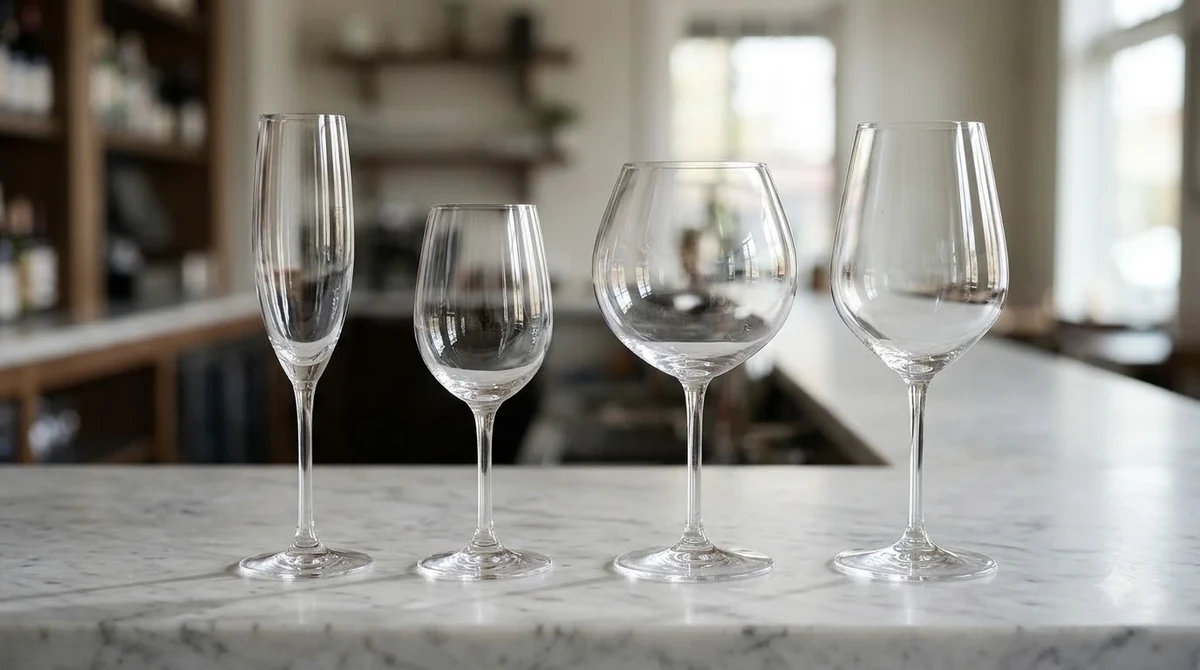
According to Waterford’s official red wine glass collection, the range includes Lismore Essence, Elegance Optic, Marquis Moments, Mastercraft Aran, Irish Lace, Opulence, and Copper Coast. These designs serve different preferences, from traditional decorative crystal to more contemporary stemware. The collection also includes stemless models for people who prefer a lower-profile glass.
The most important specification to compare is capacity. A 25-ounce bowl provides more room for swirling and releasing aromas than a 9.5-ounce glass, while a smaller glass may be more convenient for compact storage and controlled pours. Capacity describes the glass’s total volume, not the recommended amount of wine to serve.
| Collection or design | Listed capacity | Set configuration | Notable feature |
|---|---|---|---|
| Elegance Optic Big Red | 25 oz | 2 glasses | Large red wine bowl |
| Lismore Essence Stemless Deep Red | 20.5 oz | 2 glasses | Stemless construction |
| Marquis Moments | 19.5 oz | 8 glasses | Larger entertaining set |
| Lismore Essence Red Wine Goblet | 22 oz | 2 glasses | Traditional goblet appearance |
| Mastercraft Aran | 16 oz | 2 glasses | Handcrafted in Ireland |
| Mastercraft Irish Lace | 19 oz | 2 glasses | Decorative crystal design |
| Lismore Essence Stemless Light Red | 13.5 oz | 2 glasses | Smaller stemless option |
| Marquis Vector | 9.5 oz | 2 glasses | Compact traditional glass |
| Opulence | 12.5 oz | 2 glasses | Smaller red wine glass |
| Mastercraft Copper Coast | 15.5 oz | 2 glasses | Handcrafted collection |
These capacities and configurations are drawn from Waterford’s US product collection. Availability and individual product configurations can change, so buyers should compare the exact listing before ordering. The differences are especially relevant when choosing between a large-format glass for leisurely red wine drinking and a smaller glass for a more compact dining setup.
What the specifications mean in practice
A 25-ounce glass can accommodate a generous amount of air around a modest wine pour. This is useful for Cabernet Sauvignon, Syrah, and other full-bodied reds that benefit from swirling. A 19-ounce glass offers a more versatile middle ground, while a 9.5-ounce design has less room for movement and is better suited to drinkers who prefer a compact presentation.
For perspective, a standard wine serving is approximately 5 ounces. A 750 ml bottle contains approximately five such servings. Even the smallest Waterford red wine glasses can therefore accommodate a standard serving, although the available room for swirling will vary.
Waterford’s official collection also makes an important distinction between traditional stemware and stemless glasses. Both formats can be used for red wine, but they create different experiences at the table. Traditional stems allow drinkers to hold the glass without warming the wine as directly with their hands, while stemless designs are generally easier to place in informal settings.
What Owners Like About Waterford Crystal Stemware
Waterford’s strongest appeal is its combination of decorative appearance and recognizable crystal styling. Customer feedback on the Marquis Moments range highlights attractive proportions, comfortable handling, and an elegant appearance, although experiences with individual pieces are not universally positive.
One recurring attraction is the visual character of the glass. Waterford designs often feature distinctive cuts, patterns, and carefully shaped bowls that make the stemware noticeable on a dining table. This can be particularly appealing for people assembling a formal dining collection or selecting wedding and anniversary gifts.
The Marquis Moments glasses offer an example of how Waterford’s broader range can appeal to buyers who want recognizable design without choosing one of the more elaborate Mastercraft patterns. Bloomingdale’s customer feedback includes comments praising the shape and size, with some owners describing the glasses as light and elegant. Other reviewers appreciate their appearance and suitability for different wines.
Handling is another important consideration. Crystal stemware should feel balanced when lifted, with a bowl that is comfortable to support and a stem that does not feel awkward. A glass that looks impressive but feels unstable may become frustrating during an extended dinner. This is one reason to pay attention to the overall dimensions and base construction rather than focusing entirely on the pattern.
Visual presentation and wine enjoyment
Clear glass is particularly useful for appreciating red wine’s color. A glass with an unobstructed bowl makes it easier to examine the difference between the purple tones of a young Cabernet Sauvignon and the lighter ruby appearance often associated with Pinot Noir.
Bowl shape also affects how a wine is presented. A wider bowl provides more surface area for contact with air and gives the drinker room to swirl. A narrower design may concentrate the aromatic experience differently. These differences do not guarantee a dramatic improvement in wine quality, but they can influence how comfortably a person smells and drinks a particular red.
Waterford’s decorative designs also make sense for collectors who already own matching crystal pieces. Coordinating red wine glasses with other pieces from the same collection creates a more consistent table setting than combining unrelated patterns.
Where customer feedback becomes less positive
Customer comments on the Marquis Moments set also illustrate why premium branding should not replace individual quality checks. One Bloomingdale’s reviewer reported that the bases of the glasses were uneven and wobbled on the table. Another described returning the set because of concerns about quality and fragility.
These comments represent individual experiences rather than proof of a widespread manufacturing problem. Other customers report positive experiences with the same general design. Nevertheless, the feedback identifies practical things worth checking when a new set arrives: whether each base sits flat, whether the stems appear straight, and whether there are visible imperfections around the rim.
Buyers should also consider replacement availability. A decorative crystal set can become difficult to maintain as a complete collection if individual pieces are broken and the pattern is discontinued. Choosing a current, readily available collection may be more practical than buying a pattern solely because it looks attractive.
Common Complaints and Practical Limitations
Waterford red wine glasses are not the most practical choice for every household. Their decorative appearance, delicate rims, and careful cleaning requirements can make them less convenient than straightforward everyday glassware.
The first concern is breakage. Fine crystal stemware has delicate areas, especially around the rim and the connection between the bowl and stem. An accidental knock against a sink, countertop, or another glass can cause damage. People who frequently entertain large groups may find that maintaining an entire matching set requires more attention than expected.
The second concern is cleaning. Waterford’s official care guidance recommends hand-washing crystal and glass separately in warm soapy water. It warns that dishwasher heat, friction, and detergent can dull or scratch surfaces. That recommendation matters for buyers accustomed to placing every drinking glass directly into a dishwasher after dinner.
Storage creates another challenge. Large red wine bowls require more cabinet space than compact water glasses. A 25-ounce Elegance Optic glass, for example, needs enough clearance to avoid contact with neighboring pieces. Crowded shelves increase the risk of chips and accidental breakage.
Fragility and handling concerns
It is important not to confuse an elegant appearance with everyday durability. A glass can feel substantial while still having a fragile rim or stem. Crystal pieces should not be stacked unless the manufacturer specifically permits it, and they should not be squeezed into crowded cabinets.
Another potential inconvenience is the difference between individual pieces in a set. Even when glasses share the same pattern and capacity, buyers should inspect their balance and stability. The uneven-base complaint found in Marquis Moments customer feedback is a useful reminder that every glass should sit securely on a flat surface.
There is also the question of replacement. A set of eight may be attractive for entertaining, but replacing a single broken piece can be difficult if the manufacturer no longer carries that particular pattern. Buyers who want long-term consistency should investigate whether the collection remains part of Waterford’s active range.
When a different glass may make more sense
People who drink wine casually every evening may prefer simpler, less delicate stemware. Those who entertain large groups, serve wine outdoors, or frequently wash large quantities of glasses may also appreciate a more practical alternative.
Waterford is most compelling when its design and craftsmanship are meaningful parts of the purchase. If the primary requirement is a large, functional bowl for Cabernet Sauvignon, a straightforward glass from a specialist glassware manufacturer may provide the required shape with less concern about handling.
For more options across different budgets and designs, compare the recommendations in our guide to red wine glasses. A broader comparison of wine glasses can also help buyers decide whether they need dedicated red wine stemware or a versatile all-purpose set.
Who Should Buy Waterford and Who Should Skip It
Waterford is a strong choice for people who appreciate decorative crystal, prefer traditional table settings, and are comfortable hand-washing their stemware. It is less suitable for households that prioritize dishwasher convenience, inexpensive replacements, and resistance to everyday accidents.
For a formal dining room, wedding registry, or anniversary gift, the visual character of Waterford crystal can make a meaningful difference. Collections such as Lismore Essence and Mastercraft Irish Lace have distinctive appearances, while Elegance Optic offers a more contemporary direction. The range provides enough variety for buyers to select a design that complements existing dinnerware.
People who frequently serve Cabernet Sauvignon, Merlot, or Malbec may prefer a larger bowl. The 25-ounce Elegance Optic Big Red is a particularly interesting option for drinkers who want plenty of room for swirling. The 22-ounce Lismore Essence goblet is another large-format choice with a more decorative presentation.
For lighter reds such as Pinot Noir, a large bowl is not necessarily essential. A 13.5-ounce Lismore Essence Stemless Light Red glass may be more convenient for informal dining, while a traditional stemmed design offers a more formal presentation.
Buy Waterford if these priorities matter
- You enjoy the appearance of patterned crystal and want a distinctive dining table.
- You appreciate decorative stemware as part of a broader glassware collection.
- You want a gift with an established premium glassware identity.
- You are comfortable hand-washing delicate drinking glasses.
- You want to choose between traditional, contemporary, and stemless designs.
Consider alternatives if these priorities matter more
- You need glasses that can routinely go through a dishwasher.
- You prefer simple, inexpensive stemware for everyday use.
- You entertain frequently and expect occasional breakage.
- You have limited cabinet space for large wine bowls.
- You prefer minimalist glassware without decorative cuts or patterns.
There is no need to buy a complete matching collection immediately. A pair of Waterford glasses can be a sensible starting point for someone who wants premium stemware without committing to a large set. This approach also makes it easier to assess the weight, proportions, and care requirements before expanding the collection.
How Waterford Compares to Alternative Glassware Styles
Waterford occupies the decorative crystal end of the wine-glass market, but other glassware styles may be more appropriate depending on how wine is served. The most useful comparison is between decorative crystal, minimalist wine stemware, and stemless glasses.
Traditional decorative crystal emphasizes appearance and table presentation. A patterned Lismore or Mastercraft glass can become a focal point during a formal meal. By comparison, minimalist wine glasses generally place more emphasis on an unobstructed bowl, lightweight construction, and a simple shape.
Stemless glasses take a different approach altogether. They eliminate the stem and create a lower, more informal drinking experience. Waterford itself offers stemless options, including the Lismore Essence Stemless Deep Red and Stemless Light Red designs.
Traditional crystal versus minimalist stemware
The biggest difference is the visual experience. Traditional crystal can add decoration to a table even when it is not being used. Minimalist stemware is more discreet and often works across different dining styles.
For people who want to examine wine color, aroma, and clarity, an uncomplicated bowl may be preferable. However, decorative cuts do not automatically prevent someone from appreciating a wine. The practical question is whether the pattern and shape are compatible with the way the glass will be used.
Buyers looking at specialist alternatives should compare the bowl opening, overall height, rim thickness, weight, and cleaning requirements. Two glasses with identical capacities can feel quite different because of their proportions.
Stemmed versus stemless Waterford glasses
Stemmed glasses are generally preferable for more formal wine service because they provide a natural place to hold the glass without wrapping a hand around the bowl. This can help limit heat transfer from the hand to the wine.
Stemless glasses are convenient for informal meals and may be easier to store in some cabinets. They are also less likely to be knocked over through accidental contact with a long stem, although they can still break if dropped or struck.
The Lismore Essence Stemless Deep Red has a 20.5-ounce capacity, giving it substantial room despite its shorter design. The 13.5-ounce Stemless Light Red is a more compact alternative. These options demonstrate that stemless glassware does not necessarily have to be small or limited to casual water service.
For additional stemless options and their practical differences, see our comparison of stemless wine glasses.
Choosing according to the wine
Wine style should influence glass selection more than the prestige of a particular pattern. Cabernet Sauvignon generally benefits from a generous bowl because its structure and tannin can make a little additional aeration useful. Merlot is usually softer, while Pinot Noir is typically more delicate and benefits from a glass that allows its aromas to develop without overwhelming the wine.
Syrah and other fuller-bodied reds can also work well in large bowls. The key is to leave enough empty space above the wine for swirling and aroma collection. Filling a large crystal bowl close to its rim removes much of the practical advantage of its capacity.
Serving temperature matters too. Light reds are commonly served around 55 to 60 degrees Fahrenheit, while full-bodied reds are generally served around 60 to 65 degrees Fahrenheit. A well-chosen glass cannot compensate for serving wine at an unsuitable temperature.
How to Care for and Store Waterford Crystal Wine Glasses
Waterford recommends careful hand-washing for its crystal and glass products, using warm soapy water and a lint-free drying cloth. Good handling habits are especially important around the rim, bowl, and stem because these areas are vulnerable to accidental damage.
Begin by washing each glass separately rather than placing several pieces together in a crowded sink. Use warm water and mild dish soap, and avoid abrasive pads or cleaning products that may scratch the surface. Rinse thoroughly so detergent residue does not remain inside the bowl.

When drying, support the bowl carefully without twisting it against the stem. Waterford specifically warns that applying opposing pressure to these sections can cause damage. The same principle applies when handling a wet glass: use a steady grip rather than attempting to twist the bowl free from a cloth.
A practical cleaning routine
- Clear the sink and surrounding area before washing to prevent glasses from knocking against other objects.
- Use warm water with a small amount of mild dish soap.
- Wash each glass separately, supporting the bowl and stem carefully.
- Rinse thoroughly with clean water to remove detergent residue.
- Dry with a clean, soft, lint-free cloth, avoiding pressure between the bowl and stem.
- Allow the glasses to finish drying in a stable position before putting them away.
- Inspect the rims and bases before storing each glass.
Tip: Hold a Waterford glass by its bowl while drying, but never twist the bowl and stem in opposite directions. This simple adjustment reduces unnecessary stress on the stem and its connection to the bowl.
Dishwasher considerations
Waterford’s official crystal and glass care guide warns that dishwasher heat, friction, and detergent can dull or scratch crystal and glass. Hand-washing is therefore the sensible default for buyers who want to preserve decorative finishes and avoid unnecessary handling risks inside a dishwasher.
Although some Waterford drinkware products may have specific dishwasher-safe designations, that should not be assumed for every wine glass. The exact product’s care instructions matter. For premium decorative stemware, hand-washing remains the more cautious approach.
The manufacturer also warns against sudden temperature changes. Avoid putting a chilled glass directly into very hot water or pouring a hot liquid into a cold crystal vessel. Such temperature differences can cause cracking or breakage.
Storage and cabinet organization
Waterford advises against turning its glasses upside down during drying or storage because the rim is the most fragile part of the product. A stable upright storage arrangement is preferable, provided the glasses are protected from accidental contact with other items.
Leave adequate space between individual glasses. Large bowls, particularly the 25-ounce Elegance Optic design, need more room than compact models. Avoid placing heavy objects on shelves above exposed stemware where accidental movement could cause damage.
For long-term storage, consider using padded dividers or dedicated glassware storage compartments. These help keep individual pieces separated and reduce the likelihood of chips caused by repeated contact. If the glasses are used only for special occasions, inspect them periodically for dust and residue before serving wine.
More broadly, buyers exploring the different manufacturers and styles available in premium stemware can consult our overview of glassware brands before deciding whether Waterford is the right match for their collection.
Frequently Asked Questions
Are Waterford red wine glasses made from lead crystal?
The specific material composition can differ between Waterford product lines, and the general red wine collection listing does not establish the lead content of every individual glass. Buyers concerned about material composition should consult the product’s detailed specifications or contact Waterford directly. Do not assume that every glass marketed under the Waterford name has identical material characteristics.
Can Waterford red wine glasses be engraved?
Waterford promotes personalized engraving as an option across selected wine glass products. Availability depends on the individual design and personalization service. Engraving is particularly relevant for wedding gifts, anniversaries, and commemorative occasions, but buyers should confirm the eligible products before purchasing.
How many Waterford wine glasses should a household own?
A household that regularly serves two people may find a pair of matching red wine glasses sufficient for ordinary dinners. A household that entertains six guests may prefer six or eight matching glasses to avoid mixing designs during a meal. The ideal number also depends on storage capacity and how frequently the glasses are used.
Do Waterford wine glasses make suitable wedding gifts?
Waterford stemware can be a suitable wedding gift because its decorative patterns work well in formal dining collections. A matching pair is a practical choice for a couple, while a larger set may be more appropriate for people who regularly host dinners. Coordinating the pattern with the recipients’ existing dinnerware is a useful way to make the gift more personal.
Can Waterford red wine glasses be used for white wine?
Yes. A red wine glass can also serve white wine, although its larger bowl may allow a smaller pour to warm more quickly than a narrower white wine glass. This is less important for casual service than for temperature-sensitive wines. For a dedicated white wine collection, Waterford also offers separate white wine glass designs.
Waterford red wine glasses are best suited to buyers who value decorative crystal, distinctive designs, and a more formal wine-serving experience. The large Elegance Optic and Lismore Essence designs are appealing for generous red wine bowls, while the stemless and Marquis options offer different approaches to everyday entertaining. Compare the shape, capacity, care requirements, and overall appearance before choosing a set, and select the collection that fits both your favorite wines and your household’s approach to glassware.
More in Wine Glasses
 Zwiesel Glas Champagne Flutes for Durable Everyday Sparkling WineUpdated Nov 20, 2026
 Vera Wang Crystal Wine Glasses: Design, Quality and Buying AdviceUpdated Nov 20, 2026
 West Elm White Wine Glasses: Compare Designs for Better Everyday Wine ServiceUpdated Nov 20, 2026
 Zalto Stemless Wine Glasses: Discover Their Distinctive DesignsUpdated Nov 20, 2026
 Viski Champagne Glasses That Match Your Style and Sparkling WineUpdated Nov 20, 2026
 Vista Alegre Decanter Review: Crystal Style and Wine ServiceUpdated Nov 20, 2026