

We may earn a commission when you buy through links on this page, at no extra cost to you. Learn more.
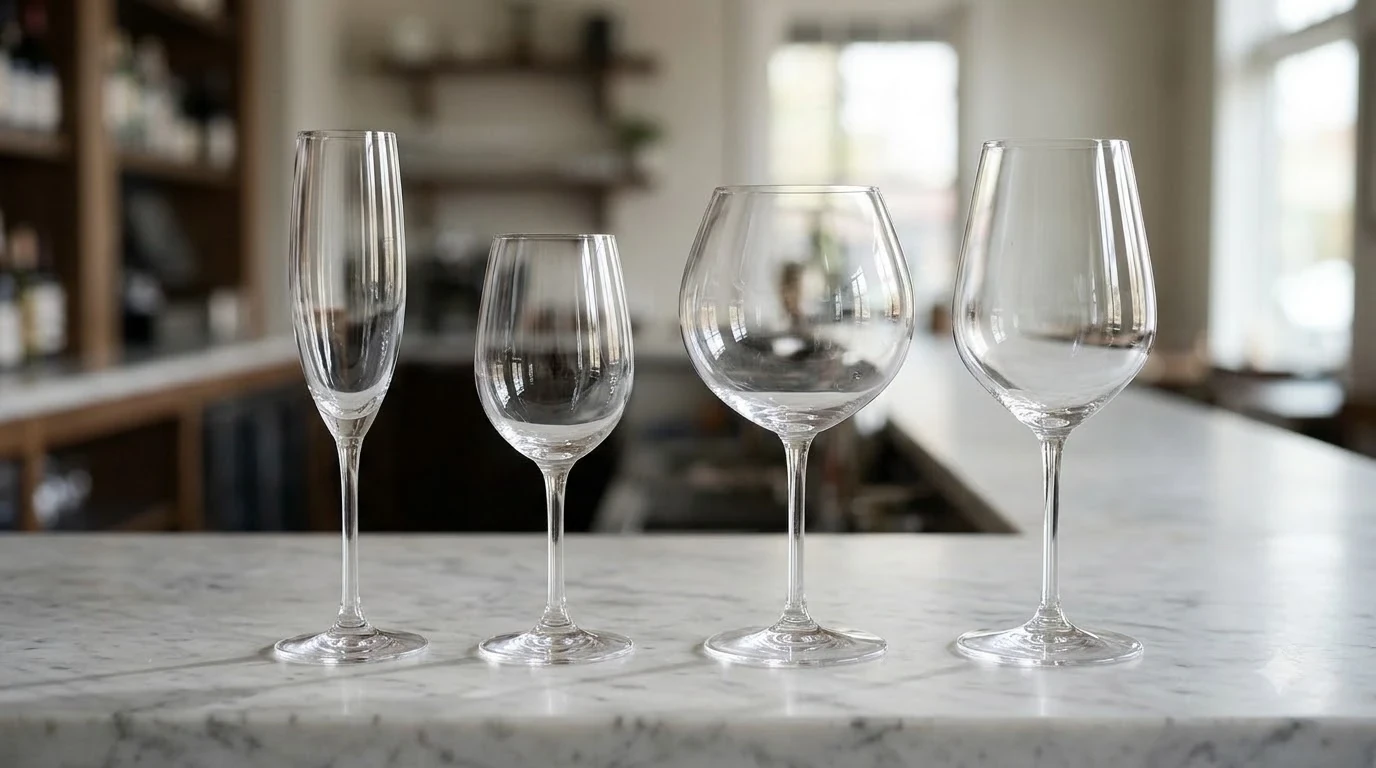
Walmart wine glasses are a practical choice for everyday drinking, casual entertaining, and stocking a kitchen without spending heavily on specialty stemware. The selection includes traditional Mainstays glasses, larger stemless designs, Better Homes & Gardens styles, and alternatives made from plastic or Tritan. The best choice depends on your preferred wine styles, storage space, serving habits, and how frequently you use your glasses.
Shopping for wine glasses at Walmart means choosing from a broad assortment rather than committing to one dedicated glassware collection. Mainstays offers straightforward everyday options, while Better Homes & Gardens provides more decorative designs and larger bowls. The important distinction is that capacity, shape, material, and package size matter more than appearance alone. A simple 12.75-ounce stemmed glass can be perfectly suitable for a regular dinner, while a larger 17-ounce bowl or stemless design may better suit someone who prefers a roomier serving vessel.
Specs and Key Features
Walmart’s wine glass selection is strongest in practical everyday formats, particularly traditional stemmed glasses and uncomplicated stemless designs. Mainstays provides accessible basic options, while Better Homes & Gardens expands the assortment with flared bowls, ribbed finishes, and larger capacities.
The Mainstays Alto is a useful starting point for shoppers who want conventional wine glasses without decorative details. Its listed capacity is 12.75 ounces, and Walmart offers it in a four-piece package. The Classic version has the same stated capacity and comes in a 12-piece set, making it particularly relevant for households that entertain frequently or want a larger matching collection. Shoppers can examine the Mainstays Alto 12.75-ounce wine glass listing for its product description and package details.
For a more relaxed presentation, Mainstays offers a clear stemless wine glass with a 17-ounce capacity. This is a larger vessel than the Alto, although its increased capacity does not mean that every serving should be larger. A standard wine pour remains approximately 5 ounces regardless of the glass’s maximum capacity. The additional room provides space above the wine and makes the glass suitable for a variety of casual serving situations.
Better Homes & Gardens provides another direction. Its clear flared red wine glasses have a listed 17-ounce capacity, while its clear flared white wine glasses have a 13-ounce capacity. The distinction gives shoppers an opportunity to select different bowl proportions for different wine styles rather than using identical vessels for every bottle.
| Option | Capacity | Package | Best use |
|---|---|---|---|
| Mainstays Alto | 12.75 oz | 4 glasses | Everyday stemmed service |
| Mainstays Classic | 12.75 oz | 12 glasses | Household entertaining |
| Mainstays Stemless | 17 oz | 4 glasses | Casual everyday drinking |
| Better Homes & Gardens Flared Red | 17 oz | 4 glasses | Fuller red wine styles |
| Better Homes & Gardens Flared White | 13 oz | 4 glasses | White wine service |
| Mainstays Champagne Flute | 6 oz | 4 glasses | Sparkling wine service |
These capacities and package configurations provide a useful comparison, but they do not establish glass thickness, exact dimensions, crystal composition, or dishwasher compatibility. Those characteristics should be evaluated separately for the particular listing. Walmart’s assortment also changes between sellers and product availability, so shoppers should distinguish manufacturer specifications from general category descriptions.
One important limitation is that a larger capacity does not automatically make a glass better for wine. A 17-ounce glass can accommodate a generous bowl and plenty of space above the liquid, but a well-proportioned smaller glass can be more convenient for controlled serving and everyday storage. For a standard 5-ounce pour, both sizes provide sufficient capacity.
For a household choosing one versatile set, the Alto is the straightforward traditional option. The stemless Mainstays design is more appropriate for shoppers who prioritize compact handling and a contemporary appearance. Better Homes & Gardens offers a more distinctive alternative for people who want different glass shapes for red and white wines.
What Owners Like
The strongest appeal of Walmart’s everyday wine glass selection is its combination of familiar shapes, straightforward functionality, and multiple package sizes. Mainstays provides practical options for regular household use, while Better Homes & Gardens adds visual variety without requiring shoppers to select specialist glassware.
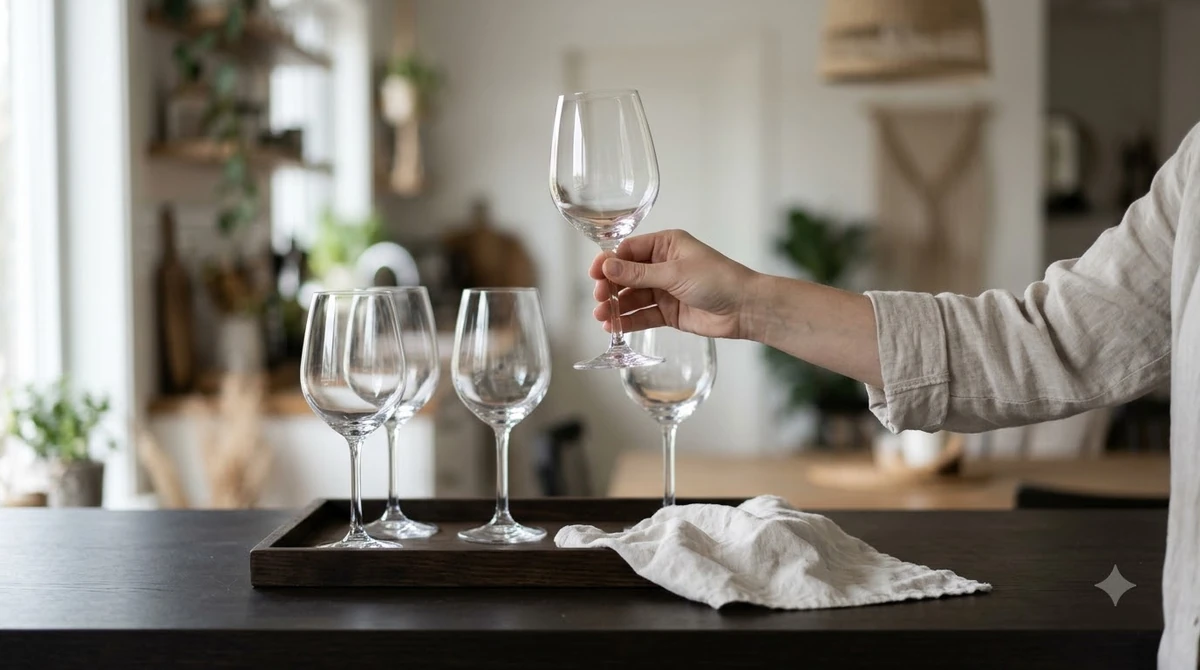
The Mainstays Alto has a conventional stem, recognizable bowl, and uncomplicated appearance. These features make it an easy match for ordinary dinnerware and table settings. A clear glass also allows the color of wine to remain visible, which is useful for appreciating the appearance of a young Pinot Noir, a deep Cabernet Sauvignon, or a pale Sauvignon Blanc.
The four-piece format is another practical advantage. It provides enough glasses for a small household or a dinner with several guests without creating a large storage commitment. Someone who regularly hosts larger gatherings may prefer the 12-piece Mainstays Classic set, which provides a more substantial matching collection.
Stemless glasses appeal to a different type of buyer. Their shorter overall profile can be easier to fit into some cupboards, and the absence of a stem removes one component that might otherwise be damaged during everyday handling. They also create a more informal appearance, particularly for outdoor meals, relaxed evenings, and casual gatherings.
Everyday convenience and visual appeal
Better Homes & Gardens offers more variety for people who want their glassware to contribute to the appearance of a table. A flared 17-ounce red wine glass creates a more generous silhouette, while a 13-ounce white wine glass offers a smaller format. Ribbed designs add texture and decorative interest, especially when paired with simple plates and neutral table linens.
Another advantage is the availability of specialty formats. Mainstays champagne flutes provide a separate vessel for sparkling wine, while plastic and Tritan alternatives offer options for settings where ordinary glass may be less convenient. This variety makes it possible to build a functional collection around different occasions.
However, retailer listings should be interpreted carefully. Product descriptions and owner feedback can help identify recurring preferences, but they do not establish laboratory-tested durability or guarantee that every package will arrive without damage. Glass thickness, packaging quality, and handling during delivery can all influence an individual purchase.
For the best assessment of owner experiences, look for repeated comments about the same practical characteristics rather than relying on one enthusiastic or negative review. Useful details include whether the glass feels balanced, whether the rim is comfortable, whether the bowl fits a standard dishwasher rack, and whether several glasses in a set appear consistent.
Common Complaints
The main compromises with inexpensive everyday wine glasses involve handling, design refinement, and uncertainty about product-specific construction. A simple glass may perform its basic job well while lacking the thin rim, delicate balance, or carefully developed bowl shape found in specialist stemware.
One concern is breakage. Conventional stemmed glasses have a narrow connection between the bowl and base, and the stem requires careful handling during washing and storage. A poorly arranged dishwasher rack can cause glasses to collide, while twisting a drying cloth inside a bowl can put unnecessary pressure on the glass.
Stemless glasses remove the stem but introduce a different compromise. Because the hand surrounds the bowl, fingerprints and temperature transfer can become more noticeable. This is particularly relevant with chilled white wines and rosé, which are generally served cooler than red wines. A stemmed glass makes it easier to hold the vessel without warming the wine through direct contact with the bowl.
Another possible disappointment is the difference between advertised capacity and practical serving space. A 17-ounce glass does not need to be filled close to its rim. Wine benefits from adequate headspace, and filling a large bowl too generously leaves little room for swirling or collecting aromas. A glass with a smaller capacity can therefore be entirely adequate for a typical pour.
Appearance and wine performance
Decorative finishes may also divide buyers. Ribbed, colored, smoke-tinted, and unusually shaped glasses can complement a particular dining room, but they are not necessarily the most versatile choice for evaluating wine. Clear, relatively neutral glass makes it easier to observe color and clarity, which is especially helpful when comparing different bottles.
Specialist glassware offers another point of comparison. RIEDEL’s explanation of glass design describes how the bowl influences aroma delivery, while rim diameter and bowl depth affect how wine reaches the palate. These design principles help explain why an inexpensive general-purpose glass will not necessarily reproduce the same experience as a varietal-specific glass.
That difference should be kept in perspective. A conventional Mainstays glass can still serve Merlot, Chardonnay, Riesling, or sparkling wine perfectly adequately in an everyday setting. The question is whether a buyer expects simple practical service or a vessel designed to emphasize particular wine characteristics.
There can also be uncertainty about cleaning instructions. Not every glass sold through the same retailer necessarily shares the same construction or care requirements. A shopper should not assume that one model’s dishwasher compatibility applies to every other glass in the assortment.
For these reasons, Walmart’s inexpensive options are best evaluated as individual purchases rather than as one uniformly constructed product family. Look for specific information about material, dimensions, rim construction, and cleaning instructions before deciding which set offers the right balance of convenience and appearance.
Who Should Buy and Who Should Skip
Walmart wine glasses make the most sense for shoppers who want practical household glassware, need matching sets for regular dinners, or prefer having several glasses available without investing in specialist stemware. They are less suitable for buyers whose main priority is exceptionally thin crystal, precise varietal-specific design, or an elaborate formal presentation.
The Mainstays Alto is a sensible starting point for someone who drinks a variety of wines and wants a conventional stemmed shape. Its 12.75-ounce capacity is sufficient for a standard 5-ounce pour, with room remaining above the wine. The four-piece package is also a practical size for a small household.
People who regularly host larger dinners may find the 12-piece Mainstays Classic set more convenient. Having matching glasses for several guests creates a consistent table presentation, and keeping an additional glass or two available is useful when one needs washing during a gathering.
The 17-ounce Mainstays stemless option is worth considering for people who prefer a contemporary, informal style. It is particularly relevant for households that favor shorter glassware and do not want to handle delicate-looking stems during everyday use. However, buyers who frequently serve cool whites or rosé may prefer the temperature-control advantages of stemmed glasses.
When another type of glass makes more sense
Someone who primarily drinks Cabernet Sauvignon, Syrah, or other fuller-bodied reds may prefer a larger-bowled glass with enough room for swirling. The Better Homes & Gardens 17-ounce flared red design is a reasonable category to investigate for this purpose. A more specialized option may still be preferable for someone particularly interested in aromatic development and detailed wine evaluation.
For Sauvignon Blanc, Pinot Grigio, and Riesling, a smaller white wine format is often convenient. The 13-ounce Better Homes & Gardens flared white option provides a distinct alternative to the larger red glass. Its capacity is more than adequate for a typical serving while allowing room above the wine.
People who frequently serve Champagne, Cava, or Prosecco should also consider dedicated sparkling wine glassware. Mainstays offers 6-ounce flutes, which provide a different presentation from conventional wine glasses. A flute is useful for sparkling service, although a tulip-shaped glass can provide more room for examining aromas.
Buyers who prioritize formal dinner service, extremely delicate rims, or carefully matched varietal-specific bowls may want to consider specialist glassware instead. A useful starting point is to compare the broader selection of wine glasses before settling on an everyday set.
Similarly, people who regularly serve structured reds can compare dedicated red wine glasses to determine whether a more generous bowl would suit their drinking preferences. Those who prioritize informal use can explore stemless wine glasses for a wider range of short-stem and stem-free designs.
There is no reason to pay for specialized glassware if ordinary drinking habits do not justify it. The better decision is to match the glass to the occasion, the wines being served, and the amount of care the household is prepared to provide.
How It Compares to Alternatives
Walmart’s wine glasses compete most directly with other everyday glassware rather than with premium specialist collections. The important comparisons are between basic stemmed designs, stemless alternatives, larger decorative bowls, and purpose-built wine glasses from specialist manufacturers.
Within Walmart’s selection, Mainstays and Better Homes & Gardens serve slightly different priorities. Mainstays focuses on uncomplicated household formats, while Better Homes & Gardens includes flared and ribbed designs that add more visual character. Both can suit everyday wine service, but the appropriate choice depends on whether appearance or basic functionality is more important.
The Alto’s 12.75-ounce capacity is relatively compact compared with the 17-ounce stemless Mainstays option and the 17-ounce Better Homes & Gardens red wine glass. This difference is relevant for storage, pouring, and the amount of room available above a serving. It does not mean that the larger models automatically deliver better wine performance.
Everyday glass versus specialist stemware
Specialist manufacturers place greater emphasis on the relationship between glass shape and wine characteristics. RIEDEL explains that bowl proportions influence bouquet, texture, flavor perception, and finish. Its approach to varietal-specific glassware demonstrates why a glass designed around a particular grape can provide a more tailored experience than a general-purpose vessel.
For example, Pinot Noir generally benefits from a different balance of bowl shape and aroma concentration than a fuller Cabernet Sauvignon. Riesling has its own requirements because its acidity, aromatic character, and possible residual sweetness can influence the preferred glass shape. A simple everyday glass can accommodate all these wines, but it will not necessarily emphasize their differences in the same way.
Libbey provides another useful comparison because its care guidance illustrates the importance of handling instructions across ordinary glassware. Its recommendations include allowing glassware to reach room temperature before washing, separating individual glasses in the dishwasher, and avoiding sudden temperature changes. These are useful practices regardless of whether the glass is inexpensive or more specialized.
For a shopper comparing brands and styles, the broader Glassware Brands selection can provide additional context about different manufacturers and glassware approaches. This is particularly useful when the main purchase decision involves long-term durability, rim refinement, or specialized wine service rather than simply adding more glasses to a cupboard.
Glass, Tritan, and plastic alternatives
Material is another important difference. Traditional glass provides clarity and a familiar drinking experience, making it the most straightforward choice for ordinary indoor wine service. Tritan and other plastic alternatives may be preferable for situations where breakage is a greater concern, although the appearance and drinking experience can differ from conventional glass.
Walmart’s broader assortment includes plastic stemless glasses and Tritan designs. These products are relevant for outdoor dining, casual parties, and settings where transporting ordinary stemware would be inconvenient. However, the word unbreakable in a product description should not be treated as a guarantee against every kind of damage. Product-specific construction and care requirements remain important.
Disposable plastic glasses are a separate category. They can simplify cleanup for large gatherings, but they are not equivalent to reusable glassware in appearance, weight, or long-term use. A reusable stemless glass is generally the more appropriate choice for someone who wants casual convenience without treating each occasion as a single-use event.
The best comparison is therefore based on intended use. Mainstays is a practical choice for everyday households, Better Homes & Gardens offers more decorative variety, and specialist manufacturers are relevant when wine-specific glass design is a major priority.
Care, Storage, and Everyday Use
Good handling habits can make ordinary wine glasses last longer and preserve their appearance. Washing carefully, preventing sudden temperature changes, and storing glasses where they cannot collide are more useful than assuming that a particular price or design guarantees durability.
Begin by washing every new glass before its first use. Use warm water, a mild dish detergent, and a soft sponge or brush. Avoid abrasive cleaning pads, which can leave marks and weaken the surface over repeated use.
For handwashing, support the bowl gently and avoid twisting the stem while holding the base. This matters particularly for conventional stemmed designs such as the Mainstays Alto and the Better Homes & Gardens flared glasses. A gentle rinse is preferable to forcing water through a glass under excessive pressure.
For dishwasher use, first establish whether the particular model is marked as dishwasher safe. Libbey’s official glassware care and handling instructions recommend placing compatible stemware on the top rack, leaving space between glasses, and following the dishwasher manufacturer’s directions.
Tip: Never twist a towel inside a wine glass to dry it. Hold the bowl securely, use a microfiber cloth, and dry the outside separately. This reduces unnecessary pressure on the bowl and stem.
Temperature and storage
Sudden temperature changes can damage glassware. Avoid pouring a chilled beverage into a glass that has just come out of a hot dishwasher, and do not expose a cold glass to hot water immediately. Let the glass return to room temperature before washing or using it in a different temperature environment.
For storage, keep glasses in a cupboard with enough clearance to prevent contact with neighboring items. Stemmed glasses should not be crowded together, and heavy kitchen equipment should never rest against their bowls or stems. Stemless designs can be easier to arrange in some cabinets, although their wider bowls still require adequate space.
Do not stack conventional wine glasses unless the manufacturer specifically designed them for stacking. Pressure from another glass can create scratches or chips, particularly around the rim. A dedicated glassware shelf or divided cabinet provides a better long-term arrangement.
Serving wine in the right glass
Capacity is only one part of a good serving experience. A standard 5-ounce pour provides a practical reference point, leaving enough room in most wine glasses for aromas to collect above the liquid. A 12.75-ounce Alto, a 13-ounce white wine glass, and a 17-ounce stemless design can all accommodate this serving size.
Serving temperature also matters. Sparkling wine is generally served at 40–50 F, light whites and rosé at 45–50 F, fuller whites at 50–55 F, and light reds at 55–60 F. Fuller reds are generally served at 60–65 F. The glass should complement the wine rather than dictate a different serving temperature.
Clear stemmed glasses are particularly convenient when serving several different wines during a meal. They allow guests to compare colors and provide a familiar way to hold the glass by its stem. Stemless glasses work well for informal settings but may require a little more attention when serving chilled wine.
For someone building a collection gradually, starting with four matching stemmed glasses is a sensible approach. Additional stemless glasses, champagne flutes, or larger red wine glasses can be added later if actual serving habits justify them.
Frequently Asked Questions
Can Walmart wine glasses be used for wine tasting?
Yes, clear, clean wine glasses can be used for informal tasting sessions. For a structured comparison, use the same glass shape for every sample so that differences in presentation do not become an additional variable. Professional tasting environments often favor standardized glassware, but an ordinary clear glass is sufficient for learning to recognize basic aromas and flavors.
Do wine glasses need to be polished before serving?
Polishing is optional, but it can remove water spots and fingerprints that affect presentation. Use a clean microfiber cloth rather than paper towels, which may leave lint behind. For particularly noticeable mineral deposits, a gentle rinse with clean water followed by careful drying can improve clarity.
Why do some wine glasses have a narrower opening?
A narrower opening can concentrate aromas near the nose and influence how wine is delivered to the palate. The effect depends on the overall relationship between the bowl, opening, and wine style. This is one reason specialist manufacturers develop different shapes for grapes such as Riesling, Pinot Noir, and Cabernet Sauvignon.
Should matching wine glasses have identical weights?
Matching glasses do not have to weigh exactly the same, particularly when production tolerances allow minor differences. However, noticeably uneven construction, an unstable base, or a visibly irregular rim can indicate a quality-control problem. When buying a multi-piece set, comparing the glasses side by side before putting them into regular use is a sensible precaution.
Can wine glasses be used for cocktails and desserts?
Many conventional wine glasses can also serve fruit desserts, layered puddings, and simple mixed drinks. Their clear bowls make colorful ingredients visible, and their capacity provides flexibility for different presentations. However, avoid using delicate stemware for drinks that require vigorous muddling or striking ingredients against the inside of the glass.
Walmart wine glasses are a sensible option for shoppers who prioritize everyday practicality, accessible designs, and convenient package sizes. The Mainstays Alto is a straightforward stemmed choice, while the 17-ounce stemless design and Better Homes & Gardens alternatives offer different approaches to casual and more varied wine service. Choose according to capacity, shape, material, and care requirements, and a simple everyday set can serve a household well without requiring specialist glassware.
More in Wine Glasses
 Zwiesel Glas Champagne Flutes for Durable Everyday Sparkling WineUpdated Nov 20, 2026
 Vera Wang Crystal Wine Glasses: Design, Quality and Buying AdviceUpdated Nov 20, 2026
 West Elm White Wine Glasses: Compare Designs for Better Everyday Wine ServiceUpdated Nov 20, 2026
 Zalto Stemless Wine Glasses: Discover Their Distinctive DesignsUpdated Nov 20, 2026
 Viski Champagne Glasses That Match Your Style and Sparkling WineUpdated Nov 20, 2026
 Vista Alegre Decanter Review: Crystal Style and Wine ServiceUpdated Nov 20, 2026