

We may earn a commission when you buy through links on this page, at no extra cost to you. Learn more.
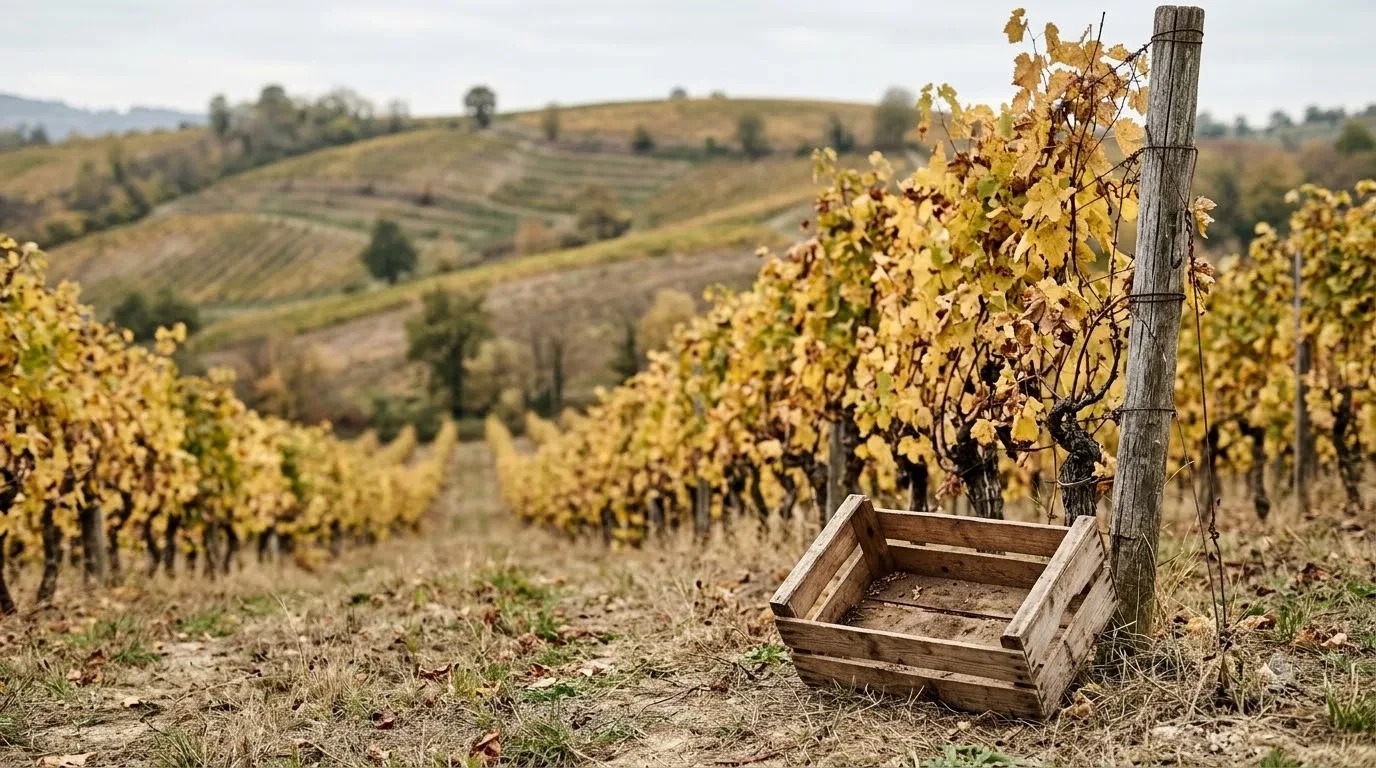
Vosne Romanee vineyards are the Pinot Noir sites of Vosne-Romanée, a village on the Côte de Nuits in Burgundy, France, that makes some of the most sought-after red wines in the world. The village has six grand cru vineyards and a long list of premier cru sites, and nearly all of its celebrated wines are made from Pinot Noir. Knowing which vineyard a bottle comes from explains why two wines from neighboring sites can taste so different.
This guide covers where the vineyards sit, which named sites matter most, how the slope shapes the wine, and how to serve and pair these bottles at home.
Where Vosne-Romanée Sits in Burgundy
Vosne-Romanée is a commune in the Côte-d’Or department of eastern France. It lies in the Côte de Nuits, a stretch of the Côte d’Or that reference material often describes as the heart of red Burgundy. Burgundy’s most prized Pinot Noir vines grow on a narrow, east-facing slope just south of Dijon, and the village’s vineyards are part of that slope.
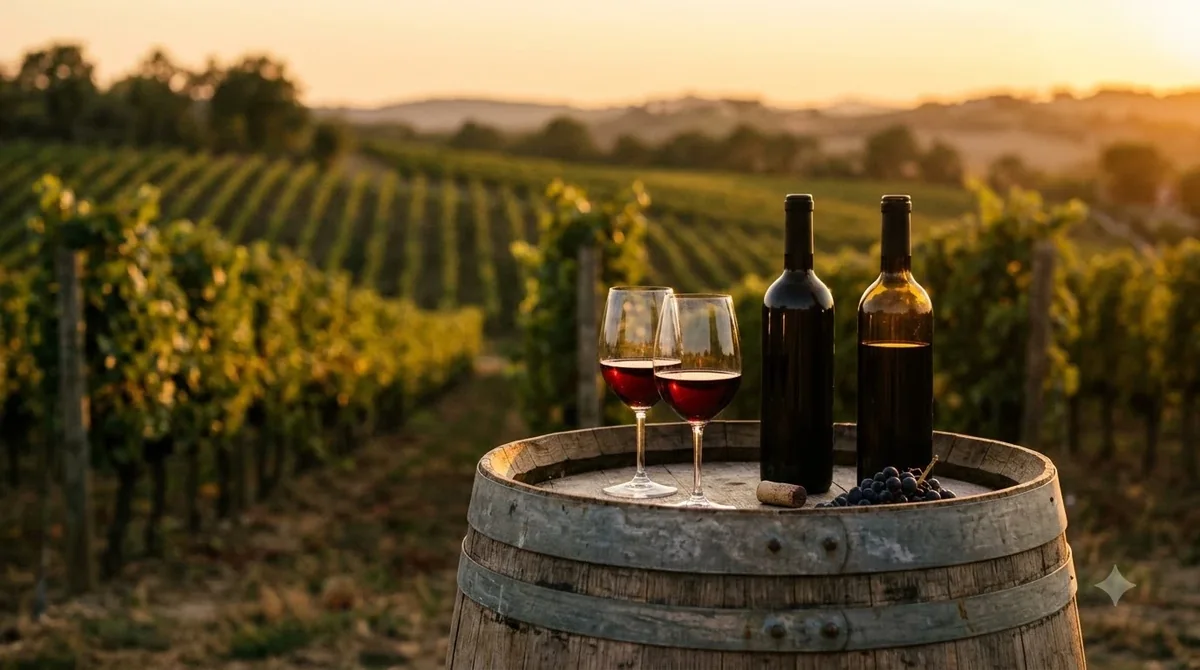
The Côte de Nuits is known mainly for red wine, while the Côte de Beaune to the south makes more white wine, including Chardonnay. That split matters when you read a Burgundy label, because a bottle from the Côte de Nuits is almost certain to be red and built around Pinot Noir.
Vineyards on these hillsides were first tended by Cistercian monks in the Middle Ages. Over centuries, growers and monasteries learned which plots gave the best wine, and those observations became the basis of the classification used today.
The Six Grand Cru Vineyards
Vosne-Romanée has six grand cru vineyards, the highest tier in the Burgundy classification. Four of them are monopoles, meaning a single estate owns the whole site, while at least forty growers share the village’s vineyards overall. The table below lists each grand cru with its area and ownership.
| Grand cru | Area | Ownership |
|---|---|---|
| Romanée-Conti | 1.8 ha | Domaine de la Romanée-Conti (monopole) |
| La Tâche | 6 ha | Domaine de la Romanée-Conti (monopole) |
| La Romanée | 0.84 ha | Domaine du Comte Liger-Belair (monopole) |
| Richebourg | 8 ha | Shared by 10 growers |
| Romanée-Saint-Vivant | 9.5 ha | Domaine de la Romanée-Conti owns over half |
| La Grande Rue | 1.4 ha | Domaine Lamarche (monopole), promoted from premier cru in 1992 |
Grand cru labels in Burgundy often show only the vineyard name, such as Richebourg or La Tâche, without the village name. Knowing the six grand crus of Vosne-Romanée by heart makes it easier to spot them on a wine list or in a shop.
Small size goes a long way toward explaining the reputation. A site under two hectares, such as Romanée-Conti, has very little wine to sell, so demand far outruns supply. Richebourg is larger and shared by ten growers, which means the name on the label tells you a great deal about how that bottle was made.
Premier Cru Sites and Village Wines
Below the grand crus, the village has many premier cru vineyards. The names that come up most often in reference material include Les Gaudichots, Les Malconsorts, Les Suchots, Cros Parantoux, Les Chaumes, and Clos des Réas, the last a monopole of Domaine Michel Gros. On a label, a premier cru usually appears as the village name followed by the vineyard name, so a bottle reading Vosne-Romanée Les Suchots points to a specific premier cru site.
Wines labeled simply as Vosne-Romanée come from parcels that are not classified above village level. They are usually the most approachable bottles from the village and a sensible place to start if you want to learn the house style before buying a named site.
Tip: When a grand cru bottle comes from a shared vineyard such as Richebourg, the producer matters as much as the site. The same vineyard can taste quite different from one estate to another, so compare producers, not just names.
Slope, Soil and What Shapes the Wine
Burgundy producers often use the French word terroir to describe the combined effect of soil, slope, exposure, climate and the way a grower works the land. In Vosne-Romanée, the slope and exposure give each plot its own drainage and sun, and growers treat individual parcels with care because the results can differ sharply from one row to the next.
The character of these vineyards comes from the slope, the exposure and the individual plot as much as from the grape itself. Two sites only a short distance apart can produce wines with very different structure, which is why the named vineyards carry so much weight with buyers and collectors.
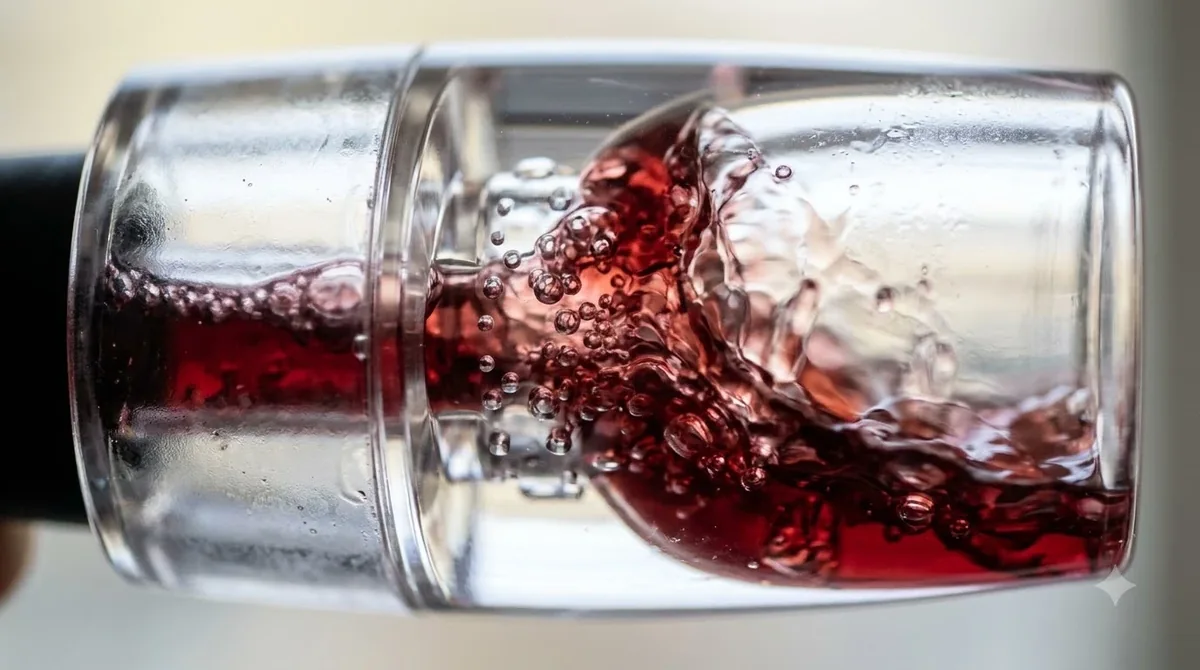
Pinot Noir has thin skins, so its color is usually pale to medium rather than deep. The grape’s sensitivity to site means each vineyard leaves a clear mark on the glass, and tasting two neighboring bottles side by side is one of the most useful exercises for learning Burgundy.
How to Serve and Pair Vosne-Romanée Wines
Burgundy Pinot Noir is typically light to medium-bodied, with low tannins and high acidity. Its flavors often include raspberry, cherry, mushroom and a hint of vanilla from oak. Wine Folly’s Pinot Noir guide recommends serving it at 55–60°F (12–15°C), slightly cooler than room temperature, so the aromas stay lively and the acidity stays fresh.
Duck is the classic pairing, because the wine’s acidity cuts through the richness of the fat. Mushroom dishes and roast chicken are also reliable choices. If you enjoy the bright fruit of Pinot Noir, Santa Ynez Valley vineyards offer a different expression of the same grape.
| Style | What to expect | Serving note |
|---|---|---|
| Village Vosne-Romanée | Approachable, fruit-forward, a clear introduction to the village | Serve cool, within the 55–60°F range |
| Premier cru | More structure and depth, with the vineyard’s character more visible | Give it a few minutes in the glass to open up |
| Grand cru | The most complex and age-worthy wines from the village | Decant older bottles gently to separate sediment |
How to Choose a Vosne-Romanée Bottle
Start with the level of the wine. A village bottle gives a clear sense of the house style at a more modest level of investment, while a premier cru or grand cru shows how much a specific vineyard can add. If you are buying for a meal rather than a collection, a village or premier cru bottle often fits better than a grand cru, which is usually better saved for a special occasion or long cellaring.
Check the producer, the vintage and the storage history. Burgundy quality changes from year to year with weather at flowering and harvest, so a good producer in a poor vintage can disappoint. Buying from a shop that stores its bottles in a cool, dark space helps protect the wine, and storing bottles on their side keeps the cork moist.
Frequently Asked Questions
Is Vosne-Romanée a village or a region?
Vosne-Romanée is a village, or commune, within the Côte de Nuits. A label that reads Vosne-Romanée generally means the wine comes from vineyards in that village.
Why are Romanée-Conti wines so expensive?
Romanée-Conti is a monopole of 1.8 hectares owned by Domaine de la Romanée-Conti. With so little land and only one owner, the amount of wine available each year is very small, and demand from collectors is high.
Do all Vosne-Romanée wines come from Pinot Noir?
Yes, the village’s celebrated wines are all made from Pinot Noir. The grape is the basis for its grand cru and premier cru bottles as well as its village-level wines.
What should I serve with a bottle from Vosne-Romanée?
Serve it slightly cooler than room temperature, around 55–60°F. Duck, mushroom dishes and roast chicken pair well because the wine’s acidity balances rich flavors without overwhelming delicate ones.
For a broader look at how Burgundy fits among the world’s great wine regions, read the Wine Regions guide. Start with a village bottle to learn the style, then move to a premier or grand cru once you know which qualities you want to compare.
More in Wine Regions
 Willcox Wine Trail: Discover Arizona’s High-Elevation Wine CountryUpdated Nov 20, 2026
 Yakima Valley Wine Region: Find the Best Styles to TryUpdated Nov 20, 2026
 Vosne Romanee Wine Tasting: Identify Aromas and Choose Better PairingsUpdated Nov 20, 2026
 Yakima Valley Wine Festival: Find the Best Seasonal Wine EventsUpdated Nov 20, 2026
 Wales Vineyards: Discover Cool-Climate Wines and Where to VisitUpdated Nov 20, 2026
 Yountville Wine Festival: Discover Napa Wines and Local FoodUpdated Nov 20, 2026