

We may earn a commission when you buy through links on this page, at no extra cost to you. Learn more.
Typical viognier alcohol content sits between 13.5% and 15% ABV, placing this aromatic white grape among the fuller-bodied, higher-alcohol dry white wines on the market. Because Viognier requires a long, warm growing season to develop its signature stone-fruit and floral compounds, the grapes accumulate high natural sugar levels that ferment into substantial alcohol. Cooler-climate examples occasionally dip to around 12.2% to 13% ABV, while warm-climate bottlings from regions like Paso Robles or South Australia regularly reach the upper end of the 15% range.
Understanding why Viognier carries more alcohol than crisp whites like Pinot Grigio or Sauvignon Blanc helps you anticipate how a bottle will feel on the palate and behave at the dinner table. Whether you are shopping for a bright, unoaked pour or a rich, barrel-fermented style, checking the alcohol by volume on the label gives you an immediate clue about body, texture, and warmth.
What It Is
Viognier (pronounced vee-own-yay) is a full-bodied white wine grape originating in France’s Northern Rhône Valley that produces dry, richly textured wines with high natural alcohol and low to medium-low acidity. Unlike light, zesty whites built around sharp citrus snap, Viognier relies on viscous weight, perfumed aromatics, and round mouthfeel to hold your attention.
Genetically related to Syrah, Viognier has long been prized for its unmistakable aromatic intensity, driven by natural grape-skin terpenes such as linalool, geraniol, and nerol alongside fermentation esters. In its ancestral homeland of Condrieu and Château-Grillet, the variety nearly vanished in the 1960s when fewer than 30 acres remained planted due to its notoriously low yields and sensitivity to vineyard conditions. Today, roughly 40,000 acres are cultivated worldwide across France, Italy, the United States, Chile, South Africa, Argentina, and Australia.
Despite its lush, sweet-smelling bouquet of ripe peach and blossoms, the vast majority of Viognier is fermented completely dry. Because the grape naturally drops acidity quickly as it ripens, winemakers face a narrow harvest window: picking too early leaves the wine thin and muted, while waiting for full aromatic maturity pushes sugar levels high and yields an alcohol by volume between 13.5% and 15%, placing it well above many lighter options in our Wine by Type overview.
Flavor and Styles
Viognier delivers a concentrated wave of tangerine, ripe peach, apricot, mango, honeysuckle, and rose petal, wrapped in a distinctly oily, mid-palate texture. Depending on how a winemaker handles fermentation and aging, the wine splits into two main stylistic camps that affect both flavor and perceived alcohol warmth.
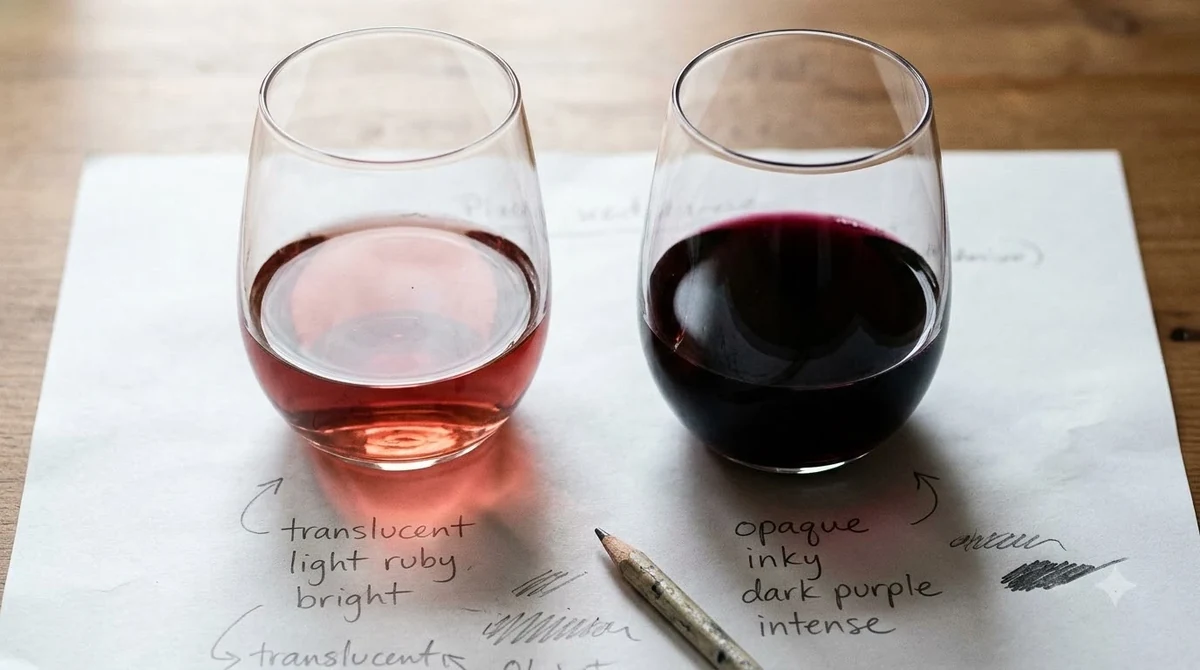
Unoaked, stainless-steel-fermented Viognier emphasizes pure fruit and floral lift. According to Wine Folly’s comprehensive guide to Viognier, cooler fermentations between 16 and 22 degrees Celsius help preserve delicate esters and fresh stone-fruit character. These cleaner expressions still carry full body and dry structure, often finishing with a subtle, pleasant bitterness reminiscent of biting into a fresh rose petal or peach skin, and they tend to sit closer to 13% to 14% ABV.
Oak-aged Viognier takes a broader, creamier direction. When producers ferment or age the wine in oak barrels—often incorporating extended skin contact and lees stirring—the wine picks up notes of vanilla, clove, nutmeg, and toasted spice that mirror fuller-bodied Chardonnay. Warm-climate harvests meant for barrel aging frequently land between 14% and 15% ABV, where the higher alcohol amplifies the wine’s glyceric weight and gives it a plush, coating finish. In rare instances, late-harvest versions retain slight residual sweetness, though fortified or nobly sweet bottlings are virtually nonexistent compared to styles like ice wine alcohol content or tawny port alcohol content.
| Viognier Style | Typical ABV | Primary Tasting Notes | Body and Texture |
|---|---|---|---|
| Cool-Climate / Unoaked | 12.2% – 13.8% | White peach, tangerine, orange blossom, rose petal | Medium-full body, silky, subtle pithy finish |
| Classic Northern Rhône | 13.5% – 14.5% | Apricot, honeysuckle, ripe pear, subtle spice | Full body, oily mid-palate, balanced warmth |
| Warm-Climate / Oak-Aged | 14.2% – 15.0% | Mango, candied peach, vanilla, nutmeg, toast | Rich, creamy, viscous, pronounced warmth |
Where It Grows
France remains the global leader in Viognier plantings with over 21,800 acres, followed by Italy, the United States, Chile, South Africa, Argentina, and Australia. Where the grape is grown directly governs how fast sugars accumulate and how much natural acidity survives until harvest, creating predictable regional differences in alcohol level.
In the Northern Rhône Valley, steep granite slopes in Condrieu and Château-Grillet yield benchmark expressions with concentrated apricot and floral aromatics, typically clocking in around 13.5% to 14.5% ABV. Further south in the Languedoc-Roussillon, warmer temperatures produce generous, accessible bottlings labeled Pays d’Oc, while in Côte-Rôtie, winemakers are permitted to co-ferment up to 20% white Viognier with red Syrah to stabilize color and add aromatic lift.
Across the United States—home to roughly 3,659 acres—Paso Robles and California’s Central Coast produce opulent, sun-ripened Viogniers that frequently reach 14.5% to 15% ABV. Conversely, Virginia, Washington’s Columbia Valley and Walla Walla, and cooler pockets like Michigan produce brighter, more restrained versions ranging from 12.2% to 14% ABV. In the Southern Hemisphere, Australia’s Eden Valley and Adelaide Hills alongside South Africa’s Stellenbosch and Elgin rely on elevation or ocean breezes to keep night temperatures cool, preserving freshness even when alcohol climbs above 14%.
How to Serve
Viognier tastes best lightly chilled between 50°F and 55°F (10°C to 13°C), cool enough to keep its high alcohol feeling crisp and poised, yet warm enough to release its fragrant terpenes. Serving it ice-cold straight from a standard refrigerator mutes the floral bouquet and highlights the slight phenolic bitterness on the finish.
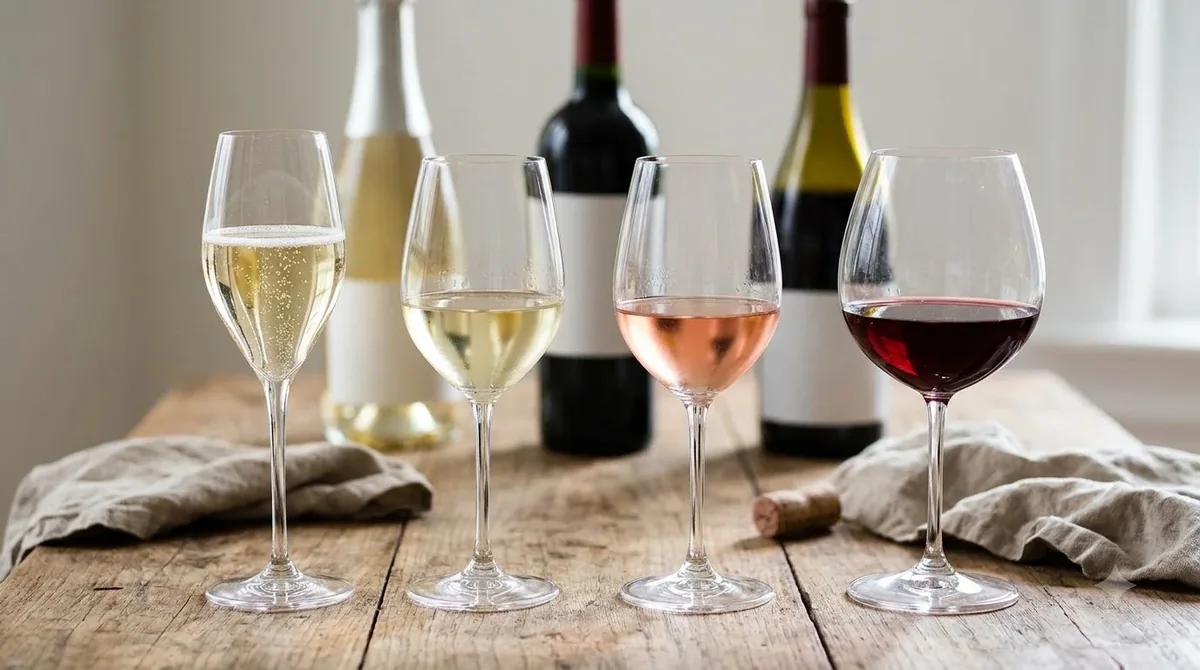
For younger, unoaked bottlings, aim for the cooler side of the range around 50°F to 52°F after roughly 90 minutes in the fridge. For richer, barrel-aged expressions, Wine Enthusiast’s wine serving temperature guide recommends serving closer to 55°F—about one hour in the fridge—so the creamy texture and spice aromatics can open properly. Letting a bottle warm past 60°F causes the low acidity to feel heavy and makes 14.5% alcohol read as hot on the back of the throat.
Pour Viognier into a medium-sized white wine glass or a classic stemmed Chardonnay bowl, which gives the volatile floral aromas room to swirl without letting the wine warm too quickly in your hand. Decanting is rarely necessary, though giving a dense, oak-aged bottle 15 to 20 minutes of air in the glass helps soften any initial alcohol vapor. Once opened, recork the bottle and store it in the refrigerator; Viognier’s low acidity makes it prone to oxidation, so it is best finished within one to two days.
Tip: If your bottle has been sitting in a 38°F kitchen refrigerator overnight, pull it out 15 to 20 minutes before pouring so the floral aromatics wake up before your first sip.
Food Pairing
Because Viognier combines higher alcohol with low acidity and intense fruit aromatics, it pairs best with richly textured, mildly spiced, or subtly sweet-savory dishes rather than sharp, vinegar-heavy plates. High-acid vinaigrettes or tart tomato sauces can make a 14.5% ABV Viognier taste flat and alcoholic by contrast.
Instead, lean into dishes that echo the wine’s stone-fruit and spice profile. Moroccan chicken or lamb tagine cooked with apricots, toasted almonds, and saffron matches Viognier’s lush mid-palate while the gentle spices absorb its alcohol warmth. Mildly spiced Southeast Asian curries built on coconut milk, ginger, lemongrass, and Thai basil also work remarkably well, as the creamy base cushions the wine’s weight and tames moderate chili heat.
For simpler weeknight meals, roast pork tenderloin with peach glaze, seared sea scallops with brown butter, lobster, or crab cakes complement Viognier’s oily texture without overwhelming its floral lift. On a cheese board, skip sharp, acidic goat cheeses and reach for triple-cream Brie, Camembert, or nutty aged Gruyère, all of which harmonize with the wine’s roundness.
How to Choose a Bottle
Reading the back label and checking the stated ABV percentage is the fastest way to predict whether a bottle of Viognier will lean crisp and floral or plush and oaky. Even a single percentage point difference—say, 13.5% versus 14.8%—signals noticeably different ripeness at harvest and texture in the glass.
If you prefer a fresher, more versatile white for sipping or lighter seafood, look for bottles listing 13% to 13.8% ABV from cooler or moderated appellations such as Virginia, Washington State, Elgin in South Africa, or Adelaide Hills in Australia. Tasting notes mentioning stainless steel, white peach, citrus blossom, and minerality point toward an unoaked style with cleaner lines.
If you enjoy full-bodied, barrel-aged Chardonnay and want maximum richness, look for bottles at 14% to 15% ABV from Paso Robles, California’s Central Coast, Barossa’s Eden Valley, or Northern Rhône’s Condrieu. Keywords like French oak, sur lie aging, vanilla, and toasted brioche confirm a weightier, higher-alcohol profile. Finally, check the vintage date: unlike fortified wines covered in our marsala alcohol content guide, most Viognier is built for immediate enjoyment within one to three years of harvest while its fragile floral aromatics remain vibrant.
Frequently Asked Questions
Is Viognier considered a high-alcohol wine?
Yes, among unfortified dry white wines, Viognier is considered high in alcohol, typically measuring between 13.5% and 15% ABV. Because the grape needs extended warmth to develop its floral and stone-fruit aromas, high grape sugars routinely ferment into fuller alcohol levels than crisp whites like Sauvignon Blanc or Riesling.
Does higher ABV make Viognier taste sweet?
No, almost all Viognier is fermented completely dry with zero or negligible residual sugar. However, the combination of 14% to 15% alcohol, low acidity, and intense ripe peach and honeysuckle aromas creates a lush, round sensation on the palate that many drinkers perceive as fruity richness rather than literal sweetness.
Why does Viognier have more alcohol than Pinot Grigio?
Pinot Grigio is usually harvested early in cooler climates to preserve tart acidity, resulting in lighter wines around 12% to 13% ABV. Viognier develops its signature terpene aromatics very late in the ripening cycle, forcing growers to leave fruit on the vine longer until sugar concentration is substantially higher.
Can you age high-alcohol Viognier?
Most Viognier is best consumed young within one to three years of the vintage date so you experience its fresh floral and stone-fruit bouquet at its peak. Only top-tier, concentrated bottlings from prestigious appellations like Condrieu have the structure to evolve gracefully for five to ten years, developing notes of honey and dried apricot.
Paying attention to viognier alcohol content makes it easy to match the bottle to your palate and menu before you ever pull the cork. Whether you choose a bright 13.5% ABV unoaked expression or a velvety 14.8% ABV barrel-aged pour, serving it lightly chilled at 50°F to 55°F keeps its signature aromatics in clear focus.
More in Wine Types & Grapes
 What Does Mourvèdre Taste Like? Flavor Profile, Regions, and PairingsUpdated Nov 20, 2026
 What Does Marsanne Taste Like? Flavors, Styles, and Food PairingsUpdated Nov 20, 2026
 What Does Malvasia Taste Like? Styles, Flavors, and Food PairingsUpdated Nov 20, 2026
 What Does Grenache Blanc Taste Like? Flavor Profile, Styles, and PairingsUpdated Nov 20, 2026
 What Does Garnacha Taste Like? Key Flavors, Styles, and Pairing TipsUpdated Nov 20, 2026
 What Does Fruit Wine Taste Like? A Complete Flavor and Style BreakdownUpdated Nov 20, 2026