

We may earn a commission when you buy through links on this page, at no extra cost to you. Learn more.
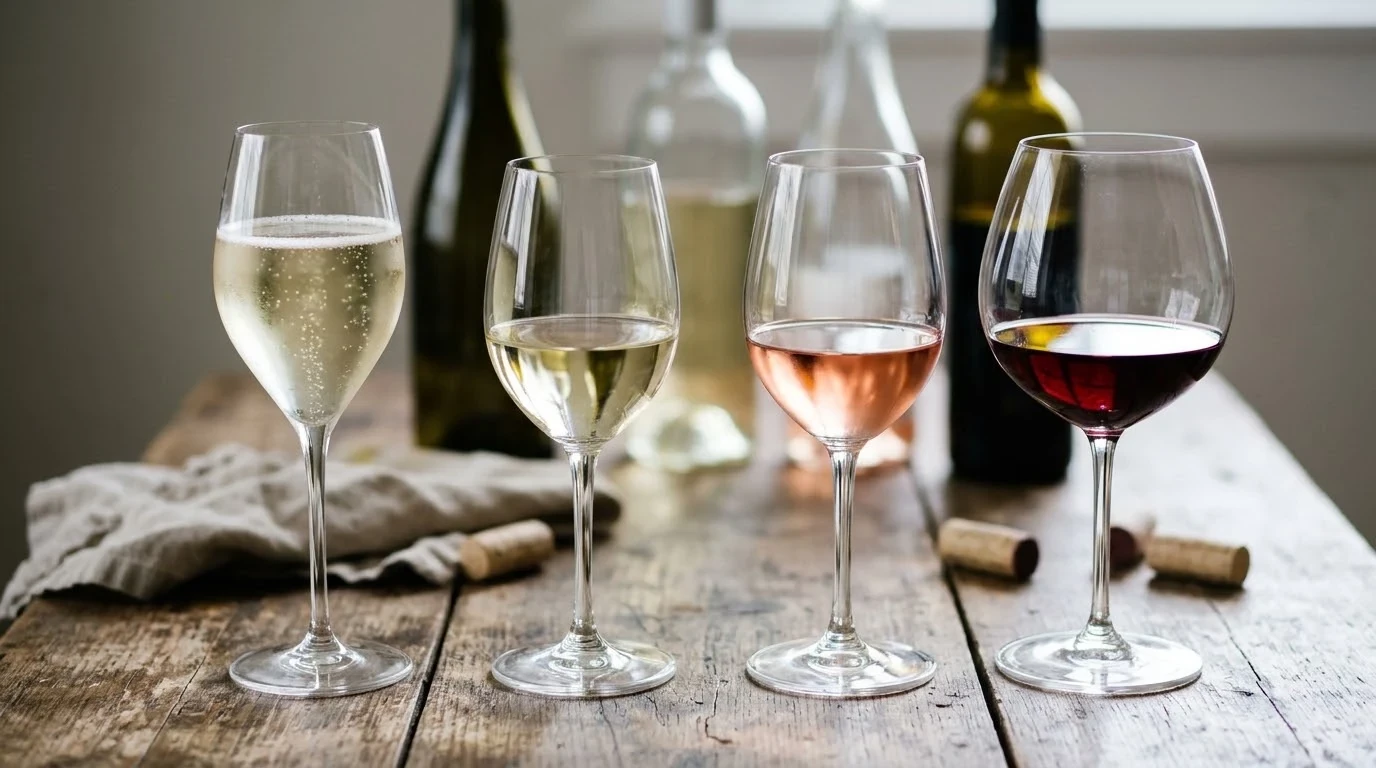
Vinho Verde wine tasting introduces you to some of Portugal’s freshest and most versatile wines, known for lively acidity, expressive fruit, and refreshing character. Produced in the country’s northwestern Vinho Verde region, these wines include crisp whites, aromatic rosés, structured reds, and sparkling selections. Understanding the native grapes, regional differences, and tasting characteristics makes it easier to recognize the styles you enjoy and choose bottles for different meals.
Vinho Verde is often associated with simple, lightly fizzy white wine, but the region offers considerably more variety than that familiar style suggests. Some bottles are light and citrus-driven, while others have concentrated stone-fruit flavors, mineral depth, and enough structure to develop in the cellar. A good tasting explores these differences rather than treating every bottle as the same kind of refreshing summer wine. This guide explains what to look for, how to compare the major grapes, and how to make the most of a Vinho Verde tasting.
Understanding Vinho Verde and Its Portuguese Origins
Vinho Verde is a protected wine region in northwestern Portugal, not a grape variety or a designation that requires wine to be green. Its name comes from the region’s lush landscape, and its wines reflect a combination of Atlantic influence, native grapes, and varied vineyard conditions. The region’s reputation for freshness is well deserved, but its wines can also show considerable depth and complexity.
The Vinho Verde demarcated region was established in 1908, according to the official regional material. It stretches from the Atlantic coast toward the Spanish border, with the Minho River marking much of its northern boundary and the Douro River running through its southern area. Rivers including the Lima, Ave, and Cávado also influence the landscape and local growing conditions.
Rainfall is plentiful in many parts of the region, and temperatures are generally mild. Atlantic breezes help maintain freshness, while the landscape’s predominantly granitic soils contribute to the character of many wines. Some vineyards also contain shale, clay, alluvial deposits, and other soil types. These differences help explain why two wines carrying the same regional designation can have noticeably different aromas, textures, and levels of concentration.
The European Union recognizes Vinho Verde as a Protected Designation of Origin. The designation covers still wine, sparkling wine, and quality sparkling wine. Producers work with a range of permitted native grapes, and the finished wines can be white, rosé, or red.
For a tasting, this distinction matters because the regional name identifies origin rather than a single flavor profile. A light white blend and a structured Alvarinho may share the same designation while offering very different drinking experiences. Similarly, a red Vinho Verde made from Vinhão is not expected to resemble a delicate coastal white. The official Vinho Verde regional overview provides a useful introduction to the area’s geography, grape varieties, and different wine styles.
Wine drinkers interested in comparing different Portuguese regions can also explore our Wine Regions overview for additional geographical and stylistic context.
The Nine Subregions and Their Distinctive Wine Styles
Vinho Verde contains nine recognized subregions: Amarante, Ave, Baião, Basto, Cávado, Lima, Monção e Melgaço, Paiva, and Sousa. Their differences in altitude, rainfall, Atlantic exposure, and grape selection create distinct expressions of Portuguese wine.
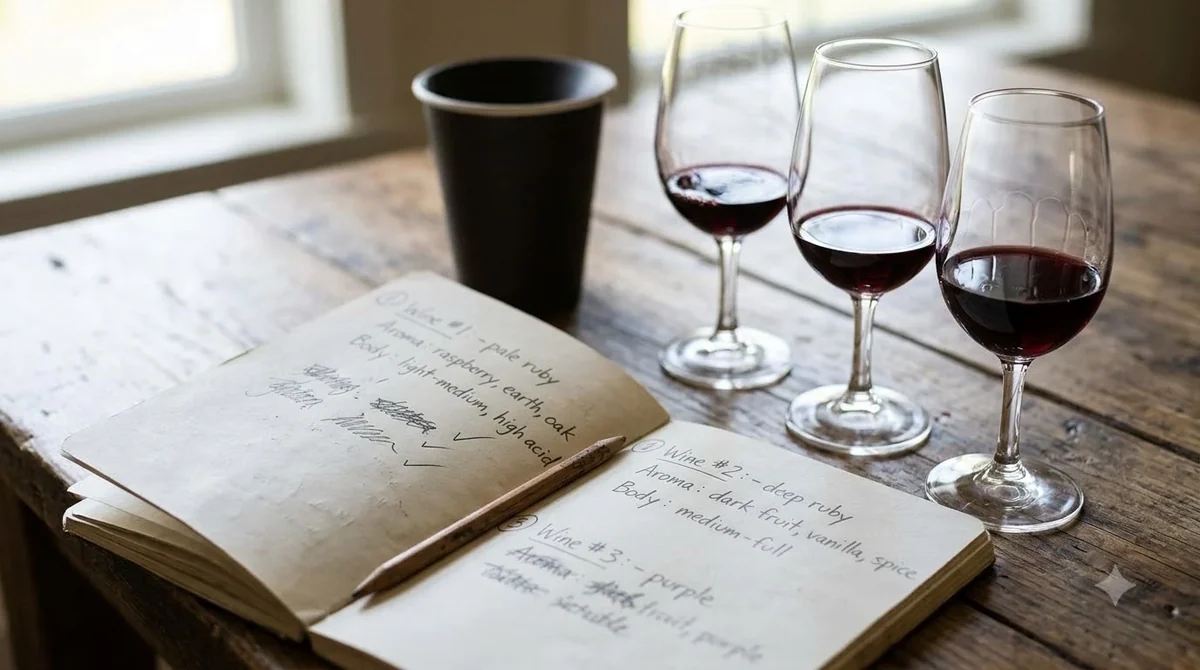
Coastal areas generally experience stronger maritime influence, while vineyards farther inland can receive more sunshine and experience warmer, drier conditions. This contrast is particularly useful during a comparative tasting because it helps explain differences in ripeness, body, and aromatic intensity.
Monção e Melgaço is especially important for Alvarinho. Located in the northern part of the region near Spain, this area is relatively protected from direct Atlantic influence. Its wines can have pronounced citrus, peach, tropical fruit, and floral aromas, with substantial texture and a mineral finish. Serious examples may also develop honeyed and savory characteristics with bottle age.
Lima is closely associated with Loureiro, an aromatic grape known for floral notes and crisp acidity. Wines from this area can show lime, citrus blossom, laurel, and delicate white fruit. The region’s relatively high rainfall makes vineyard conditions important, since overly productive vines can produce less concentrated wines.
Baião is increasingly recognized for Avesso. Its position farther inland supports a different balance of ripeness and freshness, producing wines with more body, stone-fruit character, and a rounded palate. Producers use Avesso in blends and increasingly as a single-variety wine.
Amarante and Basto also provide useful comparisons. Amarante is associated with varieties such as Azal and Avesso, while Basto is known for grapes including Azal and Batoca. These inland areas can produce wines with a more substantial texture than the lightest coastal examples.
The remaining subregions, Ave, Cávado, Paiva, and Sousa, contribute further variation through different vineyard conditions and grape combinations. Their wines may emphasize floral aromas, citrus freshness, red-fruit character, or greater body, depending on the varieties and winemaking approach.
A practical tasting exercise is to compare an Alvarinho from Monção e Melgaço with a Loureiro-led wine from Lima and an Avesso from Baião. Taste them side by side and note the differences in acidity, fruit ripeness, weight, and finish. This approach gives a clearer picture of regional identity than tasting three similar commercial blends.
The Main Grapes to Recognize During a Tasting
Vinho Verde’s identity depends heavily on its native grape varieties, particularly Alvarinho, Loureiro, Avesso, Arinto, Azal, and Trajadura. Each contributes a different combination of aroma, acidity, body, and texture, making grape identification one of the most useful skills to develop during a tasting.
Alvarinho is one of the region’s most recognized white grapes. It is known for concentrated aromas of lemon, grapefruit, peach, tropical fruit, and white flowers. Its acidity gives the wine energy, while its fuller texture can create a more substantial palate than many traditional Vinho Verde whites. In Monção e Melgaço, it can produce particularly expressive varietal wines.
Look for a combination of ripe citrus and stone fruit rather than expecting only sharp lemon flavors. A well-made example may have a rounded middle palate, a mineral impression, and a long finish. Some producers also use lees aging, skin contact, or oak to add complexity.
Loureiro offers a different experience. Its name refers to laurel, and its aromatic profile can include bay leaf, lime, white flowers, citrus blossom, and fresh pear. The grape is particularly associated with the Lima subregion. In blends, Loureiro contributes perfume and freshness, while single-variety bottlings allow its floral character to become more prominent.
Avesso is useful when comparing body and acidity. It commonly delivers ripe peach, tropical fruit, and green almond characteristics, with a fuller mouthfeel than many traditional regional whites. Its combination of ripeness and freshness makes it suitable for more structured wines and certain barrel-aged examples.
Arinto is valued for its naturally high acidity. Citrus, green apple, and occasionally a slightly bitter finish can appear in the glass. Producers use it to provide structure and freshness, especially in warmer inland locations.
Azal is a late-ripening grape associated with crisp acidity and green-apple character. Its freshness makes it useful in blends, particularly where other grapes contribute more body or ripe fruit.
Trajadura provides a softer counterpoint. Expect pear, delicate blossom, and a rounder texture. Its body can balance the sharper acidity of varieties such as Alvarinho and Loureiro.
Red grapes deserve attention, too. Vinhão produces deeply colored wines with dark berries, earthy nuances, strong acidity, and noticeable structure. Espadeiro and Padeiro contribute lighter red-fruit styles, while Alvarelhão is associated with lighter ruby-colored wines.
Tip: During a tasting, write down the grape variety before recording your flavor impressions. Compare Alvarinho for concentration, Loureiro for floral aromatics, and Avesso for body. These three provide an especially useful introduction to the region’s white wines.
White, Rosé, Red, and Sparkling Vinho Verde
White wine is the style most commonly associated with Vinho Verde, but the designation includes several categories. Understanding their differences helps prevent a tasting from becoming a comparison of wines that were never intended to taste alike.
Traditional white Vinho Verde is generally light, fresh, and aromatic. It often features citrus, green apple, white peach, and floral notes, with lively acidity and sometimes a gentle spritz. These wines are particularly appealing as aperitifs and alongside seafood or light meals.
More concentrated white wines can show a different side of the region. Alvarinho and Avesso are especially useful varieties to explore for additional body and ripe fruit. Some producers ferment or age their wines in barrels, while others use stainless steel and lees contact to preserve freshness while adding texture.
Rosé Vinho Verde ranges from pale pink to deeper pink or pale ruby. Strawberry, cherry, and other red-fruit aromas are common, accompanied by a refreshing palate. These wines can be dry and crisp, making them suitable for grilled seafood, salads, and casual outdoor meals.
Red Vinho Verde has a longer history than many American wine drinkers realize. Historically, red wines were prominent in the region, with Vinhão playing an important role. Traditional examples can be deeply colored, high in acidity, and structured, while newer styles may emphasize softer tannins, lighter color, and fresher fruit.
Sparkling Vinho Verde provides another option. The regional designation includes sparkling and quality sparkling wines, offering alternatives to still wines for celebrations and aperitif service. The exact production approach and texture vary by bottle.
It is also important to understand the difference between natural fermentation-related bubbles and deliberately introduced carbonation. Some traditional wines have a slight spritz, but modern producers may add carbon dioxide during bottling. Many premium examples are completely still, so effervescence should never be treated as a requirement of the designation.
The following table provides a practical comparison of the main styles and typical tasting expectations.
| Wine style | Typical appearance | Common tasting characteristics | Suggested serving temperature |
|---|---|---|---|
| Young white | Pale straw or lemon | Lime, green apple, citrus, floral notes | 45–50°F |
| Structured white | Deeper straw or gold | Peach, tropical fruit, mineral notes, fuller texture | 50–55°F |
| Rosé | Pale pink to deeper pink | Strawberry, cherry, fresh red fruit | 45–50°F |
| Light red | Light ruby | Red berries, herbs, fresh acidity | 55–60°F |
| Structured red | Deep ruby | Dark berries, earthy notes, noticeable tannin | 60–65°F |
| Sparkling | Pale yellow or pink | Citrus, fresh fruit, lively bubbles | 40–50°F |
These are practical serving guidelines rather than mandatory regional rules. The official regional material gives recommendations in Celsius that vary by category, with many whites served between 46°F and 54°F and reds generally served warmer.
How to Taste Vinho Verde and Identify Its Aromas
A structured Vinho Verde tasting follows four basic stages: appearance, aroma, palate, and finish. Moving through these stages in order makes it easier to recognize differences between grape varieties, regions, and production methods.
Start with appearance. Pour a small sample into a clean wine glass and observe the color against a white background. Young whites commonly appear pale lemon or straw yellow. More concentrated or developed whites can have golden reflections. Rosé ranges from pale pink to deeper shades, while Vinhão-based reds can show intense ruby or purple coloring.
Look for bubbles as well. A gentle stream of small bubbles may indicate a lightly spritzy style, but their absence does not mean the wine is less authentic. Some of the region’s more structured wines are completely still.
Move to the aromas. Swirl the glass gently and take a few short breaths. Begin with broad categories such as citrus, green fruit, stone fruit, tropical fruit, flowers, and herbs. Then identify more specific notes.
For example, lime, lemon, grapefruit, and green apple may suggest a particularly crisp white. Peach, pear, mango, and passion fruit can indicate a riper aromatic profile. Elderflower, jasmine, and citrus blossom are useful floral descriptors, especially when assessing Loureiro-led wines.
Mineral is another commonly used tasting description. It may refer to a stony, saline, or chalk-like impression rather than a literal flavor of rock. Describe what you actually perceive instead of assuming that every wine from granite soils must taste identical.
Assess the palate. Take a moderate sip and allow the wine to coat your mouth. Consider acidity, body, alcohol, sweetness, and texture separately. High acidity is one of the region’s defining characteristics, but it does not mean every wine tastes equally sharp.
Pay attention to the relationship between fruit and acidity. A Loureiro may feel particularly floral and linear, while an Alvarinho can offer a broader middle palate and more concentrated fruit. An Avesso may seem rounder and fuller without losing its freshness.
Sweetness also deserves attention. Many Vinho Verde whites are dry, although sweetness levels vary by producer and wine. Ripe fruit aromas do not automatically mean that a wine contains significant residual sugar. Distinguish perceived fruitiness from actual sweetness on the palate.
Finish with the aftertaste. Notice how long the flavors remain after swallowing. A short finish may leave a simple impression of citrus, while a more concentrated wine can develop lingering peach, mineral, herbal, or floral notes. The persistence and balance of the finish are useful indicators of a wine’s overall character.
When tasting several wines, use the same glass shape, similar pour sizes, and consistent serving temperatures. A 5-ounce standard pour is useful when serving a complete glass, although smaller samples are more appropriate for a comparative tasting. Water and plain crackers can help reset the palate between wines.
For additional tasting inspiration, readers can compare regional experiences through our Verde Valley wine tasting coverage, which offers a different perspective on tasting wines from another wine-growing area.
Food Pairings That Complement Vinho Verde
Vinho Verde’s lively acidity and range of body make it a natural partner for seafood, vegetables, poultry, and several Portuguese dishes. The best pairing depends on the wine’s structure: delicate whites suit lighter food, while fuller Alvarinho and Avesso can handle richer preparations.
Seafood and shellfish are classic choices. Oysters, shrimp, scallops, grilled white fish, and ceviche work particularly well with crisp Loureiro and young white blends. Their acidity refreshes the palate, while citrus flavors complement lemon, herbs, and other common seafood seasonings.
Grilled sardines are another particularly appropriate pairing. Their natural oiliness and smoky exterior benefit from a wine with refreshing acidity. A fresh Vinho Verde white can balance the richness without overwhelming the fish.
Salads and vegetables offer further possibilities. Green salads with citrus dressing, asparagus, roasted peppers, grilled zucchini, and fresh herbs complement the floral and citrus character of many regional whites. Avoid overly sweet dressings, which can make a dry wine seem more acidic.
Chicken and pork work well with fuller whites. Grilled chicken with lemon, roast chicken with herbs, and lightly seasoned pork provide enough flavor for Alvarinho or Avesso without dominating their fruit and texture. A Loureiro blend can also complement poultry served with green vegetables.
Portuguese-inspired dishes provide an opportunity to explore regional combinations. Bacalhau preparations, grilled fish, octopus, garlic shrimp, and seafood rice can all work well with the right white wine. Choose a more concentrated Alvarinho when the dish contains olive oil, garlic, or a richer sauce.
Rosé is particularly flexible with grilled shrimp, tomato salads, chicken skewers, and lightly seasoned Mediterranean dishes. Its red-fruit character provides a bridge between seafood and meat dishes.
Red Vinho Verde calls for a different approach. Lighter Padeiro or Espadeiro examples can accompany charcuterie, grilled vegetables, and roast poultry. More structured Vinhão can work with grilled pork, sausages, and savory dishes that have enough flavor to balance its acidity and tannin.
There are a few pairing principles to remember. Acidic food needs a wine with equal or higher acidity, while salt and fat soften the perception of tannin. Avoid pairing heavily tannic red wines with oily fish, as the combination can create an unpleasant metallic impression. Chili heat can also become more intense alongside high alcohol and tannin.
Desserts require a different calculation. The wine should be at least as sweet as the dessert, otherwise the wine may taste thin and excessively acidic. Most dry Vinho Verde whites are better suited to savory courses than very sweet pastries or desserts.
For a simple tasting menu, begin with oysters and Loureiro, continue with grilled chicken and Alvarinho, and finish with a fruit-based salad alongside a suitable rosé. This sequence demonstrates how the region’s wines can work across several courses.
Serving, Storing, and Choosing Vinho Verde
Temperature has a noticeable effect on the aromas and texture of Vinho Verde. Serving a wine too cold can suppress its fruit, while serving it too warm can make the acidity feel less refreshing and the alcohol more noticeable.
For a typical young white Vinho Verde, aim for 45–50°F. This temperature preserves its crisp character while allowing citrus and floral aromas to emerge. Fuller Alvarinho and Avesso wines can benefit from slightly warmer service, around 50–55°F, particularly when they have additional texture or oak influence.
Rosé generally works well at 45–50°F, while sparkling selections are best served between 40–50°F. Light reds can be served at 55–60°F rather than refrigerator temperature, and more structured reds are generally better around 60–65°F.
Use a standard white wine glass for most whites and rosés. A slightly larger bowl can help fuller Alvarinho reveal its aromas. Light reds can be served in a medium-sized red wine glass, while sparkling wines are often presented in a flute or tulip-shaped glass.
When choosing bottles, start with the grape variety and subregion. Someone who enjoys aromatic wines may prefer Loureiro, while drinkers who appreciate concentrated white wines may prefer Alvarinho from Monção e Melgaço. Avesso is a good option for those seeking a fuller texture.
Look for producer information that identifies the grape composition and winemaking style. Stainless-steel fermentation often preserves primary fruit and freshness, while barrel fermentation or aging can contribute additional texture and subtle spice. Lees aging can also create a rounder mouthfeel.
Producer selection is another useful starting point. Exploring established Vinho Verde wineries can help identify different interpretations of the region, from straightforward blends to more ambitious single-variety wines.
For storage, keep unopened bottles away from direct sunlight and temperature fluctuations. A cool, dark location near 55°F is a practical target. Bottles sealed with cork are generally stored on their sides to keep the cork from drying out.
Many classic young whites are intended for relatively early enjoyment, when their fresh fruit and acidity are most expressive. However, structured Alvarinho, Avesso, and selected aged whites can develop additional complexity. Bottle age may bring honey, dried fruit, and more developed aromas rather than the primary citrus notes associated with younger wines.
Once opened, refrigerate still Vinho Verde and use it within approximately 3–5 days for the best quality. Sparkling bottles generally retain their best character for around 1–3 days with a suitable sparkling-wine stopper. Keep the bottle sealed between pours and avoid leaving it exposed to warm air.
A final consideration is tasting order. Begin with lighter, drier wines and move toward fuller or sweeter examples. Taste young coastal whites before concentrated Alvarinho, and leave structured reds until later. This progression helps prevent stronger flavors and textures from masking more delicate wines.
Frequently Asked Questions
Is Vinho Verde made from unripe grapes?
No. The regional name comes from the lush green landscape rather than a requirement to harvest unripe grapes. The grapes are harvested according to the desired wine style and ripeness, and the region produces both fresh young wines and more mature, concentrated examples.
Does Vinho Verde have to be made from several grape varieties?
No. Although blends are common, the region also produces single-variety wines. Alvarinho, Loureiro, and Avesso are among the grapes used for varietal bottlings, allowing drinkers to explore individual grape characteristics rather than a blended regional profile.
Can Vinho Verde develop bottle-aged complexity?
Yes. Selected structured whites can develop honeyed, dried-fruit, and more complex aromatic characteristics with age. The official regional material specifically recognizes aged white styles with greater structure, persistence, and richness than the familiar young, fresh wines.
Is Monção e Melgaço a separate wine designation?
Monção e Melgaço is one of the nine subregions within the larger Vinho Verde demarcated region. It is particularly associated with Alvarinho and has its own recognized regional identity within the broader designation. Its name is frequently used to identify wines with a strong connection to this northern growing area.
Are all Vinho Verde wines suitable for vegetarian food?
Many Vinho Verde wines pair naturally with vegetable dishes, but suitability as a vegan or vegetarian product also depends on the winemaking process. Some producers use animal-derived fining agents, while others use alternative clarification methods. Producer information is the best way to establish the suitability of an individual bottle.
Vinho Verde offers much more than a simple, refreshing white wine. Its nine subregions, distinctive native grapes, and range of white, rosé, red, and sparkling styles provide plenty of opportunities for comparative tasting. Start with Loureiro, Alvarinho, and Avesso, pay attention to acidity and texture, and explore how regional differences influence each glass. With a little practice, Vinho Verde becomes one of the most rewarding Portuguese regions to explore through food and wine.
More in Wine Regions
 Willcox Wine Trail: Discover Arizona’s High-Elevation Wine CountryUpdated Nov 20, 2026
 Yakima Valley Wine Region: Find the Best Styles to TryUpdated Nov 20, 2026
 Vosne Romanee Wine Tasting: Identify Aromas and Choose Better PairingsUpdated Nov 20, 2026
 Yakima Valley Wine Festival: Find the Best Seasonal Wine EventsUpdated Nov 20, 2026
 Wales Vineyards: Discover Cool-Climate Wines and Where to VisitUpdated Nov 20, 2026
 Yountville Wine Festival: Discover Napa Wines and Local FoodUpdated Nov 20, 2026