

We may earn a commission when you buy through links on this page, at no extra cost to you. Learn more.
The typical vin santo alcohol content falls between 13.5% and 15% ABV for classic sweet versions, though the full stylistic spectrum spans from 12% ABV in ultra-syrupy bottles up to 18% or 19% ABV in nearly dry styles. Because traditional Tuscan Vin Santo ferments naturally until yeast stops working rather than relying on added spirits, its final alcohol level depends directly on how much concentrated grape sugar converts into alcohol before fermentation halts.
Understanding these numbers is essential before pulling a cork, since two bottles labeled Vin Santo can offer completely different levels of warmth, sweetness, and body. Whether you are planning a dessert course, comparing Italian sweet wines, or pairing aged cheeses, knowing how winemakers shape the strength of this historic Tuscan wine makes choosing the right style straightforward.
Vin Santo Alcohol Content by Style
Vin Santo does not adhere to a single uniform strength; instead, its alcohol by volume shifts across a wide range depending on sweetness level and production rules. According to Wine Folly, lush dessert styles sit at the lower end of the alcohol spectrum while drier expressions reach strengths comparable to fortified wines.
In classic sweet Vin Santo, fermentation slows and stops naturally while substantial residual sugar remains in the barrel, typically yielding 13.5% to 15% ABV. Some producers push concentration even further, creating viscous, nectar-like wines with roughly 220 grams per liter of residual sugar and an alcohol level around 14% ABV, or down to the 12% ABV minimum permitted under regional rules. At the opposite extreme, nearly dry styles—historically favored by traditional Tuscan households—allow yeast to consume almost all available sugar, pushing the alcohol content to 18% or 19% ABV with a sharp, warming finish.
Shoppers should also watch for bottles labeled Vin Santo Liquoroso, a separate category where winemakers add grape spirit and concentrated must to boost strength and sweetness. While authentic passito Vin Santo derives every degree of alcohol solely from dried grapes, Liquoroso versions are fortified, resulting in a heavier, less nuanced profile that differs significantly from traditional barrel-aged releases.
| Vin Santo Style | Typical ABV Range | Sweetness & Body | Primary Grapes |
|---|---|---|---|
| Classic Sweet Vin Santo | 13.5% – 15% ABV | Richly sweet, full-bodied, high acidity | Trebbiano, Malvasia |
| Ultra-Rich / Nectar Style | 12% – 14% ABV | Syrupy (up to ~220 g/L residual sugar), viscous | Trebbiano, Malvasia |
| Dry / Secco Vin Santo | 18% – 19% ABV | Nearly dry, oxidative, warming finish | Trebbiano, Malvasia |
| Occhio di Pernice | 12% – 16% ABV | Deep amber-ruby, dense extract, velvety | Minimum 80% Sangiovese |
How Winemaking Shapes the ABV
Unlike fortified wines that achieve high alcohol through brandy additions, traditional Vin Santo builds both sugar and alcohol through dehydration and slow, multi-year fermentation. Every stage of the Tuscan passito method influences where a specific vintage lands on the alcohol scale.
The process begins immediately after harvest when winemakers select healthy bunches of white grapes—primarily Trebbiano Toscano and Malvasia Bianca—or red Sangiovese for the rarer Occhio di Pernice style. Instead of crushing the fruit right away, producers lay the clusters on woven straw mats or hang them from rafters inside well-ventilated attic rooms known as vinsantaie. Over several months, water evaporates from the berries, concentrating natural sugars to at least 270 grams per liter under Vin Santo del Chianti Classico DOC regulations.
Once pressed in late winter or spring, the thick must goes into small, seasoned wooden casks called caratelli, often sealed with cement and left in uninsulated attics. As Decanter explains, fermentation proceeds sluggishly across extreme seasonal temperature swings, often guided by a starter culture of lees from prior vintages called the madre. Because high sugar levels and fluctuating temperatures stress the yeast, fermentation can take up to four years before stalling naturally, locking in the final balance between residual sweetness and alcohol.
Vin Santo vs. Other Dessert and Fortified Wines
Comparing Vin Santo to other classic after-dinner bottles highlights how unusual its unfortified strength really is. While it sits comfortably alongside fortified wines in perceived warmth, its alcohol comes entirely from fermented grape sugars rather than distilled spirits.
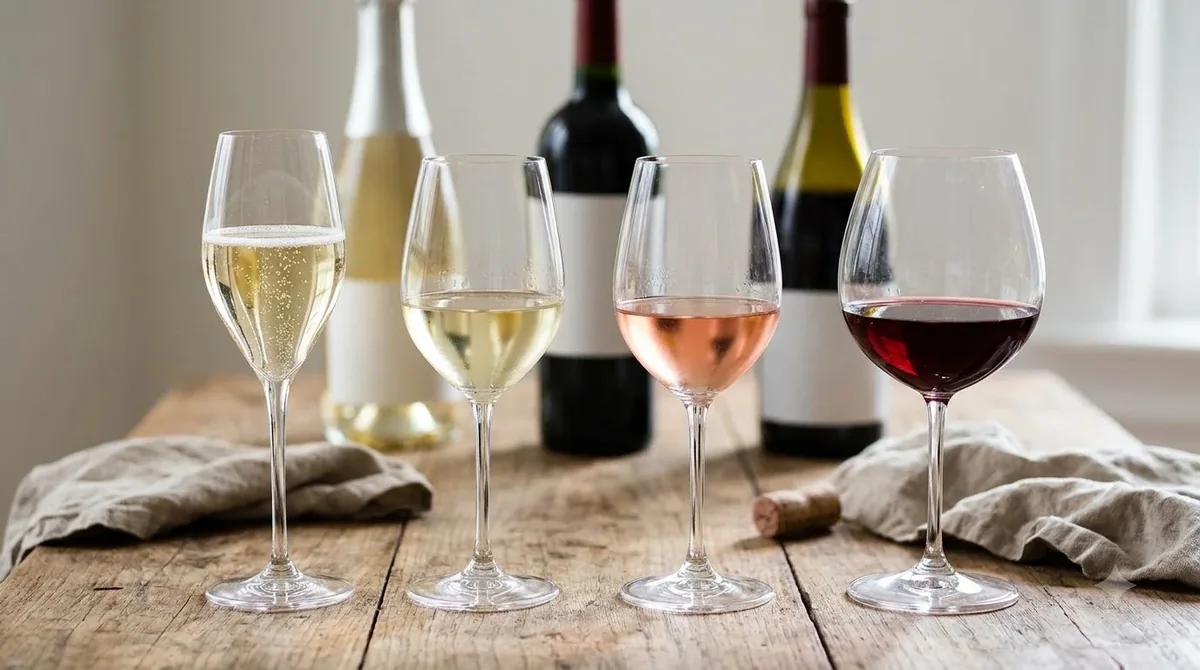
When placed next to cold-climate late-harvest styles, Vin Santo typically carries noticeably more alcohol and oxidative depth. For instance, ice wine alcohol content generally remains lower because freezing temperatures halt fermentation early, preserving bright fruit purity rather than toasted nuttiness. Conversely, fortified Italian and Portuguese classics operate on a different model: marsala alcohol content and tawny port alcohol content are intentionally raised with neutral grape spirit, guaranteeing consistent strength across every batch rather than letting ambient attic conditions decide the outcome.
Across the broader spectrum of Wine by Type, Vin Santo bridges the gap between delicate late-harvest whites and spirit-fortified bottles. Its naturally elevated ABV provides enough structure to cut through rich desserts without feeling heavy or spirity on the mid-palate, especially when balanced by the brisk natural acidity of Trebbiano.
Regional Rules and Grape Varieties
Tuscany serves as the spiritual and commercial home of Vin Santo, though neighboring central Italian regions produce respected versions under their own appellations. Within Tuscany, Vin Santo del Chianti Classico DOC enforces strict production benchmarks that directly govern alcohol, aging, and grape composition.
Under Chianti Classico regulations, white Vin Santo must contain at least 60% Malvasia Bianca and/or Trebbiano Toscano, while the red-grape specialty Occhio di Pernice requires a minimum of 80% Sangiovese. Wines must age for at least 24 months in small caratelli barrels plus an additional 12 months in bottle before release, achieving a minimum finished alcohol level of 12% ABV (with legal technical minimums starting at 10.5% actual and 16% potential alcohol).
Beyond Chianti, notable variations appear across central Italy. In Marche, producers craft Vin Santo di Offida using the local Passerina grape, yielding aromatic bottles with citrus and herbal undertones alongside traditional honeyed richness. Regardless of subregion, extended barrel aging in small casks encourages slow micro-oxygenation, turning pale gold juice into deep amber or mahogany liquid layered with dried fig, hazelnut, roasted almond, and toffee aromas.
Serving Temperature, Glassware, and Storage
Serving Vin Santo at the right temperature keeps its alcohol integrated and prevents sweetness from feeling cloying. Chilling the bottle too aggressively mutes its complex nutty bouquet, while serving it at warm room temperature can make 15% to 18% ABV bottles taste hot.
Wine Folly recommends serving Vin Santo lightly chilled between 55°F and 60°F (12°C to 15°C), roughly cellar temperature. Standard pours are modest—typically 2 to 3 ounces (60 to 75 milliliters)—served in small tulip-shaped dessert wine glasses or short traditional Tuscan tumblers. Decanting is unnecessary because the wine has already spent years slowly oxidizing inside small wooden casks.
Tip: Because Vin Santo undergoes prolonged oxidative aging before bottling, an opened bottle stays fresh in the refrigerator for several weeks—just recork it tightly after pouring.
Food Pairings for Different ABV Levels
Matching Vin Santo at the table works best when you align the wine’s sweetness and alcohol level with the intensity of the dish. Classic sweet bottles at 13.5% to 15% ABV shine alongside nutty pastries, whereas higher-alcohol dry versions thrive next to savory courses.
The iconic Tuscan pairing is cantucci—crunchy almond biscotti—dipped briefly into a glass of sweet Vin Santo so the pastry softens while absorbing caramel and roasted nut notes. Hazelnut tarts, fig crostatas, and spiced fruit cakes also echo the wine’s dried-fruit profile without overwhelming its acidity.
When pouring drier expressions hovering near 18% ABV, shift away from sugary desserts toward salty, aged cheeses. Aged Pecorino Toscano, Parmigiano-Reggiano, and pungent blue cheeses create a savory contrast that tames the wine’s warming alcohol and highlights its toasted walnut complexity.
Frequently Asked Questions
Is Vin Santo a fortified wine?
Traditional Vin Santo is not fortified; its alcohol comes entirely from fermenting concentrated, air-dried grapes. However, bottles specifically labeled Vin Santo Liquoroso have added grape spirit and concentrated must, making them a separate fortified category.
Why does Vin Santo alcohol content vary so much between bottles?
Fermentation happens naturally inside small attic barrels without temperature control, so yeast stops working at different points depending on sugar concentration and seasonal weather. Wines where yeast halts early stay sweeter at 12% to 15% ABV, while longer fermentations yield drier bottles up to 18% or 19% ABV.
What is the minimum alcohol content for Vin Santo del Chianti Classico?
Under Vin Santo del Chianti Classico DOC rules, finished bottles must reach a minimum of 12% ABV after at least 24 months in caratelli casks and 12 months in bottle. Technical appellation standards also specify at least 10.5% actual alcohol and 16% potential alcohol from grapes dried to 270 grams per liter of sugar.
How much Vin Santo should you pour per serving?
A standard serving of Vin Santo is 2 to 3 ounces (about 60 to 75 milliliters). Because the wine combines concentrated sweetness, intense nutty flavors, and elevated alcohol, small pours deliver plenty of richness without palate fatigue.
Checking the ABV on a Vin Santo label is the fastest clue to what awaits inside the bottle, guiding you from syrupy 12% dessert pours to fiery 18% dry styles. Keep a bottle chilled to cellar temperature and pair it according to its sweetness level to experience one of Tuscany’s most distinctive traditions at its best.
More in Wine Types & Grapes
 What Does Mourvèdre Taste Like? Flavor Profile, Regions, and PairingsUpdated Nov 20, 2026
 What Does Marsanne Taste Like? Flavors, Styles, and Food PairingsUpdated Nov 20, 2026
 What Does Malvasia Taste Like? Styles, Flavors, and Food PairingsUpdated Nov 20, 2026
 What Does Grenache Blanc Taste Like? Flavor Profile, Styles, and PairingsUpdated Nov 20, 2026
 What Does Garnacha Taste Like? Key Flavors, Styles, and Pairing TipsUpdated Nov 20, 2026
 What Does Fruit Wine Taste Like? A Complete Flavor and Style BreakdownUpdated Nov 20, 2026