

We may earn a commission when you buy through links on this page, at no extra cost to you. Learn more.
Villeroy and boch stemless wine glasses are a stylish choice for wine drinkers who want lead-free crystal, comfortable handling, and practical everyday glassware without traditional stems. The Afina and Entrée collections are two options worth comparing, with capacities of 17.5 ounces and 16.2 ounces respectively. Both offer dishwasher-friendly crystal construction, although their appearance, proportions, and intended table settings differ. Afina is the more decorative option, while Entrée favors a simpler, more understated look.
Stemless wine glasses have become a familiar alternative to traditional stemware because they are easy to arrange, convenient to store, and suitable for informal meals. Villeroy & Boch brings its established tableware aesthetic to this format, offering designs that can work for everything from weeknight Chardonnay to a dinner party featuring Cabernet Sauvignon. The important buying decision is not simply whether a glass looks attractive. Capacity, opening width, bowl shape, crystal construction, dishwasher care, and compatibility with your existing glassware all deserve attention.
Specs and Key Features: Afina and Entrée
Villeroy & Boch’s stemless options combine crystal construction with relatively generous capacities and compact dimensions. Afina emphasizes decorative presentation, while Entrée takes a straightforward approach that makes it suitable for regular dining and a wider variety of beverages.
The Afina four-piece set is particularly distinctive. Bloomingdale’s identifies its material as European-made lead-free crystal and lists a capacity of 17.5 ounces per glass. Its dimensions are 4.75 inches long, 3.35 inches wide, and 4.75 inches high. This relatively broad, low profile gives it a different appearance from conventional stemmed wine glasses and makes it visually compatible with contemporary table settings.
Entrée is another important option in the collection. Macy’s historical product listing identifies the glass as lead-free crystal made in Slovakia, with a 16.2-ounce capacity. Its approximate measurements are 4.25 inches high and 3.5 inches wide. The slightly smaller capacity and uncomplicated profile make it an appealing alternative for households that prefer simple drinkware rather than decorative detailing.
| Specification | Afina | Entrée |
|---|---|---|
| Material | Lead-free crystal | Lead-free crystal |
| Capacity | 17.5 oz. | 16.2 oz. |
| Height | 4.75 in. | 4.25 in. |
| Listed width | 3.35 in. | 3.5 in. |
| Set information | Four glasses | Individual listing |
| Country information | European-made | Slovakia |
| Dishwasher safe | Yes | Yes |
| Design character | Decorative, refined | Simple, understated |
The specifications show that neither glass is especially small for a wine tumbler. A 16.2-ounce capacity is sufficient for a conventional wine serving with room remaining above the liquid, while 17.5 ounces provides additional space for swirling and observing the wine. Actual usable space depends on the shape of the bowl, so capacity alone should not determine which glass offers the better drinking experience.
There is also an important distinction between a glass’s maximum capacity and a sensible serving. A standard wine pour is approximately 5 ounces. A 17.5-ounce Afina glass therefore has considerable unused space during a normal serving, allowing the drinker to appreciate the wine’s aroma without filling the vessel close to the rim.
For shoppers comparing these specifications with other options, the broader wine glasses selection provides a useful starting point. Traditional stemmed glasses may offer more specialized bowl profiles, while the Villeroy & Boch designs prioritize compact convenience and a coordinated appearance.
One limitation deserves attention: the listed specifications do not establish identical bowl geometry across all Villeroy & Boch stemless products. Afina and Entrée should be considered separate designs rather than interchangeable glasses with different decorative finishes.
What Owners Like About the Design and Drinking Experience
Historical customer comments about the Entrée glass point to several recurring attractions: a comfortable shape, an attractive appearance, practical everyday dimensions, and versatility beyond wine. These observations help explain why a straightforward stemless tumbler can appeal to households that do not need specialized glassware for every grape variety.
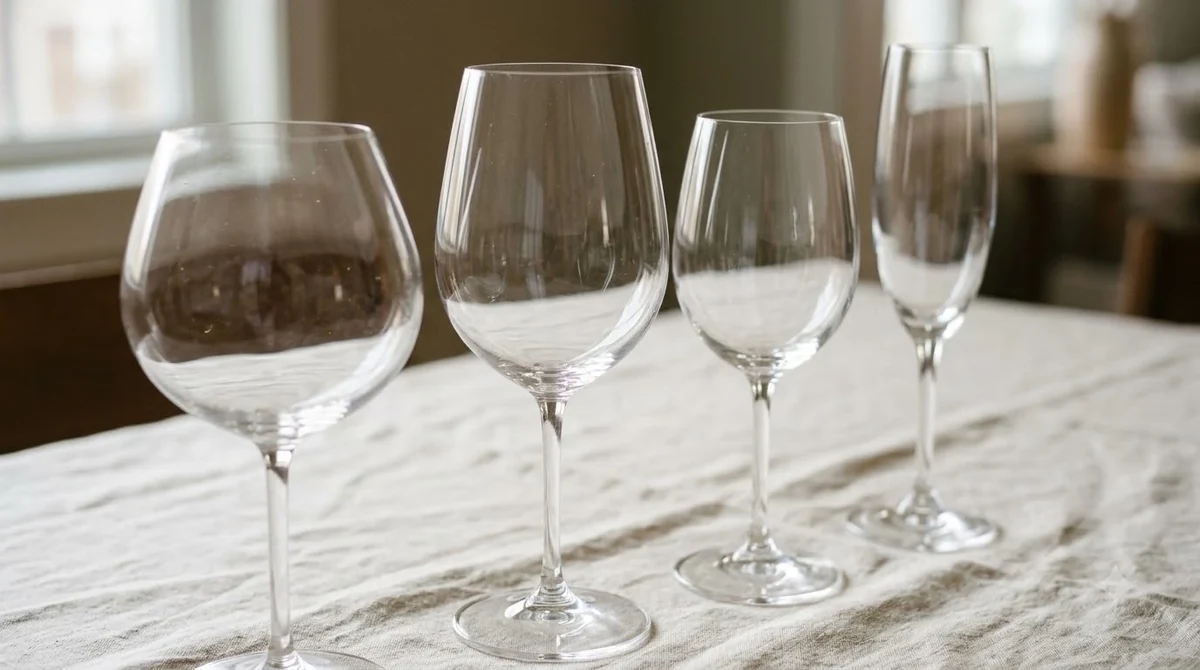
One particularly useful customer observation concerns the drinking opening. A Macy’s historical listing includes a comment explaining that the wider opening felt more pleasant to drink from than narrower stemless alternatives. That is a meaningful consideration because a glass that feels comfortable against the lips can make ordinary wine service more enjoyable. It also suggests that shoppers should consider rim diameter rather than relying entirely on advertised capacity.
Other historical Entrée comments describe the glass as attractive, light in feel, and suitable for different occasions. Customers also mention using the design for everyday water service and other beverages. This versatility is a practical advantage for households that prefer fewer types of drinking glasses in their cabinets.
The Afina has a different appeal. Its decorative presentation makes it suitable for tables where the glassware contributes to the overall visual arrangement. The lead-free crystal construction and sunray-inspired decorative treatment distinguish it from a completely plain tumbler. It can complement contemporary dinnerware, neutral linens, and simple table decorations without requiring elaborate accessories.
Comfort and practical handling
Stemless glasses have a low center of gravity compared with conventional wine glasses. Without a narrow stem and raised foot, the glass sits directly on the table and can feel easier to pick up and put down during informal meals. This arrangement also removes the need to hold a traditional stem between the fingers.
That convenience comes with a small compromise. The hand naturally makes more contact with the bowl, transferring warmth to the wine. For chilled Sauvignon Blanc or sparkling wine, that can matter more than it does for a room-temperature drink. Holding the glass around its lower portion and serving smaller quantities can help reduce the effect.
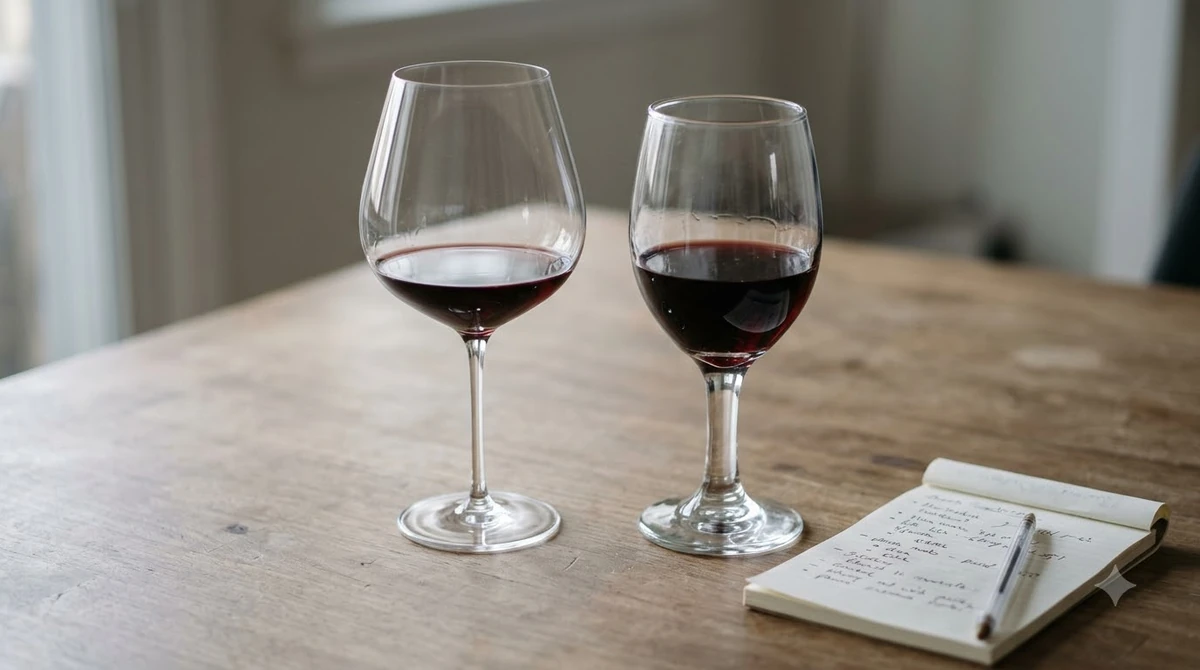
For households that regularly serve several varieties, the two designs are best viewed as versatile general-purpose options. A broad glass can accommodate a range of still wines, although dedicated red and white wine bowls remain useful for drinkers who prioritize grape-specific presentation.
Villeroy & Boch’s broader glassware range includes separate red and white wine categories on its official website. That distinction is important: the existence of attractive stemless glasses does not mean that every wine benefits equally from the same shape.
Common Complaints and Practical Limitations
The main disadvantages of Villeroy & Boch stemless wine glasses come from the stemless format itself rather than a documented universal manufacturing problem. Hand warmth, fingerprints, table-space requirements, and limited specialization are the most important considerations before choosing a set.
The first issue is temperature control. Traditional stemmed wine glasses allow the drinker to hold the glass without wrapping a hand around the bowl. Stemless glasses do not offer that separation. If a chilled Chardonnay starts at approximately 50 to 55 degrees Fahrenheit, prolonged handling can gradually warm it. A cold white wine served at 45 to 50 degrees Fahrenheit can be particularly affected during a long meal.
The second issue is fingerprints. Crystal with a clear finish makes fingerprints and water marks visible, particularly around the exterior of the bowl. Decorative surfaces can also require more attention during cleaning because residue may be more noticeable against textured or patterned areas. This is a presentation concern rather than a reason to avoid the glass entirely.
Another limitation concerns storage. A stemless glass is shorter than many conventional wine glasses, which can make it easier to fit into certain cabinets. However, the broad bowl still occupies considerable shelf space. A collection of four or eight glasses should be measured against the available cabinet depth and shelf width before purchase.
Durability should not be assumed
Crystal is a glass material, not an assurance that an item cannot crack or chip. Although the Entrée listing describes the product as suitable for regular use, individual customer experiences are not uniformly positive. One historical customer comment reports a glass developing a crack after approximately two weeks of use and being replaced by the retailer.
This isolated report does not establish a widespread manufacturing defect. It does, however, illustrate why careful handling and sensible storage remain important. Sudden temperature changes, contact between glasses, hard impacts against sinks, and overcrowded dishwashers can all create unnecessary risks for glassware.
Buyers should also distinguish dishwasher compatibility from unlimited resistance to dishwasher wear. A manufacturer may approve a gentle cleaning cycle while still recommending careful placement, appropriate spacing, and lower temperatures. These details matter particularly when the glassware has decorative finishes.
Finally, stemless glasses are not ideal for every wine enthusiast. Someone who frequently serves young Cabernet Sauvignon or Syrah and enjoys examining aromas may prefer a larger, purpose-shaped stemmed bowl. A stemless tumbler can still serve these wines, but its design is more oriented toward flexibility than specialized tasting.
Who Should Buy and Who Should Skip These Glasses
These glasses make the most sense for buyers who value elegant everyday drinkware, prefer a stable tabletop profile, and want crystal construction without traditional stems. The choice between Afina and Entrée depends primarily on decorative preference, capacity, and how the glasses will fit into an existing collection.
Who should buy Afina
Afina is the more suitable option for someone who wants a decorative glass that contributes to the appearance of a dining table. Its 17.5-ounce capacity offers useful room for wine and swirling, while its four-piece format provides a ready-made small collection. The decorative finish also makes it an attractive consideration for gifting, particularly for people who already own coordinated Villeroy & Boch dinnerware.
It is especially appropriate for serving medium-bodied red wines, aromatic whites, and rosé at informal gatherings. A Pinot Noir, Merlot, Chardonnay, or Sauvignon Blanc can all be served comfortably in a sufficiently broad stemless glass. The glass does not need to match a different shape for every bottle if the household prefers practical flexibility.
Who should buy Entrée
Entrée is the stronger choice for someone who favors plain, uncomplicated glassware. Its 16.2-ounce capacity is generous enough for a standard wine pour, and its 4.25-inch height makes it a relatively compact drinking vessel. The simpler appearance also makes it easier to combine with different dinnerware styles.
Its multipurpose character is another advantage. A household that uses the same glasses for water, juice, and wine may appreciate the uncomplicated shape. The historical owner comments about the glass’s comfortable opening and everyday usefulness support this practical positioning.
Who should consider another format
Buyers who regularly host formal wine dinners may prefer conventional stemware. A dedicated red wine glass can offer a more generous bowl for wines such as Cabernet Sauvignon, while a narrower white wine glass can help retain the cooler serving temperature of Sauvignon Blanc and Riesling.
People who dislike fingerprints or frequently handle chilled drinks may also prefer stemmed glasses. Similarly, collectors who want very thin, specialized tasting glassware should compare the actual rim, bowl, and material characteristics before purchasing a general-purpose stemless set.
For shoppers who have already decided on the shorter format, a comparison of stemless wine glasses can help identify whether a compact everyday glass or a larger, more specialized tumbler makes more sense.
How It Compares to Alternatives
The most useful comparison is between the two documented Villeroy & Boch designs rather than between unverified model names. Afina and Entrée both use lead-free crystal, but their measurements and visual character make them suitable for somewhat different households.
Afina has the larger stated capacity at 17.5 ounces, compared with Entrée’s 16.2 ounces. That 1.3-ounce difference is modest, but it can be relevant to someone who likes additional headroom when swirling wine. Entrée is slightly shorter at 4.25 inches, while Afina measures 4.75 inches in height.
The widths also deserve attention. Entrée is listed at approximately 3.5 inches wide, while Afina is listed at 3.35 inches across. The different measurement descriptions and shapes mean these numbers should not be treated as a complete description of the opening diameter. A shopper interested in rim comfort should inspect the product photographs and physical dimensions rather than assuming that the wider overall measurement automatically indicates a wider drinking opening.
There is also a difference in presentation. Afina is intended to look decorative and refined, while Entrée has a simple silhouette. Neither design is inherently superior. The appropriate selection depends on whether the glass is expected to serve primarily as a table-setting feature or as everyday multipurpose drinkware.
For buyers comparing stemless and traditional designs, the most important distinction is how each format affects handling. Stemmed glasses offer a separate holding point, which can help preserve wine temperature and reduce fingerprints. Stemless glasses are shorter and have no delicate stem to bend or snap, but the bowl itself still requires careful handling.
Villeroy & Boch’s official wine-glass collection provides additional context for its broader approach to red and white wine glassware. The company maintains separate categories for these styles, making it clear that the stemless format is only one part of a wider glassware selection.
Shoppers considering a dedicated set for full-bodied reds can also compare the options in the red wine glasses guide. A specialized bowl may be more appropriate for someone who regularly serves large pours of structured wines and wants a more traditional tasting experience.
In short, Afina is the more decorative purchase, while Entrée is the more understated everyday alternative. The difference in capacity is relatively small, so design preference, handling comfort, and compatibility with the rest of the household’s glassware should carry more weight than the numerical specifications alone.
Frequently Asked Questions
Are Villeroy & Boch stemless wine glasses made in Europe?
European manufacturing is specifically identified in the Afina retail listing, while the Entrée listing names Slovakia as its manufacturing country. These details should not be generalized to every Villeroy & Boch glass collection. Manufacturing locations can differ between product lines and individual items.
Can Villeroy & Boch stemless glasses be used for cocktails?
Yes, their general-purpose tumbler shape can accommodate drinks other than wine. Entrée is particularly suitable for this role because its simple design is also intended for everyday beverage service. The 16.2-ounce capacity provides room for ice and mixers, depending on the recipe.
How many standard wine servings fit in an Afina glass?
Using a standard 5-ounce wine serving, the 17.5-ounce Afina capacity is equivalent to 3.5 standard pours by volume. That is a mathematical capacity comparison, not a recommended serving size. A normal single serving should leave substantial room above the wine.
Are stemless wine glasses suitable for outdoor dining?
They can be convenient for patios and informal outdoor meals because they have a low profile and no raised stem. However, crystal remains breakable, so it is not automatically safer than traditional stemware. Keep the glasses on a stable surface and avoid placing them near hard edges or crowded serving areas.
Can crystal stemless glasses become cloudy after repeated washing?
Mineral deposits, detergent residue, and repeated dishwasher exposure can contribute to a cloudy appearance on glassware. Using appropriate detergent quantities and a gentle dishwasher setting can help reduce unnecessary wear. Avoid abrasive cleaning materials, particularly on decorative finishes.
Villeroy & Boch’s Afina and Entrée stemless glasses offer two distinct approaches to practical crystal drinkware. Afina is the better match for decorative table settings and buyers who appreciate a slightly larger capacity, while Entrée suits households that prefer a straightforward, multipurpose design. Compare the dimensions, consider how you serve wine, and select the collection that complements your existing glassware rather than choosing on appearance alone.
More in Wine Glasses
 Spiegelau Crystal Wine Glasses That Bring Clarity to Every PourUpdated Nov 21, 2026
 Zalto Crystal Wine Glasses: Are They Worth the Investment?Updated Nov 21, 2026
 Villeroy And Boch White Wine Glasses for a More Cohesive TableUpdated Nov 21, 2026
 Zalto Wine Glasses On Sale: Find the Right Denk’Art GlassUpdated Nov 21, 2026
 Zwiesel Glas Champagne Glasses: Features, Quality and Buying AdviceUpdated Nov 21, 2026
 Zwiesel Glas Decanter Review: A Durable, Elegant Choice for Wine ServiceUpdated Nov 21, 2026