

We may earn a commission when you buy through links on this page, at no extra cost to you. Learn more.
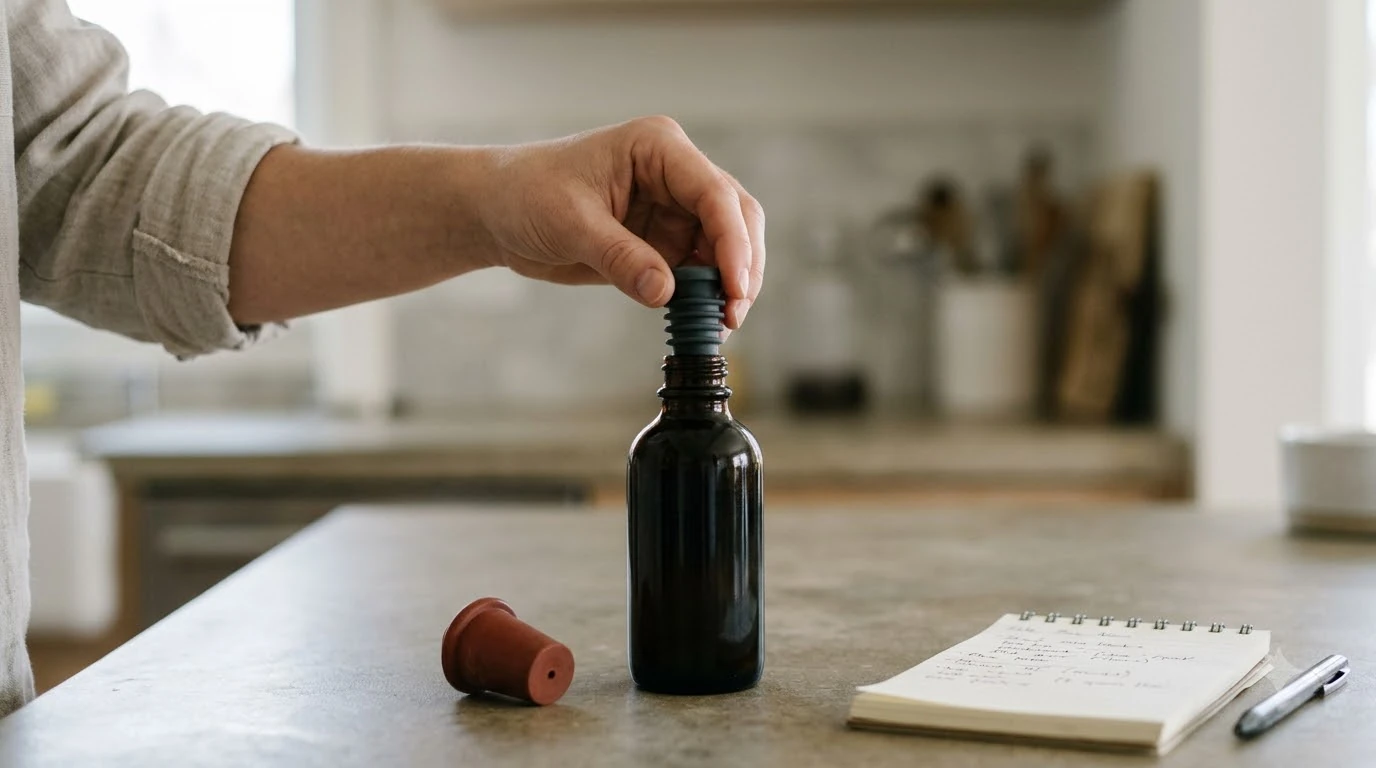
The vacu vin wine stopper is a practical choice for keeping opened bottles of still wine fresher for several days because its reusable stopper and manual pump remove excess air and slow oxidation. Its most useful feature is an audible click that signals when the recommended vacuum level has been reached. The system is straightforward, compact, and reusable, although it requires manual pumping and is not designed to preserve Champagne or other sparkling wines.
An unfinished bottle does not have to become an excuse to pour another glass before the wine loses its character. A conventional cork or screw cap closes the bottle, but it does not remove the air already inside. Vacu Vin approaches the problem differently by combining an airtight stopper with a small vacuum pump. That makes it particularly appealing for households that regularly open a bottle with dinner and save the remainder for another evening. The important question is whether its simple design provides enough practical value to justify keeping another accessory in the kitchen.
Specs and Key Features
The Vacu Vin Original Wine Saver is a reusable preservation system rather than an ordinary decorative bottle stopper. Its main components are a manual pump and a flexible stopper, with the pump removing excess air after the stopper has sealed the bottle.
The basic design has remained recognizable since the product’s introduction in 1986. Instead of requiring batteries, replacement cartridges, or complicated settings, the manual version relies on a mechanical pumping action. Vacu Vin’s distinguishing feature is the click indicator, which provides audible feedback when the recommended vacuum level has been reached.
| Specification | Details |
|---|---|
| Product | Vacu Vin Original Wine Saver |
| Product type | Manual wine vacuum preservation system |
| Main components | Handheld pump and reusable stopper |
| Stopper material | Flexible rubber or silicone, depending on the version |
| Pump operation | Manual pumping action |
| Vacuum indicator | Audible click |
| Product dimensions | 76 x 171 x 39 mm, according to the manufacturer’s listed version |
| Listed product weight | 0.095 kg, according to the manufacturer’s listed version |
| Stopper maintenance | Reusable and dishwasher-safe |
| Pump maintenance | Clean by hand; do not immerse |
| Recommended storage position | Upright |
| Intended wine category | Still wine |
One distinction matters when comparing product listings: Vacu Vin sells different configurations, including sets with one or multiple stoppers. The number supplied is not necessarily the same across every retail package. A single-stopper kit can be sufficient for someone who normally has only one open bottle, while a larger set makes more sense for households that regularly preserve several bottles at once.
The reusable stoppers are the essential part of the design. The pump cannot create a vacuum without a properly fitted stopper, and an ordinary decorative bottle cap is not a substitute. The stopper provides the seal through which the pump extracts air.
Food & Wine also identifies the tested Vacu Vin system as a plastic-and-silicone design measuring approximately 2 by 6 inches. Its testing covered 11 wine-stopper options and selected Vacu Vin as its overall winner. That external assessment is useful because it considers actual storage performance rather than relying entirely on manufacturer descriptions.
For households comparing different wine accessories, the broader Accessory Brands collection provides another starting point for understanding how preservation tools fit into a home wine setup.
What Owners Like
The main attraction is the combination of straightforward operation, reusable components, and a clear indication that the pumping process has reached its target. Buyers who regularly leave wine unfinished can use the same pump repeatedly without purchasing a new preservation device for every bottle.
Convenience is a significant part of the appeal. After pouring a glass, the user inserts the stopper, places the pump over its valve, and operates the handle until the click sounds. There is no electronic display to interpret or complicated pressure setting to select. The click gives users a practical stopping point instead of requiring them to estimate how many pumping movements are sufficient.
Food & Wine provides particularly useful independent support for the product’s everyday performance. During its three-day storage evaluation, the publication reported that a bottle of Pinot Grigio remained crisp and refreshing after being sealed with the Vacu Vin system. Its assessment also found that the stopper maintained a secure seal during an inverted-bottle test. That result supports the product’s usefulness for normal short-term storage, although it should not be interpreted as a guarantee that every wine will taste identical several days later.
Owners also have reasons to appreciate the system’s relatively uncomplicated construction. The manual pump does not need charging, and the reusable stoppers can be cleaned and used again. A spare stopper is useful when more than one bottle is open, or when a stopper gets misplaced during routine kitchen use.
Another positive is the compact format. The pump can be stored in a kitchen drawer, wine cabinet, or bar accessory organizer. It does not require a dedicated countertop charging station or a collection of specialized components. That makes it a reasonable choice for occasional wine drinkers who want a preservation tool available without building an elaborate home wine setup.
The system also works with the familiar 750 ml wine bottle format used by most standard still wines. Instead of finding a new stopper for every opened bottle, users can keep a small collection of compatible stoppers and share the same pump between them.
Liquor.com highlights the value of having multiple stoppers available with the pump system. Its discussion also includes professional observations that a vacuum stopper can help preserve wine for approximately three to four days, depending on the wine’s structure. That is a useful practical expectation for people deciding whether a reusable pump is worth keeping around.
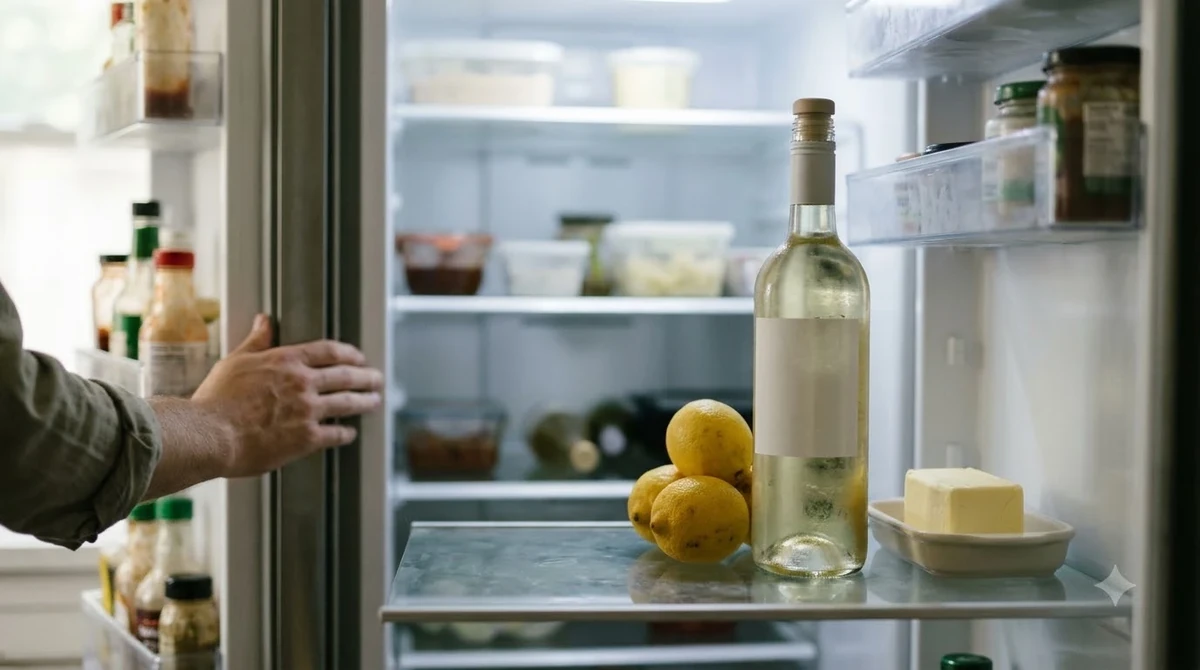
For many households, the strongest advantage is simply the change in routine. An opened bottle can be closed immediately after dinner, refrigerated, and revisited without relying on a loosely replaced cork. The tool does not eliminate oxidation, but it gives the remaining wine better protection than leaving the bottle exposed to air.
Common Complaints
The Vacu Vin system has a few practical limitations, especially for people who expect a completely automatic experience. Manual pumping takes effort, the pump needs careful handling, and a successful vacuum depends on a properly seated stopper.
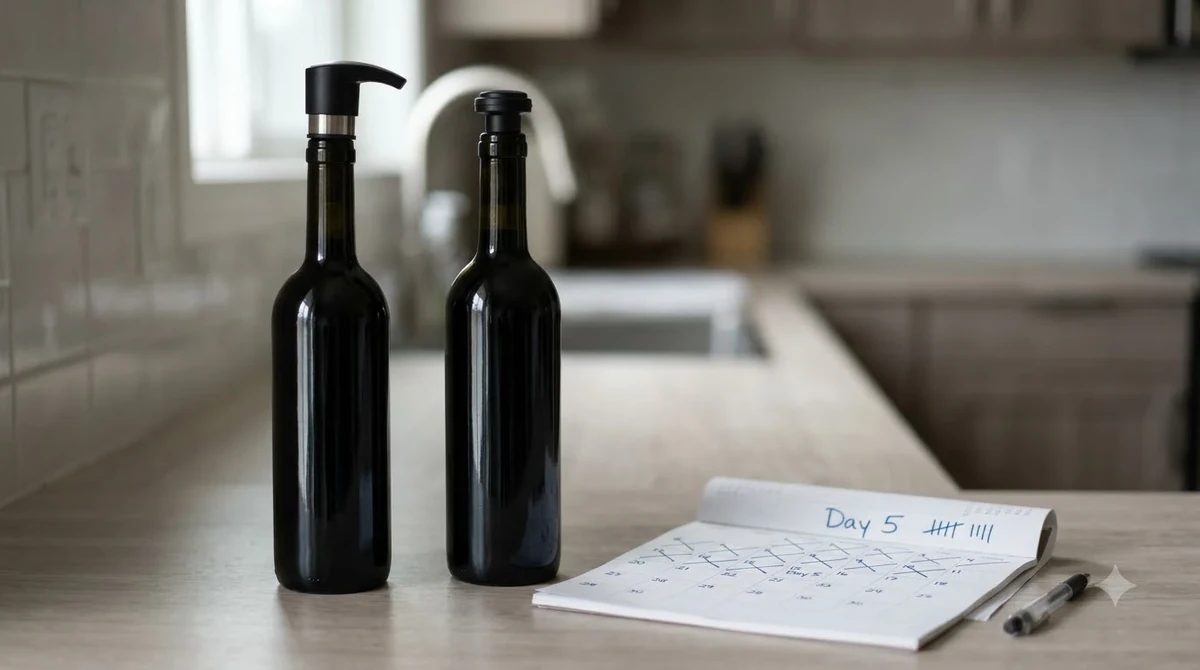
The first complaint concerns physical effort. The user must repeatedly operate the pump until the indicator clicks. This is not especially complicated, but it is less convenient than pressing one button on an electric device. Some owners report that pumping can feel difficult when working with a partially empty bottle, particularly if they struggle to maintain a comfortable grip or pull the pump repeatedly.
This is an important distinction because a vacuum pump does not operate like a conventional push-in bottle stopper. It requires a pulling action to extract air. People expecting to press downward and finish immediately may find the movement less intuitive than anticipated.
The second limitation is the utilitarian appearance. Liquor.com describes the design as practical rather than decorative. That is not necessarily a performance problem, but it matters to people who want wine accessories that look attractive on a dining table or bar cart. The Original Wine Saver is designed primarily to perform a job, not serve as a display piece.
Some owners also report inconsistent click-indicator behavior. The manufacturer’s click is intended to communicate that the target vacuum level has been reached, but a malfunctioning indicator can make the process confusing. If a pump does not click as expected, users may struggle to determine whether the stopper has sealed correctly.
There is also a learning curve around bottle position. The manufacturer specifically advises against laying a vacuum-sealed bottle horizontally. Wine can enter the stopper and interfere with the vacuum, potentially allowing the seal to fail. Liquid entering the pump during a subsequent operation can also cause sticky movement.
Another limitation is that a vacuum pump is not appropriate for every wine style. Sparkling wine relies on dissolved carbon dioxide and pressure to retain its bubbles. Applying an ordinary wine vacuum can remove carbonation, making Champagne, Prosecco, and Cava unsuitable candidates for this preservation method.
Finally, the system should not be mistaken for a long-term wine storage solution. It slows oxidation, but it does not stop every chemical change that occurs after opening. Wine quality varies according to grape variety, age, storage temperature, bottle fill level, and the amount of air remaining inside. A delicate white wine and a structured red wine will not necessarily retain their best qualities for the same amount of time.
These drawbacks do not make the product unsuitable. They simply establish what the manual pump is designed to do: provide convenient short-term preservation for opened still wines without the complexity of a more advanced preservation system.
Who Should Buy and Who Should Skip
The Vacu Vin Wine Saver is best suited to people who open still wine regularly but do not always finish a bottle in one sitting. It offers a practical middle ground between replacing the original cork and investing in a more elaborate wine preservation system.
Consider this product if you typically pour one or two glasses with dinner and save the rest for the following evening. It is particularly useful for couples, small households, and occasional wine drinkers who want to enjoy different bottles without feeling pressured to finish one immediately. A reusable stopper also makes sense for people who prefer equipment that can serve the same purpose repeatedly.
White wine drinkers may appreciate the ability to seal a bottle after pouring a glass and return it to the refrigerator. A remaining bottle of Sauvignon Blanc, Pinot Grigio, or Chardonnay can then be revisited over the next few days, although freshness will depend on the particular wine and storage conditions.
Red wine drinkers can also benefit. A remaining bottle of Merlot, Cabernet Sauvignon, or Pinot Noir can be sealed and stored upright in a cool environment. Refrigeration is useful even for red wine because lower temperatures slow the reactions responsible for quality deterioration. Allow the wine to warm toward its preferred serving temperature before pouring another glass.
The product is also attractive to people who dislike complicated accessories. There is no need to purchase gas cartridges, operate a digital interface, or learn a specialized preservation procedure. The manual click indicator provides a simple visual-free confirmation through sound.
However, some buyers should consider alternatives. Anyone who regularly opens Champagne, Prosecco, or sparkling Cava should choose a dedicated sparkling-wine stopper. A vacuum pump is not the correct tool for preserving carbonation.
People who have difficulty operating a manual pump may prefer an electric preservation device. Vacu Vin itself offers an Electric Wine Saver that automatically stops once the appropriate vacuum level is reached. This reduces the physical effort involved, although it introduces an electronic component that requires charging.
Collectors who want to pour a single glass from an expensive bottle while preserving the remaining wine for a much longer period may also want to consider an argon-based preservation system. Such equipment operates differently and can preserve wine without removing the original cork. It is a different category of purchase, generally intended for a more specialized use.
Finally, people who rarely leave wine unfinished may not need a vacuum pump at all. If a bottle is normally consumed immediately after opening, a simple reusable stopper can be enough for temporary closure, although it will not provide the same air-removal function.
How It Compares to Alternatives
The Vacu Vin Original Wine Saver occupies the practical middle ground between basic bottle stoppers and more sophisticated preservation equipment. Its main distinction is that it combines a physical seal with air extraction, rather than merely closing the bottle.
Food & Wine’s comparison of several wine-preservation options helps clarify where the Vacu Vin fits. Its evaluation included the Rabbit bottle stoppers, Le Creuset’s Champagne stopper, Coravin’s preservation system, and Repour’s single-use wine saver. These alternatives address different needs, so the right choice depends more on drinking habits than on appearance alone.
| Alternative | Preservation method | Most suitable use | Main trade-off |
|---|---|---|---|
| Vacu Vin Original | Manual vacuum pump and reusable stopper | Opened still wine | Requires repeated manual pumping |
| Rabbit bottle stopper | Mechanical airtight closure | Basic short-term bottle closure | Does not provide the same vacuum-pumping process |
| Le Creuset Champagne stopper | Switch-style pressure-sealing valve | Sparkling wine | Specialized for retaining carbonation |
| Coravin preservation system | Argon gas and needle-based wine access | Longer-term preservation of selected bottles | More components and gas-cylinder requirements |
| Repour Wine Saver | Single-use oxygen-removing stopper | Individual bottles and travel | Not reusable |
A basic Rabbit stopper is the simpler choice if the main objective is closing a bottle for immediate or overnight storage. It does not require the user to operate a vacuum pump. However, Food & Wine’s evaluation found that its vacuum-based Vacu Vin selection offered a more effective approach to protecting still wine against oxidation.
The Le Creuset Champagne Crown Sealer serves a different purpose. Its switch-style valve is designed to retain the pressure and carbonation of sparkling wine. Food & Wine reported that its tested Cava retained its bubbles after three days with this type of stopper. This makes a dedicated sparkling stopper a better companion for someone who frequently opens Champagne or Prosecco.
Coravin represents a more advanced category. Rather than removing the cork, its system uses a needle and inert argon gas to access wine while maintaining the original closure. Food & Wine describes it as a preservation option for people who want to enjoy occasional glasses from valuable bottles over much longer periods. The additional components and gas requirements make it more involved than the Vacu Vin manual pump.
Repour offers another approach through a single-use stopper designed to remove oxygen. Food & Wine found that its tested option preserved the freshness of Pinot Grigio over three days, but noted that each stopper is intended for one bottle rather than repeated use. Buyers who prioritize reusable equipment may prefer Vacu Vin.
The comparison shows why the Original Wine Saver remains a sensible everyday choice. It does not try to preserve every type of wine for every possible duration. Instead, it provides an uncomplicated way to reduce air exposure in an ordinary opened bottle of still wine.
There is also a difference between preservation accessories and pouring accessories. Someone primarily concerned with preventing drops on a tablecloth might get more practical value from a wine drip stopper. That product solves a pouring problem, whereas the Vacu Vin system addresses the deterioration of leftover wine. They can serve complementary purposes rather than competing directly.
How to Use, Clean, and Store the Vacu Vin Wine Saver
Correct operation is important because the stopper must form a proper seal before the pump can remove air. The manufacturer’s procedure is simple, but bottle positioning and cleaning habits have a meaningful effect on long-term performance.
Using the manual pump
- Pour the wine you want. Finish serving your glass or glasses before preparing the bottle for storage. Avoid leaving an opened bottle exposed on the table for longer than necessary.
- Insert the stopper. Place the reusable Vacu Vin stopper securely into the bottle neck. It should sit firmly and create a suitable seal.
- Attach the pump. Position the manual pump over the stopper’s valve so that the two components connect correctly.
- Pump until the click sounds. Operate the pump until its audible indicator signals that the recommended vacuum level has been reached. The click is the practical stopping signal.
- Remove the pump. Lift the pump away from the stopper while leaving the stopper securely in place.
- Store the bottle upright. Put the bottle in the refrigerator or another suitable cool storage location. Keep it vertical rather than laying it on its side.
The process is quick once the user understands how the pump connects to the stopper. There is no need to measure the remaining air volume or estimate a specific number of pumping movements. The click provides the manufacturer’s intended indication that the vacuum process has reached its target.
Cleaning the components
The reusable stoppers and manual pump require different maintenance routines. Vacu Vin identifies its stoppers as dishwasher-safe, which makes cleaning convenient after repeated use. The pump, however, should not be treated like an ordinary dishwasher-safe kitchen utensil.
According to the manufacturer’s FAQ, the pump should never be submerged in water or placed in a dishwasher. If wine enters the mechanism and makes it sticky, clean the exterior and accessible surfaces with a damp cloth and dishwashing soap. Allow the pump to dry, and follow the manufacturer’s advice about applying a small amount of suitable grease to the interior if necessary.
Do not force the pump if its movement becomes unusually difficult. A sticky mechanism or contaminated valve can affect operation. Cleaning it correctly is preferable to repeatedly pulling harder and potentially damaging the mechanism.
Storing opened wine
The pump is only one part of successful wine preservation. Temperature and bottle position also matter. An opened bottle of still wine should generally be refrigerated, including red wine. Cold storage slows the oxidation-related changes that gradually affect aroma and flavor.
For practical expectations, most opened still wines are best consumed within approximately three to five days, although their individual condition will vary. Sparkling wine has a shorter typical refrigerator storage window of approximately one to three days when properly closed with a suitable sparkling stopper. These general expectations should not be confused with a guaranteed shelf life for the Vacu Vin product.
It is also useful to remember that a vacuum seal does not restore wine that has already deteriorated. The best results come from sealing the bottle promptly after serving rather than waiting until the following morning.
Tip: Keep the Vacu Vin pump and its stoppers together in a designated kitchen drawer. After pouring, seal the bottle immediately, wait for the click, and refrigerate it upright. This simple routine helps prevent accidental horizontal storage and makes the preservation process easier to repeat.
Anyone interested in the manufacturer’s detailed compatibility and maintenance instructions can consult the official Vacu Vin FAQ. It explains the click indicator, compatible stopper versions, upright storage requirements, and pump cleaning procedure.
Frequently Asked Questions
Can I use a Vacu Vin stopper with a screw-cap wine bottle?
Many screw-cap wine bottles have a neck opening that can accept a suitable reusable stopper, but compatibility depends on the bottle’s opening dimensions and shape. The stopper must create a secure seal before the pump can work properly. A loose connection will prevent effective air extraction.
Does Vacu Vin work with half bottles of wine?
It can be used with suitable smaller still-wine bottles if the stopper fits securely. However, the amount of air remaining inside the bottle and the shape of its neck can influence practical performance. Always confirm that the stopper sits firmly before operating the pump.
Can I use the Vacu Vin stopper for nonalcoholic wine?
The vacuum mechanism is designed to seal a bottle and remove excess air rather than respond to a particular grape variety or alcohol content. A suitable nonalcoholic still wine may therefore be compatible if its bottle opening accepts the stopper. Carbonated nonalcoholic beverages require a different approach because vacuum extraction can remove their carbonation.
Why does the stopper sometimes make a hissing sound when removed?
A hissing sound can occur when the vacuum seal is released and outside air enters the bottle. Food & Wine describes this type of release when discussing its evaluation of the Vacu Vin system. It is part of the normal process of breaking a vacuum seal rather than an indication that the bottle itself is damaged.
Can older Vacu Vin stoppers be used with newer pumps?
Yes, Vacu Vin states that traditional gray stoppers and newer Wine Saver stoppers can generally be used with compatible original and newer pumps. The manufacturer identifies the Wine Saver & Server as an exception because that product has its own compatibility requirements. Checking the exact product family is useful when combining older accessories with newer equipment.
The Vacu Vin Original Wine Saver is a sensible purchase for people who regularly save unfinished bottles of still wine and want a reusable alternative to ordinary bottle caps. Its manual operation and upright-storage requirement are minor inconveniences for most occasional wine drinkers, while the click indicator and straightforward maintenance make everyday use manageable. For Champagne and Prosecco, choose a dedicated sparkling-wine stopper instead; for ordinary still wine, Vacu Vin remains a practical, uncomplicated preservation option.
More in Wine Accessories
 Coravin Vs Vacu Vin: Choose the Right Wine Saver for Your BottlesUpdated Nov 21, 2026
 Zwilling Wine Stopper Review: Preserve Open Bottles LongerUpdated Nov 21, 2026
 Wine Enthusiast Wine Preserver Review: Features, Benefits and LimitationsUpdated Nov 21, 2026
 Wine Enthusiast Wine Stopper: An Easier Way to Reseal Open BottlesUpdated Nov 21, 2026
 Vintorio Wine Opener: Two-Step Cork RemovalUpdated Nov 21, 2026
 Zwilling Wine Aerator Review: Aerate, Pour, and Seal With One ToolUpdated Nov 21, 2026