


We may earn a commission when you buy through links on this page, at no extra cost to you. Learn more.
The trefethen wine price typically ranges from about $25 to $80 for many standard 750 ml bottles, while premium Cabernet and limited-production wines can cost considerably more. Trefethen Family Vineyards produces estate-grown wines in Napa Valley’s Oak Knoll District, with options ranging from approachable Dry Riesling to collectible Cabernet Sauvignon. The right bottle depends on the grape variety, vintage, production tier, and retailer, so comparing equivalent wines and bottle sizes is essential before buying.
Trefethen is a Napa Valley producer with a portfolio that covers several familiar wine styles, including Chardonnay, Cabernet Sauvignon, Merlot, Riesling, and Dragon’s Tooth red blend. Its pricing reflects the distinction between everyday estate selections, more specialized vineyard bottlings, and premium releases. A bottle of Dry Riesling generally requires a smaller budget than a collectible Cabernet, but the differences involve more than grape variety alone. This guide explains the typical American retail ranges, what drives them, and how to select a Trefethen bottle that suits your budget and occasion.
Who This Is For: Trefethen Buyers and Napa Wine Shoppers
Trefethen wine is worth considering for shoppers who want Napa Valley wines with a recognizable estate identity and a selection of both white and red varieties. Its portfolio suits buyers looking for dinner wines, gifts, bottles for special occasions, and more substantial Cabernet Sauvignon purchases.
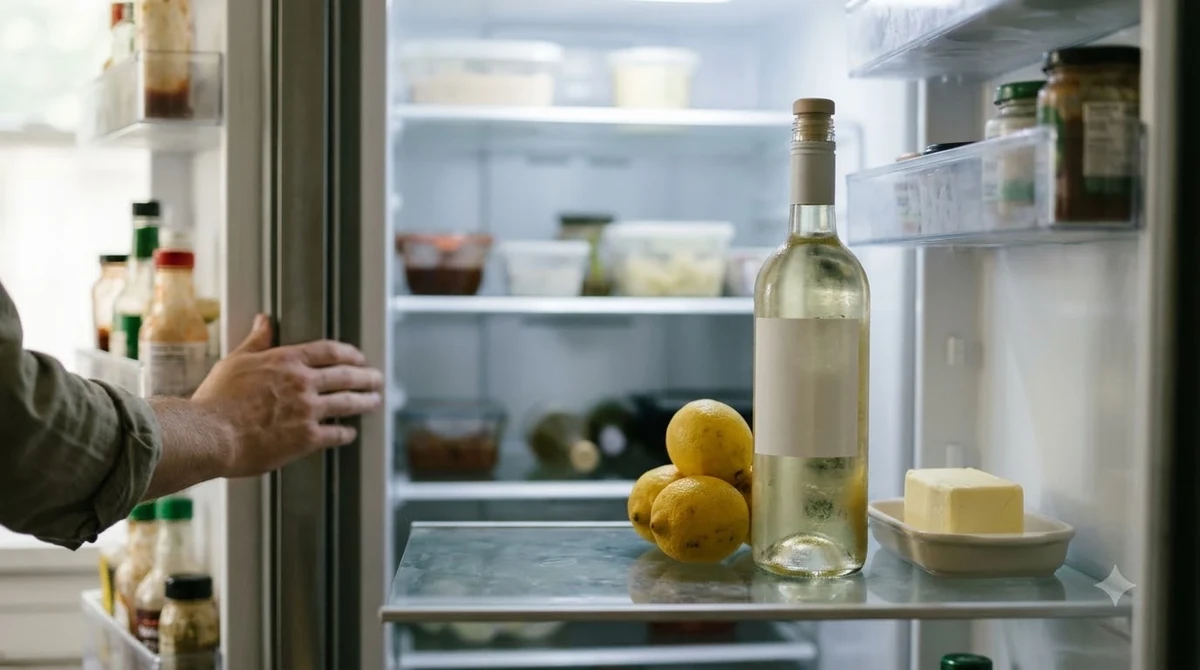
First-time buyers may want to begin with Dry Riesling, Chardonnay, or Merlot rather than immediately committing to an expensive Cabernet. These varieties provide different ways to understand the winery’s style without making the purchase entirely dependent on a premium label. The official Signature Wines collection identifies Dry Riesling, Chardonnay, Merlot, Cabernet Sauvignon, and Dragon’s Tooth among its central offerings.
Shoppers comparing Napa producers should also distinguish between a winery’s entry-level selection and its limited-production bottlings. A standard Cabernet Sauvignon and a Cabernet Halo are not interchangeable purchases simply because both feature Cabernet Sauvignon. The latter belongs to a much more expensive category, making it more appropriate for collectors or buyers seeking a particularly special bottle.
There is also a useful distinction between people shopping for a specific grape and people shopping for a particular winery. Someone who regularly drinks Sauvignon Blanc or Riesling may prefer to begin with a white wine, while a Napa Cabernet enthusiast may find the standard Cabernet or a higher-tier selection more relevant. Readers exploring the wider Trefethen portfolio can compare individual bottlings before settling on a price target.
This guide is particularly useful for US shoppers comparing online listings, local wine shops, and winery-direct purchases. Retail availability varies, and a retailer carrying only Cabernet Sauvignon may not provide a complete picture of the winery’s overall pricing. Looking at several varieties helps establish whether a particular bottle is reasonably positioned within the producer’s range.
Key Factors to Compare Before Paying for Trefethen Wine
The most important pricing factors are grape variety, wine tier, vintage, bottle size, and seller. Comparing these details provides a more meaningful assessment than looking at the winery name or a headline price alone.
| Wine or category | Typical US retail range | What to expect |
|---|---|---|
| Dry Riesling | About $25–$40 | Dry, aromatic white wine |
| Chardonnay | About $30–$60 | Estate white wine and specialized bottlings |
| Merlot | About $35–$60 | Medium-bodied red wine |
| Standard Cabernet Sauvignon | About $55–$80 | Napa Valley Cabernet |
| Dragon’s Tooth | About $45–$70 | Estate red blend |
| Cabernet Halo | About $250–$300 | Premium Cabernet selection |
These are practical shopping ranges rather than guaranteed prices for every vintage. The Dry Riesling range is consistent with winery listings around $26 and independent retailer listings around $27 to $35. For Chardonnay, retailer listings around $32 and winery-exclusive Katie’s Acre Chardonnay at $60 illustrate how the specific bottling affects the price. These examples are documented by the Trefethen Signature Wines collection and independent retailer listings. The winery’s Signature Wines collection is a useful starting point for checking its own listed selections and formats. Prices vary by state and retailer.
Standard Cabernet Sauvignon generally occupies a higher price category. Trefethen’s official product page lists its 2022 Cabernet Sauvignon at $75 for a 750 ml bottle, while Total Wine’s displayed Cabernet listing is approximately $60. That difference illustrates why buyers should compare the exact vintage and listing rather than assume every store carries the same release.
Cabernet Halo is a different purchasing proposition. Total Wine’s displayed listing places its 750 ml bottle around $270, substantially above the standard Cabernet. The premium reflects its positioning within the winery’s more exclusive selection, not simply a larger bottle size. A buyer seeking a regular dinner wine will generally have more practical options in the standard Cabernet category.
How bottle size affects the comparison
A 750 ml bottle is the standard reference size for most US wine purchases. A 1.5 L magnum contains twice the wine of a standard bottle, so a higher displayed price does not automatically indicate a more expensive wine on a per-ounce basis. Trefethen’s official collection includes both standard bottles and magnums, making size verification particularly important.
Vintage also matters. A retailer may have an older release, a newer release, or remaining inventory from a previous shipment. These bottles can have different prices even when their labels identify the same grape variety. Compare the vintage, volume, and specific bottling before deciding which listing represents better value.
Step-by-Step: How to Find the Right Trefethen Bottle
A reliable buying process starts with a spending limit and ends with a comparison of equivalent bottles. Following a few straightforward steps can prevent an expensive mistake and help identify the right wine for the occasion.
- Set your budget. Decide how much you want to spend on one 750 ml bottle before browsing. A target of $25 to $40 opens the door to selected white wines, while a budget of $55 to $80 makes standard Napa Cabernet Sauvignon more accessible. Reserve a substantially larger budget for premium releases such as Cabernet Halo.
- Choose the grape variety. Think about the flavors and structure you prefer. Riesling is a useful option for people who like aromatic whites and refreshing acidity. Chardonnay suits buyers seeking a fuller white wine, while Cabernet Sauvignon is more appropriate for those who enjoy firmer tannins and darker fruit.
- Identify the wine tier. Distinguish between Signature Wines, winery-exclusive bottlings, and premium or collectible selections. Katie’s Acre Chardonnay, for example, belongs to the winery-exclusive category, while Cabernet Halo occupies a much higher price position than standard Cabernet Sauvignon.
- Compare the vintage. Look at the year printed on the bottle or listing. A 2022 Cabernet Sauvignon should not automatically be treated as equivalent to an older Cabernet release simply because the grape variety is identical. Different vintages may have different availability and retail prices.
- Normalize the bottle size. Use 750 ml as your comparison standard. If a retailer offers a 1.5 L magnum, divide its price by two to calculate the equivalent cost of a 750 ml quantity. This makes comparisons between formats more useful.
- Check several sellers. Compare the winery’s official store with at least two US retailers. Confirm the shipping destination, bottle size, vintage, and availability. A listing that appears cheaper may have additional shipping charges or may refer to a different release.
- Match the wine to the occasion. Choose an approachable white or Merlot for a casual dinner, a standard Cabernet for a more substantial meal, or a premium selection for a special gift. Buying according to the occasion is often more practical than automatically choosing the most expensive bottle.
One useful approach is to create a shortlist of three bottles in different price categories. For example, compare Dry Riesling, Chardonnay, and standard Cabernet Sauvignon. This gives a clear view of how the producer’s pricing changes across styles while keeping the comparison within recognizable parts of the portfolio.
Another consideration is whether the bottle is intended for immediate drinking or longer-term storage. A fresh white wine purchased for a summer meal has a different purpose from a premium Cabernet intended for a celebration several years later. The intended drinking date should influence how much you are comfortable spending.
Tip: Compare the exact vintage and 750 ml bottle size before judging two Trefethen listings. A magnum, reserve selection, and standard Cabernet can have dramatically different prices without being directly comparable.
Types and Styles Explained: What Your Money Buys
Trefethen’s range covers several grape varieties and wine styles, giving shoppers options across different budgets. The clearest way to understand its pricing is to consider the typical character and purchasing purpose of each category.

Dry Riesling
Dry Riesling is one of the more accessible starting points in the collection. The winery has described its Riesling as dry and crisp, with a refreshing, aromatic character. Its historical listing of $26 for a 750 ml bottle provides a useful reference for understanding its position in the portfolio.
Riesling is especially suitable for buyers who prefer pronounced acidity rather than a heavier, oak-driven white wine. It can accompany seafood, poultry, salads, and dishes with fresh herbs. Its acidity also makes it a useful choice for meals containing citrus or other acidic ingredients.
For buyers trying Trefethen for the first time, this category provides an opportunity to experience the winery without moving immediately into the higher-priced Cabernet selections. However, availability can differ significantly between vintages, so the current retail selection may not match older winery listings.
Chardonnay
Chardonnay is another important part of the portfolio, with standard estate bottlings and specialized selections such as Katie’s Acre Chardonnay. The winery’s exclusive collection lists Katie’s Acre Chardonnay 2022 at $60 per 750 ml bottle, while independent retail listings for other Chardonnay releases show lower price points.
The difference between these bottlings demonstrates why the word Chardonnay alone is insufficient for a price comparison. A specific vineyard designation, release, and production tier can influence the cost. Buyers should identify the exact wine before deciding whether a higher price represents a meaningful step up.
Chardonnay generally has medium acidity and can offer a fuller texture than Riesling. It pairs well with roast chicken, creamy pasta, grilled fish, and dishes containing mushrooms. For serving, a temperature of 50 to 55 degrees Fahrenheit helps preserve freshness while allowing the wine’s aromas to develop.
Merlot
Merlot provides an alternative for red wine drinkers who prefer softer tannins than those typically found in Cabernet Sauvignon. Its medium tannin structure and approachable fruit character can make it a practical option for meals involving roast poultry, pork, mushrooms, and moderately rich sauces.
Trefethen includes Merlot among its Signature Wines, and the collection also features historical releases and larger bottle formats. Buyers should distinguish the regular Merlot from specialized bottlings rather than treating all Merlot labels as one price category. A standard release and an older collectible bottle can serve very different purchasing needs.
Cabernet Sauvignon
Cabernet Sauvignon is one of the winery’s more recognizable premium categories. Trefethen’s official description of its 2022 bottling mentions dark fruit, plum, black cherry, cocoa, pepper, and fragrant herbs. Its listed winery-direct price of $75 for a 750 ml bottle provides a clear reference for a standard premium Napa Cabernet purchase.
Cabernet typically has high tannin, making it a good match for foods containing protein and fat. Grilled beef, lamb, aged hard cheese, and rich mushroom dishes can complement its structure. It is also a logical selection for shoppers who specifically want Napa Valley Cabernet rather than a lighter red wine.
Buyers considering a bottle for a special occasion should compare standard Cabernet with Cabernet Halo. The price difference is substantial, so the more exclusive selection makes sense primarily when its premium positioning matches the intended purchase. A standard Cabernet may provide a more practical balance for regular entertaining.
Dragon’s Tooth Red Blend
Dragon’s Tooth is part of Trefethen’s Signature Wines, but it differs from a single-variety Cabernet or Merlot. It gives red wine buyers another option within the winery’s range and may be worth considering when a blend is preferred over a varietal bottling.
For shoppers, the main point is to compare the specific Dragon’s Tooth release with standard red wines rather than assuming its price should match Cabernet Sauvignon. Blend composition, vintage, availability, and production tier can all influence the final retail price.
Winery-exclusive and premium releases
The winery-exclusive selection provides additional choices beyond the central Signature Wines range. Examples include Katie’s Acre Chardonnay, S.I.N. Summer in Napa Rosé, Sauvignon Blanc, and Quandary. The official collection lists these particular releases at $60, $40, $38, and $35 respectively for standard 750 ml bottles.
These wines illustrate the breadth of the portfolio. A premium purchase does not always mean choosing a red wine, and buyers who prefer white wine or rosé can also find more specialized releases. Availability is an important consideration because winery-exclusive wines may not appear in every retail store.
Common Mistakes When Comparing Trefethen Prices
The most frequent buying mistakes involve comparing different wine tiers, overlooking bottle sizes, and assuming every retailer is offering the same vintage. A little attention to the listing details can prevent misleading price comparisons.
Comparing standard Cabernet with Cabernet Halo
A standard Cabernet Sauvignon and Cabernet Halo occupy very different price categories. Total Wine’s displayed listings place standard Cabernet around $60 and Cabernet Halo around $270 for 750 ml bottles. Treating these wines as directly interchangeable can make the standard bottle seem inexpensive or the premium bottle seem unnecessarily costly without considering their different positioning.
Instead, compare the standard Cabernet with another standard Napa Cabernet from the same vintage category. Premium bottles should be evaluated against other collectible or higher-tier selections. This approach makes the comparison more useful for both everyday buyers and collectors.
Ignoring the vintage
Wine prices are not fixed across every release. A retailer might offer an older vintage at a different price from the current release, and the older bottle may have a different level of availability. A comparison between a 2018 and 2022 Cabernet should therefore include both the vintage and the price.
For buyers interested in collecting, vintage can be a central consideration. For people planning to open the wine soon, availability and personal style preferences may matter more than obtaining a particular historical release.
Forgetting bottle volume
A 1.5 L magnum contains twice the wine of a 750 ml bottle. Comparing their displayed prices without accounting for volume produces an inaccurate impression of value. Trefethen’s wine listings include different formats for selected varieties, making this an important detail.
Always calculate the equivalent 750 ml cost when comparing formats. A larger bottle may represent a sensible option for entertaining, but only if the buyer actually needs the additional wine.
Assuming winery-direct is always cheaper
The official winery store is a useful source for current selections and producer information, but its displayed prices do not guarantee the lowest total purchase cost. Independent retailers may have different inventory, vintages, and shipping arrangements. A local shop can also be more convenient when a bottle is needed immediately.
Buyers should compare the total amount payable, including delivery and applicable taxes, rather than looking only at the headline bottle price. This is particularly important for buyers ordering several bottles or shipping across state lines.
Overlooking availability
A listed wine may be unavailable, sold out, or offered only in a particular market. This is especially relevant to older vintages and limited-production selections. The appearance of a bottle on a search result does not necessarily mean it can be purchased and delivered to every US address.
Before making a decision, verify that the retailer can fulfill the order. If the exact vintage is unavailable, compare a different release of the same wine rather than assuming an alternative bottling has identical characteristics.
Care and Storage Tips After Buying
Proper storage helps protect the quality of a Trefethen bottle after purchase. Temperature stability, limited exposure to light, and suitable serving temperatures matter for both affordable whites and more expensive Napa reds.
Store unopened bottles correctly
For bottles with traditional cork closures, horizontal storage helps keep the cork in contact with the wine. A storage temperature near 55 degrees Fahrenheit is a useful target, provided the temperature remains reasonably stable. Avoid locations exposed to direct sunlight, heating equipment, or repeated temperature changes.
For premium Cabernet Sauvignon and other wines intended for longer storage, consistency is more important than frequently moving the bottle between warm and cold environments. A dedicated wine refrigerator can help maintain a suitable environment when ordinary household storage conditions fluctuate.
Serve each style at the right temperature
Serving temperature changes how aromas and flavors are perceived. Dry Riesling and other lighter whites are generally best served around 45 to 50 degrees Fahrenheit. Fuller Chardonnay is better around 50 to 55 degrees, allowing its texture and aromas to show without becoming overly warm.
For reds, lighter styles are commonly served around 55 to 60 degrees Fahrenheit, while fuller Cabernet Sauvignon is best around 60 to 65 degrees. Serving a powerful red too warm can make its alcohol feel more prominent, while serving it too cold can make its tannins seem harder.
Open and preserve bottles thoughtfully
A standard 750 ml bottle generally provides about five servings of 5 ounces each. This is a useful calculation when deciding how many bottles to purchase for a dinner party. For a group of ten adults, two standard bottles provide approximately ten 5-ounce pours.
Once opened, reseal still wines and place them in the refrigerator. Many still wines remain suitable for approximately three to five days under proper refrigeration, although their aromas and freshness may gradually change. Remove a red bottle from the refrigerator before serving so that it can approach the appropriate drinking temperature.
Young, full-bodied Cabernet Sauvignon can benefit from 30 to 60 minutes of decanting before serving. This gives the wine time to interact with air and can make its aromas more expressive. Lighter whites and delicate older wines generally need a different approach, and extended aeration is not automatically beneficial for every bottle.
For people buying Trefethen as a gift, presentation and storage conditions should also be considered. A bottle transported in a hot vehicle for several hours may be exposed to conditions that are not ideal for wine. Keeping the bottle cool and away from direct sunlight is a simple way to protect the purchase.
Frequently Asked Questions
Is Trefethen considered a luxury wine brand?
Trefethen offers wines across several price and production tiers rather than focusing exclusively on luxury releases. Its portfolio includes approachable whites and standard estate wines alongside premium Cabernet selections such as HāLo. This makes the winery relevant to both regular Napa wine shoppers and collectors.
Where is Trefethen Family Vineyards located?
The winery is located at 1160 Oak Knoll Avenue, Napa, California 94558. Its vineyards and wines are associated with the Oak Knoll District of Napa Valley, an established winegrowing area between the cooler southern valley and warmer northern sections.
Can buyers visit Trefethen for a wine tasting?
Yes. The winery offers appointment-based tasting experiences, including Main Ranch and Seasonal Flights. The Napa Valley Vintners profile describes these standard flights as including five different wines, with additional options for visitors interested in vineyard tours and premium selections.
Does Trefethen offer wines other than Cabernet and Chardonnay?
Yes. Its wider portfolio includes Riesling, Merlot, Pinot Noir, Malbec, Cabernet Franc, Sauvignon Blanc, rosé, Petit Verdot, and red blends. This range gives shoppers alternatives for different meals and preferences rather than limiting the brand to its two most recognizable varieties.
Does Trefethen offer a wine club?
Yes. The winery offers Club Trefethen and HāLo Circle membership options. According to the winery’s Napa Valley Vintners profile, membership can provide access to new releases, limited-production wines, exclusive events, and other winery experiences.
Trefethen offers a broad Napa Valley portfolio, with accessible white wines, estate reds, and significantly more expensive premium Cabernet selections. The smartest purchase is the bottle that matches your preferred style, intended occasion, and budget rather than automatically choosing the highest-priced release. Compare the exact vintage and bottle size across the winery and reputable US retailers before placing an order, and explore other producers through our Wine Brands collection, Barefoot wine, and La Marca Prosecco.
More in Wine Brands
 Louis Latour Wine Price: Compare Bottles by Style and TierUpdated Nov 20, 2026
 Yellow Tail Moscato Price: What to Expect Before You BuyUpdated Nov 20, 2026
 Sutter Home Sweet Red Review: Find the Right Food PairingsUpdated Nov 20, 2026
 Franzia Chillable Red Review: Find the Right Serving StyleUpdated Nov 20, 2026
 Veuve Clicquot Rose Review: Flavor, Food Pairings and Buying AdviceUpdated Nov 20, 2026
 Rombauer Wine Price: Compare Bottles Before You BuyUpdated Nov 20, 2026