

We may earn a commission when you buy through links on this page, at no extra cost to you. Learn more.
Tokaji alcohol content spans from roughly 2% to 14% ABV depending on which style of Hungarian wine is in the bottle. Rare, syrupy Tokaji Eszencia typically finishes between 2% and 5% ABV, classic sweet Tokaji Aszú sits around 9% to 13% ABV, and dry white Tokaji Furmint or Szamorodni commonly reaches 12.5% to 14% ABV. Because extreme grape sugar slows down yeast fermentation, the sweetest Tokaj wines actually contain the least alcohol.
Shoppers browsing bottles from Hungary’s Tokaj region often assume every label holds an ultra-sweet, high-strength dessert wine. In reality, Tokaj producers craft everything from crisp, bone-dry table whites to viscous nectars that barely ferment past beer strength, making alcohol by volume one of the most useful clues on the label.
Tokaji Alcohol Content by Wine Style
The alcohol level of a Tokaji bottle tracks directly with its winemaking method and residual sugar, shifting downward as botrytis concentration climbs. Understanding the regional hierarchy lets you predict both body and alcohol strength before pulling the cork.
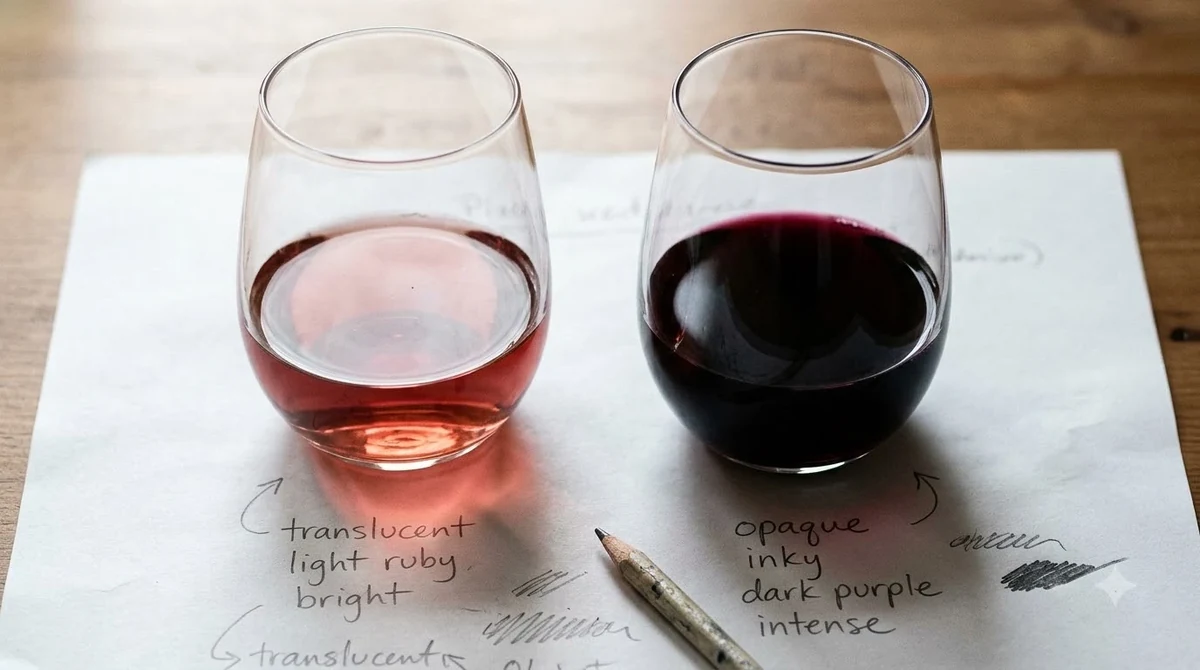
At the top of the sweetness scale sits Tokaji Eszencia, made strictly from the free-run juice of shriveled, botrytis-affected berries without pressing. According to Wine Folly, Eszencia carries such dense sugar concentration—at least 450 grams per liter—that fermentation crawls along for years and rarely pushes past 3% to 5% ABV. That places it closer to a light session beer than a conventional table wine.
Moving into classic Tokaji Aszú, where producers soak crushed botrytized berries in fermenting must or base wine, alcohol rises into a moderate range. Under official Wines of Tokaj cellar regulations, Aszú must contain a minimum of 9% actual alcohol alongside at least 120 grams per liter of residual sugar, and modern bottlings labeled 5 or 6 Puttonyos typically land between 10% and 12.8% ABV.
Dry and late-harvest styles round out the upper end of the alcohol spectrum. Dry Furmint (marked száraz on Hungarian labels) and dry Szamorodni ferment nearly all their grape sugars into alcohol, regularly finishing between 12.5% and 14% ABV with crisp volcanic minerality and brisk acidity.
| Tokaji Style | Typical ABV | Sweetness Profile | Minimum Residual Sugar |
|---|---|---|---|
| Tokaji Eszencia | 2% – 5% | Extremely sweet, syrupy | 450 g/L |
| Tokaji Aszú (5–6 Puttonyos) | 9% – 13% | Luscious, richly sweet | 120 g/L |
| Tokaji Édes Szamorodni | 11% – 13% | Moderately sweet | 45 g/L |
| Tokaji Száraz Szamorodni | 13% – 14% | Dry, oxidative | Dry (under 4 g/L) |
| Dry Tokaji Furmint | 12.5% – 14% | Crisp, bone-dry | Dry (under 4 g/L) |
Why Sweeter Tokaji Wines Have Lower Alcohol
It seems counterintuitive that grapes packed with the highest sugar yield the lowest alcohol, yet basic fermentation biology explains the entire pattern. Yeast cells struggle to survive and multiply when sugar density crosses a critical threshold.
Every autumn, morning mists rising from the Bodrog and Tisza rivers encourage Botrytis cinerea—known as noble rot—to settle on thin-skinned Furmint, Hárslevelű, and Sárgamuskotály grapes. As the fungus dehydrates each berry on the vine, water evaporates while sugars, tartaric acid, and aromatic compounds concentrate dramatically inside the shriveled skin.
When winemakers press or collect juice from those berries, osmotic pressure from the dense sugar slows yeast metabolism to a crawl. In Eszencia, the must is so thick that yeast cells stall after converting only a tiny fraction of sugar into ethanol, leaving behind massive sweetness and single-digit alcohol. Unlike fortified wines where distillers add grape spirit to halt fermentation and raise strength, Tokaji relies purely on natural fermentation.
How Tokaji Compares to Other Dessert and Fortified Wines
Because Tokaji Aszú is celebrated alongside classic after-dinner pours, many drinkers lump it together with fortified bottles that pack far higher alcohol. Checking the back label reveals a sharp split between naturally fermented botrytis wines and spirit-fortified styles.
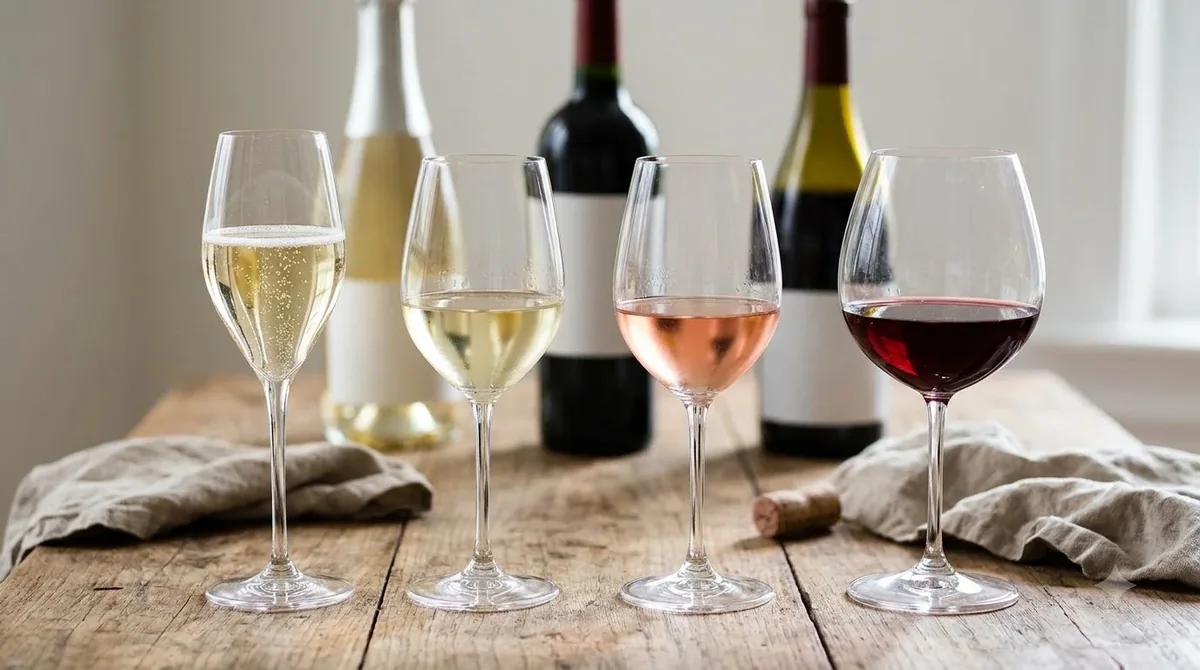
Fortified dessert wines derive their strength from added brandy, which kills yeast early and locks in sweetness at high proof. For example, tawny port alcohol content generally sits around 19% to 20% ABV, while marsala alcohol content spans roughly 15% to 20% ABV depending on classification. By comparison, a glass of 11% ABV Tokaji Aszú carries roughly half the alcohol of a standard port pour.
Tokaji aligns much more closely with unfortified late-harvest and frozen-grape wines, where concentration happens naturally in the vineyard. Looking at ice wine alcohol content, bottles typically finish between 9% and 12% ABV—nearly identical to 5 and 6 Puttonyos Aszú—because freezing water out of the berries creates the same high-sugar fermentation bottleneck.
Reading Tokaji Labels to Predict Alcohol Strength
Hungarian wine labels follow clear naming conventions that tell you whether a bottle leans crisp and high-ABV or sweet and low-ABV, even before you spot the fine print. Learning a few Hungarian terms prevents surprises at dinner.
First, look for the words Száraz (dry) and Édes (sweet). A bottle labeled Tokaji Furmint Száraz or Tokaji Szamorodni Száraz has fermented to dryness and will carry standard dry white wine strength around 13% to 14% ABV. Conversely, Édes signals noticeable residual sugar and slightly softer alcohol.
Second, check for Puttonyos numbers or the word Aszú. Historically, puttonyos referred to 25-kilogram baskets of botrytized berry paste added to a 136-liter Gönci oak barrel. Today, regulations set a 120 g/L minimum residual sugar floor for all Aszú wines, and labels showing 5 Puttonyos or 6 Puttonyos indicate rich, concentrated bottles that normally register between 9.5% and 12.5% ABV.
Tip: Check the bottle size as a quick visual cue—dry Tokaji Furmint almost always comes in a standard 750 mL bottle, whereas sweet Tokaji Aszú and Eszencia are traditionally bottled in 500 mL or 375 mL half-bottles.
Serving Temperature, Pour Size, and Pairing by ABV
Matching your glassware, chill, and portion size to the bottle’s alcohol and sugar balance brings out Tokaji’s signature electric acidity. Serving sweet styles too warm makes them feel heavy, while serving dry Furmint ice-cold mutes its smoky, orchard-fruit character.
For low-alcohol Tokaji Eszencia (2% to 5% ABV), traditional service calls for crystal tasting spoons or tiny 1-ounce cordial pours chilled to around 46°F to 50°F (8°C to 10°C). Because the alcohol is minimal and the concentration is intense, a single ounce delivers minutes of lingering apricot, saffron, and honeycomb flavor.
Sweet Tokaji Aszú (9% to 13% ABV) shines in a standard 2.5- to 3-ounce dessert wine pour served slightly cool at 50°F to 54°F (10°C to 12°C). Its moderate alcohol and piercing acidity cut effortlessly through rich, salty foods like Roquefort blue cheese, seared foie gras, roasted duck, or fruit tarts without feeling heavy on the palate.
Dry Tokaji Furmint (12.5% to 14% ABV) behaves like a structured dry white across Wine by Type categories such as dry Riesling or Chenin Blanc. Serve a standard 5-ounce pour chilled to 46°F to 50°F (8°C to 10°C) alongside roast pork, grilled river fish, or creamy mushroom dishes.
Frequently Asked Questions
Is Tokaji a high-alcohol fortified wine?
No, Tokaji is never fortified with distilled spirits. Every style of Tokaji achieves its alcohol strictly through natural yeast fermentation, resulting in much lower ABV—typically 2% to 14%—than fortified wines like Port or Sherry.
Which Tokaji style has the lowest alcohol content?
Tokaji Eszencia has the lowest alcohol content, typically finishing between 2% and 5% ABV. Because it is made purely from unpressed free-run juice with over 450 grams per liter of sugar, yeast can only ferment a small fraction of the sugar into alcohol.
How much alcohol is in a standard glass of Tokaji Aszú?
Tokaji Aszú typically contains between 9% and 13% ABV, with most 5 and 6 Puttonyos bottlings sitting around 10.5% to 12% ABV. Because it is served in smaller 2.5- to 3-ounce dessert pours, a single serving delivers noticeably less total alcohol than a 5-ounce glass of dry table wine.
Does dry Tokaji Furmint have more alcohol than sweet Tokaji Aszú?
Yes, dry Tokaji Furmint almost always has higher alcohol than sweet Tokaji Aszú. Without heavy botrytis sugar concentration slowing down the yeast, dry Furmint ferments completely to reach 12.5% to 14% ABV, compared to 9% to 13% ABV for Aszú.
Checking the style designation and ABV on any Tokaji bottle takes the guesswork out of shopping Hungary’s most famous wine region. Whether you reach for a crisp 13.5% dry Furmint for dinner or a lush 11% Aszú for the cheese board, natural fermentation keeps the balance bright and vibrant.
More in Wine Types & Grapes
 What Does Mourvèdre Taste Like? Flavor Profile, Regions, and PairingsUpdated Nov 20, 2026
 What Does Marsanne Taste Like? Flavors, Styles, and Food PairingsUpdated Nov 20, 2026
 What Does Malvasia Taste Like? Styles, Flavors, and Food PairingsUpdated Nov 20, 2026
 What Does Grenache Blanc Taste Like? Flavor Profile, Styles, and PairingsUpdated Nov 20, 2026
 What Does Garnacha Taste Like? Key Flavors, Styles, and Pairing TipsUpdated Nov 20, 2026
 What Does Fruit Wine Taste Like? A Complete Flavor and Style BreakdownUpdated Nov 20, 2026