


We may earn a commission when you buy through links on this page, at no extra cost to you. Learn more.
Tokaj wineries are Hungarian wine estates producing the region’s famous Tokaji Aszú, dry Furmint, Hárslevelű, and other distinctive wines in northeastern Hungary. The region includes historic producers such as Royal Tokaji, Disznókő, and Oremus, alongside smaller family-run estates in villages including Mád, Tarcal, and Tokaj. Visitors can explore traditional underground cellars, taste botrytized sweet wines, and discover how volcanic soils and a distinctive continental climate shape the region’s character.
Tokaj is one of Europe’s most historically important wine regions, but its appeal extends beyond its celebrated dessert wines. A new generation of producers has helped establish dry Furmint and other fresh, mineral-driven whites alongside traditional sweet bottlings. Whether you are researching Hungarian wine, planning a tasting trip, or looking for producers to explore, understanding the differences between the region’s estates makes choosing bottles and arranging visits much easier.
Understanding the Tokaj Wine Region and Its History
Tokaj is a historic wine-growing area in northeastern Hungary, covering approximately 5,500 hectares of vineyards across 27 settlements. Its formal boundaries date to 1737, and its historic cultural landscape received UNESCO World Heritage recognition in 2002.

The vineyards stretch through the Tokaj-Hegyalja area, within a landscape shaped by the Zemplén Mountains and the Bodrog and Tisza rivers. The town of Tokaj gives the region its name, but many important vineyards and wineries are located in neighboring communities, particularly Mád, Tarcal, Tolcsva, and Rátka. This geographical spread explains why exploring the area involves more than visiting one town or cellar.
The region’s history is closely connected to Tokaji Aszú, a sweet wine that became famous among European royal courts and wealthy merchants. Its international reputation developed over centuries, supported by a protected growing area and a distinctive production tradition. The 1737 royal decree established the region’s recognized boundaries and helped formalize its identity as a defined wine-producing territory.
Modern Tokaj is considerably more diverse than its historical reputation might suggest. Producers now make dry Furmint, fresh Hárslevelű, late-harvest wines, sparkling wines, and several expressions of sweet Tokaji. This range makes the region relevant to drinkers who prefer crisp white wines as well as those who collect complex dessert wines.
For broader geographical context, the Wine Regions section provides a useful starting point for comparing Tokaj with other European wine-producing areas. Its combination of historic vineyard boundaries, specialized grape varieties, and distinctive cellar traditions gives Tokaj a particularly recognizable identity.
| Regional feature | Typical figure or detail |
|---|---|
| Vineyard area | Approximately 5,500 hectares |
| Recognized settlements | 27 |
| Formal regional demarcation | 1737 |
| UNESCO recognition | 2002 |
| Principal permitted grapes | 6 |
| Major river influences | 2: Bodrog and Tisza |
The Grapes and Wine Styles That Define Tokaj
Tokaj’s identity rests on six principal permitted grape varieties, with Furmint and Hárslevelű playing especially important roles. These grapes produce everything from crisp, dry whites to concentrated sweet wines made from individually selected botrytized berries.
Furmint is the region’s most recognizable variety. It naturally retains high acidity, making it particularly useful for both dry wines and sweet Aszú. Dry examples often show citrus, green apple, pear, orchard fruit, and a distinctive mineral character. Depending on the producer and vineyard, oak maturation can add texture, spice, and subtle toasted notes.
Hárslevelű contributes a different aromatic profile. Its name means linden leaf, and its wines can show floral, herbal, and ripe orchard-fruit characteristics. It is used in dry blends and sweet wines, sometimes adding aromatic complexity to Furmint-led bottlings.
The remaining principal varieties are Sárgamuskotály, known internationally as Muscat Blanc à Petits Grains, Zéta, Kövérszőlő, and Kabar. Muscat contributes floral fragrance, while Zéta is particularly relevant to botrytized wine production. The different varieties give winemakers several ways to build complexity and balance.
Tokaj’s main wine styles are worth understanding before arranging a tasting:
- Dry Furmint: High-acid white wine that ranges from light and citrus-driven to structured and oak-aged.
- Dry Hárslevelű: Aromatic white wine with floral and herbal characteristics.
- Late-harvest wine: Sweeter wine made from grapes harvested later in the season, with varying levels of concentration.
- Tokaji Aszú: Traditional sweet wine made with botrytized grapes, offering concentrated fruit and balancing acidity.
- Eszencia: An exceptionally concentrated, naturally sweet expression associated with the free-run juice of Aszú berries.
These styles are not interchangeable. A dry Furmint can be a refreshing aperitif or a versatile food wine, while a mature Aszú is more suited to deliberate sipping and richer dishes. A tasting that includes both gives visitors a better understanding of how the same growing environment supports remarkably different wines.
Tip: When visiting a Tokaj estate, request a tasting that includes at least one dry Furmint, one Hárslevelű, and one Tokaji Aszú. Comparing these three styles reveals more about the region than sampling several similar sweet wines.
Leading Tokaj Wineries Worth Knowing
Several established producers have helped define the region’s international reputation, including Royal Tokaji, Disznókő, Oremus, and Szepsy. Their portfolios demonstrate how different vineyard locations and winemaking decisions can produce distinct expressions of Furmint and Tokaji Aszú.
Royal Tokaji
Royal Tokaji is one of the best-known names in the modern revival of Hungarian wine. Its work has helped introduce international drinkers to the quality and diversity of Tokaji Aszú, particularly wines connected to individual vineyard sites. The producer is especially relevant to collectors interested in traditional sweet wines with a clear sense of vineyard origin.
Royal Tokaji is also useful for understanding the relationship between the region’s historical reputation and its modern approach to quality. A comparison of its dry and sweet bottlings illustrates how Furmint can express itself in very different forms depending on grape condition, fermentation, and maturation.
Disznókő
Disznókő is another important producer, associated with a substantial vineyard holding on the famous Disznókő Hill. The estate manages approximately 100 hectares of vineyards and is known for its interpretation of Tokaji Aszú. Its work with Zéta also demonstrates the importance of lesser-known permitted varieties in the region.
Disznókő is a particularly interesting name for visitors who want to understand how a large, established estate handles the demanding process of selecting botrytized grapes. Its wines provide an opportunity to explore the relationship between concentrated sweetness, fresh acidity, and ripe fruit.
Oremus
Oremus is one of the prominent estates associated with Tokaj’s modern wine renaissance. Its reputation rests on wines that reflect the region’s traditional grape varieties and distinctive vineyard conditions. The producer is particularly relevant to drinkers interested in the balance between historical Aszú production and contemporary winemaking.
For a focused tasting, compare an Oremus dry white with one of its sweet expressions. The contrast helps demonstrate how acidity and vineyard character can remain recognizable across very different levels of sweetness.
Szepsy
Szepsy is closely associated with the work of István Szepsy, one of the influential figures in modern Tokaj. The estate is particularly relevant to drinkers interested in vineyard-specific wines and the expression of individual growing sites. Its wines have helped establish a stronger appreciation for the diversity of Tokaj’s vineyard landscape.
These four producers are excellent reference points, but they represent only part of the region. Smaller estates can offer a more intimate perspective, particularly when exploring individual vineyards and less widely distributed bottlings.
Smaller Family Estates and Distinctive Producers
Some of the most interesting Tokaj experiences come from smaller producers whose work emphasizes family traditions, particular vineyard sites, and limited production. Dobogó, Zsirai, Hímesudvar, Patricius, and Tokaj Nobilis are useful names to investigate when looking beyond the region’s largest estates.
Dobogó Winery
Dobogó Winery was founded in 1995 in the center of Tokaj. The family-run estate cultivates approximately five hectares of vineyards, including parcels in the Betsek, Szent Tamás, and Úrágya vineyards in Mád.
This combination of a small vineyard area and several recognized growing sites makes Dobogó an interesting producer for visitors who want to compare expressions of Tokaj’s terroir. Its wines also provide an opportunity to examine how smaller estates approach traditional styles without relying on large-scale production.
Zsirai Winery
Zsirai Winery began acquiring vineyards in 2005. Its holdings extend across Tállya, Tarcal, and Rátka, including vineyards around Mád. The estate cultivates approximately 13 acres, making it a useful example of a smaller regional producer with holdings in several communities.
Its geographical spread is particularly interesting because the villages of Tokaj do not all produce identical wines. Different slopes, elevations, and soil conditions can influence ripening and the character of the resulting grapes.
Hímesudvar Winery
Hímesudvar is a family-operated winery with approximately three hectares of vineyards. Its annual production is around 10,000 bottles, giving visitors an example of a relatively small operation within the wider Tokaj region.
The estate is worth considering for travelers interested in family-scale wine production and a more personal introduction to local varieties. Its modest vineyard area also helps illustrate the differences between small growers and larger producers such as Grand Tokaj.
Patricius Winery
Patricius was established by the Kékessy family. Its owners are Dezső Kékessy and his daughter Katinka Kékessy, whose family history is closely connected to the estate’s winemaking mission.
Patricius is another name to consider when exploring producers that combine family ownership with the traditional grape varieties of Tokaj. Its presence adds another perspective to a regional tasting itinerary that might otherwise focus entirely on large international names.
Tokaj Nobilis and Other Artisan Producers
Tokaj Nobilis is a smaller artisan producer whose stated approach emphasizes wines that reflect local terroir and traditional varieties. It is particularly relevant to visitors interested in wines made with a strong connection to individual vineyards and the natural characteristics of the region.
Other names worth researching include Karádi-Berger, Zsadányi, and Kvaszinger. Each contributes to the diversity of the region, demonstrating that Tokaj’s reputation is supported by more than a handful of internationally recognized estates.
Where to Find Tokaj Wineries and Historic Cellars
Tokaj’s main winery villages include Tokaj, Mád, Tarcal, Tolcsva, Rátka, and Erdőbénye. Each offers a different perspective on the region, from established cellar traditions in Tokaj to vineyard-focused producers around Mád and smaller family operations elsewhere.
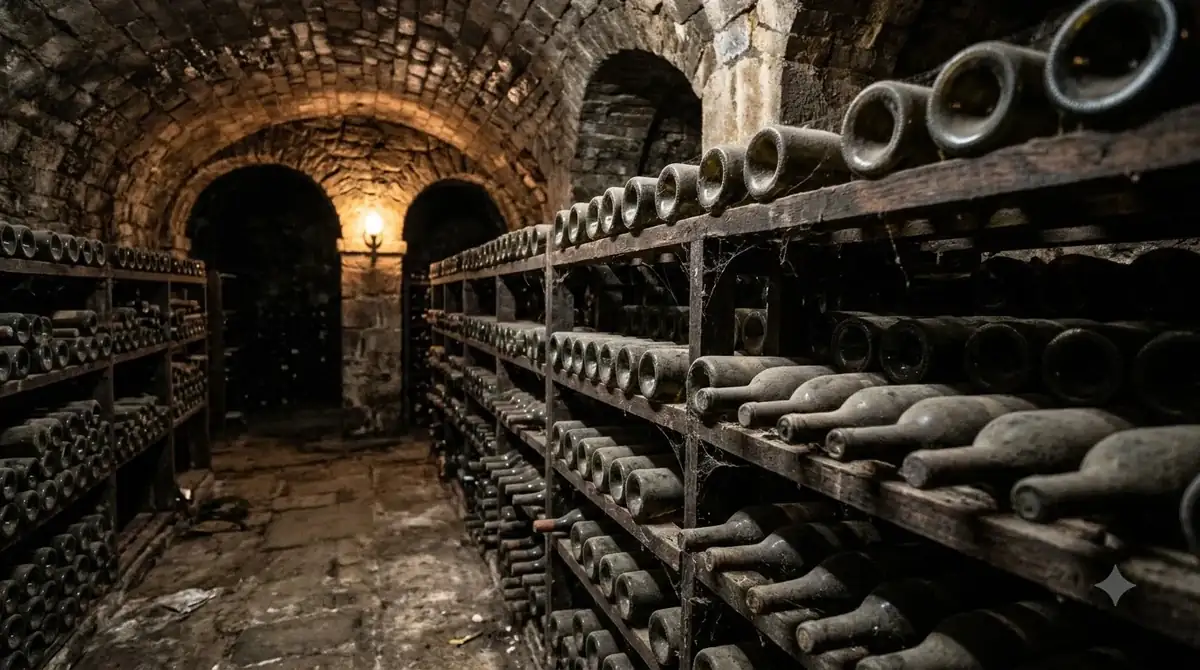
Tokaj town is a convenient starting point for first-time visitors. It has historic cellars, established tasting venues, and producers such as Dobogó and Erzsébet Cellar. The historic Rákóczi Cellar is another important stop, with origins dating to the early 15th century. Its underground spaces help visitors understand the long history of wine storage and maturation in the region.
Mád is especially important for visitors interested in Furmint and vineyard expression. Several notable producers have vineyards around the village, including Szepsy, Royal Tokaji, and Dobogó. Mád is also a useful place to compare wines from different vineyard sites without traveling across the entire region.
Tarcal provides another attractive base for wine exploration. Its position near Tokaj makes it practical for visitors combining vineyard visits with sightseeing. The village and surrounding hills are associated with several important producers and offer a different perspective on the region’s landscape.
Tolcsva is worth including for historic cellar architecture and established wine estates. Erzsébet Cellar, for example, has a central cellar in Tokaj dating to the 1700s, while several producers in the surrounding communities maintain traditional underground facilities.
Rátka is home to Angyal Winery and Wine Estate. The property has 12 guest rooms and a cellar nearly one kilometer long, making it an interesting destination for travelers seeking accommodation alongside wine experiences.
Erdőbénye is another village to consider, particularly for smaller producers and local wine culture. Illés Winery maintains its main cellar here, and the village is a useful addition to an itinerary focused on family-owned estates.
The official Tokaj wine-tasting directory provides a starting point for identifying wineries and cellar experiences across these settlements.
Planning Winery Visits and Tasting Experiences
A successful Tokaj wine trip benefits from focusing on two or three villages rather than attempting to visit every major estate in a single day. A two-day itinerary gives visitors time to compare producers, explore historic cellars, and enjoy the region’s landscape without rushing between appointments.
Build a Two-Day Wine Itinerary
For a first visit, begin in Tokaj town. Spend the morning exploring its historic cellar district and arranging a tasting at an established producer. Include a dry Furmint and a traditional Aszú in the tasting to understand the region’s most important styles.
In the afternoon, visit a second producer in or near Tokaj. Comparing a larger estate with a smaller family winery can reveal differences in production scale, vineyard selection, and winemaking philosophy. Finish the day with a local meal and an overnight stay in the area.
On the second day, travel toward Mád and Tarcal. These villages offer opportunities to explore vineyard-focused wines and visit several recognized producers. If time allows, include Rátka or Tolcsva for another perspective on smaller estates and traditional cellar architecture.
Arrange Tastings Before Arrival
Not every winery operates as an open-door tasting room. Some require appointments, particularly smaller family estates where production and visitor services are managed by the same team. Contact wineries in advance to ask about available tasting times, languages, cellar access, and the number of wines included.
A useful tasting usually includes three to six wines, depending on the estate. Ask whether the selection includes a dry Furmint, an aromatic white, a late-harvest wine, and a Tokaji Aszú. This gives a more complete picture than a tasting consisting entirely of similar sweet wines.
Consider Transportation
Tokaj’s villages are spread across a relatively large area, and winery visits often involve multiple stops. The regional tourism organization recommends wine buses and shuttle services for visitors who are traveling by car and want to participate in tastings.
Visitors should avoid planning a driving schedule around several full tastings. A designated driver, organized wine tour, or local transfer service makes it easier to visit multiple producers responsibly. Walking between nearby cellar locations can also be practical in Tokaj town and certain village centers.
For a more relaxed experience, plan two or three winery visits per day rather than trying to fit five or six into a tight schedule. This leaves room for vineyard views, cellar tours, and conversations with winery staff.
Travelers interested in comparing Tokaj with other European white-wine destinations can also explore Wachau wineries, where Austria’s Danube Valley offers a different expression of cool-climate white wines. For a contrast in regional identity and indigenous varieties, txakoli wineries in Spain’s Basque Country provide another useful comparison.
How to Taste, Serve, and Pair Tokaji Wines
Tokaj wines benefit from thoughtful serving temperatures and food pairings that respect their acidity, sweetness, and texture. Dry Furmint works particularly well with savory food, while Tokaji Aszú is a natural partner for desserts and selected rich or salty dishes.
Serving Temperatures
Dry Furmint is best served around 45–50 degrees Fahrenheit when it is light and fresh. More structured, full-bodied white wines can be served slightly warmer, around 50–55 degrees Fahrenheit, allowing their texture and aromatic complexity to become more apparent.
Sweet Tokaji Aszú is generally best served around 43–50 degrees Fahrenheit. Chilling helps preserve freshness and prevents its sweetness from overwhelming the palate. Avoid serving it so cold that its aromatic qualities become difficult to appreciate.
For tasting flights, begin with lighter dry whites and move toward more concentrated late-harvest wines and Aszú. This progression makes it easier to recognize the differences in sweetness, acidity, and concentration.
Food Pairings for Dry Furmint
Dry Furmint’s high acidity makes it a useful partner for foods with similar freshness. It works well with grilled white fish, shellfish, roast chicken, and dishes featuring lemon or fresh herbs. Its acidity can also cut through the richness of creamy sauces and buttery preparations.
For Hungarian-inspired meals, consider pairing it with freshwater fish, poultry, and dishes featuring mushrooms. The wine’s citrus and mineral characteristics provide contrast to richer textures without overwhelming delicate flavors.
Hárslevelű is another appealing choice with aromatic dishes. Its floral and herbal notes can complement roasted vegetables, mild cheeses, and lighter poultry preparations.
Food Pairings for Tokaji Aszú
Tokaji Aszú is traditionally associated with dessert, but it can accompany more than sweet pastries. Blue cheese, foie gras, fruit-based desserts, and dishes with nuts can all work particularly well. The wine should generally be at least as sweet as the dessert to prevent the pairing from making the wine seem sour or thin.
Fruit desserts featuring apricot, peach, pear, or citrus can echo the wine’s concentrated fruit characteristics. Almond pastries and creamy desserts also provide complementary textures.
Salt and fat can soften the perception of tannin in red wines, but Tokaji Aszú is a sweet white wine, so acidity and sweetness are more important considerations. A salty blue cheese offers a particularly interesting contrast to its concentrated sweetness.
Storage and Opening
Store unopened bottles on their sides in a cool, dark location near 55 degrees Fahrenheit when the closure and bottle design are suitable for horizontal storage. Avoid major temperature changes and direct sunlight.
After opening, refrigerate still Tokaj whites and sweet wines. Most opened still wines are best consumed within three to five days, although the exact period depends on the wine’s condition, closure, and storage. Use a suitable stopper to limit oxygen exposure.
For collectors, mature Aszú can offer rewarding complexity, while younger dry Furmint is often most appealing for its freshness and lively fruit. The two styles serve different purposes, making Tokaj particularly versatile for both immediate enjoyment and cellar exploration.
Frequently Asked Questions
Are Tokaj wineries open throughout the year?
Many estates receive visitors outside the harvest season, but opening arrangements vary by producer. The annual Bor, Mámor, Bénye festival in Erdőbénye is one example of a regional event that combines wine, local culture, and entertainment. Winter visits may require additional advance planning because smaller wineries often operate with limited visitor facilities.
What does the name Tokaji mean on a wine label?
Tokaji is the Hungarian adjective associated with Tokaj and is used to identify wines connected to the protected regional origin. It does not automatically mean that a wine is sweet. Tokaji wines include dry whites, late-harvest bottlings, and traditional sweet Aszú, so the specific wine designation matters.
What is the difference between Tokaji Aszú and Eszencia?
Tokaji Aszú is produced using selected botrytized berries that are macerated in must or wine before fermentation and maturation. Eszencia is a much more concentrated specialty made from the naturally released juice of Aszú berries. Its extremely high sugar concentration and distinctive production make it a rare wine that is generally enjoyed in very small quantities.
Can Tokaji Aszú age for several decades?
High-quality Tokaji Aszú can develop over several decades under suitable storage conditions. Its combination of concentrated sugar and high acidity supports long maturation, during which fresh fruit characteristics can evolve toward dried fruit, caramel, spice, and other complex aromas. The aging potential depends on the vintage, producer, and quality of the individual bottle.
Is Tokaj suitable for visitors who do not drink sweet wine?
Yes. The region has a substantial selection of dry white wines, particularly Furmint and Hárslevelű. Some estates also produce sparkling wines and other styles that provide alternatives to dessert wine. Visitors who prefer dry wines can build an entire tasting itinerary around these bottlings without missing the region’s distinctive character.
Tokaj offers a rare combination of historic wine culture, distinctive volcanic vineyards, and a modern range of dry and sweet wines. From internationally recognized producers such as Royal Tokaji, Disznókő, and Oremus to smaller estates in Mád, Tarcal, and Rátka, the region rewards visitors who take time to explore its different villages and cellar traditions. A tasting that combines dry Furmint with traditional Tokaji Aszú is one of the best ways to understand why this Hungarian wine region remains so distinctive.
More in Wine Regions
 Willcox Wine Trail: Discover Arizona’s High-Elevation Wine CountryUpdated Nov 20, 2026
 Yakima Valley Wine Region: Find the Best Styles to TryUpdated Nov 20, 2026
 Vosne Romanee Wine Tasting: Identify Aromas and Choose Better PairingsUpdated Nov 20, 2026
 Yakima Valley Wine Festival: Find the Best Seasonal Wine EventsUpdated Nov 20, 2026
 Wales Vineyards: Discover Cool-Climate Wines and Where to VisitUpdated Nov 20, 2026
 Yountville Wine Festival: Discover Napa Wines and Local FoodUpdated Nov 20, 2026