

We may earn a commission when you buy through links on this page, at no extra cost to you. Learn more.
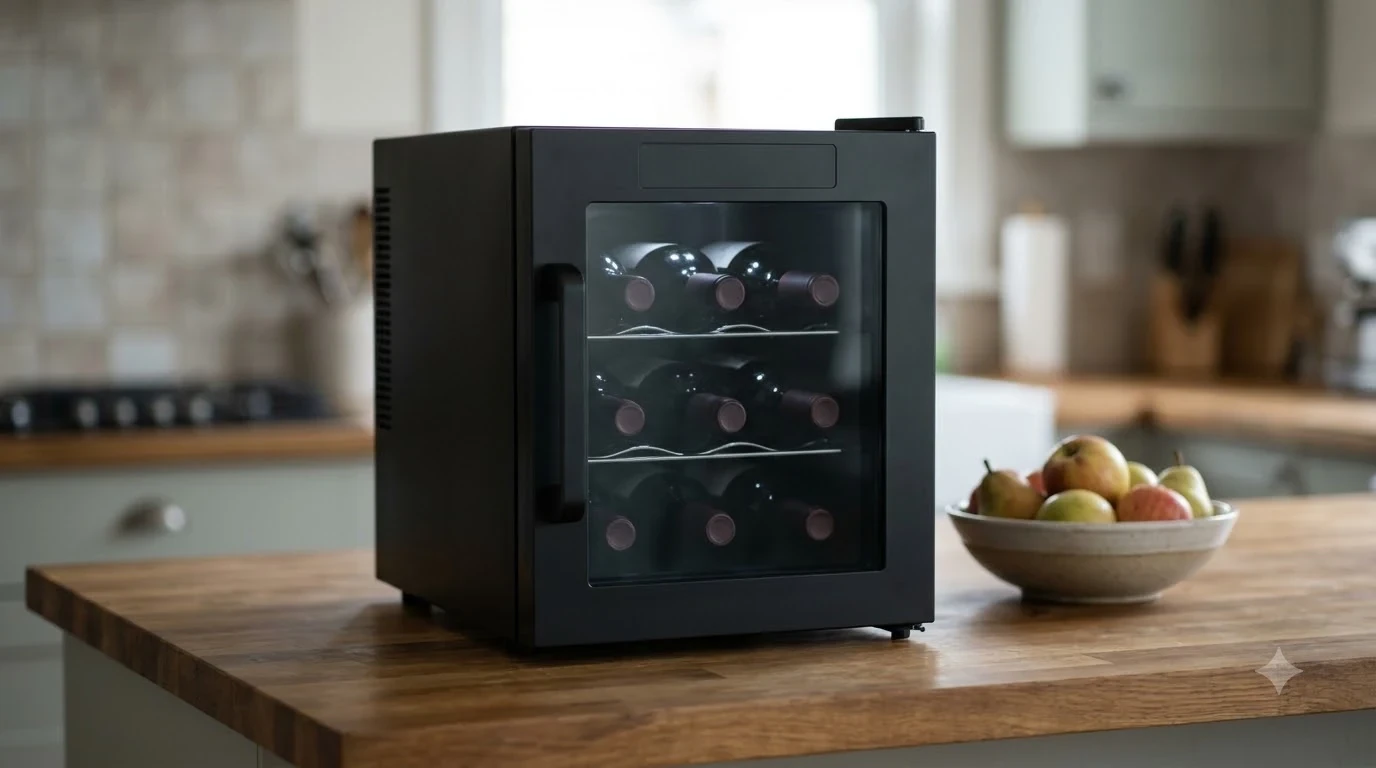
A thermoelectric wine cooler not cooling usually has a ventilation problem, an excessively warm room, a faulty fan, a poor door seal, or a problem with its cooling module. Unlike compressor refrigerators, thermoelectric models depend on semiconductor technology and fans to move heat away from the cabinet. Start by checking the power supply, room temperature, airflow, and temperature settings before considering component failure. Many cooling problems can be corrected without replacing the appliance.
A thermoelectric wine cooler is designed for relatively quiet operation and compact wine storage, but its cooling capacity depends heavily on its surroundings. A unit that works properly in an air-conditioned room may struggle in a warm kitchen, an enclosed cabinet, or a location with restricted airflow. Understanding how its cooling system works makes troubleshooting considerably easier.
How Thermoelectric Wine Cooler Cooling Systems Work
A thermoelectric wine cooler uses a semiconductor cooling device to transfer heat from inside the cabinet to the outside. Its performance depends on the cooling module, heat-dissipation surfaces, and fans working together rather than on a conventional compressor and refrigerant cycle.
The central component is commonly called a Peltier module. When electrical current passes through this semiconductor device, one side becomes cooler while the other becomes hotter. The cold side transfers heat away from the wine compartment, while the hot side releases that heat into the surrounding room through a heat sink.
Fans help move air across these surfaces. Depending on the model, a cooler may have an internal circulation fan, an external heat-sink fan, or both. The internal fan distributes cooler air throughout the storage compartment, while the external fan helps remove heat from the cooling assembly. If either fan stops working, overall performance can decline substantially.
This arrangement explains why thermoelectric wine refrigerators are sensitive to installation conditions. A compressor refrigerator can generally produce a stronger temperature difference between its cabinet and surroundings. A thermoelectric model has more limited cooling capacity, so high room temperatures and poor heat removal can prevent it from reaching its selected temperature.
Understanding the temperature difference
Some thermoelectric wine coolers are designed to maintain an internal temperature approximately 15°F to 20°F below the surrounding room temperature under favorable operating conditions. This is a general illustration of the limitations found in certain compact models, not a universal specification. The actual temperature difference depends on the cooling module, cabinet insulation, ventilation, bottle load, and ambient conditions.
For example, a cooler operating in a 75°F room may be capable of maintaining a useful wine-storage temperature. The same appliance in a 90°F room may struggle to maintain its target setting. If the room becomes even warmer, the cabinet may remain significantly above the selected temperature despite continuous fan operation.
Before diagnosing a defect, identify whether your appliance is thermoelectric or compressor-based. The product manual, model number, or manufacturer’s specifications should provide this information. The distinction matters because the troubleshooting priorities and repair procedures are different.
Room Temperature and Poor Ventilation Reduce Cooling Performance
Excessive ambient heat and restricted airflow are two of the most common reasons a thermoelectric wine cooler cannot reach its target temperature. Moving the appliance into a suitable room and restoring the required ventilation may solve the problem without any replacement parts.
Start by measuring the temperature of the room near the appliance. Many compact thermoelectric wine coolers are intended to operate in surroundings between approximately 60°F and 80°F, although individual manufacturer specifications differ. NutriChef recommends an ambient range of 60°F to 80°F, while WHYNTER specifies an installation environment above 60°F and below 90°F for its WC-201TD model.
These operating ranges are important because the cooling module must release heat into the surrounding air. A cooler positioned next to an oven, dishwasher, radiator, or sunny window may receive more heat than its cooling system can effectively remove. A warm garage or an enclosed kitchen cabinet can create similar conditions.
Next, inspect the ventilation openings. Dust, furniture, walls, curtains, and nearby objects can prevent the external fan from moving enough air through the heat sink. When heated air accumulates around the cooler, the cooling module becomes less effective and the internal temperature may remain too high.
Clearance requirements depend on the appliance. WHYNTER recommends 6 inches behind and 4 inches on each side of its WC-201TD. NutriChef suggests 6 inches behind and 10 inches on both sides for the models covered by its instructions. Devanti specifies different minimum clearances, including 80–100 mm at the sides and 50 mm underneath.
| Manufacturer or model | Recommended room temperature | Ventilation guidance |
|---|---|---|
| WHYNTER WC-201TD | Above 60°F and below 90°F | 6 inches behind; 4 inches on each side |
| NutriChef PKTEWC series | 60°F–80°F | 6 inches behind; 10 inches at the sides |
| Devanti WC series | Approximately 73°F–77°F | 80–100 mm at sides; 50 mm underneath |
These figures come from the respective manufacturers’ instructions and should not be treated as interchangeable specifications. Always use the requirements for your particular model, especially if the appliance has ventilation openings on its sides rather than at the rear.
Tip: Move the cooler away from direct sunlight and heat-producing appliances, then clear its ventilation openings. Give the external fan enough unobstructed space to discharge warm air. Do not push the unit into an enclosed cupboard unless the manufacturer specifically approves that installation.
After correcting the location, keep the door closed and allow the appliance time to stabilize. If the temperature gradually improves, restricted airflow or excessive room heat was probably contributing to the problem. If the cabinet remains warm despite a suitable environment, continue with the next checks.
Power Supply and Temperature Controls Need Checking
A wine cooler cannot operate correctly if its power supply is interrupted, its control panel is locked, or its temperature setting is inappropriate. Confirm that the appliance has reliable electrical power before investigating the cooling components.
First, check that the power cord is firmly connected to a working wall outlet. Look for an illuminated display, an interior light, or other signs that the unit is receiving power. If the display is blank, check the outlet using another suitable appliance and inspect the home’s circuit breaker or fuse.
Never use a damaged cable, loose plug, or overheated electrical outlet. Do not remove grounding connections or attempt to bypass electrical protection. If the cord, plug, or outlet shows signs of damage, stop using the appliance and arrange qualified assistance.
Some thermoelectric wine coolers also have electronic control-panel locks. For example, the NutriChef PKTEWC instructions describe a control panel that automatically locks 20 seconds after the last button press. The user must follow the manufacturer’s button sequence to reactivate the controls before adjusting the temperature.
Check the selected temperature
Look at the display and confirm that the selected temperature is lower than the current cabinet temperature. A cooler set to 60°F will not actively cool its contents toward 50°F unless its controls allow that lower setting. Some models also have different temperature ranges depending on their size and configuration.
For example, the NutriChef PKTEWC08 has a specified temperature range of 46°F to 64°F, while the PKTEWC16 has a range of 54°F to 64°F. Other models have different minimum settings. A setting outside the appliance’s supported range cannot be achieved through normal operation.
If the controls appear unresponsive, consult the manual for the correct control-panel release procedure. Avoid repeatedly disconnecting and reconnecting the appliance as a substitute for diagnosing an electrical problem.
Some appliances also display the selected temperature rather than the continuously measured temperature. The display may therefore show the target setting even when the actual cabinet is warmer. Use a separate refrigerator thermometer to verify the internal conditions.
Cooling Fans and Dust Buildup Can Cause Failure
A failed fan can prevent a thermoelectric wine cooler from transferring heat effectively. If the unit has power but the cabinet remains warm, listen for fan operation and inspect accessible ventilation areas for dust or obstructions.
Most thermoelectric models rely on an external fan to move air across the hot side of the cooling module. If that fan stops, the heat sink cannot release heat efficiently. The cooling module may continue receiving electrical power, but its performance can deteriorate because heat remains trapped around the assembly.
An internal fan serves a different purpose. It circulates air within the storage compartment, helping distribute cooling more evenly. A malfunctioning internal fan may cause noticeable temperature differences between shelves or sections of the cabinet.
Listen carefully when the appliance is operating. A normal fan may produce a consistent humming or airflow sound. A grinding, scraping, squealing, or intermittent rattling noise deserves attention, especially if cooling performance has declined at the same time.
Clean accessible ventilation areas
Dust can accumulate on external grilles and fan covers, restricting airflow. Before cleaning, switch off and unplug the cooler. Remove dust from accessible openings using a soft brush or an appropriate vacuum attachment without pushing debris deeper into the appliance.
Do not spray water or cleaning chemicals into ventilation openings. Avoid touching fan blades, wiring, heat sinks, or electrical components. If the external fan is behind a removable service panel, follow the manufacturer’s cleaning instructions rather than removing the panel without authorization.
After cleaning, restore the power and observe whether the fan operates normally. If a fan remains stationary, makes unusual noises, or fails to move air, it may require replacement. A technician can establish whether the problem is the fan itself, its wiring, the control board, or the cooling assembly.
For additional troubleshooting involving other appliance designs, see our information on Allavino wine fridge not cooling. Compressor-based and thermoelectric models can have different causes of inadequate cooling, so identifying the cooling technology is essential before following repair advice.
Door Seals, Bottle Loading, and Frost Affect Cabinet Temperature
A poorly sealed door allows warm room air to enter the cabinet, making it harder to maintain a stable temperature. Excessive bottle loading and repeated door openings can also increase cooling demand beyond what a small thermoelectric unit can comfortably handle.
Begin by inspecting the entire door gasket. Look for dirt, gaps, cracks, deformation, or sections that have pulled away from the door. A damaged seal can allow warm air to enter continuously, even when the door appears closed.
Clean the gasket with a soft cloth and mild cleaning solution, then dry it thoroughly. Inspect the contact surface around the cabinet opening for dirt or obstructions. If the gasket is visibly damaged or no longer seals evenly, contact the manufacturer about an appropriate replacement.
Also check whether the appliance is level. An uneven cabinet can interfere with door alignment, especially if the hinges or magnetic seal are already worn. Confirm that shelves are installed correctly and that bottles are not preventing the door from closing completely.
Avoid overloading the storage compartment
Adding several room-temperature bottles at once introduces a substantial amount of heat into a small storage cabinet. The cooler must remove that heat while maintaining the temperature of the bottles already inside.
For example, a compact eight-bottle cooler filled with warm bottles will generally need more time to stabilize than the same appliance holding only a few previously chilled bottles. Allow sufficient operating time after a large load and avoid opening the door repeatedly while the temperature is recovering.
Leave enough space for the internal circulation fan to move air around the bottles. Do not press bottles against fan covers, ventilation openings, or the temperature sensor. Follow the shelf-loading instructions rather than forcing additional bottles into spaces that obstruct circulation.
Understand frost and condensation
Frost on an internal cooling surface can restrict airflow and interfere with normal operation. Excessive humidity, frequent door openings, and unfavorable room conditions may contribute to frost accumulation in certain models.
If frost is visible, consult the manufacturer’s defrosting instructions. Some models require the appliance to be switched off and unplugged until the ice melts naturally. Never chip away ice with a knife, screwdriver, or other sharp object, and do not use a heat gun or open flame.
Once the frost has melted, dry the interior and restart the cooler according to its manual. If the problem returns repeatedly, the underlying cause may involve the door seal, humidity conditions, temperature controls, or a defrosting-related malfunction.
How to Test the Cooling Module and Identify Internal Faults
If ventilation, room temperature, power, temperature settings, and door sealing are all satisfactory, an internal component may have failed. The main suspects include the thermoelectric module, power supply board, temperature sensor, fan, and associated electrical connections.
The cooling module is the component that creates the temperature difference between its cold and hot surfaces. A damaged module may prevent the appliance from cooling even when the fans are operating. A faulty power board or wiring connection can produce similar symptoms by interrupting power to the cooling system.
Devanti’s troubleshooting instructions specifically identify a damaged printed circuit board, failed fan, and defective cooling module as possible reasons for a complete lack of cooling. These are component-level faults that generally require qualified servicing rather than routine cleaning or adjustments.
Use a controlled cooling test
A simple observation test can help determine whether the cooler is recovering after basic troubleshooting. It cannot confirm which internal component has failed, but it provides useful information for deciding whether professional service is needed.
- Move the appliance to a room within its recommended ambient temperature range.
- Ensure the rear and side ventilation openings have the required clearance.
- Check that the power cord, outlet, and temperature controls are functioning.
- Set the temperature to a suitable value within the model’s operating range.
- Place a separate thermometer inside the cabinet, away from the cooling outlet and door.
- Close the door and avoid adding more bottles during the test.
- Observe the temperature over several hours, allowing additional time for a full bottle load to stabilize.
Record both the room temperature and the cabinet temperature. A cooler that gradually becomes colder is behaving differently from one that stays at room temperature despite continuous operation. This distinction can help a service technician narrow down the problem.
For a more detailed comparison of common appliance symptoms, our article about Magic Chef wine fridge not cooling covers another type of wine refrigerator troubleshooting. You can also find general storage and maintenance advice in our Wine Fridge Troubleshooting section.
When professional repair is necessary
Contact an appliance technician if the cooler remains warm after the basic checks, the display fails repeatedly, or a fan does not operate. Professional diagnosis is especially important when the suspected fault involves the power board, thermoelectric module, temperature sensor, or internal wiring.
Do not open electrical compartments while the appliance is connected to power. A thermoelectric cooling module may look simple from the outside, but its operation depends on electrical connections, thermal contact surfaces, and heat dissipation. Incorrect handling can damage the cooling assembly or create an electrical hazard.
Before arranging service, gather the model number, serial number, approximate room temperature, selected setting, measured cabinet temperature, and any unusual noises. Note whether the external fan operates and whether the display remains illuminated. These details can make diagnosis more efficient.
If the appliance is still under warranty, contact the manufacturer or authorized service provider before attempting internal repairs. Unauthorized disassembly may affect warranty coverage.
Preventing Future Thermoelectric Wine Cooler Cooling Problems
Regular maintenance and suitable installation conditions can help prevent recurring cooling problems. The most important habits are maintaining airflow, controlling room temperature, limiting unnecessary door openings, and keeping the cabinet clean.
Choose a location away from direct sunlight and heat-producing appliances. A climate-controlled room is preferable to an unheated garage, a hot utility room, or a location next to a cooking range. Maintain the manufacturer’s required clearances instead of assuming that a small gap behind the cooler is sufficient.
Clean accessible ventilation grilles periodically so that dust does not accumulate around the fan and heat sink. Inspect the door gasket for dirt or deformation and make sure the door closes fully after every use. A clean seal helps prevent warm air from entering the storage compartment.
Load bottles gradually rather than filling an empty cabinet with numerous warm bottles at once. Keep shelves properly arranged and avoid blocking internal circulation openings. Once the desired temperature has been reached, minimize unnecessary door openings.
Temperature monitoring is another useful preventive measure. A separate thermometer can help identify changes that the appliance’s display may not clearly communicate. Compare the measured temperature with the selected setting after the cabinet has had sufficient time to stabilize.
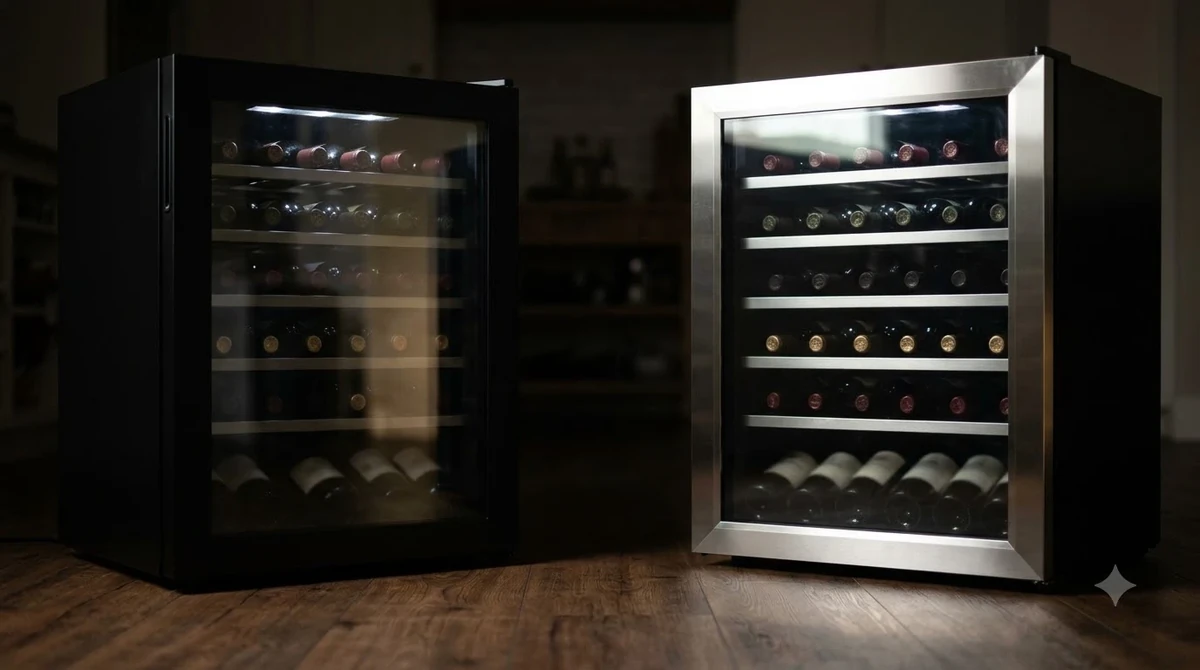
It is also important to understand the limitations of a thermoelectric cooler. These appliances are best suited to environments that remain within their recommended ambient temperature range. If the room is consistently hot, a compressor wine refrigerator may be a more suitable option for maintaining lower storage temperatures.
For wine storage, stability matters more than repeatedly changing the temperature setting. Avoid making frequent adjustments in response to small fluctuations, and allow the cabinet to settle after each change. Consistent operating conditions reduce unnecessary strain on the cooling system.
If you are comparing alternative wine refrigerator models, consider the room temperature where the appliance will operate, its ventilation requirements, storage capacity, and cooling technology. A model that suits a climate-controlled dining room may not be appropriate for a warm enclosed kitchen.
For additional manufacturer-specific troubleshooting, consult the WHYNTER WC-201TD owner’s manual, which includes installation requirements, operating instructions, and a troubleshooting guide. The Devanti thermoelectric wine cooler manual also provides model-specific ventilation and component-failure guidance.
Frequently Asked Questions
Do thermoelectric wine coolers use refrigerant?
Thermoelectric wine coolers use semiconductor modules rather than the conventional refrigerant-based compression cycle found in compressor refrigerators. Their cooling action relies on electrical current passing through dissimilar semiconductor materials. This is why the cooling module and its heat-dissipation system are central to operation.
Can a thermoelectric wine cooler work in a garage?
It depends on the garage’s temperature throughout the year and the appliance’s specified operating range. An unheated garage can become too cold in winter and excessively hot in summer. A climate-controlled location is generally more appropriate for a thermoelectric wine cooler.
Does a thermoelectric wine cooler need to run continuously?
The cooling fan and module may cycle or operate for extended periods depending on the thermostat, room conditions, and temperature difference required. Continuous fan operation is not automatically evidence of a malfunction. However, unusually long operation combined with inadequate cooling deserves investigation.
Can moving a thermoelectric wine cooler damage it?
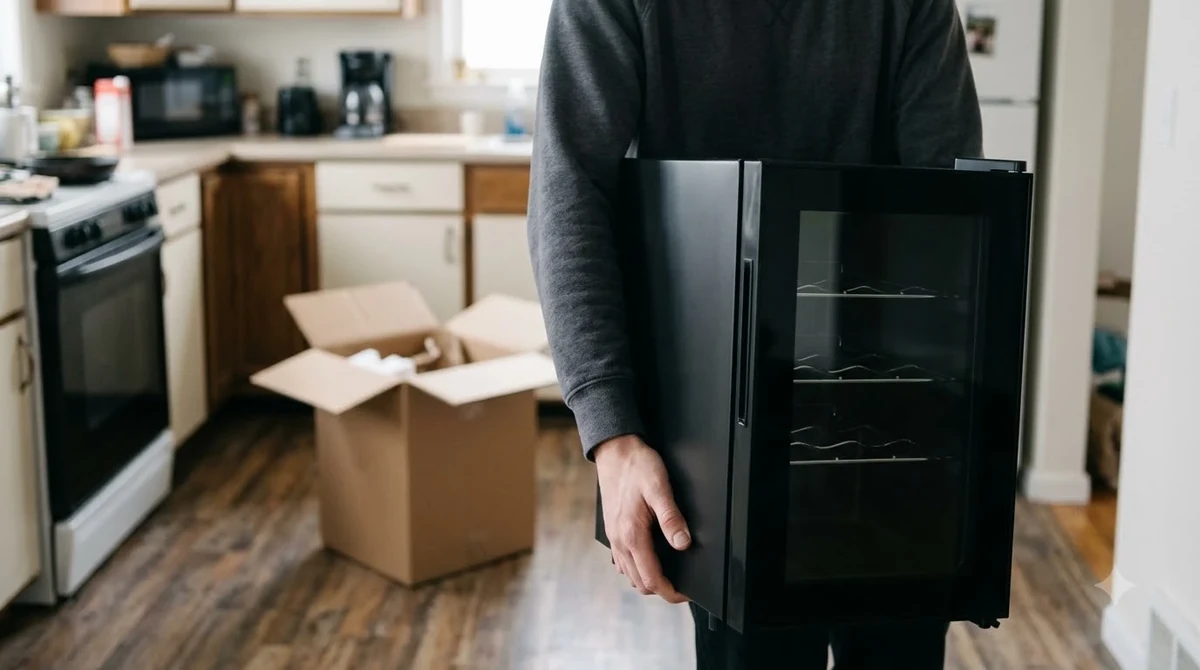
Improper handling can damage electrical connections or other internal components. Keep the appliance upright during transportation whenever possible and follow its manufacturer’s instructions before reconnecting it. WHYNTER recommends allowing its WC-201TD to stand upright for approximately 2 hours before connecting it after transportation.
Are thermoelectric wine coolers suitable for long-term wine storage?
Some models can maintain useful wine-storage temperatures in a suitable environment, but their limited cooling capacity makes room conditions particularly important. Long-term storage also requires protection from excessive temperature fluctuations, sunlight, and unsuitable humidity conditions. A properly sized wine refrigerator with reliable temperature control is preferable for valuable collections.
A thermoelectric wine cooler that stops cooling does not necessarily need a new cooling module or a replacement appliance. Start with the room temperature, ventilation, power supply, controls, fans, and door seal before considering internal component failure. If the cabinet still cannot reach its target temperature after these checks, arrange professional diagnosis to protect the appliance and the wine stored inside.
More in Storage & Fridge Care
 How Long Can You Store Wine in a Wine Fridge? Protect Bottle QualityUpdated Nov 20, 2026
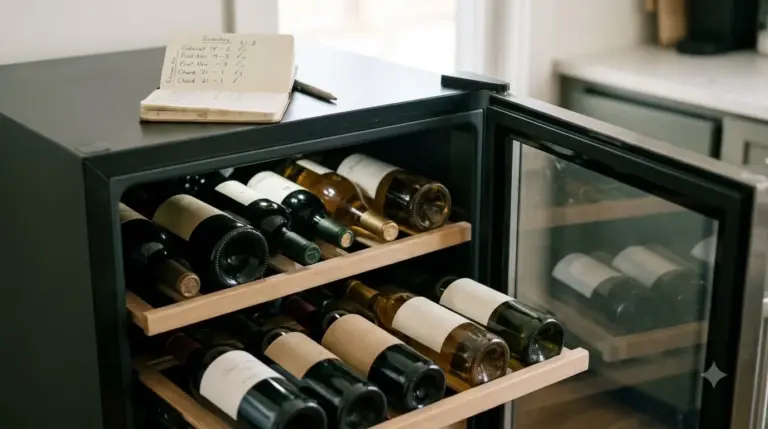 Can You Store Beer in a Wine Fridge? Keep Both Drinks FreshUpdated Nov 20, 2026
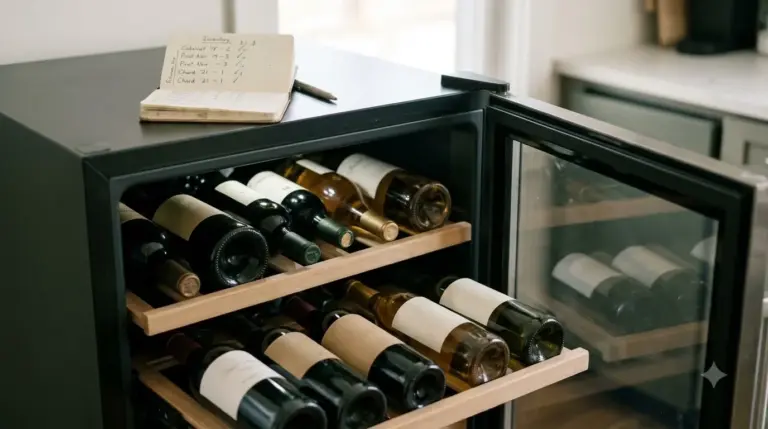 Is It Worth Repairing a Wine Fridge? Spot the Cheap Fixes Before You ReplaceUpdated Nov 20, 2026
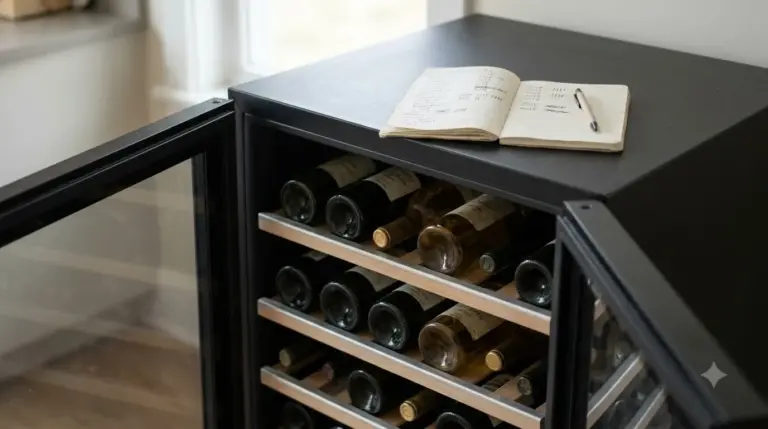 Wine Fridge Condensation: Identify Causes and Fix Moisture ProblemsUpdated Nov 20, 2026
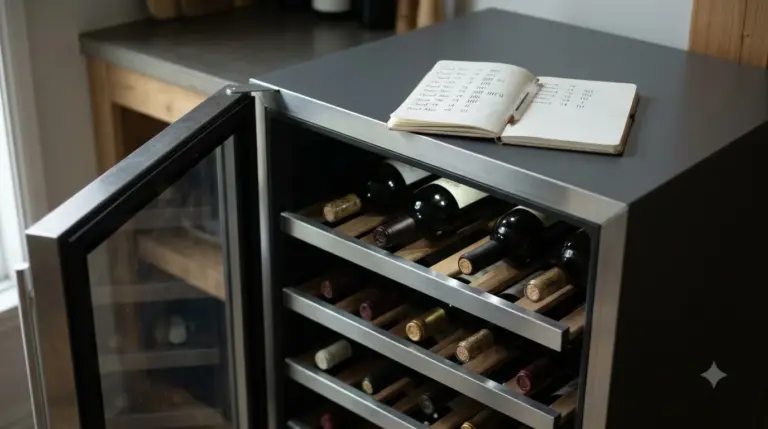 Wine Fridge Too Cold: Protect Your Wine and Fix the TemperatureUpdated Nov 20, 2026
 How to Reset Wine Fridge: Restore Cooling and SettingsUpdated Nov 20, 2026