

We may earn a commission when you buy through links on this page, at no extra cost to you. Learn more.
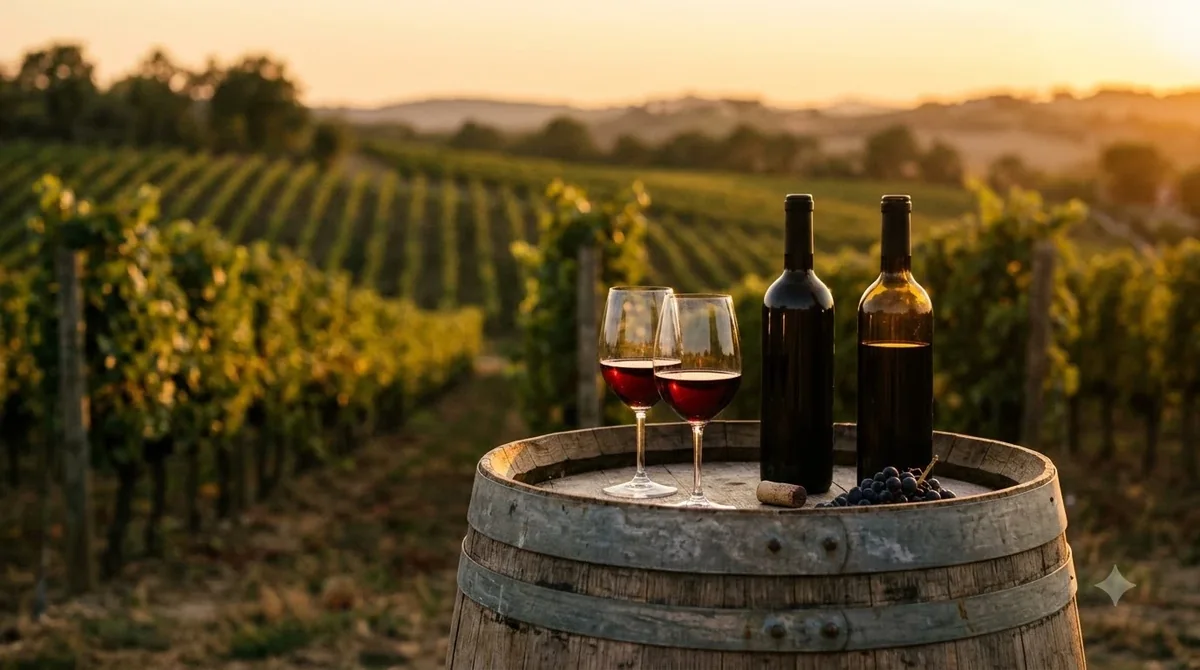
The chocolate block wine price typically falls around $30 to $45 for a 750 ml bottle in the United States, depending on the vintage, retailer, and local availability. Produced by South Africa’s Boekenhoutskloof winery, The Chocolate Block is a distinctive red blend built primarily around Syrah, with Grenache, Cabernet Sauvignon, Cinsault, and Viognier adding complexity. Its combination of dark fruit, savory spice, oak influence, and substantial body makes it an appealing choice for people seeking a characterful South African red without moving into luxury-wine territory.
If you are comparing bottles, understanding what determines the retail price is just as important as knowing the average cost. Vintage composition, retailer margins, bottle availability, and regional distribution can all affect what you pay. This guide explains typical American retail pricing, what the wine offers, how to compare vintages, and when paying toward the upper end of its price range makes sense.
Who This Is For
The Chocolate Block is particularly suitable for red-wine drinkers who enjoy full-flavored blends with dark fruit, spice, and a savory finish. Its South African origin and Syrah-led composition distinguish it from familiar California Cabernet Sauvignon and softer Merlot-based blends.
Buyers researching the chocolate block wine price are generally considering whether this bottle offers enough character to justify spending more than they would on an everyday supermarket red. The answer depends on their preferences. Someone who enjoys concentrated blackberry, plum, pepper, and oak-influenced flavors may find it an attractive purchase. Someone who prefers delicate Pinot Noir or inexpensive, fruit-forward wines may find its style more substantial than expected.
The wine also suits people who enjoy exploring international producers. Boekenhoutskloof identifies Swartland as the wine’s designated origin and explains that the blend reflects the Cape’s Mediterranean climate and suitability for blended reds. The winery changes the proportions between vintages to reflect seasonal conditions and the character of its vineyards.
For entertaining, The Chocolate Block offers a recognizable, distinctive bottle that can accompany grilled meat, hearty pasta, and rich dishes. Its medium-to-full-bodied character makes it more appropriate for substantial meals than delicate seafood or lightly seasoned salads.
Consider the following buyer profiles:
- South African wine enthusiasts: A useful bottle for exploring the Swartland region and its Syrah-led red blends.
- Syrah drinkers: An appealing option for people who enjoy blackberry, pepper, savory notes, and structured tannins.
- Dinner hosts: A versatile red for beef, lamb, barbecue, and mushroom-based dishes.
- Gift buyers: A recognizable producer and distinctive bottle for someone interested in international wines.
- Budget-conscious shoppers: Worth comparing with other premium red blends before committing to a higher-priced bottle.
However, buyers looking for a light, low-alcohol red should consider another style. The 2023 producer technical sheet reports 14.35% alcohol by volume, while Wine Enthusiast lists 14.5% for its reviewed 2021 vintage. These figures illustrate why checking the individual vintage matters.
Key Factors to Compare
The most useful way to assess The Chocolate Block is to compare bottle size, vintage, alcohol level, blend composition, and retailer pricing together. A lower shelf price is not automatically better value if the bottle is an older vintage or comes from a retailer with limited stock.
Start with the following specifications and reference points when comparing American listings.
| Comparison factor | Reference information | Why it matters |
|---|---|---|
| Producer | Boekenhoutskloof | Identifies the winery behind the wine. |
| Country | South Africa | Establishes its country of origin. |
| Wine region | Swartland | Identifies its designated wine origin. |
| Typical bottle size | 750 ml | The standard size for retail comparisons. |
| 2023 Syrah proportion | 74% | Shows the dominant grape in that vintage. |
| 2023 Grenache proportion | 11% | Contributes fruit character and balance. |
| 2023 Cabernet Sauvignon proportion | 8% | Adds structure to the blend. |
| 2023 Cinsault proportion | 6% | Provides additional aromatic complexity. |
| 2023 Viognier proportion | 1% | Completes the five-grape blend. |
| 2023 alcohol | 14.35% ABV | Helps buyers understand the wine’s weight and strength. |
| US retail reference | About $30–$45 | Provides a practical shopping comparison. |
The grape percentages and alcohol information in this table come from Boekenhoutskloof’s 2023 technical information. The retail range is a general shopping estimate rather than a fixed producer price. Retailer listings vary, and prices can change between vintages and locations.
Understanding the American retail range
For a standard 750 ml bottle, a practical US shopping budget is approximately $30 to $45. Wine Enthusiast listed the 2021 vintage at $38, while WineMadeEasy listed the 2024 vintage at $38.99. These retailer and publication references support the middle of that range, although actual shelf prices vary by state and retailer.
At the lower end, a bottle around $30 may represent an attractive opportunity for someone already familiar with the producer. Around $35 to $40 is a reasonable comparison point for ordinary retail shopping. Bottles approaching $45 deserve closer attention to vintage, availability, shipping arrangements, and the retailer’s reputation.
It is important to distinguish ordinary retail pricing from temporary promotions, case pricing, and shipping-inclusive totals. A retailer may display a bottle price that excludes delivery or local taxes. Another store may have a higher displayed price but offer convenient local pickup.
For an accurate comparison, calculate the total cost of obtaining the bottle rather than comparing shelf prices alone. This is especially useful when shopping across state lines or ordering from a specialist wine retailer.
Vintage composition and pricing
Unlike a wine that follows an identical recipe every year, The Chocolate Block changes its blend to reflect the growing season. The winery’s published 2023 composition includes 74% Syrah, 11% Grenache, 8% Cabernet Sauvignon, 6% Cinsault, and 1% Viognier.
These percentages matter because the balance between the grapes influences the final character. A larger Syrah contribution can emphasize the wine’s dark fruit and savory structure, while Grenache and Cinsault contribute additional fruit and aromatic dimensions. Cabernet Sauvignon provides another structural element.
Vintage differences do not automatically mean that a newer bottle is superior or that an older bottle should cost more. Consider the wine’s condition, the reputation of the seller, and the specific vintage before paying a premium.
Step-by-Step: How to Find the Right Bottle
Finding a suitable bottle requires more than choosing the lowest displayed price. A careful comparison of vintage, retailer, bottle size, and final purchase cost helps prevent unnecessary spending.
Use these six steps when shopping for The Chocolate Block in the United States.
-
Confirm the wine’s identity.
Look for Boekenhoutskloof and The Chocolate Block on the bottle listing. Confirm that the product is the South African red blend from Swartland rather than another wine with a similar name. The producer’s official The Chocolate Block wine information page provides the most useful starting point for verifying the wine and its composition.
-
Compare the vintage.
Check whether the retailer is offering a 2021, 2023, 2024, or another vintage. The proportions of the grapes can change, as can the alcohol level and tasting characteristics. Do not assume that every bottle has the same technical specifications simply because the label design is similar.
-
Check the bottle size.
Use 750 ml as your standard comparison. A 1.5-liter bottle contains twice the wine of a standard 750 ml bottle, so comparing the displayed prices without adjusting for volume can produce misleading conclusions.
-
Compare at least three retailers.
Look at established wine shops, regional retailers, and specialist online sellers. Wine Enthusiast’s 2021 listing provides a useful reference at $38, while WineMadeEasy’s 2024 listing provides another reference at $38.99. These are individual listings, not guaranteed prices throughout the country.
-
Calculate the final purchase cost.
Include shipping, applicable taxes, delivery restrictions, and any required minimum order. A bottle listed for less may become more expensive after delivery charges. Check whether the retailer ships to your state before completing an order.
-
Evaluate the bottle’s intended use.
Choose according to whether the wine is for immediate drinking, a dinner gathering, or a gift. A bottle for a special meal may justify spending toward the upper end of the usual retail range, while a casual purchase calls for closer attention to ordinary shelf pricing.
Tip: Compare the same vintage and bottle size across retailers before deciding that one listing is expensive. A 750 ml bottle of the 2023 vintage should not be compared directly with a different vintage or a 1.5-liter format without adjusting for the differences.
Keep a note of the vintage, retailer, bottle volume, and total checkout cost. This simple comparison makes repeat purchases easier and helps identify whether a retailer’s regular pricing is competitive.
Types or Styles Explained
The Chocolate Block is a blended red wine rather than a single-grape Syrah. Understanding the five varieties used in its published 2023 blend helps explain why the wine combines dark fruit, spice, aromatic notes, and a structured finish.
Boekenhoutskloof’s official composition gives Syrah the largest share, followed by Grenache, Cabernet Sauvignon, Cinsault, and Viognier. Each grape contributes a different element, although the finished wine should be judged as a complete blend rather than five separate varieties.
Syrah: The main structural component
Syrah accounts for 74% of the 2023 blend. It is the dominant grape and helps establish the wine’s dark-fruit profile and savory character. Typical Syrah flavors include blackberry, plum, black pepper, and sometimes smoky or meaty notes.
In The Chocolate Block, this foundation is complemented by other varieties rather than presented as a straightforward varietal Syrah. That distinction is important for buyers comparing it with single-grape bottles from the Northern Rhône, Australia, or other South African producers.
Grenache: Fruit and aromatic character
Grenache represents 11% of the 2023 blend. The producer’s historical winemaking notes describe Grenache as contributing fruit purity and freshness. It can also bring ripe red-fruit character that balances the darker flavors associated with Syrah.
In practical terms, Grenache helps prevent the wine from feeling like a purely heavy dark-fruit blend. Its contribution is particularly relevant for drinkers who appreciate ripe cherry and plum flavors alongside savory complexity.
Cabernet Sauvignon: Additional structure
Cabernet Sauvignon accounts for 8% of the 2023 composition. The grape is generally associated with higher tannin and flavors of blackcurrant, dark fruit, and cedar-like characteristics.
Its presence gives the blend another structural component. This makes The Chocolate Block a different proposition from a soft, uncomplicated red dominated by Merlot or Grenache.
Cinsault: Aromatic complexity
Cinsault represents 6% of the 2023 blend. Boekenhoutskloof’s historical winemaking notes associate it with floral aromas and ripe strawberry characteristics.
This aromatic contribution provides contrast to Syrah’s darker fruit. Cinsault is also part of the reason that the finished wine should not be understood simply as a Cabernet-Syrah combination.
Viognier: The small supporting component
Viognier represents 1% of the published 2023 blend. Although it is a white grape, its inclusion is part of the producer’s established blending approach. Small proportions of aromatic varieties can influence the overall expression of a red wine without making it taste like a white wine.
Because the proportions change between vintages, buyers should avoid assuming that every release uses precisely the same recipe. The producer’s official information is the best reference for understanding the composition of a particular vintage.
For additional background on similar bottles and producers, the broader Wine Brands collection can help readers explore other labels and styles before making a purchase.
Common Mistakes When Comparing Prices
Several shopping mistakes can make The Chocolate Block appear more expensive or less attractive than it really is. The biggest problems involve comparing different vintages, misunderstanding the wine’s style, and overlooking the difference between shelf price and total purchase cost.
Comparing different bottle sizes
A standard 750 ml bottle and a 1.5-liter bottle are not equivalent purchases. The larger format contains twice as much wine, so the displayed price should be divided by volume before comparing it with a standard bottle.
For example, a 1.5-liter bottle priced at twice the cost of a 750 ml bottle offers the same price per milliliter. However, storage requirements and the occasion for serving a larger bottle may be different.
Assuming every vintage tastes identical
Boekenhoutskloof explicitly adjusts its blend from vintage to vintage. Its published 2023 composition contains 74% Syrah, while earlier releases have used different proportions.
The 2021 Wine Enthusiast review describes cranberry, black pepper, black fruit, smoke, and spice. Decanter’s review of the 2020 vintage highlights smoked meat, dark chocolate, blackcurrant, and red cherry. These descriptions demonstrate that the wine’s general identity remains recognizable while individual vintages can show different expressions.
Confusing chocolate flavors with sweetness
The name The Chocolate Block often leads shoppers to expect a sweet wine or a pronounced chocolate flavor. That assumption can create disappointment if the buyer is specifically looking for a dessert-style red.
Decanter identifies its reviewed 2020 vintage as dry, despite describing dark chocolate among its aromatic and flavor characteristics. Cocoa-like notes are not the same thing as residual sugar. The wine is intended as a dry red blend, not a sweet chocolate-flavored beverage.
Ignoring retailer differences
American wine pricing can vary substantially because of distribution arrangements, retailer margins, state regulations, and shipping costs. A listing around $38 may be reasonable even if another retailer displays a somewhat lower amount.
Also consider whether the seller identifies the exact vintage and bottle size. Listings with generic product photographs may not always reflect the bottle currently being shipped. Ask the retailer to confirm the vintage when that distinction matters to your purchase.
Expecting a light-bodied wine
The Chocolate Block is generally a medium-to-full-bodied or full-bodied red, depending on the vintage and tasting assessment. Its dark fruit, alcohol level, and tannin structure make it more substantial than many light-bodied reds.
Buyers who usually drink Pinot Noir, Beaujolais, or lighter Italian reds should consider this difference before spending toward the upper end of the retail range. Someone who enjoys Australian Shiraz or structured Rhône-style blends may find the style more familiar.
For a different everyday shopping category, Barefoot wine offers a useful contrast in brand positioning and drinking style. It is not a direct equivalent to The Chocolate Block, but comparing the two helps illustrate the difference between accessible everyday wines and more structured imported blends.
Care and Storage Tips
Proper storage and serving conditions help preserve the wine’s fruit, structure, and aromatic character. The Chocolate Block does not need elaborate equipment, but temperature control and sensible handling can make a noticeable difference when opening a bottle.
Store unopened bottles correctly
Keep unopened bottles in a cool, dark location with a relatively stable temperature. A storage temperature near 55°F is a useful target for longer-term wine storage. Avoid placing the bottle near radiators, ovens, windows, or other sources of repeated heat exposure.
If the bottle has a natural cork, storing it on its side helps maintain contact between the wine and cork. This is particularly useful if you intend to keep the wine rather than drink it immediately.
Temperature fluctuations are more problematic than minor variations in the storage environment. A cupboard that remains consistently cool is generally preferable to a location that becomes hot during the day and cools considerably overnight.
Serve at the right temperature
Full-bodied red wines are generally best served around 60°F to 65°F. This range is a useful starting point for The Chocolate Block because excessive warmth can make alcohol seem more prominent and reduce the definition of its fruit and savory aromas.
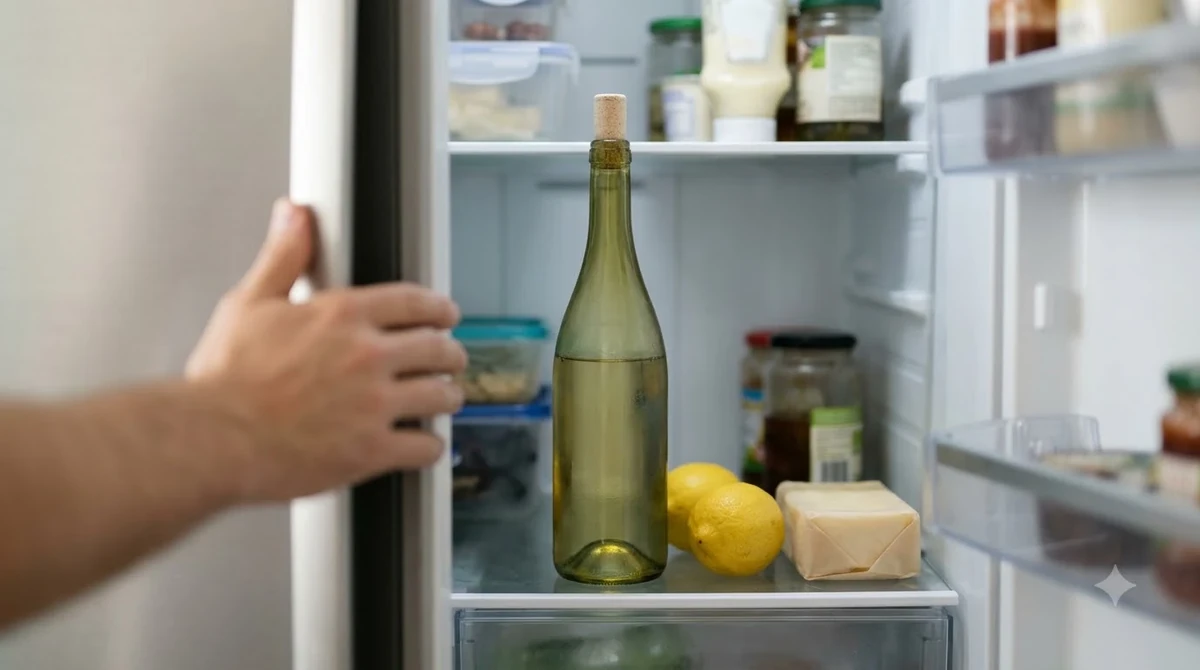
If the bottle has been stored at ordinary room temperature in a warm home, a short period in the refrigerator can help bring it closer to the serving range. Avoid serving it extremely cold, because low temperatures can make tannins seem more pronounced and mute some aromatic characteristics.
Allow the wine to breathe
A young, structured red may benefit from 30 to 60 minutes of decanting. This gives the wine time to develop in contact with air and can make its fruit, spice, and savory aromas easier to appreciate.
Decanting is not compulsory. Pouring a small initial glass and allowing the remaining wine to develop in the glass is a practical alternative. The best approach depends on the wine’s age, condition, and your personal preference.
Pair with suitable foods
The wine’s dark fruit, structure, and savory notes make it suitable for dishes with substantial flavor. Good options include grilled beef, roast lamb, barbecue ribs, mushroom dishes, and hard aged cheeses.
Fat and salt can soften the perception of tannin, making a rich steak or slow-cooked meat dish a natural partner. Mushroom sauces also complement the earthy and savory dimensions described in professional tasting notes.
Avoid pairing a structured red with very delicate oily fish, which can clash with tannins. Extremely spicy food can also make the alcohol and tannin seem more aggressive. If serving spicy barbecue, choose a moderately seasoned preparation rather than an intensely hot sauce.
Preserve an opened bottle
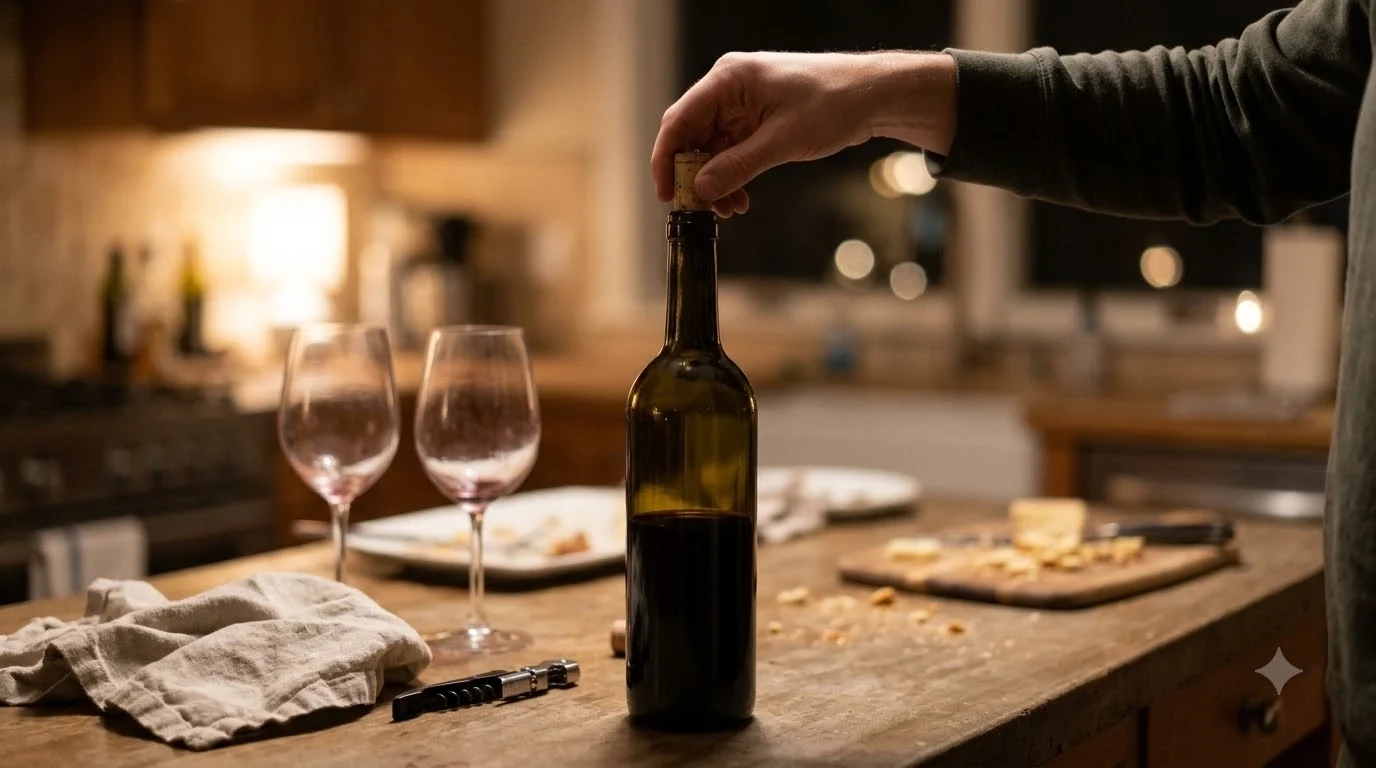
After opening, replace the cork or use a suitable wine stopper and refrigerate the remaining wine. Even red wine generally benefits from refrigeration once opened because cooler temperatures slow oxidation.
As a general guideline, opened still wines usually remain enjoyable for approximately three to five days when properly refrigerated. The exact period depends on the wine’s condition, how much air remains in the bottle, and how it is stored.
When ready to serve again, allow the wine to warm slightly rather than pouring it directly from the refrigerator. This helps restore its aromatic expression and makes the texture more approachable.
Frequently Asked Questions
Is The Chocolate Block made with actual chocolate?
No. The Chocolate Block is a grape-based red wine, not a chocolate-infused beverage. The name is associated with the wine’s identity, while cocoa and dark-chocolate impressions can appear in descriptions of its aromas and flavors. It contains no requirement for chocolate as an ingredient in its standard wine production.
Where is The Chocolate Block bottled?
The wine is produced by Boekenhoutskloof in South Africa. The producer’s published contact information identifies its winery address in Franschhoek, South Africa. Its designated wine origin is Swartland, which should not be confused with the location of the winery itself.
Does The Chocolate Block contain sulfites?
Wine naturally contains sulfites produced during fermentation, and additional sulfur dioxide may be used during winemaking for preservation. Bottled wine sold in the United States may carry a sulfite declaration when it meets the applicable labeling threshold. Buyers with ingredient or labeling concerns should review the specific bottle information and contact the producer.
Does The Chocolate Block use a screw cap?
Decanter identifies a natural cork closure for its reviewed 2020 vintage. Closure details can differ between individual bottlings and markets, so buyers should confirm the specific packaging if closure type is important to them. A natural cork also makes appropriate bottle positioning useful for longer storage.
Can The Chocolate Block be kept for several years?
Some vintages can develop with careful cellaring rather than being consumed immediately. Decanter gave its reviewed 2020 vintage a drinking window extending from 2021 through 2028. That assessment applies to the specific vintage reviewed and should not be treated as a universal storage guarantee for every release.
The Chocolate Block offers a distinctive combination of South African origin, Syrah-led blending, dark fruit, and savory complexity. For American shoppers, approximately $30 to $45 for a 750 ml bottle is a practical budget, with vintage and retailer differences influencing the final cost. Compare the exact vintage and total purchase price, then choose the bottle that best matches your preferred red-wine style and the occasion.
More in Wine Brands
 Louis Latour Wine Price: Compare Bottles by Style and TierUpdated Nov 20, 2026
 Yellow Tail Moscato Price: What to Expect Before You BuyUpdated Nov 20, 2026
 Sutter Home Sweet Red Review: Find the Right Food PairingsUpdated Nov 20, 2026
 Franzia Chillable Red Review: Find the Right Serving StyleUpdated Nov 20, 2026
 Veuve Clicquot Rose Review: Flavor, Food Pairings and Buying AdviceUpdated Nov 20, 2026
 Rombauer Wine Price: Compare Bottles Before You BuyUpdated Nov 20, 2026