

We may earn a commission when you buy through links on this page, at no extra cost to you. Learn more.
Syrah sangria is a bold, fruit-driven red wine punch made by macerating fresh citrus, berries, or stone fruit in dry Syrah (or Australian Shiraz) along with a splash of brandy or orange liqueur. Because Syrah delivers intense blackberry, blueberry, and black pepper notes, it creates a richer, darker sangria than lighter Spanish reds like Garnacha or Tempranillo. Chilling the mixture for two to four hours allows the fruit juices to soften the grape’s medium-high tannins while keeping its signature spice intact.
While traditional Spanish sangria relies on medium-bodied reds from Rioja or Garnacha, full-bodied Syrah brings dramatic color and savory depth to the pitcher. Understanding how Syrah’s natural structure interacts with citrus, sweeteners, and fortification helps you build a balanced batch that never tastes muddy or overly sugary.
What Is Syrah Sangria and How Does the Grape Shape It?
Syrah sangria swaps traditional light-to-medium Spanish table wines for dry, full-bodied Syrah, producing a deep purple cocktail layered with dark berry fruit and cracked pepper spice. The grape’s dense pigmentation and natural savory notes stand up effortlessly to ice, sparkling water, and bold garnishes.
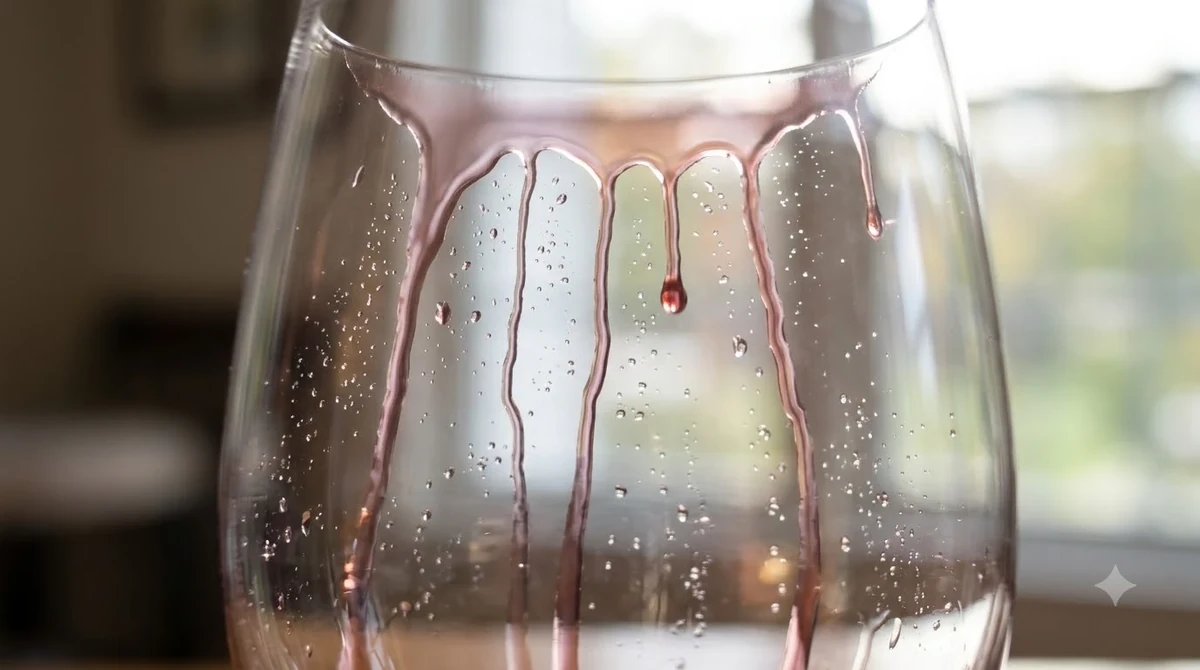
According to Wine Folly’s comprehensive guide to Syrah, the grape is a full-bodied red known for intense color concentration, medium-high tannins, medium acidity, and primary flavors of blueberry, black plum, milk chocolate, tobacco, and green peppercorn. Typical dry Syrah bottles range from 13.5% to 15% ABV, giving the finished punch a noticeably warmer backbone than low-alcohol table reds.
Where the bottle originates also changes the personality of your pitcher. Old World Syrah from France’s Rhône Valley leans toward higher acidity, dried herbs, olive, and smoky black pepper, which makes a crisp, savory sangria that pairs easily with dinner. New World Syrah—and Australian Shiraz, the regional name for the exact same grape—offers riper, juicier blackberry and boysenberry fruit alongside sweet spice, yielding a plusher, jammy style right out of the bottle.
Because classic sangria recipes historically use fruit-forward reds with lighter tannins, using Syrah requires a deliberate approach to balance. When chilled and diluted slightly with fresh citrus juice and a splash of club soda at serving time, Syrah’s firm tannins smooth out rather than turning astringent, leaving behind a velvety texture that carries orchard fruit and warm baking spices.
Essential Ingredients for a Balanced Syrah Sangria
A standard one-bottle batch of Syrah sangria uses one 750 ml bottle of dry Syrah, two to four ounces of fortifying spirit, fresh citrus, sturdy chopped fruit, a measured touch of sweetener, and chilled sparkling water added just before pouring. Keeping the base wine dry prevents the finished pitcher from becoming cloying once the fruit releases its natural sugars.
| Component | Standard Amount (1 Batch) | Best Choices for Syrah | Role in the Pitcher |
|---|---|---|---|
| Base Wine | 1 bottle (750 ml) | Dry California, Washington, or Australian Shiraz | Provides dark plum, blueberry, and pepper structure |
| Fortifying Spirit | 1/4 to 1/2 cup (2 to 4 oz) | Brandy, Cognac, or orange liqueur (Triple Sec) | Adds aromatic warmth, citrus oil, and body |
| Fresh Citrus | 1 orange, 1 lemon, 1 lime | Navel or blood orange slices plus fresh juice | Lifts heavy dark fruit with bright acidity |
| Macerating Fruit | 1.5 to 2 cups chopped | Unpeeled apples, pears, blackberries, or peaches | Absorbs wine and releases natural sweetness |
| Sweetener | 2 to 4 tablespoons | Simple syrup, honey, or granulated sugar | Softens Syrah’s medium-high tannins |
| Effervescent Topper | 1 cup (8 oz), chilled | Plain club soda, seltzer, or dry Cava | Lightens body and refreshes the palate at serving |
Choosing the right sweetener and spirit keeps Syrah’s complex aromatics from getting buried. As Wine Folly’s sangria recipe testing notes, traditional Spanish sangria uses around a quarter cup of sugar for a less sweet profile where the character of the wine still shines through, while adding brandy brings noticeable depth and complexity. Dissolving simple syrup or honey directly into the wine and citrus juice ensures no gritty sugar settles at the bottom of a cold pitcher.
Fruit selection matters just as much as liquid ratios. Firm fruits like diced apples, pears, and sliced oranges hold their structure during a multi-hour soak without turning mushy or clouding the wine. Dark berries such as blackberries and blueberries echo Syrah’s native flavor profile, though delicate berries like raspberries are best folded in right before serving so they keep their shape.
Step-by-Step Method for Making Syrah Sangria
Making Syrah sangria takes about ten minutes of active prep followed by two to four hours of refrigeration so the fruit and wine can meld. Adding ice and sparkling water only to individual glasses preserves carbonation and keeps the pitcher from watering down.
- Prep the fruit cleanly: Wash one orange, one lemon, and one cored apple. Slice the citrus into thin half-moons or wedges (removing any visible seeds so bitterness does not leach into the wine) and dice the apple into bite-sized chunks.
- Dissolve the sweetener and spirits: Pour one 750 ml bottle of dry Syrah into a large glass pitcher. Stir in 1/4 cup brandy, 2 tablespoons orange liqueur, and 2 tablespoons simple syrup (or honey) until fully integrated.
- Combine and gently bruise the fruit: Add the sliced citrus, diced apple, and a cinnamon stick if desired. Press the fruit lightly with a wooden spoon once or twice to release essential oils from the citrus peel without pulverizing the pulp.
- Chill to macerate: Cover the pitcher tightly and refrigerate for two to four hours. If you are wondering should sangria be chilled before serving, cold temperatures are essential for taming alcohol heat and marrying the citrus aromatics.
- Serve over fresh ice: Fill stemmed wine glasses or tumblers with ice cubes, ladle in the sangria along with a spoonful of wine-soaked fruit, and top each glass with a splash of chilled club soda.
Steeping time is the single biggest variable in sangria texture. Letting the pitcher rest for at least two hours allows the alcohol to extract bright limonene oils from the orange and lemon rinds while softening the crisp apple cubes. However, leaving citrus rinds submerged for more than 24 hours can extract bitter pith compounds, so plan to finish or strain the batch within a day.
Tip: Keep ice and club soda out of the main pitcher; adding them directly to individual glasses prevents melted ice from diluting leftover sangria in the refrigerator.
Seasonal Variations to Highlight Syrah’s Spice
Syrah’s natural peppery, dark-fruited character adapts smoothly to both warm-weather pitchers and cold-weather entertaining. By swapping the secondary fruits and spices, you can tailor a single bottle of Syrah to fit any season.
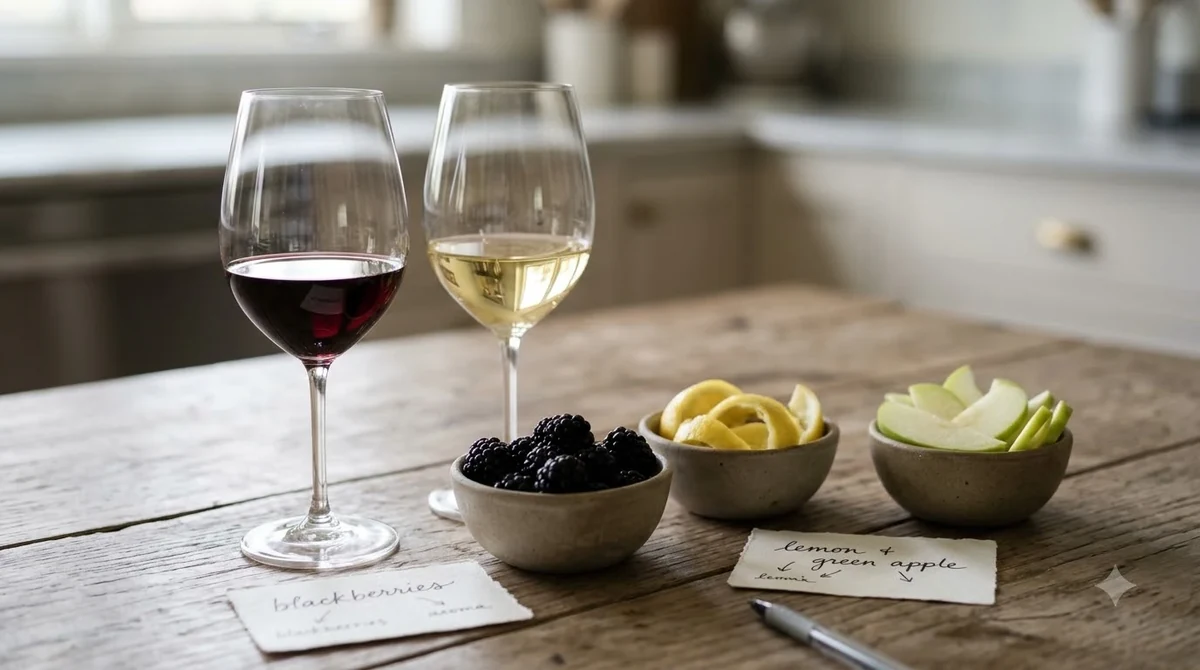
For summer gatherings, lean into stone fruit and bright acidity. Pair an Australian Shiraz or California Syrah with sliced white peaches, nectarines, and blood orange wheels, then finish each glass with dry Cava instead of plain club soda. If you enjoy fruit-forward pitchers like sweet red wine sangria or lighter warm-weather pours such as white zinfandel sangria, adding a splash of ruby red grapefruit juice gives summer Syrah sangria a crisp, tangy lift.
In autumn and winter, lean into Syrah’s baking spice and dark plum notes. Combine a Rhône-style Syrah with diced Honeycrisp apples, Bosc pears, fresh pomegranate arils, two cinnamon sticks, and a star anise pod, swapping standard brandy for apple brandy (Calvados). For cold evenings, you can even warm the mixture gently on the stove over low heat—without letting it boil—to serve as a spiced mulled sangria in mugs.
Serving Temperature, Glassware, and Food Pairings
Syrah sangria tastes best served cold at roughly 40°F to 45°F in wide-bowled stemless wine glasses or sturdy rocks glasses filled with large ice cubes. Wide glasses leave plenty of room for fruit garnishes and allow the spiced citrus aromas to open up with every sip.
Because Syrah retains more tannin and savory weight than traditional sangria grapes, it pairs well with richer, bolder foods than lighter punches can handle. Smoky grilled meats, barbecue ribs, charred lamb skewers, and spiced pork dishes echo the peppercorn and dark plum notes in the glass. Vegetarian dishes featuring roasted eggplant, grilled portobello mushrooms, or aged hard cheeses like Manchego also stand up nicely to the wine’s structure.
When planning quantities for a party, one standard 750 ml bottle of wine yields roughly five to six servings once diluted with juice, spirit, and sparkling topper. You can explore how different base varietals behave in mixed wine drinks in our overview of Wine by Type, which breaks down body, tannin, and acidity across major red and white grapes.
Frequently Asked Questions
Is Syrah too heavy or tannic for sangria?
No, Syrah works very well in sangria as long as you balance its medium-high tannins with fresh citrus juice, a modest amount of sweetener, and a splash of sparkling water at serving time. Chilling the wine also softens its perceived weight on the palate while letting its blackberry and pepper flavors shine.
Can I use Australian Shiraz instead of Syrah?
Yes, Syrah and Shiraz are the exact same grape variety, just labeled differently depending on regional tradition. Australian Shiraz tends to be riper and more fruit-forward, which makes it especially approachable in sangria and often allows you to use slightly less added sugar.
How long should Syrah sangria chill before serving?
Refrigerate Syrah sangria for at least two to four hours so the chopped fruit and citrus peels infuse the wine. Avoid steeping whole citrus slices for much longer than 24 hours, as the white pith can eventually release bitterness into the pitcher.
What is the best fruit to put in Syrah sangria?
Firm, crisp fruits like diced apples, pears, and sliced oranges hold up best during a multi-hour soak without falling apart. Dark berries such as blackberries and blueberries also complement Syrah’s natural blueberry and plum notes, though soft berries should be added just before serving.
With its deep purple hue, dark berry richness, and subtle black pepper kick, Syrah sangria offers a bold twist on the classic Spanish pitcher. Start with a dry, fruit-forward bottle, give the citrus and orchard fruit a few hours to mingle in the fridge, and finish every glass over fresh ice with a splash of fizz.
More in Wine Types & Grapes
 What Does Mourvèdre Taste Like? Flavor Profile, Regions, and PairingsUpdated Nov 20, 2026
 What Does Marsanne Taste Like? Flavors, Styles, and Food PairingsUpdated Nov 20, 2026
 What Does Malvasia Taste Like? Styles, Flavors, and Food PairingsUpdated Nov 20, 2026
 What Does Grenache Blanc Taste Like? Flavor Profile, Styles, and PairingsUpdated Nov 20, 2026
 What Does Garnacha Taste Like? Key Flavors, Styles, and Pairing TipsUpdated Nov 20, 2026
 What Does Fruit Wine Taste Like? A Complete Flavor and Style BreakdownUpdated Nov 20, 2026