


We may earn a commission when you buy through links on this page, at no extra cost to you. Learn more.
The best sweet white wine brands include Braida, Marenco, Gianni Doglia, and producers specializing in Riesling, Gewürztraminer, Sauternes, and Tokaji. The right choice depends on how sweet you like your wine, whether you prefer still or sparkling bottles, and what foods you plan to serve. Moscato is an approachable starting point, off-dry Riesling offers more refreshing acidity, and late-harvest wines provide concentrated sweetness for dessert.
Sweet white wine covers a much wider range than the familiar fruity bottles found in supermarket wine aisles. Some bottles are lightly fizzy and aromatic, while others have intense honey, apricot, citrus, and dried-fruit characteristics. The producer matters, but so does the grape, growing region, winemaking method, and intended sweetness level.
Rather than choosing a bottle based on its label or reputation alone, compare producers by the styles they make. This guide explains which names and wine regions deserve attention, what characteristics to expect, and how to select a bottle that matches your preferences.
Who This Is For
The best sweet white wine brands appeal to different drinkers, from people discovering wine for the first time to experienced enthusiasts looking for concentrated dessert wines. Understanding your preferred sweetness and flavor intensity makes choosing between producers much easier.
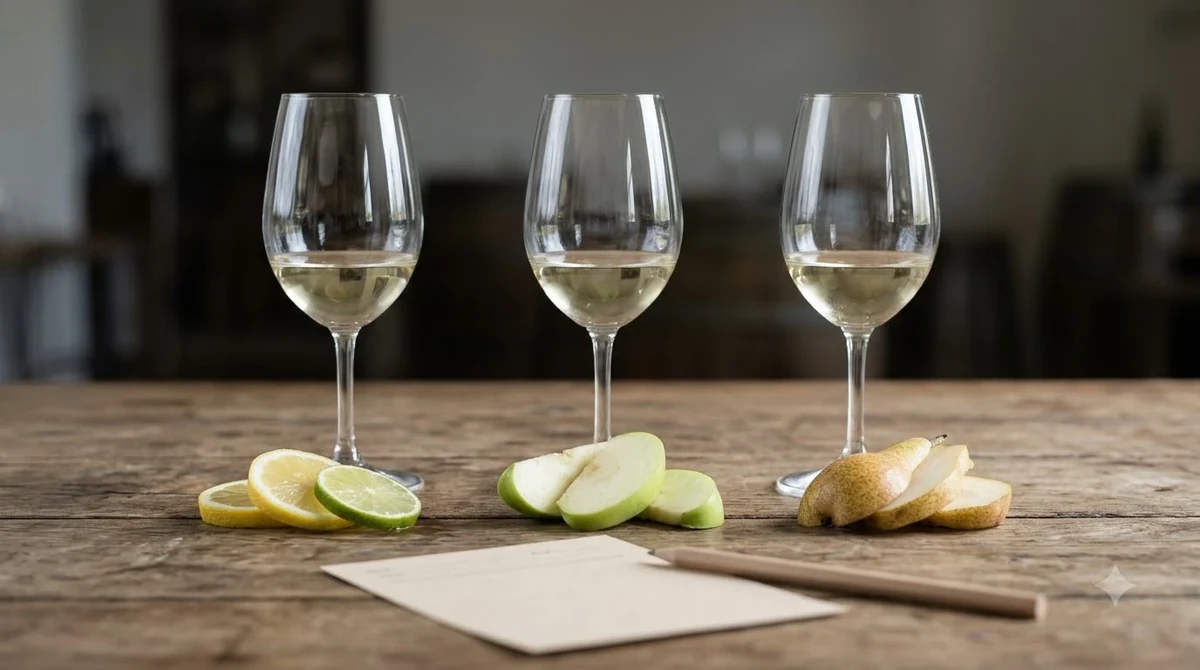
New sweet-wine drinkers will generally appreciate Moscato producers such as Braida, Marenco, and Gianni Doglia. Their wines illustrate the appealing combination of ripe fruit, floral aromas, and sweetness associated with Muscat grapes. Moscato d’Asti is particularly approachable because its gentle bubbles and relatively low alcohol create a lighter drinking experience than many full-bodied dessert wines.
Drinkers who prefer refreshing wines should explore Riesling producers from Germany’s Mosel region and other established Riesling-growing areas. Riesling can range from dry to intensely sweet, so it offers considerable flexibility. An off-dry expression provides recognizable sweetness without losing the refreshing acidity that makes the grape distinctive.
Fans of aromatic wines should consider Gewürztraminer from Alsace, France. Producers such as Gustave Lorentz offer an introduction to a grape associated with lychee, rose petals, ripe stone fruit, and an expressive floral aroma. Its fuller body makes it a useful alternative for someone who finds Moscato too light.
Dessert wine enthusiasts have another group of producers to investigate. Sauternes producers in Bordeaux, German late-harvest Riesling specialists, and Hungarian Tokaji producers offer more concentrated wines. These bottles suit smaller pours, celebratory occasions, and desserts that can match their intensity.
There is no single producer that works for every occasion. A bottle for a casual afternoon gathering has different requirements from a wine intended to accompany a rich dessert or finish a formal dinner. Start with the drinking occasion, then narrow the selection by grape variety and sweetness.
For a broader introduction to the category, the guide to sweet white wine explains the principal styles and their differences.
Key Factors to Compare
Comparing sweet white wine brands requires more than checking whether a bottle is described as sweet. Focus on residual sugar, acidity, grape variety, production style, and alcohol content to understand how the finished wine will taste.
Residual sugar is the natural grape sugar remaining after fermentation. According to Total Wine’s sweetness guide, winemakers can preserve this sugar by stopping fermentation before yeast converts all the available sugar into alcohol. The amount of residual sugar provides a useful starting point, although acidity also affects how sweet a wine seems.
| Comparison factor | What to look for | Typical example | Best suited to |
|---|---|---|---|
| Sweetness | Off-dry to very sweet | Kabinett Riesling to Tokaji | Different sweetness preferences |
| Acidity | Refreshing or moderate | Riesling versus Moscato | Balancing sweetness |
| Body | Light to full | Moscato versus Gewürztraminer | Different food pairings |
| Alcohol | Approximately 5-6% | Moscato d’Asti | Light casual drinking |
| Production style | Still, sparkling, or dessert | Moscato d’Asti or Sauternes | Occasion and serving preference |
| Serving temperature | 43-50°F for sweet whites | Chilled Moscato or Riesling | Preserving freshness |
Sweetness should be the first consideration. A person who enjoys a noticeably sugary wine may prefer Moscato or a late-harvest Riesling. Someone who wants just a little sweetness might find an off-dry Riesling or certain Chenin Blanc wines more appropriate. These styles are different enough that choosing solely by grape name can lead to disappointing purchases.
Acidity is the next important factor. It creates freshness and helps prevent sweetness from dominating the palate. Riesling is particularly useful because its acidity can balance substantial residual sugar. Moscato generally emphasizes floral aromas and ripe fruit, while Gewürztraminer often offers a broader, rounder impression.
Alcohol content also helps identify the general style. Moscato d’Asti typically contains approximately 5 to 6 percent alcohol, according to Wine Enthusiast. This is a useful reference point when comparing a light sparkling bottle with a more concentrated dessert wine.
Finally, consider whether you want a still, sparkling, or dessert-style wine. A lightly sparkling Moscato can suit a casual gathering, whereas a rich Sauternes or Tokaji may be more appropriate for a carefully planned dessert course.
For additional shopping fundamentals, see the wine-buying resource before comparing individual producers.
Step-by-Step: How to Choose a Bottle
A simple selection process helps narrow the market without requiring advanced wine knowledge. Start with sweetness, choose a grape that matches your flavor preferences, and then compare producers within that style.
-
Decide how sweet you want the wine.
Think about whether you enjoy noticeably sugary drinks or prefer a wine with only a gentle sweetness. Moscato is a useful starting point for people who enjoy pronounced fruit and sweetness. Off-dry Riesling offers a more restrained option, while Sauternes and Tokaji belong to the more concentrated dessert-wine category.
-
Choose a preferred flavor profile.
Look for peach, orange blossom, and honey if you enjoy Muscat wines. Choose Riesling for peach, apricot, citrus, and green-fruit characteristics. If you prefer lychee, rose petal, and exotic floral aromas, investigate Gewürztraminer.
-
Select still or sparkling wine.
Moscato d’Asti provides gentle effervescence, while still Moscato focuses more directly on aromatic fruit. Riesling is commonly available in still styles, including both dry and sweet versions. Your preference for bubbles can eliminate several unsuitable options immediately.
-
Research the producer.
Compare established examples such as Braida, Marenco, and Gianni Doglia for Moscato. For aromatic alternatives, investigate German Riesling specialists or Alsace Gewürztraminer producers. For dessert wines, research producers from Sauternes and Tokaji.
-
Consider the occasion and food.
A lightly sparkling wine works well for casual gatherings and brunch. A concentrated late-harvest wine is better suited to a dessert course or a small after-dinner pour. Match the wine’s sweetness to the food rather than automatically choosing the sweetest available bottle.
-
Compare the bottle format and serving requirements.
A standard 750 ml bottle provides approximately five 5-ounce servings. A smaller dessert-wine bottle may be more practical when the wine is especially concentrated and intended for smaller pours.
Tip: If you are uncertain about sweetness, begin with Moscato d’Asti or an off-dry Riesling. These two styles offer different expressions of sweetness, making them useful reference points before moving toward richer dessert wines.
One useful buying strategy is to compare two wines from different producers within the same grape variety. For example, compare a Braida Moscato d’Asti with a Marenco Moscato. Because both represent the Muscat family, the comparison can help identify whether you prefer floral freshness, ripe fruit, or a richer impression.
Once you know which characteristics you enjoy, move to another grape or region. A drinker who likes the floral character of Moscato might find Gewürztraminer appealing, while someone who enjoys refreshing acidity may prefer exploring German Riesling.
Types or Styles Explained
The strongest sweet white wine selections come from understanding the differences between grape varieties and regional traditions. Moscato, Riesling, Gewürztraminer, Chenin Blanc, Sauternes, and Tokaji offer distinct combinations of sweetness, acidity, aroma, and texture.

1. Moscato: Light, Fruity, and Aromatic
Moscato is one of the easiest styles to recommend to someone who enjoys sweet, fruit-forward white wine. Made from Muscat grapes, it commonly features orange blossom, peach, citrus, honey, and tropical fruit aromas. The grape family includes Muscat Blanc à Petits Grains, Muscat of Alexandria, and Muscat Ottonel.
For recognizable producer names, consider Braida, Marenco, and Gianni Doglia. Braida’s Vigna Senza Nome Moscato d’Asti is associated with white peach, green apple, mint, lemongrass, and candied lemon. Marenco offers a Moscato from Strevi with honeyed peach, dried apricot, and floral characteristics. Gianni Doglia’s Casa di Bianca Moscato Bianco is another example, with white peach, mandarin orange, green apple, and apricot notes.
These examples demonstrate why Moscato deserves more attention than its reputation as a simple sweet party wine might suggest. Different producers can emphasize freshness, fruit concentration, and aromatic complexity in different ways. Wine Enthusiast’s dessert wine buying guide provides additional examples of these three Moscato producers and explains how their wines express the variety.
2. Riesling: Sweetness Balanced by Acidity
Riesling is particularly versatile because the grape can produce everything from completely dry wines to intensely sweet dessert expressions. German Riesling is especially important for shoppers seeking a combination of sweetness and freshness.
An off-dry Kabinett is a useful starting point. It can offer peach, apricot, citrus, and floral notes alongside refreshing acidity. Producers and examples worth investigating include Dr. Hermann’s Ürziger Würzgarten Riesling Kabinett and Long Shadows Vintners’ Poet’s Leap Riesling from Washington’s Columbia Valley.
For richer sweetness, look at Spätlese, Auslese, Beerenauslese, Trockenbeerenauslese, and Eiswein. These German terms identify different traditional quality and ripeness categories. They provide useful clues about the style, although individual wines still differ in their actual sweetness and balance.
3. Gewürztraminer: Floral and Full-Bodied
Gewürztraminer is a good option for someone who wants something more aromatic and fuller-bodied than a light Moscato. Its signature characteristics include lychee, rose petals, ripe stone fruit, and distinctive floral perfume.
Alsace, France, is an important region to explore. Gustave Lorentz Reserve Gewurztraminer is one example of a producer and wine to investigate. The grape also appears in late-harvest styles, which can provide additional sweetness and concentration.
Because Gewürztraminer can be produced with different levels of sweetness, it is important to distinguish a dry aromatic expression from a sweeter bottle. Its naturally expressive fruit and floral aromas should not automatically be mistaken for residual sugar.
4. Chenin Blanc: Honey and Citrus
Chenin Blanc offers another route into sweet white wine, especially through the Loire Valley in France. Sweet Vouvray and wines from regions such as Montlouis, Quarts de Chaume, and Bonnezeaux can provide a combination of honeyed fruit and refreshing acidity.
This style is particularly useful for people who enjoy sweetness but do not want a wine that feels heavy. Honey, lemon, and apple characteristics can make Chenin Blanc a versatile companion for fruit-based desserts, baked cheesecake, and creamy cheeses.
5. Sauternes and Tokaji: Concentrated Dessert Wines
Sauternes from Bordeaux and Tokaji from Hungary belong to a more concentrated category of sweet wine. Both traditions are associated with noble rot, a beneficial fungus that helps concentrate grape sugars and flavors under suitable growing conditions.
Sauternes commonly combines Semillon and Sauvignon Blanc. Its characteristic profile can include honey, apricot, citrus, and rich fruit, balanced by acidity. Tokaji offers another distinctive expression, particularly through wines made with grapes affected by noble rot and the Furmint variety.
These wines are generally better suited to smaller servings than an everyday glass of Moscato. They can accompany blue cheese, fruit desserts, rich pastries, and other foods with enough intensity to match their concentrated sweetness.
6. Ice Wine and Late-Harvest Whites
Ice wine is made from grapes that freeze naturally on the vine. Freezing concentrates sugars and flavors in the remaining unfrozen juice, producing a highly concentrated wine. Riesling and Vidal are among the varieties associated with this style.
Late-harvest wines are produced from grapes picked later in the growing season. Riesling, Gewürztraminer, and Pinot Gris are common varieties used for these expressions. Their flavor profiles can include honey, ripe peach, apricot, and candied citrus.
For a first purchase, consider whether you want a lightly sweet everyday bottle or a concentrated dessert wine. These categories serve different purposes, and comparing them directly by sweetness alone does not tell the whole story.
For readers comparing the wider category of white wine producers, the guide to best white wine brands provides additional context beyond sweet styles.
Common Mistakes
Many disappointing sweet-white-wine purchases result from confusing fruitiness with sweetness or assuming that every bottle made from a familiar grape tastes the same. A few simple checks can help shoppers avoid these problems.
Assuming Every Moscato Tastes Identical
Moscato includes multiple grape varieties and production styles. A lightly sparkling Moscato d’Asti is not necessarily comparable to a still Muscat or a fortified Muscat dessert wine. The grape family offers considerable diversity, so the producer and style both matter.
For example, Braida’s Moscato d’Asti, Marenco’s Strevi Moscato, and Gianni Doglia’s Casa di Bianca represent different producer expressions within the same broad category. Comparing their descriptions can help identify the aromatic profile you prefer.
Confusing Fruity Aromas With Actual Sweetness
A wine can smell like ripe peaches, mangoes, or orange blossom without containing much residual sugar. Total Wine explains that fruit intensity and actual sweetness are separate characteristics. Acidity can also make a wine with noticeable sugar seem less sweet.
This distinction is particularly important with Riesling and Gewürztraminer. Both can be highly aromatic, but neither grape guarantees a sweet finished wine. Look for a clearly identified off-dry, sweet, or dessert-style expression rather than relying on the grape name alone.
Buying a Dessert Wine for Everyday Drinking
Sauternes, Tokaji, and ice wine can be delicious, but their concentrated sweetness may not suit someone looking for a casual glass with lunch. A lightly sparkling Moscato or moderately sweet Riesling is usually a more flexible everyday option.
Think about serving size as well. A concentrated dessert wine is generally better served in a smaller pour, allowing its aromas and sweetness to remain enjoyable throughout the experience.
Ignoring Acidity and Food Pairing
Sweetness is only one part of a successful pairing. A wine with good acidity can balance rich food and prevent a dessert from making the entire meal feel overly sweet. Riesling is a particularly useful option for spicy dishes because its sweetness and acidity can work together.
However, chili heat can be amplified by alcohol and tannin, so lighter, lower-alcohol sweet whites are often preferable with spicy meals. Salt and fat can soften tannin, but they do not eliminate the need to consider the wine’s overall sweetness and intensity.
Choosing Based Only on a Famous Producer
A respected producer may make several wines with different sweetness levels. A brand name does not guarantee that every bottle will match your preferred style. The same applies to famous wine regions: Mosel Riesling, for example, can be dry, off-dry, or sweet.
Compare the specific wine rather than assuming the producer’s entire range has one consistent flavor profile. This is especially important when selecting a gift for someone whose sweetness preference is unknown.
Care and Storage Tips
Sweet white wines generally benefit from careful chilling and proper storage. Serving temperature influences how sweetness, acidity, and aromatic intensity are perceived, while good storage helps preserve the wine after opening.
Serve at the Right Temperature
Sweet white wines are generally best served chilled, around 43-50°F. Moscato d’Asti benefits from a cool serving temperature because the chill helps maintain its refreshing character and gentle bubbles. Sweet Riesling also benefits from chilling, allowing its acidity and fruit to remain balanced.
Fuller-bodied sweet whites can be served toward the warmer end of the range, while light sparkling expressions generally benefit from the cooler end. Avoid serving a bottle so cold that its aromas become difficult to appreciate.
Use Appropriate Glassware
A standard white wine glass works well for Moscato, Riesling, and Gewürztraminer. The bowl gives the aromas room to develop while keeping the wine at a manageable temperature. A smaller dessert wine glass is appropriate for concentrated Sauternes, Tokaji, and ice wine.
Pour approximately 5 ounces for a standard serving of table wine. A 750 ml bottle contains approximately five such glasses. For concentrated dessert wines, smaller pours are often more appropriate because the sweetness and flavor intensity are higher.
Store Unopened Bottles Properly
Store wine in a cool, dark location with a relatively stable temperature near 55°F. Bottles with traditional cork closures should generally be stored on their sides to keep the cork from drying out. Avoid locations exposed to direct sunlight, kitchen heat, or repeated temperature fluctuations.
Sweet white wines do not all have the same aging potential. Everyday Moscato is generally intended for relatively early enjoyment, while certain high-quality Rieslings, Sauternes, and Tokaji can develop additional complexity with suitable cellaring. Follow the producer’s recommendations for wines intended for extended aging.
Preserve Opened Wine
Refrigerate opened still white wines and use a suitable closure to limit oxidation. A practical general guideline is approximately 3-5 days for opened still wine. Sparkling wines generally retain their best character for approximately 1-3 days when properly sealed and refrigerated.
Check the wine’s aroma and flavor before serving it again. A noticeable loss of freshness, muted fruit, or an oxidized smell indicates that the wine is past its best drinking condition. Refrigeration slows deterioration but does not stop it completely.
When buying several bottles, keep the everyday Moscato and Riesling separate from wines intended for special occasions. This makes it easier to manage serving temperatures, storage conditions, and opening times according to the style.
Frequently Asked Questions
What is the sweetest white wine available?
Trockenbeerenauslese, a German Riesling category, is among the most concentrated sweet white wine styles. Tokaji Essencia is another exceptionally concentrated example. These wines are generally served in very small quantities because their sugar concentration and flavor intensity are substantial.
Is Moscato d’Asti the same as regular Moscato?
No. Moscato is a broad family of wines, while Moscato d’Asti is a specific Italian regional style from Piedmont. Moscato d’Asti is gently sparkling and typically has approximately 5-6 percent alcohol. Other Muscat wines can be still, fully sparkling, dry, or fortified.
What does Kabinett mean on a German Riesling label?
Kabinett is a German Prädikat classification associated with wines made from grapes harvested at a specified level of ripeness. It does not automatically mean sweet. A Kabinett Riesling can be dry or off-dry, and its actual sweetness depends on the finished wine.
Can sweet white wine be paired with blue cheese?
Yes. The saltiness and strong savory character of blue cheese can complement concentrated sweet wines such as Sauternes and Tokaji. Roquefort is a classic pairing option. The contrast between salty cheese and sweet wine creates a more balanced tasting experience.
Does a sweet white wine always have lower alcohol?
No. Some sweet wines have relatively low alcohol because fermentation stops while considerable natural grape sugar remains. Others can have higher alcohol because of different fermentation methods or fortification. Moscato d’Asti is a notable lower-alcohol example, while fortified Muscat wines can have considerably higher alcohol content.
The best sweet white wine brands depend on whether you prefer floral Moscato, refreshing Riesling, aromatic Gewürztraminer, or concentrated dessert wines. Braida, Marenco, and Gianni Doglia are useful names to explore when starting with Moscato, while German Riesling, Alsace Gewürztraminer, Sauternes, and Tokaji open the door to other expressions of sweetness. Start with the style you enjoy most, compare individual producers, and gradually explore different regions to find the bottles that suit your taste.
More in Wine Buying Guides
 Cheap Red Blend: How to Find a Flavorful Bottle for LessUpdated Nov 20, 2026
 Pinot Grigio Gift: How to Choose a Bottle They’ll EnjoyUpdated Nov 20, 2026
 Best White Wine at Total Wine for Every MealUpdated Nov 20, 2026
 Wine Fridge Replacement Shelves: Find the Right FitUpdated Nov 20, 2026
 Best Sparkling Wine Under 20: Find Bubbles Worth BuyingUpdated Nov 20, 2026
 Best Wine For Birthday Celebrations With Perfect Party PairingsUpdated Nov 20, 2026