

We may earn a commission when you buy through links on this page, at no extra cost to you. Learn more.
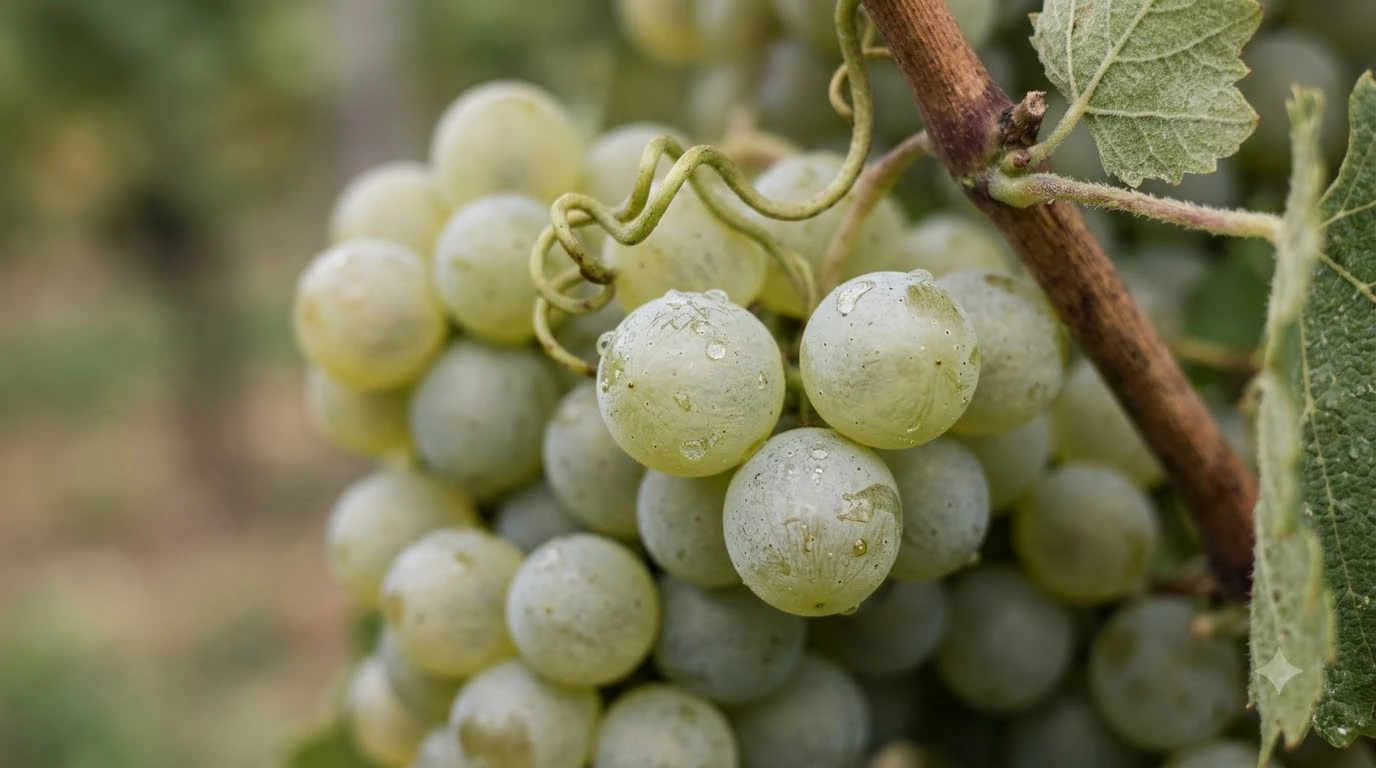
This sutter home white zinfandel review finds that Sutter Home White Zinfandel is a good choice for drinkers who enjoy sweet, light-bodied pink wine with approachable strawberry and melon flavors. Made from red Zinfandel grapes, it offers a refreshing, fruit-forward alternative to dry rosé and heavier red wines. Its relatively modest alcohol content, easygoing character, and food-friendly sweetness make it particularly appealing for casual meals, picnics, and people who are new to wine.
Sutter Home helped establish White Zinfandel as one of America’s best-known wine styles, and its familiar pink wine remains closely associated with approachable California wine. However, sweetness is an important consideration: this is not a crisp, bone-dry rosé or a traditional white wine. Understanding its flavor, production, alcohol level, and best food pairings makes it easier to decide whether it deserves a place at your table.
Who This Is For
Sutter Home White Zinfandel is best suited to people who prefer fruity, noticeably sweet wines rather than austere, dry styles. Its strawberry and melon character, light body, and refreshing finish make it an accessible introduction to wine for casual drinkers.
The wine is particularly appropriate for beginners who find Cabernet Sauvignon, Sauvignon Blanc, or very dry rosé too intense or unfamiliar. Rather than emphasizing oak, earthy flavors, or pronounced tannins, it focuses on approachable fruit and sweetness. The producer describes the wine as refreshingly sweet and highlights strawberry and melon as its defining flavors.
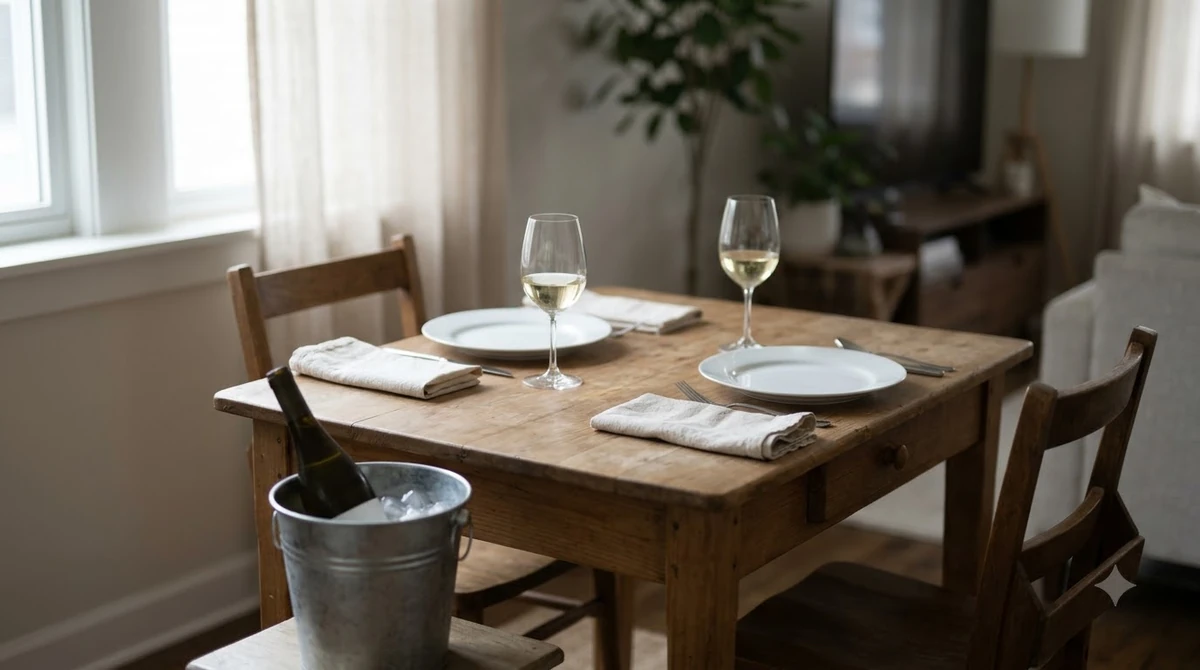
It also suits people planning informal gatherings. A chilled bottle can accompany grilled chicken, shrimp cocktail, picnic sandwiches, or mildly spicy dishes without demanding a complicated food menu. Sutter Home offers several formats, including 187 ml minis, Twist & Go packaging, standard 750 ml bottles, and 1.5-liter bottles. That selection makes it easier to match the packaging to a single serving, a small dinner, or a larger gathering.
However, this wine is not the strongest choice for someone who primarily drinks dry Provence rosé, mineral-driven Sauvignon Blanc, or structured red wines. Its sweetness is a defining feature rather than a subtle background characteristic. Drinkers who prefer tart citrus, pronounced minerality, or a completely dry finish may find it too sweet.
Its background also gives it a recognizable place in American wine history. Sutter Home traces the original White Zinfandel to Bob Trinchero’s winemaking experiments in 1972. The style subsequently became a major commercial success, helping introduce large numbers of Americans to pink wine.
For readers comparing the broader range of wines from this producer, the Sutter Home White Zinfandel overview provides another useful starting point. The key decision is whether a sweet, uncomplicated pink wine matches your usual preferences.
Key Factors to Compare
The most important buying considerations are sweetness, flavor, alcohol content, acidity, and bottle format. These characteristics explain what makes Sutter Home White Zinfandel different from dry rosé and other everyday wines.
The producer’s 187 ml product listing provides specific technical information, including 9.8% ABV, 0.70 g/100 ml acidity, and a pH of 3.18. These figures provide a useful reference for understanding the wine’s style, although the alcohol specification should be associated with that particular listed product rather than automatically assumed for every package or market. The complete Sutter Home White Zinfandel product specifications provide the producer’s technical details and tasting description.
| Factor | Sutter Home White Zinfandel | What It Means for Buyers |
|---|---|---|
| Grape | Zinfandel | Made from a red grape variety |
| Wine style | White Zinfandel rosé | Pink rather than traditional white wine |
| Sweetness | Sweet | Best for drinkers who enjoy noticeable fruit sweetness |
| Flavor profile | Strawberry and melon | Fruit-forward and approachable |
| Alcohol | 9.8% ABV on the 187 ml product listing | A relatively modest alcohol level |
| Acidity | 0.70 g/100 ml on the 187 ml listing | Provides freshness alongside sweetness |
| pH | 3.18 on the 187 ml listing | Another measure of the wine’s acidity |
| Fermentation | 60°F in stainless steel tanks | Designed to retain fresh fruit characteristics |
| Serving temperature | 45–50°F | Chilling helps maintain a refreshing profile |
| Available formats | 187 ml mini, Twist & Go, 750 ml, 1.5 L | Different options for individual and group occasions |
Sweetness deserves the most attention. Sutter Home markets the wine as refreshingly sweet, but it does not publish a current residual-sugar measurement on its main White Zinfandel product page. Consequently, historical measurements should not be presented as the exact sugar content of a bottle currently available in stores.
Alcohol content is another useful comparison point. The listed 9.8% ABV for the 187 ml product is lower than many full-bodied California red wines. For a more detailed explanation of the numbers and serving implications, see the guide to Sutter Home White Zinfandel alcohol content.
Finally, consider the difference between sweetness and acidity. A sweet wine can still taste refreshing when it has sufficient acidity to balance its fruit character. Sutter Home’s listed acidity and pH figures provide technical context, while the producer’s description of a crisp finish explains the intended drinking experience.
Tip: If you usually prefer dry wine, begin with a small chilled pour before committing to a full glass. The sweetness is central to White Zinfandel’s character, so sampling it alongside food can give you a better impression than drinking it on its own.
Step-by-Step: How to Choose a Bottle
Choosing Sutter Home White Zinfandel is straightforward once you establish your sweetness preference, serving occasion, and desired bottle size. A few simple checks can help prevent buying a wine that does not suit your meal or guests.
-
Decide whether you enjoy sweet wine.
Think about whether you usually enjoy Moscato, sweet Riesling, fruit-forward rosé, or other wines with noticeable sweetness. Sutter Home White Zinfandel belongs in this approachable category rather than the bone-dry wine category. If your favorite wines are very crisp and savory, a dry rosé may be a better match.
-
Consider the occasion.
For a casual lunch, picnic, or informal dinner, this wine offers a simple serving option. Its fruit-forward character can work particularly well with chicken, seafood appetizers, and mildly spicy food. For a formal dinner centered on rich beef or strongly flavored aged cheese, a more structured wine may be appropriate.
-
Choose the package size.
Sutter Home lists mini formats, Twist & Go, 750 ml bottles, and 1.5-liter bottles. A standard 750 ml bottle provides approximately five conventional 5 oz glasses. The smaller 187 ml format is convenient when one serving is sufficient, while a 1.5-liter bottle provides approximately ten conventional glasses.
-
Review the alcohol specification.
The producer’s 187 ml listing states 9.8% ABV. Alcohol information matters when comparing wines with different strengths, particularly if you want a lighter-style option. Do not assume that a specification published for one package necessarily establishes the exact alcohol percentage of every regional product listing.
-
Plan your food pairing.
Think about the dominant flavor of the meal rather than choosing wine based only on the main ingredient. Spicy Asian dishes, shrimp cocktail, and grilled chicken are among the pairings recommended by Sutter Home. Sweet-and-sour sauces and fruit-based accompaniments can also work well with the wine’s fruity profile.
-
Chill the wine before serving.
Allow enough refrigerator time to bring the bottle to approximately 45–50°F. Serving it too warm can make the sweetness feel heavier and less refreshing. A chilled glass helps emphasize its lighter body and fresh fruit aromas.
-
Decide whether you need a backup style.
If guests have different preferences, consider offering a dry rosé or Sauvignon Blanc alongside the White Zinfandel. This gives people a choice between a sweet pink wine and a drier alternative without requiring everyone to enjoy the same sweetness level.
These steps are especially useful when buying wine for a group. Sweetness is subjective, and the most successful purchase is generally the one that matches the preferences of the people drinking it rather than the most technically complicated bottle.
Types or Styles Explained
Understanding White Zinfandel requires distinguishing it from conventional white wine, dry rosé, and red Zinfandel. Although these wines can share a grape variety or pink color, their production methods and drinking characteristics are quite different.
White Zinfandel and dry rosé
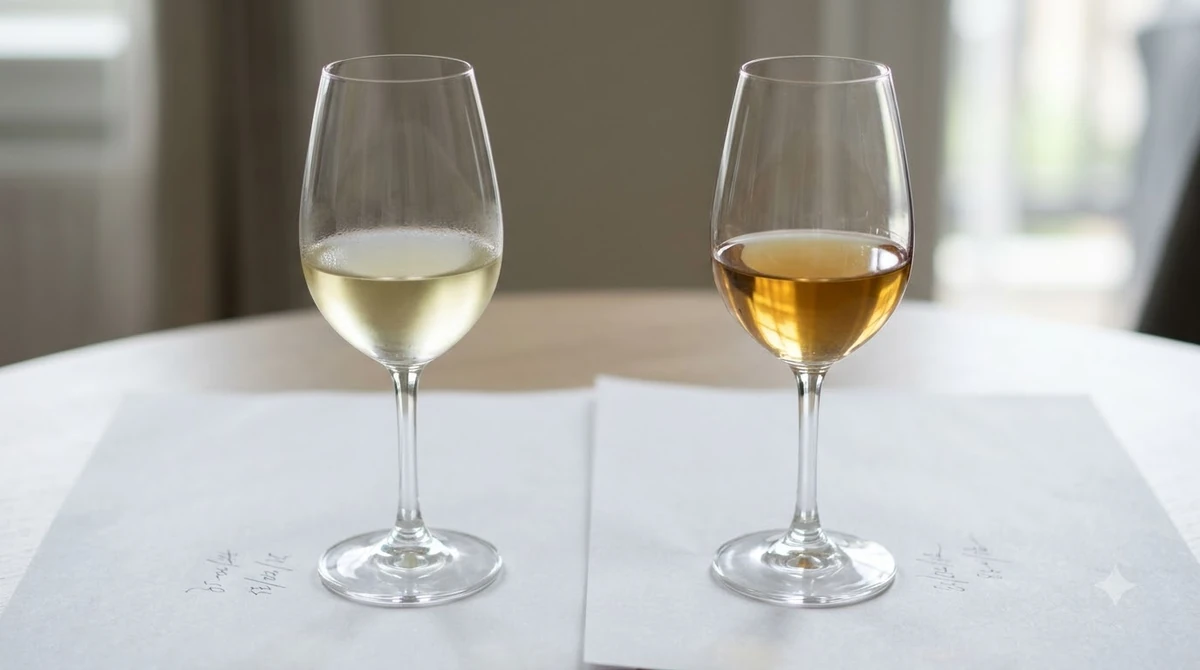
White Zinfandel is a rosé-style wine made from red Zinfandel grapes. The name can be misleading because the finished wine is pink, not white. Its color develops through limited contact between the juice and the grape skins, while its recognizable sweetness distinguishes it from many dry rosés.
Dry rosé wines from Provence, France, offer a useful comparison. Those wines are generally made in a crisp, dry style, often emphasizing citrus, subtle red fruit, and refreshing acidity. Sutter Home White Zinfandel instead emphasizes sweeter strawberry and melon characteristics. Neither style is inherently better; they simply serve different preferences.
White Zinfandel and red Zinfandel
Traditional red Zinfandel is generally much fuller-bodied and more concentrated than White Zinfandel. It can feature dark berries, spice, substantial alcohol, and more noticeable tannins. White Zinfandel takes the same red grape in a different direction, creating a lighter pink wine with less skin contact and a sweeter profile.
This distinction also explains why White Zinfandel is not a white mutation of the Zinfandel grape. It is a winemaking style using the familiar red variety. The word white describes the wine’s historical category rather than the color of the grapes.
How Sutter Home produces its style
Sutter Home’s product description explains that its winemakers immediately press Zinfandel grapes after harvest to collect concentrated free-run juice. The juice is then cold-fermented at 60°F in stainless steel tanks. This approach is intended to preserve fresh aromas, fruit flavors, and crisp acidity.
The wine’s history is particularly interesting because the sweeter style emerged through an unexpected fermentation problem. According to Sutter Home’s historical account, the winery’s first White Zinfandel in 1972 was dry and white in color. A subsequent stuck fermentation resulted in the pink, sweeter style that customers embraced.
The original experiment eventually became a major part of American wine culture. Sutter Home reports that White Zinfandel grew from 25,000 cases in 1981 to more than 4.5 million cases by 1987. That history helps explain why the brand remains closely associated with this particular wine style.
Linda Murphy’s SFGATE history of White Zinfandel also discusses how the style gained popularity, its distinction from dry rosé, and its contribution to maintaining demand for California Zinfandel grapes.
For readers exploring the producer’s wider selection, Sutter Home white wine is a useful broader category to consider. Its Chardonnay and other white wine options provide alternatives for people who enjoy the producer but want a different balance of sweetness, acidity, or texture.
Common Mistakes
The most common buying mistakes involve confusing White Zinfandel with dry rosé, expecting a traditional white wine, or pairing its sweetness with foods that emphasize bitterness and dryness. Recognizing these differences makes the wine easier to appreciate.
Assuming that white means dry
The word white in White Zinfandel does not indicate a conventional white grape or a dry wine. It refers to the historical style name. The finished wine is pink, made from red Zinfandel grapes, and intentionally sweet. Buyers expecting the crisp profile of an unoaked Sauvignon Blanc may be surprised by its fruit-forward character.
Expecting the flavor of red Zinfandel
Although both wines use Zinfandel grapes, their textures and flavors are very different. A red Zinfandel can deliver blackberry, pepper, dark fruit, and pronounced tannin. Sutter Home White Zinfandel is lighter, sweeter, and focused on strawberry and melon. Choosing one as a substitute for the other is likely to create the wrong expectations.
Serving it too warm
Temperature can significantly influence how sweet a wine feels. White Zinfandel should be served chilled, ideally around 45–50°F. A bottle served at typical warm room temperature may seem heavier and less refreshing than intended.
Pairing it with every type of spicy food
Some sweetness can complement chili heat, which helps explain why White Zinfandel is often recommended with spicy Asian cuisine. However, alcohol and tannin can amplify the sensation of chili heat. Sutter Home’s relatively modest listed alcohol level and low-tannin rosé style make it more suitable for many spicy meals than a powerful, tannic red wine.
Still, the sauce matters. A very sweet wine can become difficult to enjoy alongside a delicate dish that relies on subtle herbal flavors. Match the wine with the intensity of the seasoning rather than assuming that every spicy dish will automatically work.
Choosing a dessert that is sweeter than the wine
Sweet wine generally pairs better with dessert when the wine is at least as sweet as the food. Otherwise, the dessert can make the wine taste thin, tart, or less expressive. Fruit salad and lightly sweet strawberry desserts can be suitable options, while very sugary cakes and rich chocolate desserts may overwhelm this particular wine.
Confusing historical sugar figures with current specifications
Sutter Home’s historical account mentions approximately 2% residual sugar in the wine that developed the sweeter style in 1975. That is a historical detail, not a published current residual-sugar specification. The present product description identifies the wine as sweet but does not provide an exact current sugar measurement. Buyers should not treat the original historical figure as a guarantee of what is in a modern bottle.
Care or Storage Tips
Sutter Home White Zinfandel is best enjoyed young, chilled, and fresh rather than stored for extended aging. Good refrigeration, appropriate serving temperature, and sensible handling after opening help preserve its delicate fruit character.
Store unopened bottles correctly
Keep unopened bottles in a cool, dark location away from direct sunlight and sudden temperature changes. A storage temperature near 55°F is a useful general target for wine. For traditional cork-sealed bottles intended for longer storage, horizontal positioning helps keep the cork from drying out.
White Zinfandel is generally purchased for immediate enjoyment rather than long-term cellaring. Its fresh strawberry and melon character is central to its appeal, so there is little reason to keep an everyday bottle for years in the expectation that it will develop the complexity of an age-worthy red wine.
Chill before pouring
Place the bottle in the refrigerator before serving and aim for 45–50°F. If the wine becomes excessively cold, allow it a few minutes in the glass to reveal more of its aromas. A standard white wine glass works well because it allows the wine’s light fruit aromas to remain accessible.
For gatherings, keep the remaining bottle refrigerated between pours. Avoid leaving it in direct sunlight or beside a hot grill for extended periods. A simple ice bucket can help maintain a suitable serving temperature during an outdoor meal.
Preserve an opened bottle
After opening, reseal the bottle with its original closure or a suitable wine stopper and return it to the refrigerator. Most opened still wines retain acceptable quality for approximately three to five days when refrigerated, although delicate fruit aromas can fade before that period ends.
For the best experience, finish the wine while its strawberry and melon notes remain fresh. A smaller package can be a practical choice when only one or two glasses are needed, because it reduces the amount of wine left over after an occasion.
Use the right glass and pour size
A standard 5 oz pour is a useful reference for comparing wine servings. A 750 ml bottle contains approximately five such glasses, while a 187 ml mini bottle holds a little more than one standard glass. These measurements are useful for planning a dinner or estimating how many bottles are needed for a gathering.
There is no need for elaborate decanting or specialized glassware. The wine’s intended character is fresh and uncomplicated, so a clean glass and an appropriately chilled serving are sufficient.
Frequently Asked Questions
Is Sutter Home White Zinfandel made with 100% Zinfandel grapes?
The producer identifies Zinfandel as the grape used for its White Zinfandel, but the cited consumer product description does not provide a complete percentage breakdown. A varietal name alone should not be interpreted as a published confirmation of an exact grape composition. Consult the producer’s technical information if a precise blend percentage is important to your purchase.
Why is Sutter Home White Zinfandel pink instead of white?
White Zinfandel is made from red-skinned Zinfandel grapes, with limited skin contact before fermentation. This allows some pigment to enter the juice without producing the deep color associated with red Zinfandel. The name reflects the historic wine style rather than the color of the finished wine.
Who invented White Zinfandel?
Bob Trinchero of Sutter Home is credited with developing the American White Zinfandel style. His initial 1972 wine was dry, while the sweeter pink version became established following a stuck fermentation in 1975. The accidental result became one of the most recognizable American wine styles.
Does Sutter Home White Zinfandel contain sulfites?
Wine can contain naturally occurring sulfites as well as sulfites associated with winemaking and preservation. Product-specific ingredient and allergen information should be obtained from the producer or packaging rather than inferred from the wine’s color or sweetness. This is particularly relevant for shoppers who need precise labeling information.
Can Sutter Home White Zinfandel be used in a wine cocktail?
Yes, its strawberry and melon profile can work as a base for simple chilled wine cocktails. Fresh strawberries, citrus slices, and sparkling water are possible additions for a casual pink wine spritzer. Because the wine already has noticeable sweetness, additional sweeteners are generally unnecessary.
Sutter Home White Zinfandel remains a recognizable choice for drinkers who enjoy sweet, fruity, uncomplicated pink wine. Its strawberry and melon flavors, approachable style, and convenient package options make it particularly useful for casual meals and informal gatherings. Choose it for its sweetness and refreshing character rather than expecting the dryness, structure, or complexity of a traditional premium rosé.
For more background, the Wine Brands section offers a broader starting point for exploring familiar producers and different wine styles. Sutter Home White Zinfandel is most rewarding when served chilled and matched with food that complements its naturally fruit-forward personality.
More in Wine Brands
 Louis Latour Wine Price: Compare Bottles by Style and TierUpdated Nov 20, 2026
 Yellow Tail Moscato Price: What to Expect Before You BuyUpdated Nov 20, 2026
 Sutter Home Sweet Red Review: Find the Right Food PairingsUpdated Nov 20, 2026
 Franzia Chillable Red Review: Find the Right Serving StyleUpdated Nov 20, 2026
 Veuve Clicquot Rose Review: Flavor, Food Pairings and Buying AdviceUpdated Nov 20, 2026
 Rombauer Wine Price: Compare Bottles Before You BuyUpdated Nov 20, 2026