

We may earn a commission when you buy through links on this page, at no extra cost to you. Learn more.
Sutter Home White Zinfandel price typically ranges from about $5 to $8 for a 750 ml bottle and $9 to $12 for a 1.5 L bottle at US retailers. This California blush wine is a lightly sweet, fruit-forward option with strawberry and melon flavors. Its different bottle sizes make it suitable for individual servings, casual dinners, and larger gatherings. The best value depends on how much wine you need, the retailer you shop with, and local availability.
Sutter Home White Zinfandel is an approachable choice for people who enjoy fruity rosé-style wines without paying premium-wine prices. Its familiar flavor profile and widely distributed bottle formats make it relatively easy to compare across grocery stores and wine retailers. This guide examines typical retail costs, bottle sizes, value differences, and practical buying considerations so you can choose the right bottle without overspending.
Who This Wine Is For
Sutter Home White Zinfandel is particularly suitable for shoppers looking for an affordable, lightly sweet California wine with recognizable fruit flavors. Its approachable character makes it a reasonable choice for casual meals, informal celebrations, and occasions where guests have different levels of wine experience.
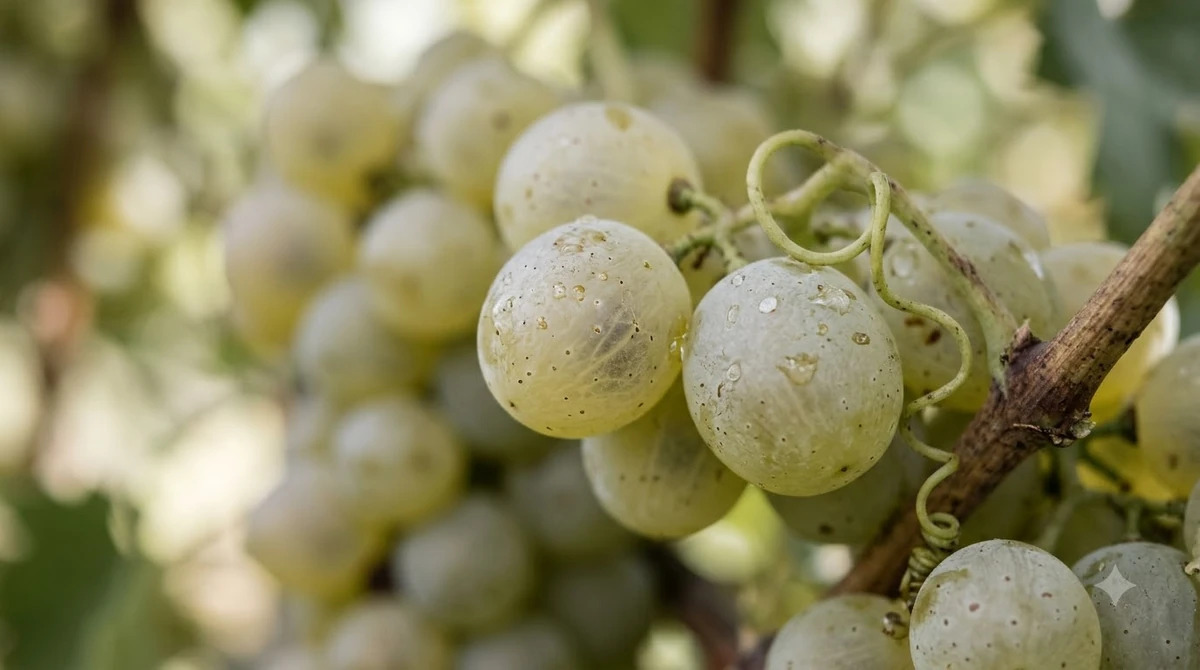
The wine is made from Zinfandel grapes and has a pale pink appearance. Sutter Home describes its original White Zinfandel as a wine introduced in 1972, with strawberry and melon flavors and a refreshing finish. Its style sits closer to a sweet, fruit-forward rosé than to a traditional dry white wine.
Shoppers who prefer noticeable fruit character rather than strong oak, pronounced tannins, or intense acidity may appreciate this style. It can also work for people who are beginning to explore wine and want something relatively straightforward. The familiar strawberry and melon profile makes the wine easier to understand than some more complex regional styles.
It is also a practical option for households that want a recognizable bottle for an informal gathering. A 750 ml bottle provides a conventional serving quantity, while the larger 1.5 L format is useful when several people plan to share the same wine. Smaller formats are worth considering when individual portions or portability matter more than the lowest cost per milliliter.
However, this is not necessarily the right purchase for someone who prefers bone-dry wines, high acidity, or complex mineral and herbal flavors. A shopper looking for a traditional dry Sauvignon Blanc or an oak-aged Chardonnay may find the sweetness and fruit-forward character less appealing.
It is helpful to understand the broader category before choosing a bottle. White Zinfandel is a pink wine style, despite the word white in its name. Readers comparing different producers and styles can explore our Wine Brands resource for additional buying information.
Key Factors to Compare Before Buying
The most useful comparison involves four factors: bottle size, typical retail cost, quantity needed, and the wine’s style. Comparing these details helps distinguish a genuinely convenient purchase from a bottle that simply appears cheaper on the shelf.
Retail listings provide a useful picture of the differences between package formats. The following ranges are approximate US retail shopping estimates based on the producer’s listed mini-bottle price and retailer listings from Meijer and Smart & Final. They are not guaranteed nationwide prices.
| Bottle size | Approximate US price | Approximate servings | Best use |
|---|---|---|---|
| 187 ml | About $1.75 to $3 | About 1 | Individual portions |
| 750 ml | About $5 to $8 | About 5 | Casual dinners |
| 1.5 L | About $9 to $12 | About 10 | Parties and gatherings |
These serving estimates use a standard 5 oz wine pour. A 750 ml bottle contains approximately 25.4 fluid ounces, while a 1.5 L bottle contains approximately 50.7 fluid ounces. Actual servings depend on pouring size and how much wine remains in the bottle.
For the 750 ml format, Meijer’s opened product listing displays $6.99, while its 1.5 L option displays $10.99. The Meijer Sutter Home White Zinfandel listing provides an example of how the same retailer prices the two bottle formats. Smart & Final displays $8.99 for its 1.5 L bottle. These retailer observations support approximate shopping ranges rather than universal prices. Prices vary by state and retailer, and local taxes, promotions, and inventory can change the amount paid.
The 187 ml format has a different purpose. Sutter Home’s own product listing displays the mini bottle at $1.75, making it an option for shoppers who do not need a full bottle. However, mini-bottle availability and pricing can differ considerably between markets.
Compare the cost per serving
The larger bottle often offers a lower cost per ounce, but that advantage matters only if the wine will actually be consumed while it remains enjoyable. A large bottle can be a sensible purchase for a gathering of several adults, but it may be less practical for someone who wants just one glass.
For example, a 750 ml bottle provides approximately five standard pours. A 1.5 L bottle provides approximately ten. The larger format contains exactly twice the volume of the standard bottle, so the comparison should focus on the total amount paid relative to the quantity needed.
There is also a convenience factor. A standard bottle is easier to store in most refrigerators and wine racks. A larger bottle takes up more space and may require a different storage position after opening.
For shoppers comparing this particular wine with other products in the same family, our Sutter Home White Zinfandel overview provides more information about its flavor and general wine style.
Step-by-Step: How to Find the Right Bottle
Finding a suitable bottle is straightforward if you compare the size you need before looking at the shelf price. A few practical steps can help prevent unnecessary spending and make the purchase more useful for its intended occasion.
-
Decide how many people will share the wine.
Start with the expected number of drinkers rather than the largest available bottle. A 750 ml bottle provides approximately five 5 oz servings, making it a convenient starting point for a small dinner. For a larger gathering, calculate the total amount needed before choosing between multiple standard bottles and a 1.5 L format.
-
Choose the appropriate package size.
Select the 187 ml mini format for an individual serving, the 750 ml bottle for an ordinary household purchase, or the 1.5 L bottle for a group. The mini bottle can be particularly useful when someone wants to sample the wine before purchasing a larger quantity.
-
Compare at least two local retailers.
Look at grocery stores, specialist wine shops, and established retail websites. Compare the same volume rather than comparing a 750 ml bottle with a 1.5 L bottle by headline price alone. Meijer and Smart & Final are examples of retailers that list Sutter Home White Zinfandel in their wine selections.
-
Calculate the price per liter.
Divide the listed retail price by the bottle volume expressed in liters. For example, a 750 ml bottle contains 0.75 liters, while a 1.5 L bottle contains 1.5 liters. This calculation reveals whether a larger format provides better volume value.
-
Check the wine description.
Look for the familiar strawberry, melon, and berry characteristics associated with Sutter Home White Zinfandel. The producer describes the wine as lightly sweet with a crisp finish. This matters because a different wine from the same producer may have a noticeably different sweetness level or flavor profile.
-
Consider the occasion and serving arrangements.
For an informal dinner with grilled chicken or shrimp cocktail, a standard bottle may be sufficient. For a gathering with several guests, the larger format may reduce the number of bottles needed. Also consider refrigerator space and whether the bottle can be finished within a reasonable period after opening.
-
Complete the purchase with local availability in mind.
Retailer websites may show different prices depending on the selected store. Confirm the actual local listing, bottle size, and availability before traveling to purchase the wine. This is particularly important for the 187 ml format, which may not be stocked as consistently as standard bottles.
Tip: Compare the cost per liter instead of choosing the bottle with the lowest shelf price. A 1.5 L bottle contains twice as much wine as a 750 ml bottle, and the larger format may offer better value for a gathering. However, a smaller bottle can be the more practical purchase if you only need a few servings.
Another useful consideration is the wine’s alcohol content. Sutter Home’s 187 ml product page lists 9.8% ABV, and its Meijer 750 ml listing also displays 9.8% ABV. Retailer listings for other formats can show slightly different figures, so buyers comparing alcohol percentages should distinguish between individual product listings rather than assuming every retailer displays identical specifications.
Our Sutter Home White Zinfandel alcohol content article explains the percentage and how to interpret the information when comparing bottle formats.
Types and Bottle Styles Explained
Sutter Home White Zinfandel is a single recognizable wine style sold in several package formats. Understanding the differences between the bottle sizes is more important than expecting a major flavor change between the standard and larger bottles.
187 ml mini bottle
The mini format is designed for individual portions and situations where a full bottle is unnecessary. At 187 ml, it contains approximately 6.3 fluid ounces, slightly more than one standard 5 oz serving.
This size is useful for people who want to sample the wine, take an individual portion to a permitted event, or avoid opening a larger bottle. It can also be convenient for a small household where wine is not consumed frequently.
The main limitation is availability. Not every supermarket or wine shop stocks the mini format, and the cost per liter can be higher than that of a larger bottle. Buyers should therefore consider convenience as part of the value calculation.
750 ml standard bottle
The standard 750 ml bottle is the most familiar format for everyday wine shopping. It provides approximately five standard 5 oz servings and is suitable for two people sharing wine with a meal.
Its size makes it easy to chill, store, and serve. It also allows shoppers to purchase a familiar quantity without committing to a large bottle. For many households, this is the most balanced option between purchase cost, storage convenience, and serving quantity.
Sutter Home describes its White Zinfandel as having a pale pink color, delicate berry aromas, sweet strawberry and melon flavors, and a crisp finish. These characteristics make it a recognizable choice for people who enjoy approachable fruit-forward wines.
1.5 L magnum bottle
The 1.5 L bottle contains twice as much wine as the standard 750 ml format. It provides approximately ten 5 oz servings, making it more appropriate for a family gathering, casual celebration, or dinner with several guests.
Its larger volume can improve the cost per serving when the retailer’s price is favorable. It also reduces the need to open multiple bottles during an event.
However, the magnum requires more refrigerator space and can be inconvenient to handle when pouring. Once opened, the wine should be stored appropriately, and the remaining contents should be consumed within the normal freshness window for opened still wine.
Understanding the wine style
White Zinfandel is a pink wine made from Zinfandel grapes. Its color comes from limited contact between the grape juice and the grape skins during production. The result is a style that can have a lighter color and a sweeter flavor profile than many traditional red Zinfandel wines.
Sutter Home explains that the grapes are pressed soon after harvest to collect the free-run juice. Its winemaking description also identifies cold fermentation at 60°F in stainless steel tanks as part of the process used to preserve fresh aromas and fruit character.
The producer’s description emphasizes strawberry, melon, and a touch of vanilla. These flavors are useful reference points when comparing the wine with other pink wines, especially if a shopper is deciding between a sweet rosé and a dry rosé.
Shoppers looking for other options from the same producer can also explore Sutter Home white wine to compare the brand’s other wine styles and flavor profiles.
Common Buying Mistakes
Several purchasing mistakes can make a relatively inexpensive wine less useful or more expensive than expected. The most common problems involve comparing different bottle sizes, misunderstanding sweetness, and relying too heavily on a displayed online price.
Comparing different volumes by shelf price
A frequent mistake is assuming that the cheapest bottle is automatically the best value. A mini bottle naturally costs less than a standard bottle, but it also contains much less wine. Likewise, a 1.5 L bottle may cost more overall while providing a lower cost per serving.
Always compare equivalent volumes or calculate the price per liter. This is particularly important when a retailer displays several package options on the same product page. The bottle size should be part of every price comparison.
Assuming White Zinfandel is a dry white wine
The name can create confusion among shoppers who are unfamiliar with the category. White Zinfandel is a pink wine, not a conventional dry white wine. Sutter Home describes its version as refreshing and sweet, with strawberry and melon flavors.
Someone who prefers a crisp, dry Sauvignon Blanc may find this wine sweeter than expected. Conversely, people who enjoy fruity rosé-style wines may find the style approachable and familiar.
Ignoring local price differences
Retail prices can differ considerably between states and even between stores in the same region. Local taxes, retailer pricing policies, delivery arrangements, and stock levels all influence the final amount.
For example, Meijer’s product page displays separate pricing for the 750 ml and 1.5 L formats, while Smart & Final lists its 1.5 L bottle separately. These listings illustrate why shoppers should compare their local stores rather than assuming one national price applies everywhere.
Buying too much wine for the occasion
A larger bottle can be attractive because it provides more wine in one package. However, purchasing a 1.5 L bottle for a meal involving only two people may not be necessary.
Still wine generally retains its best opened-bottle character for approximately three to five days when refrigerated and properly sealed. This makes the expected consumption period an important part of the buying decision.
Overlooking food compatibility
White Zinfandel’s fruit-forward sweetness makes it suitable for several foods, but not every dish will complement it equally well. The producer recommends spicy Asian cuisine, shrimp cocktail, and grilled chicken.
For a meal with significant chili heat, the wine’s sweetness can provide a pleasant contrast. However, heavily sweet desserts may require a wine with at least the same level of sweetness to avoid making the wine seem less flavorful.
Expecting different bottle sizes to mean different wine styles
Another mistake is assuming that the 750 ml and 1.5 L versions necessarily represent different quality levels. Bottle volume alone does not establish a different wine recipe or flavor profile.
The more useful comparison is the product identity, the listed specifications, and the condition of the bottle. Shoppers should focus on those details instead of treating a larger package as a separate wine category.
Care, Serving, and Storage Tips
Proper serving and storage help preserve the fruity character that makes Sutter Home White Zinfandel appealing. Chilling the wine before serving and keeping opened bottles refrigerated are two simple ways to maintain its freshness.
Serve the wine chilled
Sutter Home recommends serving its White Zinfandel well-chilled. A practical serving temperature for a light rosé-style wine is approximately 45°F to 50°F. This temperature range helps keep the wine refreshing while allowing its strawberry and melon aromas to remain noticeable.
A bottle stored at room temperature can be placed in the refrigerator for a few hours before serving. If time is limited, an ice bucket containing water and ice can cool the bottle more quickly than relying on ice cubes placed directly in the wine glass.
Extremely cold wine may seem less aromatic, so allowing a glass to warm slightly can help reveal more of its fruit character. This is particularly useful when serving the wine alongside grilled chicken, shrimp, or mildly spicy dishes.
Choose suitable glassware
A standard white wine glass works well for White Zinfandel. Its bowl provides enough space for aromas to develop without requiring the large bowl commonly associated with some full-bodied red wines.
There is no need to purchase specialized glassware to enjoy this wine. Clean, odor-free wine glasses are sufficient for casual dinners and larger gatherings. A standard 5 oz pour also leaves enough room in the glass for gentle swirling.
Store unopened bottles properly
Unopened wine should be kept away from direct sunlight, excessive heat, and significant temperature fluctuations. A cool storage area near 55°F is a useful target for longer-term wine storage.
For bottles with traditional cork closures, horizontal storage helps keep the cork in contact with the wine. This is a general wine-storage practice rather than a special requirement for the White Zinfandel itself.
For a bottle intended to be consumed soon, refrigeration is a convenient option. The main objective is to avoid prolonged exposure to heat, which can negatively affect the wine’s aromas and overall freshness.
Preserve an opened bottle
Once opened, replace the closure securely and place the remaining wine in the refrigerator. Still wines generally retain acceptable freshness for approximately three to five days, although the actual period depends on storage conditions and exposure to oxygen.
A smaller container can be useful when only a little wine remains because it reduces the amount of air in contact with the liquid. Alternatively, a suitable wine stopper can help limit exposure to oxygen.
The 1.5 L bottle deserves particular attention because it contains approximately ten standard servings. If a gathering does not finish the bottle, divide the remaining wine into smaller sealed containers and refrigerate it promptly.
Plan food pairings around sweetness
The wine’s strawberry and melon profile works particularly well with foods that have some spice, moderate saltiness, or lighter textures. Sutter Home specifically identifies spicy Asian cuisine, shrimp cocktail, and grilled chicken as pairing suggestions.
For a casual meal, consider grilled chicken with a mildly spicy marinade, shrimp served with a tangy cocktail sauce, or a selection of fresh salads. These dishes allow the wine’s fruity character to complement the meal without requiring complicated preparation.
For dessert, select something at least as sweet as the wine. Fruit-based desserts and strawberry pastries can provide a natural flavor connection, although a very sweet dessert may make a less-sweet wine seem sharper by comparison.
Keeping these serving and storage practices in mind helps ensure that the bottle remains enjoyable whether it is a small individual format or a larger bottle shared at a gathering.
Frequently Asked Questions
Is Sutter Home White Zinfandel a non-vintage wine?
Wine.com identifies the 750 ml Sutter Home White Zinfandel listing as non-vintage. This means the bottle is not presented as a wine from one specifically identified harvest year. It is intended as a consistent, approachable wine style rather than a vintage-focused collectible.
What does the term White Zinfandel mean?
White Zinfandel is a rosé-style wine made using Zinfandel grapes, rather than a white grape variety. Its pink color results from the winemaking process and limited skin contact. The name describes the wine style, not a requirement that the wine be completely colorless.
Does Sutter Home White Zinfandel contain sulfites?
Smart & Final identifies sulfites in its product warning for the 1.5 L bottle. Sulfites are commonly present in wine as a natural result of fermentation and may also be used during winemaking. Retail packaging and applicable labeling provide the relevant product information.
Can Sutter Home White Zinfandel be used for a wine punch?
Its strawberry and melon character makes it a possible base for a simple fruit punch. It can be combined with sliced strawberries, citrus, and chilled sparkling water for a casual gathering. Avoid adding too much sweetened mixer because the wine already has a noticeable fruit sweetness.
Is Sutter Home White Zinfandel suitable for cooking?
It can be used in selected recipes, particularly fruit-based sauces or dishes where a little sweetness is desirable. However, its sweet character makes it less versatile than a dry cooking wine for savory sauces. For recipes requiring wine reduction, the finished sauce will concentrate the wine’s existing sweetness.
Sutter Home White Zinfandel offers an accessible California wine style with recognizable strawberry and melon flavors, several convenient bottle formats, and a relatively affordable retail position. For most individual shoppers, the 750 ml bottle is a practical starting point, while the 1.5 L format makes more sense for larger gatherings. Compare local retailer listings, calculate the cost per liter, and select the bottle size that matches your plans.
More in Wine Brands
 Louis Latour Wine Price: Compare Bottles by Style and TierUpdated Nov 20, 2026
 Yellow Tail Moscato Price: What to Expect Before You BuyUpdated Nov 20, 2026
 Sutter Home Sweet Red Review: Find the Right Food PairingsUpdated Nov 20, 2026
 Franzia Chillable Red Review: Find the Right Serving StyleUpdated Nov 20, 2026
 Veuve Clicquot Rose Review: Flavor, Food Pairings and Buying AdviceUpdated Nov 20, 2026
 Rombauer Wine Price: Compare Bottles Before You BuyUpdated Nov 20, 2026