


We may earn a commission when you buy through links on this page, at no extra cost to you. Learn more.
Sussex wine comes from vineyards on the chalk and greensand slopes of southern England, where cool, sunny sites are well suited to sparkling wine. The county’s leading style is English sparkling wine made by the traditional method, using Chardonnay, Pinot Noir and Pinot Meunier. Still whites and some reds are also made, but sparkling wine is the most widely recognized product from the area.
This guide explains where Sussex wine is grown, what the wines taste like, how to serve them, and what to eat with them. It also covers how to choose a bottle and what to look for when visiting the estates.
Where Sussex Wine Is Grown
Sussex sits on the south coast of England, and many of its vineyards lie on gentle slopes that face the sun. The region is part of the wider English wine industry, which has grown steadily over the past few decades. Several estates are spread across Sussex, Hampshire and Kent, but the county is one of the most important centers for sparkling production. For a broader view of how English sites differ from other wine regions, the Wine Regions guide compares climate and soil across the world.
The land is shaped by chalk and greensand, and both soils drain well and reflect warmth. Vines planted on these slopes can ripen steadily in a cool climate, which keeps acidity high. That acidity is the reason English sparkling wine suits the traditional method. The same principle shows up in warmer places: the Calistoga vineyards in California ripen more quickly, which is why their wines usually taste riper. Comparing the two makes the cooler English profile easy to spot.
Grapes and Styles
The most common grapes are Chardonnay, Pinot Noir and Pinot Meunier. Producers often describe these three varieties as the core of English sparkling wine, and they form the basis of most blends. Chardonnay brings citrus and freshness, while Pinot Noir and Pinot Meunier add body, red fruit and structure.
Sussex wines tend to show a fine, persistent bubble, crisp apple and pear notes, and a savory, biscuity edge from time on the lees. Still whites can be lean and mineral, with a sharp, bright finish. Reds are less common but can show red fruit and a cool-climate freshness.
| Style | What you typically find | Why it shows up |
|---|---|---|
| Traditional-method sparkling | Apple, pear, brioche, fine bubbles | Long aging on the lees in the bottle |
| Still white | Citrus, green apple, bright acidity | Cool-climate ripening on chalk and greensand |
| Still red | Red cherry, herbal notes, light body | Pinot Noir grown in a cool, sunny site |
Soils and Climate
The soils are one of the main reasons Sussex has become a serious wine area. Chalk holds water and gives minerality, while greensand adds structure and drainage. Vineyards on south-facing slopes catch more light, which helps the grapes ripen even when the summers are cool.
Cool nights and steady daytime warmth preserve acidity, and that is the feature producers rely on most. Harvest timing matters a great deal, since a few weeks can change the balance between sugar and acidity. A good vintage can give wines with fine texture and clear fruit. Readers who like to compare cool sites can also look at the Arizona vineyards, where a very different climate produces a different style of wine from a similar set of grapes.

A useful example of these conditions is the Nyetimber story page, which describes greensand and chalk soils, south-facing slopes and the estate’s history on the South Downs. It shows how the local geology shapes the wines.
How to Serve Sussex Wine
Serve sparkling Sussex wine well chilled, usually in the range of 6 to 8 degrees Celsius (43 to 46 degrees Fahrenheit). That temperature keeps the bubbles lively and the flavors clean. Still whites are best served slightly warmer than sparkling, while light reds can be served a little cooler than room temperature.
A flute or a tulip-shaped glass suits sparkling wine, since the shape preserves the bubbles and concentrates the aromas. Still wines do well in a standard white or red glass with a good bowl. Decanting is rarely needed for young wines, though a brief rest in the glass can help the aromas open.
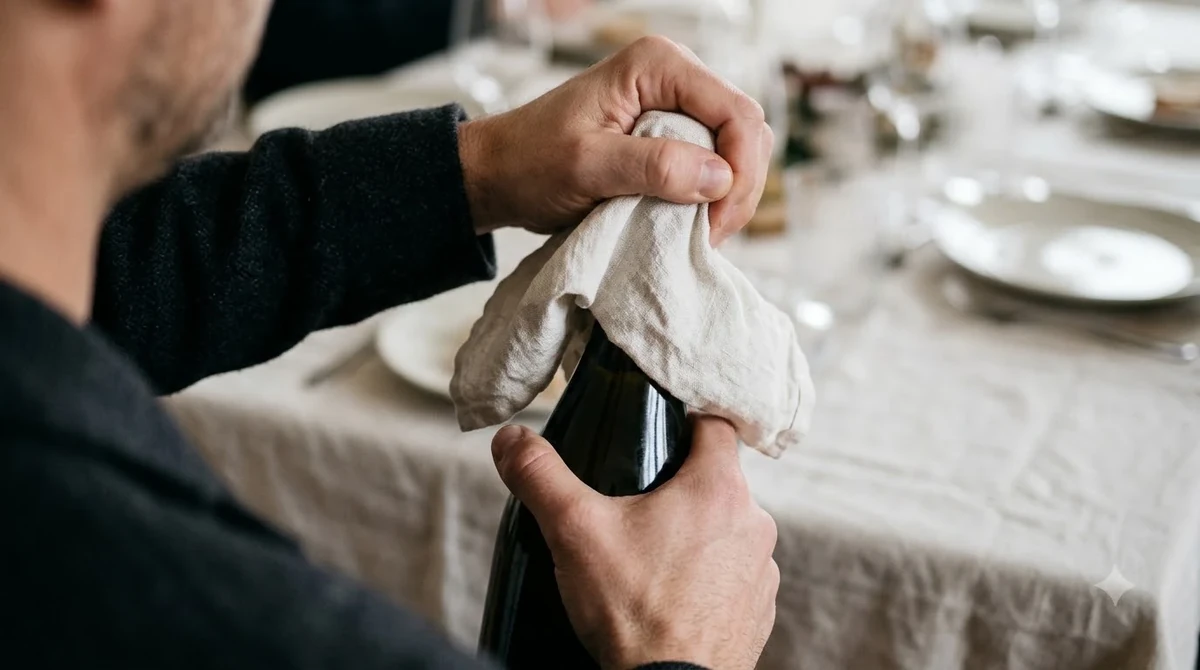
Tip: Open sparkling wine gently and pour it down the side of the glass to keep the bubbles fine. A cold bottle opens more easily and holds its fizz longer.
Food Pairing Ideas
Sparkling Sussex wine is a versatile partner for food. Its crisp acidity and fine bubbles cut through fried dishes and rich cheese. Oysters, smoked salmon and fish with lemon are classic matches, and the wine’s brioche notes suit creamy sauces.
Still whites go well with chicken, pork and vegetable dishes with herbs. Lighter reds can pair with roast chicken, mushroom risotto and charcuterie. Because many Sussex wines are relatively light and bright, they suit lunches and early-evening meals as well as formal dinners.
| Dish | Why it works |
|---|---|
| Smoked salmon or oysters | Acidity and bubbles cut the richness |
| Fried fish or chips | Sparkling wine cleanses the palate |
| Creamy cheese | Fine bubbles lift the texture |
| Roast chicken with herbs | Light reds match savory, herbal flavors |
How to Choose a Bottle
Start by checking whether the bottle is sparkling or still, and whether it is made by the traditional method. A label that mentions the traditional method usually signals a longer aging period and a more complex wine. Check the grape blend too, since Chardonnay-led wines feel brighter, while Pinot-based blends tend to be rounder.
If you want a celebratory bottle, look for a sparkling wine with a clear estate name and details about the aging. For a casual lunch, a still white from the region can be a better fit. Producers’ tasting notes and independent reviews are a sensible way to compare options before buying.
Buy from a retailer that stores bottles cool and away from light, especially for sparkling wine. Heat and bright light can harm wine quality over time, and that matters more for bottles you plan to keep.
Visiting Sussex Wine Estates
Many estates welcome visitors for tours and tastings, and the countryside makes the trip worthwhile even if you are not a wine specialist. Booking ahead is wise, especially at weekends and during the harvest season. Tours often include a walk through the vines and an explanation of how the sparkling wine is made.
Plan your route around the estates you want to see, since distances between them can be longer than they look on a map. Ask about the aging program and the blend, because the staff can often explain the decisions behind each wine.
Frequently Asked Questions
Is Sussex wine mostly sparkling?
Sparkling wine is the best-known style from Sussex, and many estates focus on it. Still whites and some reds are also produced, but sparkling is the most widely recognized product from the region.
What grapes are used in Sussex wine?
Chardonnay, Pinot Noir and Pinot Meunier are the main grapes, especially for sparkling wine. Some estates also plant other varieties for still wines.
How is English sparkling wine different from Champagne?
Both use the traditional method and similar grapes, but they come from different soils and climates. English sparkling wines are often described as fresh and bright, while Champagne styles vary by house and blend.
Should Sussex wine be served chilled?
Yes, sparkling Sussex wine is best served well chilled. Still whites are also better cool, while light reds can be served slightly below room temperature.
Sussex wine rewards anyone who enjoys crisp, fresh bottles with a clear sense of place. Try a sparkling bottle with seafood or a still white with a simple meal, and enjoy it responsibly.
More in Wine Regions
 Willcox Wine Trail: Discover Arizona’s High-Elevation Wine CountryUpdated Nov 20, 2026
 Yakima Valley Wine Region: Find the Best Styles to TryUpdated Nov 20, 2026
 Vosne Romanee Wine Tasting: Identify Aromas and Choose Better PairingsUpdated Nov 20, 2026
 Yakima Valley Wine Festival: Find the Best Seasonal Wine EventsUpdated Nov 20, 2026
 Wales Vineyards: Discover Cool-Climate Wines and Where to VisitUpdated Nov 20, 2026
 Yountville Wine Festival: Discover Napa Wines and Local FoodUpdated Nov 20, 2026