

We may earn a commission when you buy through links on this page, at no extra cost to you. Learn more.
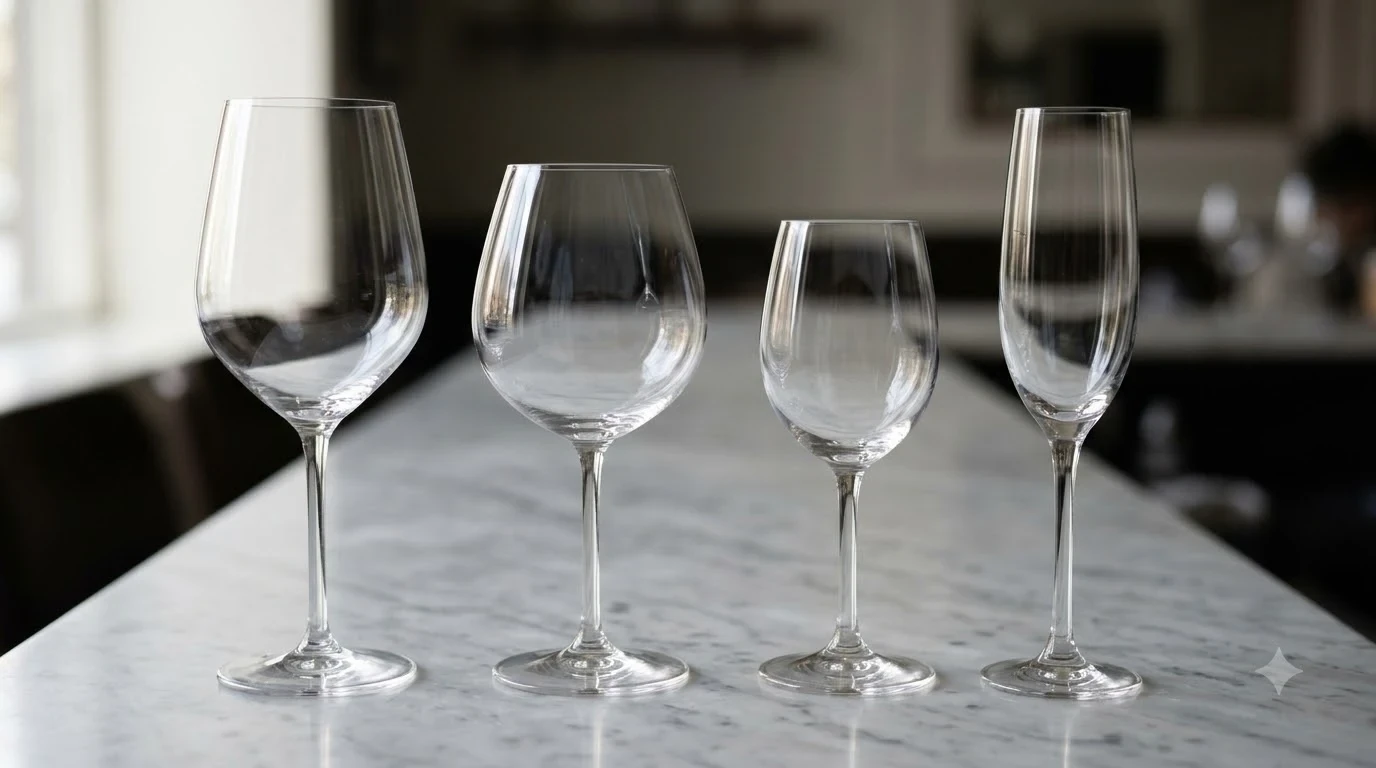
The sur la table wine glasses set of 4 is a practical choice for households that want attractive, everyday glassware without complicated maintenance. The Bistro collection offers separate red, white, and stemless designs, with four matching glasses in each set. Its machine-blown, lead-free glass construction, polished rims, Italian manufacturing, and dishwasher-safe care make it particularly appealing for regular entertaining and casual wine drinking.
Sur La Table offers several wine-glass designs under its Bistro collection, so choosing the right four-piece set requires more than simply counting the glasses. Bowl capacity, overall dimensions, stem design, and the types of wine you normally serve all affect whether a particular version belongs in your kitchen. The following review examines the available specifications, practical advantages, potential limitations, and differences between the Bistro options to help identify the most suitable purchase.
Specs and Key Features of the Sur La Table Bistro Collection
The Bistro collection offers three useful configurations: red wine, white wine, and stemless glasses, each packaged as a set of four. Their listed capacities range from 14.13 to 21.5 ounces, giving buyers distinct options for different serving preferences.
One important detail is that Sur La Table does not offer just one universal product under the description of a wine glasses set of four. The Bistro Red, Bistro White, and Bistro Stemless are separate products with different measurements and intended uses. A shopper searching for a four-piece set should therefore identify the specific version before comparing its features.
The manufacturer’s descriptions identify the Bistro glasses as machine-blown, lead-free glassware made in Italy. All three designs have polished rims and dishwasher-safe care instructions. These are useful everyday characteristics because they combine a refined drinking surface with a more convenient cleaning routine than delicate, hand-wash-only stemware.
| Specification | Bistro Red | Bistro White | Bistro Stemless |
|---|---|---|---|
| Pieces per set | 4 | 4 | 4 |
| Capacity per glass | 21.5 oz | 14.13 oz | 14.2 oz |
| Height | 8.9 in | 7.9 in | 4.1 in |
| Diameter | 3.61 in | 3.23 in | 3.31 in |
| Material | Lead-free glass | Lead-free glass | Lead-free glass |
| Manufacturing | Machine-blown | Machine-blown | Machine-blown |
| Country of manufacture | Italy | Italy | Italy |
| Rim | Polished | Polished | Polished |
| Dishwasher safe | Yes | Yes | Yes |
The differences in capacity are particularly noticeable. The Bistro Red has 7.37 ounces more listed capacity than the Bistro White, while the Stemless version is almost identical in capacity to the White design. These measurements describe the total glass capacity, not the recommended amount of wine to pour. A wine glass should leave sufficient space for swirling and collecting aromas rather than being filled to its rim.
Another important consideration is construction. Machine-blown glass offers a consistent manufacturing approach across matching pieces, which is useful when buying four glasses for a coordinated table setting. The manufacturer also describes its proprietary glass formula as designed to retain clarity through thousands of dishwasher cycles. That is a manufacturer durability claim rather than a guarantee that individual glasses cannot chip or break.
The dimensions also matter for storage. At 8.9 inches tall, the Bistro Red requires more vertical cabinet clearance than the 7.9-inch Bistro White. The 4.1-inch Stemless version is substantially shorter, which makes it an attractive option for households with limited shelf height.
Tip: Decide whether you prefer stemmed or stemless glassware before ordering. The Bistro Stemless measures just 4.1 inches tall, while the stemmed alternatives reach 7.9 or 8.9 inches. That difference can determine whether the glasses fit your existing cabinets and dishwasher arrangement.
For shoppers comparing the broader category, our guide to wine glasses explains the main design differences and the features that matter most for everyday use.
What Owners Like About the Bistro Wine Glasses
The strongest reasons to consider the Bistro collection are its straightforward glass construction, practical cleaning instructions, and choice of three configurations. The manufacturer’s product information and available catalog feedback point toward everyday convenience rather than specialized, fragile tasting equipment.
One recurring positive theme in the available customer-feedback summaries is perceived quality. Sur La Table’s catalog identifies quality and sturdiness among the positive comments associated with the Bistro Stemless design. Similar feedback for the Bistro Red mentions quality and size. These summaries suggest that buyers appreciate the straightforward construction and generous proportions, although they should not be interpreted as proof that every owner has the same experience.
The Stemless design is especially appealing for households that prefer informal dining. Without a tall stem and separate foot, the glass has a compact profile that is easier to arrange on a crowded dining table. It can also be more convenient for outdoor meals, where traditional stemware may be more vulnerable to accidental knocks.
Its 14.2-ounce capacity provides room for a normal wine serving while leaving space above the liquid. The shape is suitable for casual red, white, and rosé service, making it a flexible choice for people who do not want separate glass styles for every bottle.
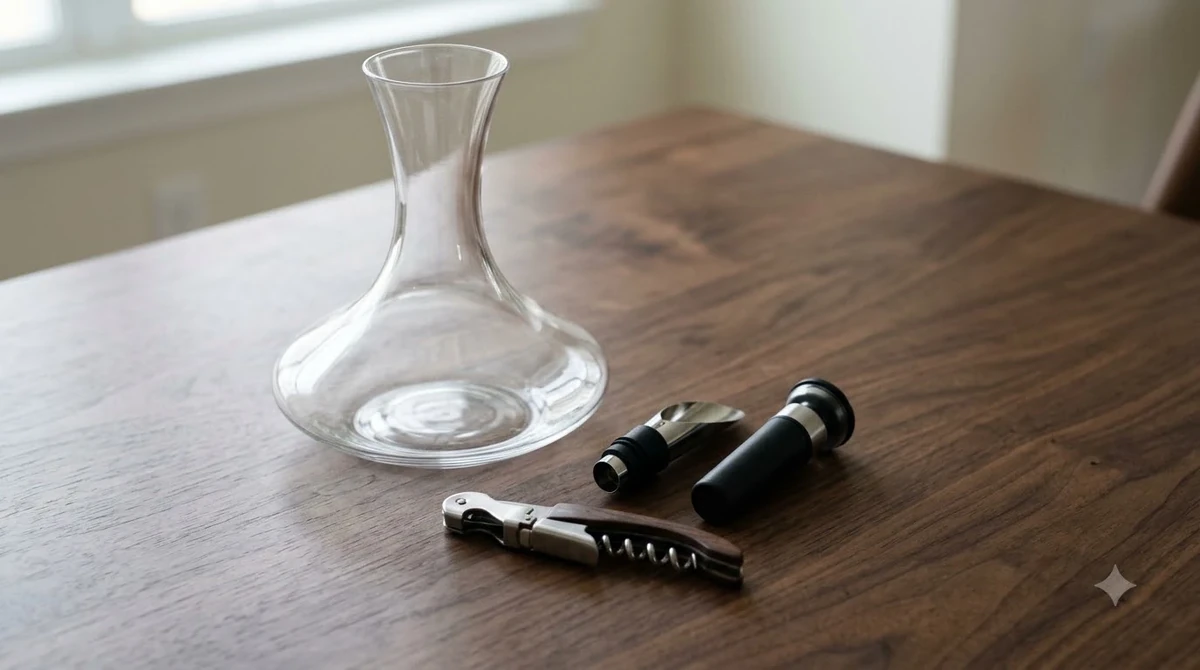
The Bistro Red offers a different advantage. Its 21.5-ounce capacity and relatively broad bowl are suited to fuller-bodied reds that benefit from additional space for swirling. Cabernet Sauvignon, Merlot, and Syrah are natural candidates for this type of glass. The larger vessel provides more room to observe the wine and release aromas without requiring a separate decanter for every bottle.
The Bistro White has a narrower, smaller-bowled design. This makes it a sensible choice for Sauvignon Blanc, Pinot Grigio, and other aromatic whites. Smaller bowls are generally useful for maintaining cooler serving temperatures and preserving delicate floral aromas.
Another positive is the polished rim. A smooth drinking edge contributes to a comfortable sipping experience and gives the glass a finished appearance. This is a small detail, but it becomes noticeable when glasses are used repeatedly at dinner parties or during regular evening meals.
Dishwasher compatibility is arguably one of the collection’s most useful characteristics. Households that entertain regularly may need to clean several glasses after a meal. Having a dishwasher-safe option makes the routine simpler than maintaining delicate specialty stemware that requires careful hand washing.
The Italian manufacturing origin may also appeal to buyers who value glassware produced in established European glassmaking markets. However, country of manufacture alone does not establish that a glass is superior to alternatives made elsewhere. The actual dimensions, rim finish, bowl shape, and construction remain more useful purchasing considerations.
Overall, the positive characteristics are practical rather than extravagant. These are glasses designed to look appropriate at a dinner table while remaining convenient enough for regular use.
Common Complaints and Potential Limitations
The Bistro collection has several practical limitations worth considering, particularly its different bowl capacities, stemless temperature handling, and the storage requirements of the taller models. No recurring manufacturing defect is established by the available product information, so these considerations are best understood as design trade-offs rather than verified widespread complaints.
The first limitation is the lack of detailed independent durability evidence. Sur La Table describes the glass as durable and says its formula maintains clarity through thousands of dishwasher cycles. That is encouraging, but it does not establish an exact resistance to impact, edge chipping, or accidental drops. Machine-blown glass remains breakable glassware, regardless of its advertised durability.
Buyers who expect extremely thin, delicate crystal may also find the collection less appealing. The product descriptions emphasize a proprietary glass formula, machine-blown construction, and everyday practicality rather than a hand-finished crystal experience. The specifications do not provide a precise rim-thickness measurement or glass-wall thickness.
Another limitation concerns the Stemless design. Although it is compact and easy to handle, holding a glass around its bowl transfers warmth from the hand into the wine. This can be inconvenient when serving chilled Sauvignon Blanc, Riesling, or sparkling wine over an extended meal.
Michelin Guide’s discussion of wine-glass design explains why stems can be useful: they reduce direct contact with the bowl, helping limit heat transfer and fingerprints. Stemless glasses are still perfectly functional, but people who prefer maintaining precise serving temperatures may prefer the stemmed Bistro White or Red.
The larger Bistro Red also requires more cabinet space. Its 8.9-inch height can be inconvenient for shelves designed around shorter drinking glasses. Buyers should measure available vertical clearance before selecting this version, particularly if they plan to store the glasses upright.
There is also the question of specialization. A 21.5-ounce red glass is not necessarily the best universal choice for every bottle. Delicate Pinot Noir, for example, can benefit from a bowl that preserves subtle aromas rather than dispersing them too quickly. Similarly, a smaller white-wine glass may be less suitable for someone who frequently drinks full-bodied, oak-aged Chardonnay and prefers a broader bowl.
The absence of a single universal configuration means that buyers need to make a decision before ordering. Choosing the wrong set for personal habits can create unnecessary duplication in the cabinet. Someone who mostly drinks white wine may not get much practical benefit from four large red glasses, while someone who prefers casual outdoor entertaining may find tall stemmed designs less convenient.
Finally, the available customer-feedback summaries do not provide enough detail to establish a reliable pattern of specific complaints. They do not establish long-term breakage rates, exact dishwasher performance across every household, or whether all owners consider the glass weight comfortable. It would be misleading to describe any particular defect as a common owner complaint without stronger evidence.
Who Should Buy and Who Should Skip the Set
The Sur La Table Bistro collection makes the most sense for buyers who value matching glassware, straightforward maintenance, and a design that suits everyday wine service. Its three configurations accommodate different preferences, but each is better suited to a particular kind of household.

Choose the Bistro Red if you regularly serve full-bodied reds. Its 21.5-ounce capacity and 8.9-inch height provide a generous bowl for swirling Cabernet Sauvignon, Merlot, and Syrah. The design is particularly useful for dinners where red wine is the main beverage and presentation matters.
The larger bowl gives wine more surface area exposed to air, which can help aromatic compounds become more noticeable. It is not a substitute for proper decanting when a young, structured red needs additional aeration, but it provides a useful serving vessel for everyday enjoyment.
Choose the Bistro White if chilled white wine is your regular preference. The 14.13-ounce capacity and 7.9-inch height make it a more compact stemmed option than the Bistro Red. Its narrower bowl is appropriate for many crisp, aromatic white wines, including Sauvignon Blanc and Pinot Grigio.
The stem also helps maintain the temperature of chilled wine because the hand can hold the glass without directly surrounding the bowl. For people who serve white wine throughout dinner, that small design difference can be useful.
Choose the Bistro Stemless if convenience matters more than traditional stemware. Its 14.2-ounce capacity, 4.1-inch height, and shorter profile make it appealing for everyday meals, casual entertaining, and households where storage space is limited.
Stemless glasses can also be a sensible option for outdoor dining and smaller tables. They have a lower center of gravity than many tall stemmed glasses, although they are not unbreakable and can still be knocked over.
On the other hand, buyers who want extremely thin, premium crystal or specialized tasting equipment may prefer to investigate dedicated glassware collections. The Bistro specifications do not identify the glasses as hand-blown crystal, and their product descriptions focus on practical glass construction.
Collectors who maintain separate glassware for Champagne, Burgundy, Bordeaux, and dessert wine may also find the three Bistro configurations too limited. The collection provides useful everyday shapes, but it is not presented as a complete specialist tasting assortment.
Another group that may want to skip the collection is anyone who strongly prefers hand washing all their glassware or expects a very lightweight, delicate drinking experience. Dishwasher compatibility is an advantage for many households, but it does not automatically mean the glasses have the thinness or refinement of specialist crystal stemware.
For households with a mixture of drinking preferences, the best decision is to identify the style used most often. A coordinated set of four matching glasses is useful for serving guests, but a carefully selected shape is more valuable than purchasing a design simply because it looks attractive.
How It Compares to Alternative Wine Glass Styles
The Bistro collection competes primarily on everyday usability and straightforward design, while more specialized glassware emphasizes particular grape varieties, bowl proportions, or material characteristics. Comparing these differences helps explain where the Sur La Table options fit within a broader glassware collection.
For red wine drinkers, the Bistro Red has a generous 21.5-ounce capacity. Its broad proportions are more appropriate for fuller-bodied reds than a smaller white-wine glass. Wine Folly identifies larger Bordeaux-style bowls as useful for Cabernet Sauvignon and other bold red wines because they provide additional surface area and help direct aromas toward the nose.
However, a large bowl is not automatically the right solution for every red wine. Pinot Noir, for example, is generally lighter in tannin and often relies on delicate aromatic characteristics. A more rounded aroma-collecting bowl can be preferable when highlighting its subtle perfume.
The Bistro White takes the opposite approach. Its 14.13-ounce capacity and narrower bowl are appropriate for many lighter white wines. A smaller glass can help preserve floral aromas and keep chilled wine cooler during service.
That distinction is consistent with the general recommendations in Wine Folly’s wine-glass selection guide, which explains how different bowl shapes affect aroma collection and the experience of drinking red and white wines.
The Stemless design occupies a more flexible position. Its 14.2-ounce capacity is close to the Bistro White, but its shorter construction makes it more convenient for informal use. It can serve multiple wine styles without requiring a dedicated red or white configuration.
For readers considering more traditional stemware, our recommendations for red wine glasses explain the differences between large red-wine bowls, narrower everyday glasses, and aroma-focused designs.
There is also a practical distinction between the Bistro collection and highly specialized crystal glassware. Premium tasting glasses often prioritize thin rims, lightweight construction, and carefully shaped bowls. Those characteristics can improve the physical drinking experience, but they may also require more careful handling and cleaning.
The Bistro range instead offers a more accessible combination of polished rims, machine-blown construction, and dishwasher-safe care. For households that serve wine several times per week, this balance may be more valuable than having the most delicate glass available.
Stemless alternatives are another useful comparison. They generally offer a more compact shape and simpler storage arrangement, which is why some buyers prefer them for casual dining. Our guide to stemless wine glasses provides additional context on their advantages and limitations.
Ultimately, there is no single glass shape that performs perfectly for every wine. Michelin Guide’s expert discussion points out that larger bowls can help expose aromatic compounds but may disperse the more delicate aromas of older or subtle wines too quickly. The right choice depends on the wine, the serving conditions, and personal preference.
For most households, a useful approach is to choose one primary glass style and add a second configuration only when there is a clear reason. The Bistro collection makes that approach relatively straightforward because its red, white, and stemless designs serve distinct everyday purposes.
Shoppers comparing brands and different glassware collections can also consult our overview of glassware brands to understand how construction and design priorities differ across the category.
Frequently Asked Questions
What is the difference between machine-blown and hand-blown wine glasses?
Machine-blown glasses are produced using automated glass-forming equipment, which helps create consistent dimensions across matching pieces. Hand-blown glasses involve more individual craftsmanship and can show slight variations between pieces. Neither production method alone determines how enjoyable a glass is to drink from; bowl shape, rim finish, weight, and durability also matter.
Can wine glasses be used for cocktails and other drinks?
Yes. A wine glass can also serve spritzes, sangria, fruit-forward mixed drinks, and nonalcoholic beverages. The Bistro Stemless design is particularly adaptable because its compact shape works for several types of casual serving. Avoid using ordinary wine glasses for drinks or preparations that require heat unless the manufacturer specifically approves that use.
How many glasses should be included for a small dinner party?
A four-piece set provides one glass for each of four guests, assuming everyone uses a single glass throughout the meal. For a dinner with six guests, two four-piece sets provide enough matching glasses with two spares. Having additional glasses can also be useful when serving different wines during the same meal.
Can wine glasses affect how wine appears in photographs?
Yes. Clear glass allows the wine’s natural color to remain visible, while bowl curvature and reflections influence how light passes through the liquid. A larger bowl can show more of the wine’s color gradient, especially when photographed against a light background. Clean, fingerprint-free glassware also produces a more polished appearance in dining photographs.
Why should wine glasses be completely odor-free before serving?
Wine contains aromatic compounds that contribute significantly to its perceived flavor. Residual detergent, cabinet odors, or musty smells can interfere with those aromas even when the glass looks perfectly clean. Allowing glasses to dry thoroughly and storing them in a clean, odor-free cabinet helps avoid unwanted smells during service.
The Sur La Table Bistro collection is a sensible option for buyers who want four matching wine glasses with practical dimensions, polished rims, and dishwasher-safe convenience. The Bistro Red is the natural choice for fuller-bodied reds, the Bistro White suits many chilled whites, and the Stemless version offers the greatest convenience for casual everyday use. Choose the shape that matches your usual wine preferences and available storage space, rather than assuming that the largest or most specialized glass is automatically the best choice.
More in Wine Glasses
 Zwiesel Glas Champagne Flutes for Durable Everyday Sparkling WineUpdated Nov 20, 2026
 Vera Wang Crystal Wine Glasses: Design, Quality and Buying AdviceUpdated Nov 20, 2026
 West Elm White Wine Glasses: Compare Designs for Better Everyday Wine ServiceUpdated Nov 20, 2026
 Zalto Stemless Wine Glasses: Discover Their Distinctive DesignsUpdated Nov 20, 2026
 Viski Champagne Glasses That Match Your Style and Sparkling WineUpdated Nov 20, 2026
 Vista Alegre Decanter Review: Crystal Style and Wine ServiceUpdated Nov 20, 2026