

We may earn a commission when you buy through links on this page, at no extra cost to you. Learn more.
Sur La Table red wine glasses are worth considering if you want generous bowls, attractive stemmed designs, and practical dishwasher-safe glassware for everyday red wine service. The collection includes different shapes for fuller-bodied wines such as Cabernet Sauvignon and softer, more aromatic styles such as Pinot Noir. The Chateau Full Red, Chateau Soft Red, and Bistro collections offer distinct approaches to capacity, proportions, and everyday usability. The right choice depends on the wines you drink most and how much storage and cleaning convenience matter.
Sur La Table offers more than one approach to red wine glassware, so choosing a glass involves looking beyond its appearance. Bowl dimensions, overall height, material, capacity, and construction all influence how comfortably a glass fits into a home bar or dining routine. This review examines the available product specifications, practical advantages, potential drawbacks, and differences between the main options to help identify which design makes the most sense.
Specs and Key Features of Sur La Table Red Wine Glasses
The main distinction between these glasses is their bowl design. The Chateau Full Red has a more restrained profile for structured reds, while the Chateau Soft Red provides additional bowl capacity for aromatic wines. The Bistro offers another option with Italian-made, machine-blown construction and a four-glass set format.
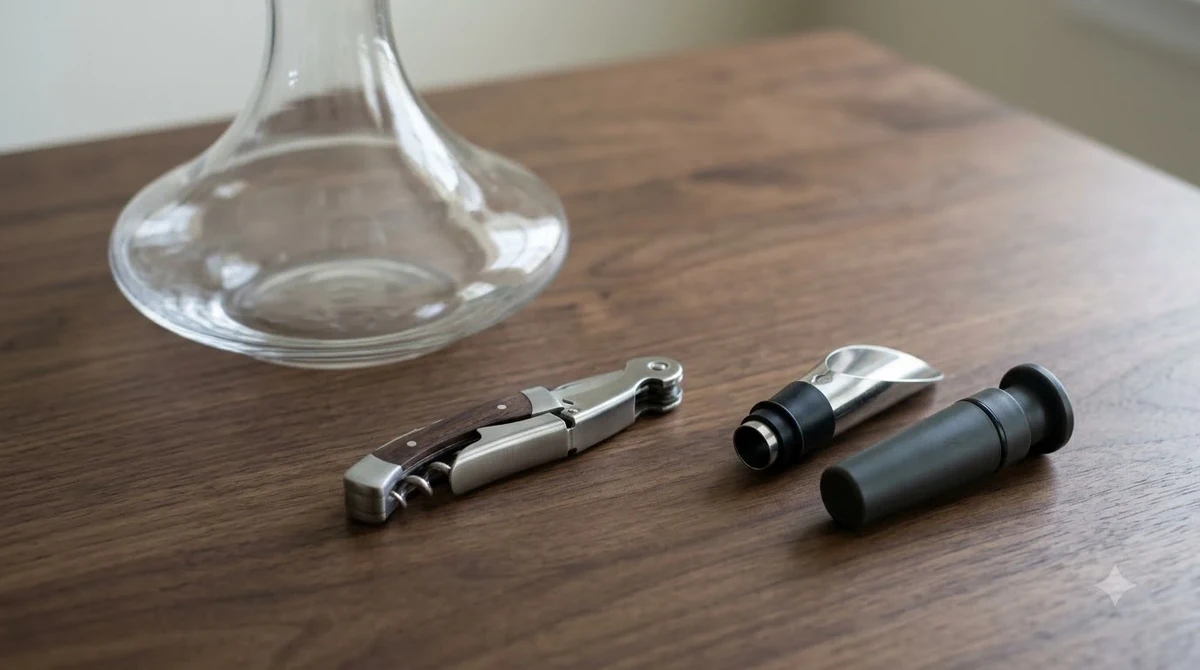
Here is a side-by-side look at the principal specifications published by Sur La Table. The measurements are useful because a glass that looks relatively similar in a product photograph can occupy considerably more space in a cupboard or dishwasher.
| Feature | Chateau Full Red | Chateau Soft Red | Bistro Red |
|---|---|---|---|
| Manufacturer | Schott Zwiesel | Schott Zwiesel | Sur La Table |
| Material | Glass | Glass | Lead-free glass |
| Capacity | 21.4 oz | 27.1 oz | 21.5 oz |
| Height | 9.25 in | 8.75 in | 8.9 in |
| Width or diameter | 3.5 in | 4.5 in | 3.61 in diameter |
| Country of manufacture | Germany | Germany | Italy |
| Dishwasher safe | Yes | Yes | Yes |
| Package options | Individual glass | Individual or set of 6 | Set of 4 |
Chateau Full Red: A practical shape for structured reds
The Chateau Full Red is developed in partnership with Schott Zwiesel. It has a 21.4-ounce capacity, a 9.25-inch height, and a 3.5-inch width. These proportions make it a relatively restrained option compared with the larger Chateau Soft Red.
Its intended wine styles include Cabernet Sauvignon, Merlot, Syrah, Bordeaux, Tempranillo, Rioja, Malbec, and Zinfandel. That is a broad selection of red wines, particularly those with substantial fruit character or noticeable tannin structure. A moderately generous bowl gives these wines space for swirling without requiring an especially oversized glass.
Sur La Table also describes the glass as resistant to chipping, scratching, and breakage. Those properties are useful for households that want stemware suitable for regular meals rather than reserving every glass for formal occasions. The manufacturer lists dishwasher compatibility as another practical feature.
Chateau Soft Red: More room for aromatic wines
The Chateau Soft Red takes a different approach. Its 27.1-ounce capacity is noticeably larger than the Full Red’s 21.4 ounces, and its 4.5-inch width creates a broader footprint. At 8.75 inches tall, it is also slightly shorter than the Full Red.
Sur La Table recommends this design for Burgundy, Pinot Noir, Chianti, Beaujolais, and Zinfandel. These selections include lighter-bodied and aromatic reds that can benefit from room to swirl and release their fragrance.
The option to purchase an individual glass or a set of six is particularly useful. Someone replacing a broken glass does not necessarily need another complete collection, while households preparing for dinner parties may prefer matching sets.
Bistro Red: A straightforward everyday alternative
The Bistro Red Wine Glass is machine-blown and made in Italy for Sur La Table. Its 21.5-ounce capacity is almost identical to the Chateau Full Red’s 21.4 ounces, although its listed diameter and height are slightly different.
Sur La Table describes the Bistro glass as lead-free, with a smooth polished rim and a large bowl. Its proprietary glassware formula is intended to maintain clarity through thousands of dishwasher cycles. The four-piece package is convenient for households that want matching glasses without purchasing a larger collection.
One important distinction is that the Bistro is listed under Sur La Table as manufacturer, whereas the Chateau glasses identify Schott Zwiesel as manufacturer. The products should therefore be evaluated by their individual specifications rather than assuming that all three designs use identical glass formulas or manufacturing methods.
What Owners May Appreciate About the Collection
The strongest practical attractions are the generous bowl capacities, dishwasher compatibility, and choice of shapes. These characteristics make the collection relevant to different wine-drinking routines, from casual weeknight dinners to more deliberate weekend tastings.

Room for swirling and aroma development
A red wine glass should provide enough room to move the wine gently without spilling it. The Chateau Full Red’s 21.4-ounce capacity and the Bistro’s 21.5-ounce capacity offer a reasonable starting point for this purpose. The Chateau Soft Red goes further with its 27.1-ounce capacity.
Capacity does not mean that the glass should be filled to the top. A standard wine serving is approximately 5 ounces, and a 750 ml bottle provides about five such servings. Leaving substantial space above the wine allows the drinker to swirl the glass and observe the aromas without worrying about liquid reaching the rim.
Wine Enthusiast explains that wider red wine bowls provide space for swirling and help aromas collect above the wine. Its discussion of Bordeaux and Burgundy shapes also illustrates why different bowl proportions can suit different grape varieties. The explanation is available in its guide to different types of wine glasses.
Dishwasher compatibility simplifies regular use
Cleaning requirements can determine whether attractive glassware becomes part of a regular household rotation. All three Sur La Table options discussed here are listed as dishwasher safe, which makes them appealing to people who prefer straightforward cleanup after dinner.
The Bistro is particularly interesting because Sur La Table specifically describes its construction as maintaining clarity through thousands of dishwasher cycles. That statement is a manufacturer claim rather than a guarantee that every glass will remain completely unchanged under every dishwasher condition.
The Chateau collection also has an advantage for practical entertaining. Its stated resistance to chipping, scratching, and breakage provides reassurance for people who want to use stemware regularly. Nevertheless, any tall-stemmed glass can break if it is knocked against a hard surface or crowded against other dishes.
Different formats suit different households
The Bistro set contains four glasses, making it a straightforward option for a smaller household or a couple who occasionally entertain. The Chateau Soft Red can be purchased individually or in a set of six, giving buyers more flexibility when building a matching collection.
The individual Full Red format is also useful when a household wants to compare two glass shapes before committing to a complete set. It allows someone to consider the physical proportions and bowl size as part of the decision rather than relying exclusively on photographs.
Attractive designs for casual and formal tables
Stemmed wine glasses provide a familiar presentation that works with a dining table, sideboard, or home bar. The Chateau designs have a classic appearance, while the Bistro offers a more straightforward everyday style.
For households that regularly serve red wine alongside meals, consistency can matter as much as elaborate decoration. Matching glasses make a table look organized, and a collection with a consistent shape can be easier to store and maintain.
These benefits are practical considerations rather than proof of universal owner satisfaction. Individual preferences about glass weight, rim thickness, balance, and stem length can differ considerably. A design that looks elegant to one person may feel too large or delicate to another.
Common Complaints and Potential Drawbacks
Sur La Table’s red wine glasses have several useful features, but their specifications also reveal trade-offs. The largest considerations are storage space, stemware handling, differences in construction, and the limitations of evaluating glassware from product descriptions alone.
The larger bowls require more storage room
The Chateau Soft Red has a 4.5-inch width and an 8.75-inch height. That broader profile requires more horizontal cupboard space than the Chateau Full Red, which measures 3.5 inches wide and 9.25 inches tall.
For a kitchen with narrow shelves or tightly arranged cabinets, this difference can be important. Six Chateau Soft Red glasses occupy more space than six slimmer glasses, particularly if they are stored upright with room between their bowls.
Cabinet clearance also deserves attention. A glass measuring 9.25 inches tall may not fit comfortably on a shelf designed for shorter tumblers. Measuring the available storage space before buying a set can prevent an avoidable inconvenience.
Stemmed glasses require careful handling
All three designs have a stem, which provides a convenient way to hold the glass without wrapping a hand around the bowl. However, stems also introduce a potential point of breakage.
Dishwasher-safe construction does not make glassware indestructible. Glasses can collide during a wash cycle, and stems can become vulnerable if they are placed under pressure or handled roughly. It is sensible to leave enough room between individual pieces.
People who regularly host outdoor dinners, have limited table space, or prefer glasses that are less likely to tip may want to consider stemless wine glasses instead. They have their own trade-offs, particularly because holding the bowl transfers more warmth from the hand to the wine.
Capacity is not the same as drinking comfort
A larger capacity can sound impressive, but it does not automatically mean a glass provides a better drinking experience. The 27.1-ounce Chateau Soft Red has considerably more room than a typical serving requires.
Some drinkers prefer a smaller glass because it feels more manageable and requires less cupboard space. Others appreciate a broad bowl because it makes swirling easier and provides room for aromatic development.
It is also important to distinguish total capacity from the amount of wine served. A 27.1-ounce glass should not receive a 27-ounce pour. A modest 5-ounce serving leaves ample room for movement and helps keep the wine contained.
Material descriptions are not identical
The Bistro is described as lead-free glass with a proprietary formula. The Chateau products are listed as glass and identify Schott Zwiesel as their manufacturer. These descriptions should not be treated as interchangeable material specifications.
Similarly, the Vervino range from Schott Zwiesel uses lead-free Tritan crystal, a separate material designation. That range has a stated 25.1-ounce capacity and a 9.7-inch height, making it a useful comparison for shoppers considering a more specialized glassware option.
Buyers who place a high priority on material composition should compare the exact product descriptions rather than assuming that every Sur La Table-branded or retailer-sold glass uses the same formulation.
Product photographs cannot communicate every physical detail
Photographs are useful for comparing silhouette and proportions, but they cannot fully communicate how a glass feels in the hand. Rim thickness, stem balance, weight distribution, and the transition between bowl and stem are important physical characteristics.
These details are particularly relevant for people who prefer lightweight stemware or have limited grip strength. A large bowl can also feel different when filled, even when the glass itself is relatively lightweight.
For this reason, seeing a glass in person can be helpful if handling comfort is a major purchasing consideration. The published dimensions remain useful, but they cannot replace an assessment of personal comfort.
Who Should Buy and Who Should Skip These Glasses
Sur La Table’s red wine glass selection is most appealing to people who value traditional stemmed designs, generous bowls, and convenient cleaning. The best option depends on whether the household drinks structured reds, aromatic lighter reds, or a broad mixture of styles.
Best suited to Cabernet Sauvignon and other full-bodied reds
The Chateau Full Red is a sensible starting point for people who regularly drink Cabernet Sauvignon, Syrah, Merlot, or Malbec. Its 21.4-ounce capacity provides room for swirling while maintaining a more compact profile than the larger Soft Red.
These grape varieties have different structures, but they can share a preference for a glass with enough room to collect aromas. Cabernet Sauvignon often has substantial tannin, while Merlot generally offers a softer tannin profile. Syrah can bring concentrated fruit and pronounced spice.
A Bordeaux-style glass is traditionally associated with full-bodied red wines. Berry Bros. & Rudd also explains how larger bowls and different shapes serve different wine styles in its guide to glassware.
Best suited to Pinot Noir and aromatic reds
The Chateau Soft Red is the more natural candidate for drinkers who frequently open Pinot Noir, Burgundy, Chianti, and Beaujolais. Its 27.1-ounce capacity and 4.5-inch width provide a broader bowl than the Full Red.
Pinot Noir is generally lighter in tannin than Cabernet Sauvignon and often relies heavily on delicate fruit, floral, and earthy aromas. A broad bowl gives the wine space to move and makes it easier to appreciate those aromatic characteristics.
For households that enjoy a mixture of lighter and fuller reds, the Soft Red may also function as a versatile choice. However, its larger size will not appeal to everyone, especially people who prefer compact stemware.
Best suited to everyday household use
The Bistro Red is worth considering for households that want four matching glasses with a straightforward design. Its 21.5-ounce capacity is close to the Chateau Full Red’s, while its 8.9-inch height is relatively manageable for many kitchen cabinets.
The lead-free description, polished rim, and dishwasher-safe designation support its everyday positioning. The four-piece set also offers a convenient format for smaller households that do not regularly host large groups.
Its Italian manufacture is another distinguishing detail for shoppers who pay attention to where their glassware is produced. The available specifications do not establish that it is automatically superior to the German-made Chateau glasses, however.
Who should consider alternatives
These glasses may not be the ideal choice for people who prioritize compact storage above everything else. The broader Chateau Soft Red is particularly demanding of cupboard space, and all three products use traditional stems.
People who prefer specialized crystal glassware may also want to investigate the broader red wine glasses market before making a decision. Other designs may offer different material specifications, bowl shapes, or stem proportions.
Likewise, anyone seeking one glass for red, white, and sparkling wine should compare universal wine glasses rather than automatically choosing a red-specific design. A balanced collection can include separate shapes for different occasions, but a single versatile glass may be more practical for smaller kitchens.
Tip: Choose the bowl according to the red wines you drink most often. For Cabernet Sauvignon and Syrah, start with the Chateau Full Red. For Pinot Noir and Burgundy, consider the broader Chateau Soft Red. If four practical everyday glasses are the priority, compare the Bistro set before deciding.
How It Compares to Alternatives
Sur La Table’s own collection provides several useful reference points, while Schott Zwiesel’s Vervino range offers a more substantial Tritan crystal alternative. Comparing capacity, height, construction, and intended wines gives a clearer picture of where each design fits.
Chateau Full Red versus Chateau Soft Red
The most obvious difference is capacity. The Full Red holds 21.4 ounces, while the Soft Red holds 27.1 ounces. The Soft Red is also an inch wider, but it is half an inch shorter.
These measurements suggest two different priorities. The Full Red is better suited to people who want a comparatively compact bowl for fuller-bodied wines. The Soft Red is more appropriate for drinkers who prefer additional room for swirling and aromatic development.
Neither design is automatically better for every red wine. A drinker’s preference for glass size and the types of bottles served should determine the selection.
Chateau Full Red versus Bistro Red
The two products are remarkably close in basic capacity. At 21.4 and 21.5 ounces respectively, their stated volumes differ by just 0.1 ounce.
Their heights are also close, with the Chateau measuring 9.25 inches and the Bistro measuring 8.9 inches. Their diameters are similarly close at 3.5 inches and 3.61 inches respectively.
The more meaningful differences concern the stated construction and package format. Chateau is developed in partnership with Schott Zwiesel and manufactured in Germany, while Bistro is machine-blown, made in Italy, and sold as a four-glass set.
Chateau versus Schott Zwiesel Vervino
The Vervino Full Red is a useful comparison for buyers who want a lead-free Tritan crystal glass. Its capacity is 25.1 ounces, placing it between the Chateau Full Red and Chateau Soft Red.
It measures 9.7 inches tall and 3.9 inches in diameter. This makes it taller and wider than the Chateau Full Red, although it does not have the Soft Red’s 27.1-ounce capacity.
Schott Zwiesel identifies the Vervino as suitable for Cabernet Sauvignon, Merlot, Syrah, Bordeaux, Tempranillo, Rioja, Malbec, and Zinfandel. Its published product information also highlights resistance to chipping, scratching, and breakage, along with dishwasher compatibility.
One useful distinction is that the Vervino’s material is specifically identified as Tritan crystal. That is more detailed than the general glass material description listed for the Chateau models. Buyers who are particularly interested in crystal construction may find this distinction relevant.
Choosing between a specialized and a general-purpose collection
A household does not necessarily need multiple glass shapes for every grape variety. A thoughtfully selected red wine glass can serve many styles successfully, especially if its bowl is large enough for gentle swirling and its rim is comfortable.
However, people who frequently enjoy both powerful Bordeaux-style reds and aromatic Pinot Noir may appreciate having two different bowl profiles. The Chateau Full Red and Chateau Soft Red offer that distinction within one product family.
For a wider overview of the available glassware categories, the best wine glasses guide can help identify whether a dedicated red wine glass or a more versatile shape makes sense. The broader Glassware Brands category is another useful starting point for comparing manufacturers and construction styles.
Frequently Asked Questions
Are Sur La Table red wine glasses made from lead-free materials?
The Bistro Red is specifically described by Sur La Table as lead-free glass. The Chateau Full Red and Chateau Soft Red product specifications identify their material as glass but do not provide the same detailed formulation statement. Schott Zwiesel’s separate Vervino collection specifically identifies its material as lead-free Tritan crystal.
Can Sur La Table red wine glasses be used for white wine?
Yes, a red wine glass can also hold white wine, although the larger bowl may allow chilled wine to warm more quickly. A 5-ounce pour in a Chateau Full Red or Bistro glass can work for fuller white wines such as oaked Chardonnay. Smaller, narrower glasses are generally more practical for crisp Sauvignon Blanc and sparkling wines.
How much wine should be poured into a 27.1-ounce glass?
A standard serving is approximately 5 ounces, even when the glass has a much larger capacity. The Chateau Soft Red’s 27.1-ounce measurement describes its total capacity rather than a recommended serving size. Leaving plenty of room above the wine also makes it easier to swirl without spilling.
Do red wine glasses need to be chilled before serving?
No, the glass itself does not generally need refrigeration. The important consideration is serving the wine at a suitable temperature and using clean, odor-free glassware. Light-bodied reds are commonly served around 55 to 60 degrees Fahrenheit, while fuller-bodied reds are generally served around 60 to 65 degrees Fahrenheit.
Can different Sur La Table red wine glass styles be mixed at one dinner table?
Yes. Mixing bowl shapes can be useful when serving different red wines, especially if guests are comparing Pinot Noir with Cabernet Sauvignon. For a coordinated presentation, use glasses from the same collection when possible, or arrange different shapes intentionally rather than mixing them randomly.
Sur La Table red wine glasses offer several practical choices rather than one universal design. The Chateau Full Red is a sensible option for structured reds, the Chateau Soft Red offers more room for aromatic wines, and the Bistro provides a straightforward four-glass everyday set. Compare the dimensions, material descriptions, and intended wine styles before choosing the collection that best fits your home.
More in Wine Glasses
 Spiegelau Crystal Wine Glasses That Bring Clarity to Every PourUpdated Nov 21, 2026
 Zalto Crystal Wine Glasses: Are They Worth the Investment?Updated Nov 21, 2026
 Villeroy And Boch White Wine Glasses for a More Cohesive TableUpdated Nov 21, 2026
 Zalto Wine Glasses On Sale: Find the Right Denk’Art GlassUpdated Nov 21, 2026
 Zwiesel Glas Champagne Glasses: Features, Quality and Buying AdviceUpdated Nov 21, 2026
 Zwiesel Glas Decanter Review: A Durable, Elegant Choice for Wine ServiceUpdated Nov 21, 2026