

We may earn a commission when you buy through links on this page, at no extra cost to you. Learn more.
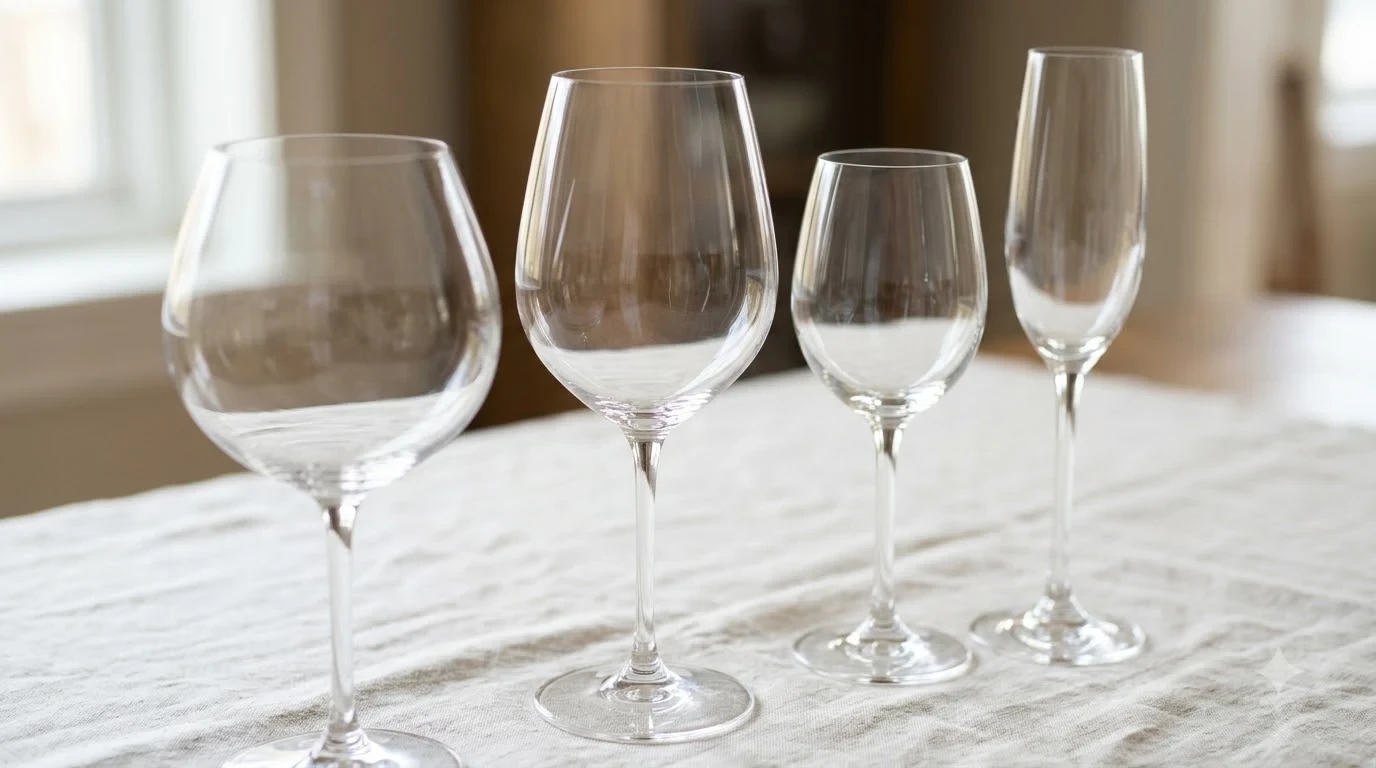
Stolzle white wine glasses are a strong choice for wine drinkers who want clear, lead-free crystal glassware, practical dishwasher-safe designs, and several bowl shapes suited to different white wines. The German manufacturer offers options ranging from traditional, compact white wine goblets to larger, more contemporary designs. The Experience collection is particularly appealing for aromatic whites, while Weinland and Power offer alternatives for drinkers who prefer a more substantial bowl. Choosing the right series depends on your favorite grapes, preferred handling, and how much space you have for everyday glassware.
Stölzle Lausitz has a long history of glassmaking in Weißwasser, Germany, and its white wine collection covers a wider range of needs than a single standard goblet. Its appeal comes from combining traditional stemware proportions with modern manufacturing, clear crystal construction, and practical features. However, different collections have noticeably different dimensions and designs, so the brand name alone does not tell you which glass will suit your table.
Specs and Key Features of Stölzle White Wine Glasses
Stölzle Lausitz offers several white wine glass collections rather than one uniform design. The most important differences involve capacity, bowl width, overall height, stem proportions, and intended wine styles. These specifications help explain why an Experience glass feels different from a Weinland or Power glass, even though all three belong to the same manufacturer’s range.
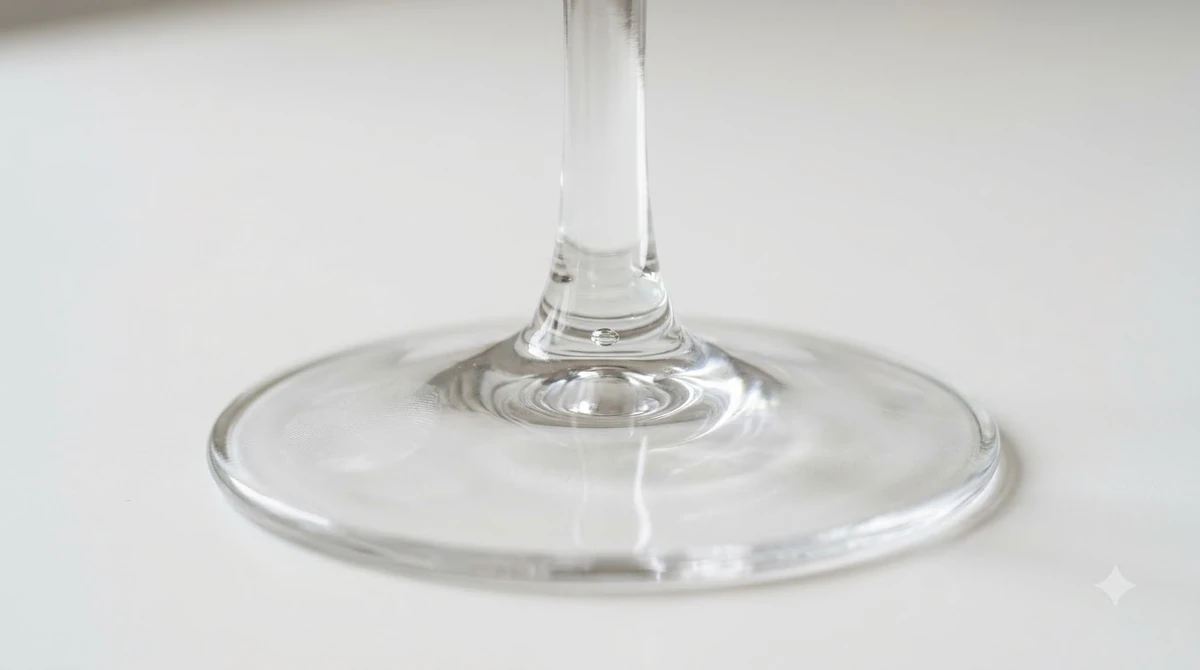
The manufacturer describes its glassware as lead-free crystal, with machine-made construction across several popular collections. This makes the range particularly interesting for households that want the visual clarity of crystal without committing to exclusively handmade stemware. Dishwasher resistance is another recurring specification, although individual handling instructions and dishwasher arrangements still matter.
| Collection | Capacity | Height | Diameter | Positioning |
|---|---|---|---|---|
| Experience | 350 ml / 11.75 oz | 214 mm | 80 mm | Fresh, aromatic whites |
| Weinland | 350 ml / 11.75 oz | 195.5 mm | 78.5 mm | Traditional everyday white wine service |
| Power | 400 ml / 13.5 oz | 210 mm | 85 mm | Roomier bowl and versatile white wine service |
| Symphony | 405 ml / 13.7 oz | 245 mm | 83 mm | Contemporary premium presentation |
| Ultra | 375 ml / 12.7 oz | 194 mm | 80 mm | Compact handling and everyday practicality |
The measurements come from the manufacturer’s individual product specifications. Capacity refers to the maximum listed volume, not a recommended serving size. A normal 5-ounce wine pour occupies considerably less than the full capacity of any of these glasses, leaving room to swirl the wine and collect its aromas.
Material and manufacturing deserve attention alongside dimensions. The Experience, Power, Symphony, Weinland, and Ultra examples listed above use lead-free crystal and machine-based manufacturing. The manufacturer also lists dishwasher resistance for these models. This combination makes them practical alternatives to delicate specialty stemware that requires more involved maintenance.
There are differences in the overall design philosophy. Experience has a relatively slender profile and a tapered opening. Power uses a wider bowl, while Symphony emphasizes a taller, more dramatic presentation. Weinland takes a more traditional approach, and Ultra reduces the overall height to make handling and storage easier.
These distinctions matter more than small differences in stated capacity. A glass measuring 350 ml can still feel quite different from another 350 ml glass because the height, bowl curvature, rim width, and stem proportions influence how it sits in the hand and how the wine reaches the nose.
What Owners Like About the Design and Everyday Performance
The strongest appeal of Stölzle glassware is its combination of visual clarity, recognizable stemware design, and practical construction. Its collections offer a more considered appearance than basic household tumblers without requiring every buyer to choose an elaborate handmade glass.
Owner feedback provides some additional context, although it is important to distinguish individual collections. Wayfair’s customer-review summary for the Power white wine tumbler highlights attractive appearance, modern styling, perceived sturdiness, durability, and a useful capacity as recurring positives. These comments concern the stemless Power tumbler, not every stemmed white wine model in the company’s range.
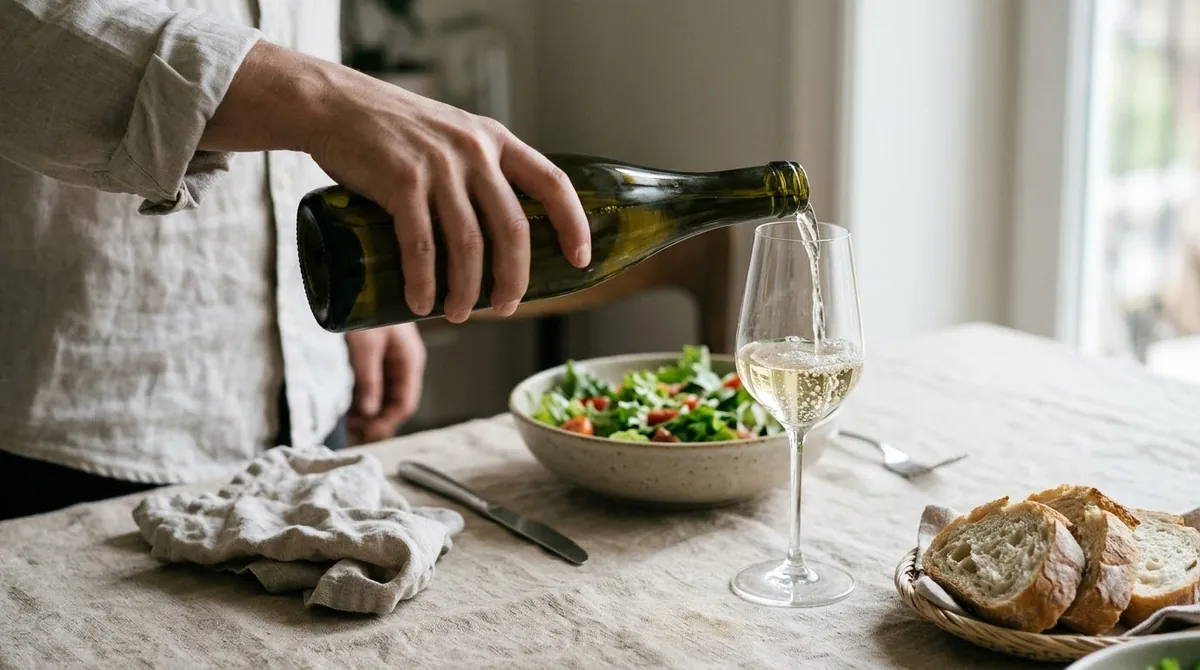
The broader design characteristics are relevant across the collection. Clear crystal makes the wine’s color easy to assess, while the different bowl proportions give buyers a choice between compact aroma concentration and more generous space for swirling. The Experience design, for instance, is intended to direct aromas toward the nose through its slightly tapered opening.
Clear lead-free crystal construction
Clarity is an important consideration for white wine because color can reveal useful information about the wine’s style and development. A pale Pinot Grigio, a green-tinged Sauvignon Blanc, and a deeper golden Chardonnay can look noticeably different in a transparent glass. Stölzle’s clear lead-free crystal provides a suitable presentation for observing those differences.
The material also gives the glassware a polished appearance that works for both casual dinners and more formal table settings. This is one reason the collections can appeal to households that want a coordinated set of wine glasses rather than a mixture of unrelated designs.
Practical dishwasher compatibility
Dishwasher resistance is a meaningful advantage for regular use. Wine glasses that require handwashing after every dinner can become inconvenient, particularly in households that entertain frequently or use stemware several times a week.
Stölzle lists dishwasher resistance for the five collections compared in this review. That does not mean careless loading is advisable. Glasses still need sufficient clearance from neighboring dishes, plates, and metal utensils. A stable rack position reduces the possibility of accidental impact during a wash cycle.
Useful capacity without excessive size
The 350 ml Experience and Weinland models are sensible capacities for conventional white wine service. The 400 ml Power and 405 ml Symphony options provide additional space for swirling, while the 375 ml Ultra offers a middle ground.
These capacities should not be mistaken for reasons to pour larger servings. A 5-ounce pour remains a useful standard for enjoying white wine because it leaves sufficient room for aromas to gather and prevents the bowl from becoming crowded. The additional capacity is primarily about bowl geometry and handling rather than the amount of wine that belongs in a single serving.
Common Complaints and Limitations to Consider
Stölzle white wine glasses have several practical strengths, but they are not automatically the right purchase for every household. The most important limitations involve the differences between collections, the space required for taller glasses, and the fact that dishwasher-safe does not mean impossible to break.
Published owner feedback is not equally extensive for every white wine model. The Wayfair feedback summary available for the Power stemless tumbler emphasizes positive design and durability experiences, but that is not enough to establish that every stemmed collection has identical long-term performance. Buyers should avoid treating reviews for one model as proof about another.
Some models are relatively tall
Height is an easy specification to overlook when buying wine glasses online. The Symphony measures 245 mm, compared with 194 mm for Ultra. That difference of 51 mm can matter when arranging glasses in a kitchen cabinet or fitting them into a dishwasher rack.
The Experience glass is also relatively tall at 214 mm. Buyers with shallow shelves, compact cupboards, or limited dishwasher clearance should measure their available space before selecting a set. A glass can be an excellent fit for the dining table but an inconvenient fit for the kitchen where it needs to be stored.
Stemmed glasses need careful handling
A traditional stemmed glass offers useful temperature control because the drinker can hold the stem instead of wrapping a hand around the bowl. However, the stem and base also create areas that need protection during washing, drying, and storage.
Even crystal marketed as durable or break-resistant remains glass. A collision with a faucet, countertop edge, or neighboring glass can cause damage. Buyers looking for glassware that can be carried around outdoors or used in crowded settings may prefer a stemless alternative.
The collection can be confusing
Stölzle has several lines with overlapping capacities and similar intended uses. Experience and Weinland both hold 350 ml, yet they have different heights and distinct design priorities. Power and Symphony also offer comparable capacities, but they do not share the same proportions.
This means choosing a collection simply because its name sounds more premium may not produce the most useful result. A shorter, easier-to-store glass can be a better everyday purchase than a taller design with a more formal appearance. Likewise, someone who regularly serves aromatic Sauvignon Blanc may appreciate a narrower shape more than an oversized bowl.
Another consideration is availability. Different collections and configurations may be offered in different set sizes or through different retailers. Before ordering, compare the actual product description and measurements rather than assuming every listing under the Stölzle name refers to the same glass.
Tip: Measure your cupboard clearance and dishwasher rack before purchasing. The difference between the 194 mm Ultra and 245 mm Symphony glasses is substantial enough to influence everyday convenience.
Who Should Buy Stölzle White Wine Glasses and Who Should Skip Them
Stölzle is particularly suitable for wine drinkers who want a coordinated collection of clear, lead-free crystal stemware with several options for everyday and occasional use. Its different series allow buyers to prioritize aroma concentration, a larger bowl, a shorter profile, or a more formal appearance without changing manufacturers.
The Experience collection is a logical starting point for drinkers who regularly enjoy aromatic whites. Its 350 ml capacity, 214 mm height, and slightly tapered opening make it suitable for wines such as Riesling, Sauvignon Blanc, and Pinot Gris. Those grapes often benefit from a glass that focuses delicate aromas rather than providing excessive exposure to air.
Chardonnay drinkers may want to consider Weinland or Power. Weinland offers a traditional 350 ml design, while Power increases the capacity to 400 ml and provides a wider overall diameter. The larger format can be useful for fuller-bodied Chardonnay styles that benefit from additional room for swirling.
Good candidates for this glassware
- Everyday white wine drinkers: The Classic collections offer practical capacities and familiar shapes for regular dining.
- Riesling and Sauvignon Blanc enthusiasts: Experience is designed around freshness and aromatic expression.
- Chardonnay drinkers: Weinland and Power offer alternatives with more generous bowl proportions.
- Hosts who serve several wine styles: Different collections make it possible to select suitable shapes for different bottles and occasions.
- Households that prefer dishwasher-compatible glassware: The listed models include dishwasher-resistant construction.
- Buyers who appreciate German glassmaking: The company has a documented manufacturing history dating to 1889.
Who may prefer another type of glass
People who frequently entertain outdoors, host large parties, or serve wine in crowded environments may prefer sturdy stemless glasses. Stölzle’s own range includes the Power stemless option, which offers a different handling experience from traditional stemware.
Buyers who prioritize handmade glass above all other features should also compare the manufacturer’s handmade Q1 collection rather than assuming every Stölzle wine glass is mouth-blown. The popular Experience, Weinland, Power, Symphony, and Ultra examples discussed here are machine-made.
Finally, anyone seeking one universal glass for every beverage may prefer a versatile all-purpose shape rather than a dedicated white wine goblet. A specialized white wine glass is useful, but it is not essential for enjoying every bottle in a home collection.
How Stölzle Compares to Other White Wine Glass Styles
Stölzle’s main advantage is the variety within its own range, but the design principles behind its white wine glasses are shared by many other manufacturers. The important comparison is not simply which brand has the most expensive-looking glass. It is how the bowl shape, opening, and proportions suit the wine being served.
According to Wine Enthusiast’s explanation of wine glass shapes, white wine glasses generally use narrower bowls than red wine glasses to help maintain cooler temperatures while concentrating aromas near the rim. The publication also distinguishes the broader bowl that can benefit oaked Chardonnay from the more restrained shape suitable for delicate Sauvignon Blanc.
Compared with a narrow Sauvignon Blanc glass
A dedicated Sauvignon Blanc glass generally emphasizes a smaller bowl and controlled opening. This can help preserve delicate citrus, green fruit, and herbal aromas while keeping the wine from warming too quickly.
Stölzle Experience is a sensible match for this approach. Its slender shape and tapered opening support aromatic concentration, and its 350 ml capacity leaves sufficient room for a standard pour. A substantially wider glass may still work, but it can provide more space for aeration than a fresh, delicate Sauvignon Blanc needs.
Compared with a fuller Chardonnay glass
Fuller-bodied Chardonnay can benefit from additional room in the bowl. Oak influence, creamy texture, and more developed aromas can become easier to appreciate when the wine has some space to open.
Weinland and Power are useful options here. The Weinland’s 350 ml capacity provides a conventional format, while Power increases capacity to 400 ml. The difference gives Chardonnay drinkers some flexibility without requiring a particularly oversized red wine glass.
Compared with red wine glass designs
Red wine glasses commonly use broader bowls to accommodate greater aeration and aroma development. This can be helpful for Cabernet Sauvignon, Syrah, and Pinot Noir, but a very broad bowl is not necessarily the ideal everyday choice for crisp white wines.
For households building a coordinated glassware collection, a dedicated white wine glass alongside suitable red wine stemware is a sensible arrangement. Our guides to white wine glasses and red wine glasses explain the different bowl proportions and their intended uses.
Compared with other glassware collections
Stölzle’s position is especially appealing to buyers who want a choice of traditional and contemporary shapes within one manufacturer’s catalog. The Classic, Premium, and Prestige designations give shoppers a way to explore different aesthetics and construction choices without treating all wine glasses as interchangeable.
For shoppers comparing broader options, our wine glasses guide provides additional context about selecting stemware for different wine styles. The Glassware Brands overview is also useful for understanding how different manufacturers approach everyday and specialty wine service.
There is no universal winner between a narrow white wine glass and a broader universal glass. A person who primarily drinks crisp Albariño, Riesling, and Sauvignon Blanc will probably appreciate a more restrained bowl. Someone who frequently opens oaked Chardonnay or richer white Burgundy may prefer more room. Stölzle’s collection gives buyers options for both preferences.
Frequently Asked Questions
Where are Stölzle Lausitz white wine glasses manufactured?
Stölzle Lausitz traces its manufacturing history to Weißwasser in the Lusatia region of Germany. The original Oberlausitzer glassworks was founded in 1889. The company continues to associate its glassware with German production and its regional glassmaking heritage.
Are Stölzle crystal glasses completely free of lead?
The manufacturer identifies the Experience, Weinland, Power, Symphony, and Ultra examples as lead-free crystal glass. Lead-free crystal is different from traditional lead crystal, although both can offer excellent transparency. This material description does not mean the glass is unbreakable or immune to surface damage.
Can Stölzle wine glasses develop cloudy spots after washing?
Cloudiness can result from mineral deposits left by hard water or from glass corrosion caused by unsuitable washing conditions. Rinsing away detergent residue and avoiding excessively harsh dishwasher cycles can help maintain clarity. Persistent cloudy marks may require distinguishing removable deposits from permanent surface damage.
How many Stölzle white wine glasses should a household own?
A six-glass set is a practical starting point for a household that regularly serves wine to guests. For a household that entertains larger groups, two coordinated six-glass sets provide more flexibility. A separate pair of specialized glasses can also be useful for comparing different white wine styles.
Do Stölzle white wine glasses work for rosé and sparkling wine?
Several white wine shapes can also serve still rosé successfully, particularly lighter and aromatic styles. Stölzle’s Symphony white wine glass is specifically listed by the manufacturer as suitable for Champagne and rosé Champagne as well as several still white wines. For sparkling wine enthusiasts who prioritize sustained bubbles and a focused presentation, a dedicated sparkling wine glass remains another option.
Stölzle Lausitz offers a convincing range of white wine glassware for households that value lead-free crystal, attractive proportions, and dishwasher-compatible construction. Experience is a particularly sensible choice for aromatic whites, while Weinland and Power provide alternatives for fuller styles and everyday versatility. Compare the actual dimensions and bowl shapes before choosing a collection, and the result can be a practical set of glasses that suits both your favorite wines and your dining space.
More in Wine Glasses
 Zwiesel Glas Champagne Flutes for Durable Everyday Sparkling WineUpdated Nov 20, 2026
 Vera Wang Crystal Wine Glasses: Design, Quality and Buying AdviceUpdated Nov 20, 2026
 West Elm White Wine Glasses: Compare Designs for Better Everyday Wine ServiceUpdated Nov 20, 2026
 Zalto Stemless Wine Glasses: Discover Their Distinctive DesignsUpdated Nov 20, 2026
 Viski Champagne Glasses That Match Your Style and Sparkling WineUpdated Nov 20, 2026
 Vista Alegre Decanter Review: Crystal Style and Wine ServiceUpdated Nov 20, 2026