

We may earn a commission when you buy through links on this page, at no extra cost to you. Learn more.
Stolzle red wine glasses are a strong choice for wine drinkers who want clear, lead-free crystal, thoughtfully shaped bowls, and practical dishwasher-friendly designs without automatically stepping into delicate hand-blown glassware. The Power collection is a particularly versatile starting point, with a 520 ml standard red wine glass and a 650 ml Bordeaux glass for larger, more structured wines. Experience and Weinland offer additional options for shoppers who prioritize different proportions, appearance, and everyday handling.
Choosing a wine glass involves more than finding an attractive shape. Bowl capacity, rim diameter, stem construction, weight, and cleaning requirements all influence how a glass performs at the dinner table. Stölzle Lausitz offers several distinct approaches, from the relatively versatile Power Red Wine Glass to the larger Experience Bordeaux and Weinland designs. This review examines the practical differences, available specifications, owner feedback, and the types of wine drinkers most likely to appreciate each option.
Specs and Key Features
Stölzle’s red wine glass collections combine lead-free crystal construction with machine-made designs and different bowl capacities. The Power Red Wine Glass is a particularly useful reference point because its dimensions are documented alongside a larger Bordeaux companion.
The Power collection is designed to accommodate both structured reds and fruit-forward styles. Its standard red wine glass holds 520 ml, while the Bordeaux version holds 650 ml. That distinction matters because a larger bowl gives fuller-bodied wines more room for swirling and aroma development, although the total capacity is not the amount that should be poured for an ordinary serving.
The Experience Bordeaux provides another interesting option. Its 645 ml capacity is close to the Power Bordeaux’s 650 ml, but it weighs 179 g rather than 204 g. The Experience design also has a slightly different profile, with a bulbous bowl and a tapered opening. The difference illustrates why two glasses with almost identical capacities can still feel and look different.
| Collection and glass | Capacity | Height | Weight | Material |
|---|---|---|---|---|
| Power Red Wine | 520 ml | 226 mm | 197 g | Lead-free crystal |
| Power Bordeaux | 650 ml | 242 mm | 204 g | Lead-free crystal |
| Experience Bordeaux | 645 ml | 238 mm | 179 g | Lead-free crystal |
| Weinland Bordeaux | 540 ml | 212 mm | Not specified | Lead-free crystal |
| Weinland Bordeaux | 660 ml | 223.5 mm | Not specified | Lead-free crystal |
| Quatrophil All Purpose | 20 oz | Not specified | Not specified | Lead-free crystal |
The Power specifications come directly from Stölzle’s product listing, while the Experience figures come from its separate product page. Weinland measurements are published by Temple & Webster, and Quatrophil’s 20-ounce capacity is listed by Wayfair. These are different collections rather than interchangeable versions of one identical glass. The manufacturer’s Power red wine glass specifications provide a useful reference for comparing the two bowl sizes and their intended wine styles.
One particularly useful feature across the documented Power and Experience products is dishwasher resistance. This makes them practical candidates for regular dining rather than glasses reserved exclusively for formal occasions. However, dishwasher compatibility should not be confused with immunity to impact, thermal shock, or careless handling.
For buyers comparing a broader range of designs, our guide to red wine glasses explains how bowl proportions and opening shapes influence the choice of glass.
What Owners Like
Stölzle glassware appeals to buyers who want the appearance of crystal and a more refined wine-serving experience without automatically choosing handmade, extremely delicate glassware. Owner feedback and the published product descriptions point toward three recurring strengths: visual clarity, useful bowl shapes, and practical everyday versatility.
Clear crystal and attractive presentation
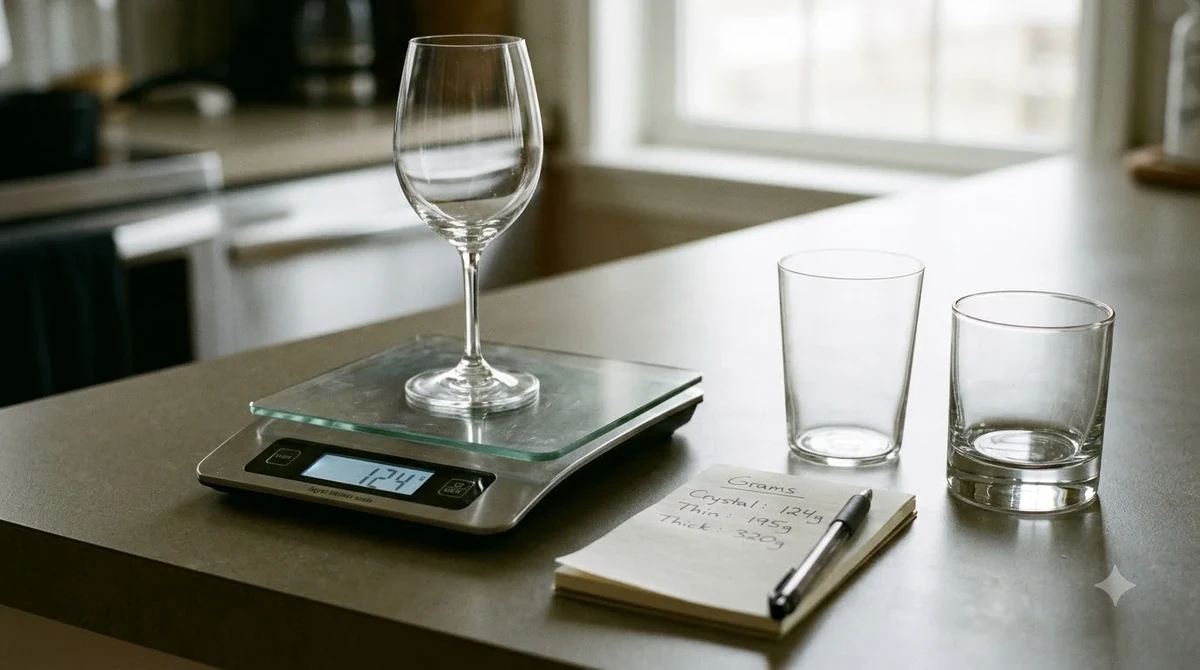
Lead-free crystal is an important part of the Stölzle proposition. The material provides the transparency expected of quality wine glasses, allowing the wine’s color and clarity to remain visible without distracting decoration. That matters particularly with red wines because differences in ruby, garnet, and deeper purple tones can help make the wine more visually appealing at the table.
The Experience collection is especially explicit about its emphasis on brilliance and a refined appearance. Its thin-looking walls, slender stem, and gently tapered bowl create a more formal silhouette. The Power collection takes a slightly different approach, balancing a substantial bowl with a practical machine-made construction.
Weinland owner comments published by Temple & Webster also provide useful context. Several buyers praise the glasses’ appearance and general usability, including comments describing them as attractive and enjoyable for everyday wine drinking. Another owner specifically appreciated receiving the glasses without shipping damage.
Useful bowl proportions
Different red wines benefit from different glass proportions. Cabernet Sauvignon, for example, is generally high in tannin and often benefits from a generous bowl that allows swirling and releases aromas. Merlot usually has softer tannins, while Pinot Noir tends to have lower-to-medium tannin and higher acidity. A single universal glass can work, but a collection with several bowl options gives drinkers more flexibility.
Stölzle’s own recommendations make this distinction relatively easy to understand. The Power Red Wine Glass is suggested for Cabernet Sauvignon, Merlot, and Shiraz. Its 520 ml capacity provides enough room for a moderate pour and movement within the bowl.
The larger Power Bordeaux is intended for more powerful, structured wines. Stölzle names Bordeaux, Amarone, Aglianico, and Syrah among the suitable styles. Its 650 ml capacity gives it a noticeably more generous profile than the standard Power glass.
Everyday practicality
Dishwasher compatibility is another positive feature for households that regularly serve wine. Both documented Power styles and the Experience Bordeaux are identified as dishwasher-resistant by the manufacturer. That reduces the need for routine handwashing, particularly after dinner parties or larger gatherings.
The Weinland collection also receives positive feedback for its everyday usability. Temple & Webster describes the glasses as suitable for ordinary dinners and special occasions, rather than restricting them to occasional formal service. Its published specifications also provide a clear dishwasher temperature limit of 55°C for that particular listing.
These characteristics make Stölzle an interesting middle ground for shoppers who want more purposeful wine glassware than basic household tumblers but still value convenience. A useful comparison is the selection in our wider wine glasses guide, where different materials and glass shapes can be considered together.
Common Complaints
Stölzle glasses are not automatically the right choice for every household. Owner comments reveal that weight, fragile-looking stems, and packaging deserve attention, while the differences between collections make it important to verify the exact glass before purchasing.
Weight and handling differences
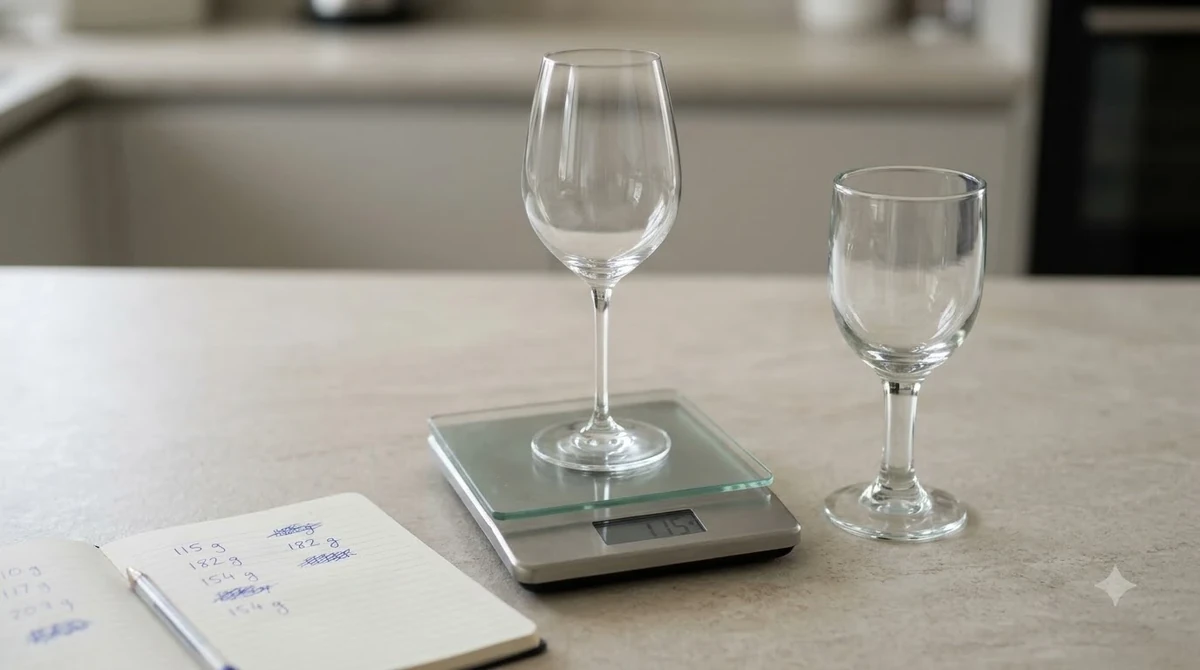
One Weinland owner review describes the Bordeaux glasses as somewhat heavy and clunky for crystal glassware. That is a useful counterpoint to descriptions emphasizing thin walls and refined construction. A glass can look elegant while still feeling heavier than an individual buyer expects.
Weight is not a universal quality measure. The Experience Bordeaux weighs 179 g, compared with 204 g for the Power Bordeaux. The 25 g difference may be noticeable to someone who prefers lighter stemware, especially when handling several glasses during a long meal. However, the lighter glass is not necessarily the better choice for every user.
People who prefer a more substantial grip may actually appreciate a heavier glass. Buyers who prioritize a delicate feel should compare the exact product dimensions and weight rather than relying on the brand name alone.
Thin stems require sensible handling
Some Quatrophil owners have expressed concerns about thin glass and delicate stems in reviews published by Wayfair. These comments should not be treated as proof that every Stölzle glass has the same weakness. Quatrophil, Power, Experience, and Weinland are different designs, and their physical construction can differ.
Nevertheless, a slender stem is a component that deserves care. Avoid twisting the bowl against the stem while drying a glass, since applying pressure at the joint can increase the chance of breakage. Hold the bowl gently when polishing and support the base with the other hand.
The distinction between dishwasher-safe and breakproof is also important. A glass may tolerate an appropriate dishwasher cycle while remaining vulnerable to contact with another glass, a metal utensil, or a hard surface.
Packaging and delivery concerns
Wayfair’s Quatrophil listing includes a customer report describing multiple glasses arriving broken because of inadequate packaging. The same review page includes other positive comments, so the available feedback does not establish that damaged deliveries are a consistent problem across the brand.
Still, packaging is relevant when buying stemware online. Glasses should be individually protected and separated so that the bowls and stems cannot collide during transportation. Check the shipment promptly after arrival and document any breakage before disposing of the original packaging.
There is also a practical reason to purchase a complete matching set rather than gradually replacing individual glasses. Product collections can change, and the same brand name does not guarantee identical dimensions across different series.
Who Should Buy and Who Should Skip
Stölzle red wine glasses make the most sense for wine drinkers who value lead-free crystal, purposeful red wine bowl shapes, and dishwasher-friendly designs. They are less suitable for buyers who want unbreakable everyday drinkware or expect every collection to have the same lightweight feel.
Who should consider Stölzle
Regular Cabernet Sauvignon and Bordeaux drinkers: The Power Bordeaux is a logical choice for structured reds. Its 650 ml capacity and 242 mm height provide a generous presentation for wines with pronounced tannins and concentrated aromas.
People who drink several red wine styles: The standard Power Red Wine Glass offers a more versatile option at 520 ml. It is recommended for Cabernet Sauvignon, Merlot, and Shiraz, giving it a useful range for households that do not want a separate specialized glass for every bottle.
Hosts who serve wine frequently: Dishwasher-resistant designs are attractive for people who regularly entertain. The Power set containing six standard red wine glasses and six Bordeaux glasses is particularly practical when a dinner involves different wine styles.
Buyers who appreciate clear crystal: The lead-free material and transparent finish provide the traditional appearance of crystal without the use of lead in the glass formulation.
People building a coordinated collection: Stölzle offers several series and matching glass categories. A buyer can consider red wine, white wine, and sparkling wine options without necessarily mixing unrelated manufacturers.
Who should skip them
Households that need genuinely unbreakable glasses: Crystal stemware is still glass. Even a durable design can break when dropped, knocked against a sink, or struck by another glass.
Buyers who dislike delicate stems: Some Stölzle collections have slender stems and refined profiles. Anyone who prefers thick, heavy-duty drinkware should inspect the exact model before purchasing.
People who want one identical glass for every occasion: The Power Bordeaux, standard Power Red Wine, Experience Bordeaux, and Weinland Bordeaux have noticeably different capacities and proportions. Someone who wants a single consistent glass style may find a universal design more convenient.
Buyers who prioritize stemless designs: Stölzle’s traditional red wine glasses are stemmed. If compact storage and a lower center of gravity matter more than traditional wine service, consider the alternatives in our stemless wine glasses guide.
How It Compares to Alternatives
The most useful comparisons are within Stölzle’s own range because the collections offer documented differences in capacity, weight, and intended use. Power, Experience, Weinland, and Quatrophil each provide a different combination of shape and handling characteristics.
Power versus Experience
The Power and Experience Bordeaux glasses are close in capacity, but their specifications show a meaningful difference in weight and height. Power holds 650 ml, weighs 204 g, and stands 242 mm tall. Experience holds 645 ml, weighs 179 g, and stands 238 mm tall.
The 5 ml capacity difference is negligible for ordinary wine service. The more useful distinction is the 25 g weight difference. Buyers who prefer a lighter glass may find Experience more appealing, while those who like a slightly heavier feel may prefer Power.
The Experience description also emphasizes a bulbous bowl and a tapered opening. This shape is intended to provide space for wine aromas while directing them toward the nose. It is a sensible option for people who value the appearance and proportions of a dedicated Bordeaux glass.
Power versus Weinland
Weinland offers two Bordeaux capacities: 540 ml and 660 ml. That provides a choice between a moderately sized bowl and a larger alternative. The 660 ml version is particularly close in capacity to the 650 ml Power Bordeaux.
However, their published dimensions differ. The Weinland 660 ml glass is listed at 223.5 mm tall, while Power Bordeaux is 242 mm tall. The shorter Weinland profile may appeal to people who want a generously sized bowl without as much overall height.
Weinland is also documented as a six-piece set, with a stated dishwasher temperature limit of 55°C from Temple & Webster. That gives buyers a practical care specification that is not identical to the more general dishwasher-resistant designation on the Power product page.
Power versus Quatrophil
Quatrophil is another Stölzle option worth considering. Wayfair lists its All Purpose Wine Glass at 20 ounces, which is approximately 591 ml. That puts its capacity between the standard 520 ml Power Red Wine Glass and the 650 ml Power Bordeaux.
The Quatrophil listing identifies lead-free crystal and dishwasher-safe construction. However, owner comments about delicate stems and thin glass make it especially important for cautious buyers to consider handling preferences and shipping protection. The Quatrophil glass listing and owner feedback provide additional context about its capacity, material, and reported handling concerns.
Power is the more straightforward starting point for buyers who want a specifically identified red wine glass with detailed manufacturer specifications. Quatrophil may appeal to someone who prefers an all-purpose profile, but the two should not be assumed to have identical proportions or handling characteristics.
Tip: For a mixed-red-wine household, start with the 520 ml Power Red Wine Glass. Choose the 650 ml Bordeaux version if Cabernet Sauvignon, Amarone, and other full-bodied reds make up a substantial part of the collection. A larger bowl is useful, but filling it to capacity is not the goal; a moderate pour leaves room for swirling and aroma development.
Frequently Asked Questions
Where are Stölzle Lausitz glasses manufactured?
Stölzle’s Experience Bordeaux product description identifies the glass as made in Germany. The manufacturer also presents German production as part of its glassmaking identity. Individual collection specifications should still be checked when country of manufacture is an important purchasing requirement.
Are Stölzle red wine glasses suitable for professional restaurants?
Stölzle supplies glassware intended for both home and professional settings, and its product range includes machine-made crystal designs. The practical choice for restaurant service depends on replacement availability, storage systems, washing equipment, and the frequency of use. A larger set of matching glasses is often more convenient for hospitality operations than a small specialist set.
Can Stölzle glasses be used for white wine?
Yes, although a dedicated white wine bowl is generally a better choice for regular white wine service. White wines are commonly served in smaller bowls than full-bodied reds, and serving temperatures differ. Stölzle also offers separate white wine glass designs within its broader glassware range.
How much wine should be poured into a 520 ml Stölzle glass?
A standard wine serving is approximately 5 ounces, or 148 ml. That is substantially less than the Power Red Wine Glass’s 520 ml total capacity. Leaving sufficient empty space makes it easier to swirl the wine and assess its aromas without spilling.
Can replacement glasses from different Stölzle collections be mixed?
They can be used together, but matching appearance is not guaranteed. A Power Red Wine Glass and an Experience Bordeaux Glass differ in height, capacity, and bowl proportions. For a uniform dinner setting, use the same collection and product size throughout the table rather than combining unrelated series.
Stölzle red wine glasses offer a compelling combination of lead-free crystal, purposeful bowl designs, and practical cleaning features. The Power collection is the easiest starting point for most red wine drinkers, while Experience and Weinland provide worthwhile alternatives for people with more specific preferences about weight, height, and capacity. Choose the bowl that suits the wines most frequently served, and handle the glassware carefully to enjoy its appearance and performance over time.
More in Wine Glasses
 Zwiesel Glas Champagne Flutes for Durable Everyday Sparkling WineUpdated Nov 20, 2026
 Vera Wang Crystal Wine Glasses: Design, Quality and Buying AdviceUpdated Nov 20, 2026
 West Elm White Wine Glasses: Compare Designs for Better Everyday Wine ServiceUpdated Nov 20, 2026
 Zalto Stemless Wine Glasses: Discover Their Distinctive DesignsUpdated Nov 20, 2026
 Viski Champagne Glasses That Match Your Style and Sparkling WineUpdated Nov 20, 2026
 Vista Alegre Decanter Review: Crystal Style and Wine ServiceUpdated Nov 20, 2026