

We may earn a commission when you buy through links on this page, at no extra cost to you. Learn more.
Stellenbosch wineries are the estates and cellar doors in South Africa’s Stellenbosch wine region, one of the country’s most established and visited areas for wine. The region has a wine route network of more than 150 wineries, so visitors can choose from historic farms and modern producers. Its best-known wines include Cabernet Sauvignon and Pinotage, and many estates welcome tastings by appointment or on set days.
This guide explains what makes the region distinctive, how its climate and soils shape the wines, and which grapes to look for. It also covers how to plan a tasting trip and how to buy Stellenbosch wines from the United States.
What Makes Stellenbosch a Leading South African Wine Region
Stellenbosch is one of the best-known wine regions in South Africa, and it has a long record in the industry. According to the Vivino regional guide to Stellenbosch, the town was established in 1679, and the first vines were planted in the 1690s. That history gives the area many of the oldest wine estates in the country, alongside newer producers that have modernized their cellars.
The region also led the way in organized wine tourism. In 1971 Stellenbosch became the first South African wine region to create a wine route, a coordinated network of wineries open to visitors. Today that network includes more than 150 wineries split across five sub-routes, each with its own mix of wine styles, climate, and geography. Founders of the first route included producers such as Simonsig, Delheim and Spier, according to the Western Cape wine entry on Wikipedia.
For a visitor, this means the area is set up for tastings. Many wineries have tasting rooms, guided visits, and restaurants. For a buyer, it means you can find a wide range of styles, from traditional reds to fresh whites and sparkling wines. The region also sits within the Western Cape, which Wikipedia describes as home to most of South Africa’s vineyards.
Stellenbosch Climate, Soils, and Terroir
The Stellenbosch region has a warm climate, but its vineyards are cooled by nearby ocean influence. The Atlantic Ocean lies to the west and south, and sea breezes reach far inland. Vineyards at higher elevations and on the slopes of the Helderberg and Simonsberg mountains often get more cooling air than valley sites.
The soils are varied. The region has ancient soils of decomposed granite, mountain shale, and clay, with several named soil types across the area. Mountainside vineyards tend to have granite-based soils, while valley sites often have alluvial soils over clay. Vines grow on steep slopes at altitudes that the Vivino guide places between about 150 and 600 meters. This mix gives winemakers many options for matching grapes to specific sites.
Daylight hours also play a role. The same guide notes roughly 14 hours of daylight in summer and about 10 in winter. Because of this, growers pay close attention to ripeness, and the cooling breezes help preserve acidity. Wine lovers often describe the best wines from the region as balanced, not overly heavy, even when the fruit is ripe. Check a bottle’s label or the winery’s website for the specific vineyard or ward, since these details vary from estate to estate.
Signature Grapes and Wine Styles of Stellenbosch
Cabernet Sauvignon is the variety most closely tied to the region’s reputation. The Vivino guide notes that Stellenbosch proved early on to be a good home for it, and the cool-sun conditions help the grape develop structure and aging potential. Chenin Blanc, Chardonnay, and Pinotage are also widely planted, and each shows up in a different style across the wine routes.
Pinotage deserves special attention because it is South Africa’s signature red grape. According to the Pinotage entry on Wikipedia, the variety was created in South Africa as a cross of Pinot noir and Cinsault, and it is often described with smoky, bramble, and earthy flavors. Stellenbosch has a strong association with the grape, which the same source links to the Stellenbosch University research that led to its development.
Use the table below to compare the main styles you will see at Stellenbosch wineries. Exact flavors vary by producer, vintage, and winemaking choices, so treat these as general guides rather than fixed rules.
| Style | Typical grape | What to expect |
|---|---|---|
| Structured red | Cabernet Sauvignon | Firm tannins, dark fruit, and potential for aging |
| Traditional red | Pinotage | Smoky, bramble and earthy notes, sometimes with bright fruit |
| Crisp white | Chenin Blanc | Fresh acidity with orchard fruit and a versatile body |
| Oaked white | Chardonnay | Richer texture and toasted or creamy notes from oak |
| Blended red | Cape blend | A mix of styles, often with Pinotage as a required component |
Many Cape blends are built around Pinotage, which makes them a good starting point if you want to try something distinctly South African. Ask the tasting room staff which vintages they recommend, since older Pinotage and Cabernet can show very different character from younger bottles.
Top Stellenbosch Wineries to Visit
Choosing among Stellenbosch wineries is easier if you start with what you want to taste. Some estates are known for their history and grand old buildings, while others focus on modern winemaking, sustainable farming, or small-batch releases. Because the region has more than 150 wineries, planning around a theme keeps the day manageable.
Historic estates often offer the most complete picture of the region. Many have long histories of growing Cabernet and blends, and their cellar tours explain how older vines and barrels are used. Estates tied to the early wine route are a natural choice if you want to see where the region’s organized tourism began.
Pinotage enthusiasts can seek out producers that have played a visible role in the grape’s history. The Pinotage entry on Wikipedia mentions Kanonkop Estate as an early leader, where Pinotage vines were planted in the 1940s and the wines later gained recognition. Visiting an estate like this lets you compare the grape’s character with other producers in the same area. Modern wineries focused on sustainability are also worth a look. Several are accredited under the Integrated Production of Wine scheme, according to the Vivino guide.
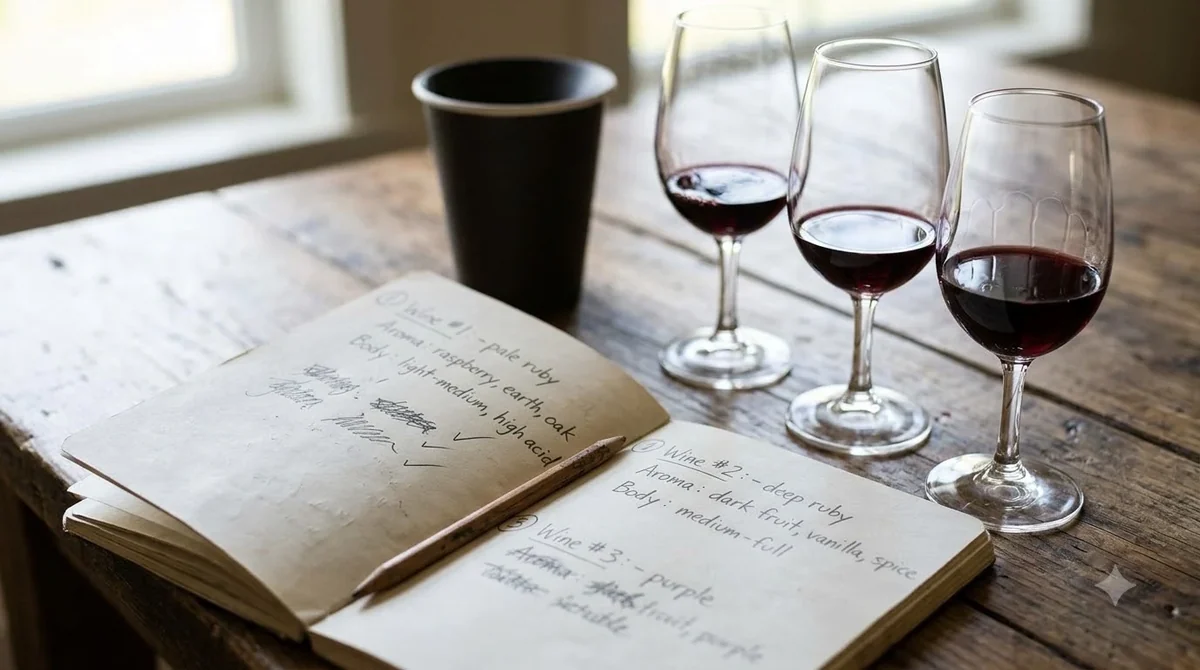
When you narrow your list, consider the experience as well as the wine. Some estates offer formal tastings and seated pairing menus, while others have casual tasting bars. Read each winery’s website to see whether it requires reservations, has tasting fees, or limits visits to certain days.
How to Plan a Stellenbosch Wine Tasting Trip
A good Stellenbosch trip starts with a few decisions about pace and transport. The area is large, and the drive between estates can take longer than it looks on a map. Planning two or three visits per day is a reasonable target for most people, since tastings add up quickly.
- Choose one or two sub-routes rather than trying to cover the entire region. Routes differ in climate and wine style, so a focused plan makes the trip easier.
- Check each winery’s opening days and tasting requirements before you go. Many estates require reservations, and some have limited hours.
- Book a driver or a tour if you do not want to drive between tastings. Plan on someone else driving if you intend to taste at several estates.
- Schedule visits in a logical order, moving from lighter whites to bolder reds. This approach helps your palate stay fresh through the day.
- Ask staff about the vineyard, the winemaker, or the style of each wine. Their answers often reveal the thinking behind a bottle.
- Plan a meal between tastings, and drink water along the way. Pace yourself and avoid driving after drinking.
Responsible drinking matters on any wine trip. Spit if you need to, take breaks, and keep track of how much you are tasting. Arrange a driver, taxi, or hotel shuttle before you leave for the day rather than relying on a last-minute ride.
Tip: Ask each tasting room whether it offers a seated flight or a guided session. Those options usually give you more context than a quick walk-up tasting.
Buying Stellenbosch Wines in the US and Pairing Them with Food
Finding Stellenbosch wines in the United States depends on your local retailers and importers. Many wine shops carry South African labels, and some have sections for the Cape region. If a specific estate is not available near you, ask a retailer whether it can order the wine through an importer.
Food pairing is one of the easiest ways to enjoy these wines at home. Cabernet Sauvignon and Cape blends tend to suit grilled meats and hearty dishes, since their tannins and structure hold up well to protein. Chenin Blanc and Chardonnay pair well with seafood, roasted chicken, and lighter vegetable dishes. Pinotage works with barbecue and smoky foods, which fit its earthy and smoky notes.
Storage matters too. Keep bottles away from heat and light, and store them on their sides if they have corks. For aging-worthy reds, check the winery’s notes or ask the seller for guidance on how long to keep a specific bottle. Many whites and rosés are best enjoyed within a year or two of release.
Frequently Asked Questions
How many wineries are in the Stellenbosch wine route network?
The Stellenbosch Wine Routes currently provide a coordinated network of more than 150 wineries. These are organized into five sub-routes, each with its own climate and wine style. Check the official route information before you plan, since membership can change over time.
What is the best grape to try at Stellenbosch wineries?
Cabernet Sauvignon and Pinotage are two of the most distinctive choices. Cabernet shows the region’s structure and aging potential, while Pinotage is South Africa’s signature red. Many visitors also enjoy Chenin Blanc for its fresh, versatile style.
Do I need reservations for Stellenbosch tastings?
Many wineries recommend or require reservations, especially for guided tours and seated tastings. Policies vary by estate, so check each winery’s website or call ahead before your visit. Booking early helps you keep your schedule on busy days.
Can I buy Stellenbosch wines in the United States?
Many US wine shops and online retailers carry South African wines, including labels from Stellenbosch. Availability depends on your state and on what importers bring in. If a bottle is not stocked locally, a retailer may be able to order it for you.
Stellenbosch offers a mix of history, varied terroir, and well-organized tastings, which makes it a strong destination for both visitors and buyers. Start with one or two sub-routes, and focus on a few grapes that interest you most. For more background on how regions shape wine, explore the Wine Regions guides, or compare how other famous areas differ, such as okanagan wineries in Canada.
More in Wine Regions
 Willcox Wine Trail: Discover Arizona’s High-Elevation Wine CountryUpdated Nov 20, 2026
 Yakima Valley Wine Region: Find the Best Styles to TryUpdated Nov 20, 2026
 Vosne Romanee Wine Tasting: Identify Aromas and Choose Better PairingsUpdated Nov 20, 2026
 Yakima Valley Wine Festival: Find the Best Seasonal Wine EventsUpdated Nov 20, 2026
 Wales Vineyards: Discover Cool-Climate Wines and Where to VisitUpdated Nov 20, 2026
 Yountville Wine Festival: Discover Napa Wines and Local FoodUpdated Nov 20, 2026