

We may earn a commission when you buy through links on this page, at no extra cost to you. Learn more.
This stella rosa black wine review finds that Stella Rosa Black is a good choice for drinkers who enjoy sweet, fruity red wine with gentle bubbles and a relatively low 5% ABV. Made in Italy with Brachetto grapes among its varieties, it delivers recognizable blackberry, blueberry, and raspberry flavors rather than the dry, tannic structure expected from traditional red wine. Its approachable sweetness and chilled serving style make it particularly suitable for casual gatherings, fruit-based desserts, and people who find conventional Cabernet Sauvignon or Merlot too dry.
Stella Rosa Black occupies a distinctive position between traditional red wine and lightly sparkling fruit-forward wine. It is not intended to imitate a structured, full-bodied Italian red. Instead, it offers a softer experience built around sweetness, fresh fruit character, and modest alcohol. Understanding that difference is the key to deciding whether the bottle belongs at your table. This guide examines its flavor, sweetness, alcohol, food compatibility, and practical buying considerations so you can choose with realistic expectations.
Who This Is For
Stella Rosa Black is best suited to adults who prefer approachable, moderately sweet wine over dry reds with pronounced tannins. Its 5% ABV, gentle carbonation, and berry-forward profile make it an accessible option for relaxed occasions rather than formal wine tastings.
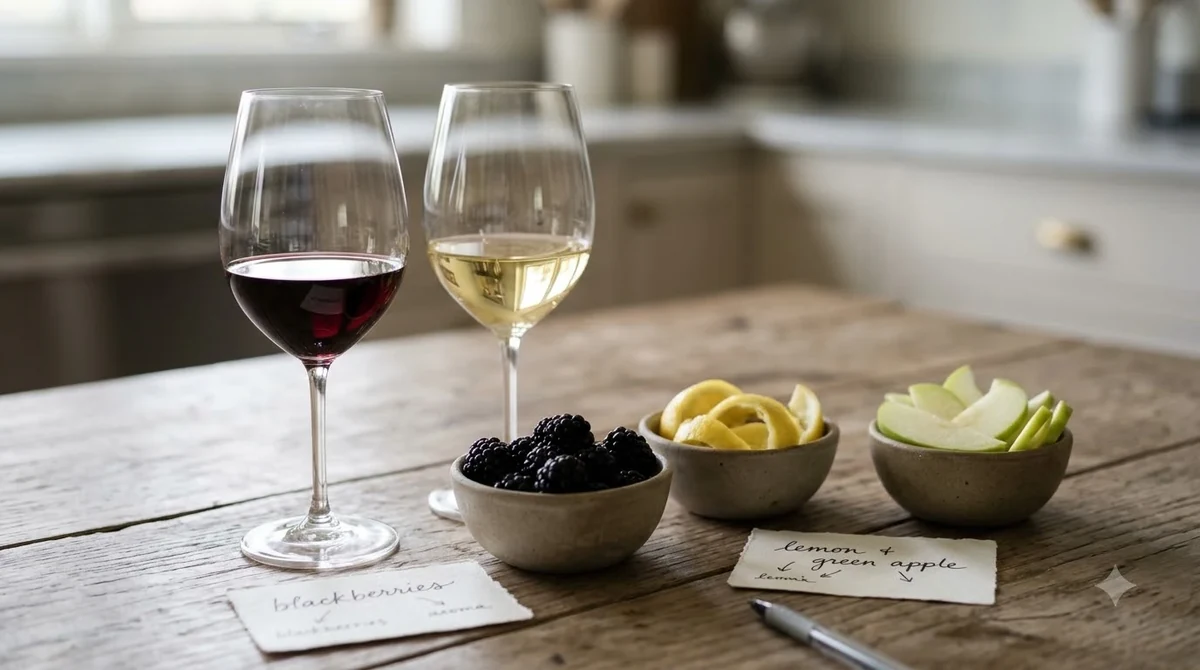
The first group likely to enjoy this wine is people who regularly choose sweet red blends, fruit-forward wines, or semi-sparkling beverages. Blackberry, blueberry, and raspberry are the central flavor references supplied by the producer. These characteristics create a familiar fruit profile that does not require extensive wine knowledge to appreciate. Someone who finds Cabernet Sauvignon too drying or Syrah too structured may find Stella Rosa Black considerably easier to approach.
It also suits people who want a lower-alcohol wine for a casual meal or social gathering. At 5% ABV, it contains substantially less alcohol than many conventional table wines, which commonly fall around 12% to 15%. That difference changes the drinking experience, although it does not make the wine alcohol-free. A 750 ml bottle contains approximately five standard 5 oz wine servings, so the alcohol in each serving still matters.
Another suitable audience includes hosts planning an informal dessert table, cheese board, or weekend get-together. The wine’s sweetness and mild effervescence can make it more versatile for casual entertaining than a highly tannic red. Its screw cap also makes opening straightforward without a corkscrew.
However, this is not the right bottle for everyone. Drinkers who prefer bone-dry wines, pronounced acidity, earthy aromas, firm tannins, or a long, complex finish may find it too sweet and straightforward. People looking for a traditional red wine to accompany a serious steak dinner may prefer Cabernet Sauvignon, Malbec, or another structured red.
It is also important not to confuse lower alcohol with unrestricted consumption. Stella Rosa Black remains an alcoholic beverage intended for adults of legal drinking age. Its sweet flavor can make the alcohol seem less prominent, so serving size and responsible consumption still deserve attention.
Key Factors to Compare
Five practical details matter most when evaluating Stella Rosa Black: sweetness, alcohol, grape composition, carbonation, and serving size. Looking at these characteristics together gives a more accurate picture than judging the wine by its dark color or red-wine classification alone.
| Factor | Stella Rosa Black | What It Means |
|---|---|---|
| Wine style | Semi-sweet, semi-sparkling red | Fruit-forward with gentle bubbles |
| Grape varieties | Italian red grape blend including Brachetto | Not a single-variety Brachetto wine |
| Alcohol | 5% ABV | Lower than conventional table wine |
| Residual sugar | 10% reported by Tastings | Noticeably sweet style |
| Serving size | 5 fl oz | Standard wine serving reference |
| Calories | 110 per 5 fl oz | Retailer-listed nutrition information |
| Total sugar | 16 g per 5 fl oz | Retailer-listed nutrition information |
| Package sizes | 250 ml, 750 ml, 1.5 L | Options for different occasions |
| Country of origin | Italy | Italian wine product |
The producer describes the wine as semi-sweet and semi-sparkling, while Tastings classifies its reviewed bottle as a sparkling sweet flavored wine. Tastings reports 10% residual sugar and 5% alcohol. Those details help explain why the wine tastes more fruit-driven than a conventional dry red. The official Stella Rosa Black product description also identifies its grape variety, alcohol percentage, flavor profile, and recommended food pairings.
Sweetness is particularly important because a wine’s dark color does not indicate dryness. A deep purple appearance can suggest concentration, but it says nothing reliable about residual sugar. Stella Rosa Black is intended to taste sweet, and its fruit-forward presentation is a central part of the product rather than an incidental characteristic.
Alcohol is another important comparison point. At 5% ABV, Stella Rosa Black is lighter in alcohol than many familiar reds. Nevertheless, alcohol percentage alone does not determine the number of calories or the overall amount of sugar. The retailer’s nutrition information lists 110 calories, 16 grams of total sugar, and 4 grams of added sugar per 5 fl oz serving. These figures provide more useful purchasing information than simply describing the wine as low alcohol.
Grape composition also deserves attention. The wine is a proprietary blend of Italian red grape varieties that includes Brachetto. It should not be confused with a traditional, single-variety Brachetto wine. The producer’s product description provides the grape reference and identifies blackberry, blueberry, and raspberry as its characteristic flavors.
For a closer look at its alcohol percentage and how it compares with other wines, the dedicated Stella Rosa Black wine alcohol content explanation provides a useful companion resource.
Step-by-Step: How to Choose and Serve It
Choosing Stella Rosa Black is relatively straightforward, but a few deliberate steps can help ensure that its sweetness, bottle size, and serving conditions match the occasion. Start with your preferred wine style, then consider how many people will drink it and what food will accompany it.
- Decide whether you enjoy sweet wine. Stella Rosa Black is semi-sweet rather than dry. If your usual choices include sweet red blends, Moscato, or fruit-forward sparkling wines, its style may be a good match. If you consistently prefer dry Bordeaux-style reds or structured Cabernet Sauvignon, the sweetness may be a drawback.
- Consider the alcohol level. The producer lists 5% ABV. This is a relatively low figure for wine, but it remains alcoholic. Do not assume that the mild fruit flavor means the beverage contains no meaningful alcohol.
- Choose an appropriate bottle size. The producer offers 250 ml, 750 ml, and 1.5 L formats. A 250 ml bottle is convenient for a smaller serving occasion, a standard 750 ml bottle suits a small gathering, and a 1.5 L format is more practical when several adults are sharing it.
- Chill the bottle before serving. A refrigerator is the simplest option. Allow enough time for the wine to become properly cold rather than serving it immediately after bringing it home from a warm environment.
- Select suitable glassware. A regular wine glass works well because it allows the berry aromas to collect above the liquid. A smaller sparkling-wine glass is another option, although a wide wine glass makes the wine’s color and aroma easier to appreciate.
- Pour a moderate serving. A 5 oz pour is a useful standard wine-serving reference. Avoid filling glasses to the rim, particularly because the wine has some carbonation.
- Pair it with complementary food. Begin with Havarti, Manchego, fresh berries, chocolate desserts, or other foods that can work with a sweet red. Consider how the sweetness interacts with the dish before choosing a more complex meal.
- Refrigerate the remaining wine. Close the screw cap securely and return the bottle to the refrigerator. Because the wine is semi-sparkling, preserving its remaining carbonation is another reason to avoid leaving it open on the counter.
These steps are useful for both first-time buyers and people who already know they enjoy sweet red wine. The biggest improvement usually comes from serving temperature. A chilled bottle makes the fruit character feel fresher and helps the sweetness remain more balanced on the palate.
Tip: Chill Stella Rosa Black thoroughly before opening, then pour a small first glass. This makes it easier to assess its sweetness and gentle fizz before deciding whether you want a larger serving or a food pairing.
For a broader introduction to the producer’s other styles and varieties, the Stella Rosa wine overview can help identify alternatives if Black is not quite the right fit.
Types or Styles Explained
Stella Rosa Black belongs to the semi-sweet, semi-sparkling red category, but understanding the difference between that style and other familiar wines helps set realistic expectations. Its combination of sweetness, berry flavor, and light carbonation is quite different from traditional still red wine.
Semi-sweet red wine
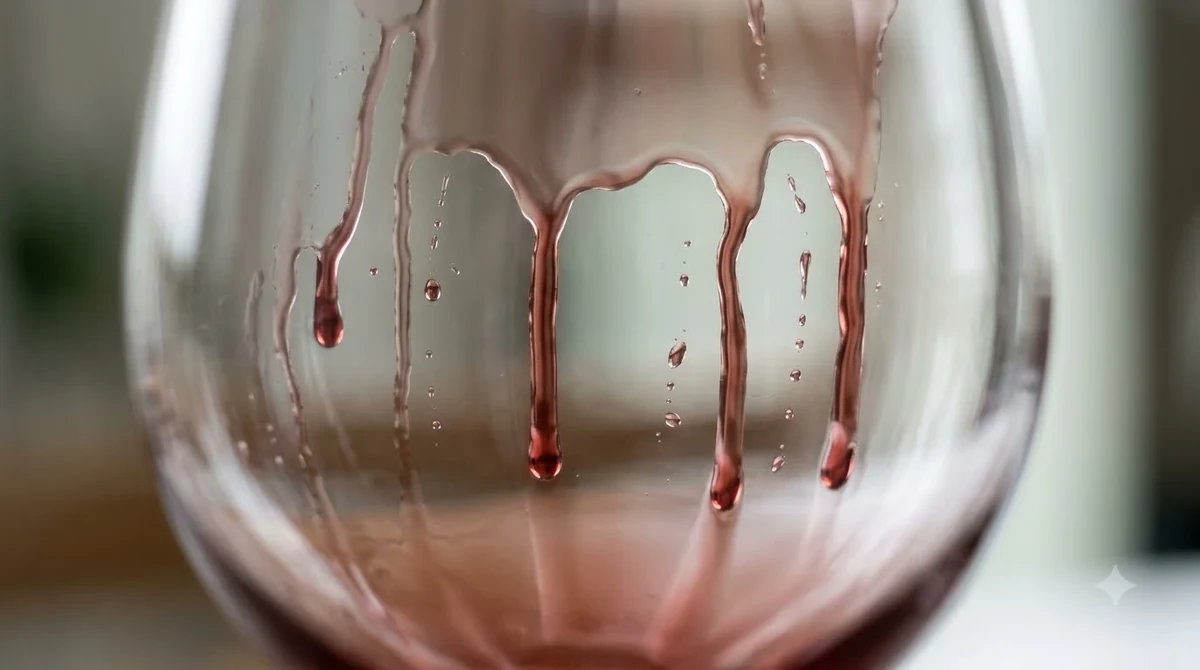
Semi-sweet describes a wine that retains noticeable sweetness rather than finishing completely dry. Stella Rosa Black falls into this category, making it more suitable for drinkers who enjoy ripe fruit flavors and a softer finish. It is not designed to deliver the firm tannins or restrained fruit expression associated with many traditional Italian reds.
The sweetness is particularly important when considering food. A wine should generally be at least as sweet as the dessert served alongside it. If a dessert is significantly sweeter than the wine, the wine can taste less fruity and more acidic by comparison. Stella Rosa Black is therefore more naturally suited to moderately sweet desserts than extremely sugary pastries.
Semi-sparkling red wine
The wine also has gentle carbonation. This creates a light fizz rather than the persistent, vigorous stream of bubbles expected from traditional Champagne. The distinction matters because carbonation changes how a beverage feels in the mouth. It can make a sweet wine seem livelier and more refreshing than an equivalent still wine.
The independent Tastings review of Stella Rosa Black describes a moderately sweet profile with spiced mulberry, cranberry, strawberry, and grape-jam accents. It also reports a medium body and medium-length finish, providing another perspective on the wine beyond the producer’s berry-focused tasting description.
Brachetto-based red blends
Brachetto is the named grape associated with Stella Rosa Black, but the producer describes the wine as a blend of red grape varieties. This distinction prevents a common misunderstanding: the bottle is not presented as a straightforward single-grape expression.
Traditional Brachetto wines can have aromatic red-fruit characteristics, making the grape reference a helpful starting point for understanding the wine’s general direction. However, Stella Rosa Black’s finished profile also reflects its blend, sweetness, natural flavors, and semi-sparkling style.
How it differs from conventional red wine
Conventional dry reds are often evaluated through their tannin structure, acidity, body, oak influence, and finish. Cabernet Sauvignon generally has high tannin, Merlot has medium and softer tannins, and Pinot Noir typically has lower-to-medium tannin with relatively high acidity.
Stella Rosa Black does not compete primarily on those characteristics. Its 5% ABV and fruit-forward sweetness create a much lighter drinking experience. Someone expecting the structure of an aged Cabernet Sauvignon may be disappointed, while someone looking for an easygoing sweet red may appreciate the difference.
It is also useful to distinguish this wine from dry sparkling wines. Brut sparkling wine is much drier than a semi-sweet red, and its food-pairing possibilities are different. Stella Rosa Black is better considered a sweet, casual alternative rather than a substitute for a traditional bottle of Champagne or dry Prosecco.
Common Mistakes
The most frequent buying mistakes involve confusing sweetness with fruit flavor, assuming every red wine is dry, and expecting conventional sparkling-wine characteristics. Avoiding these misunderstandings makes it easier to judge Stella Rosa Black on its intended style.
Assuming dark color means a dry wine
Stella Rosa Black has a dark, rich appearance, but that does not mean it has the structure of a dry red. Sweetness and color are separate characteristics. Its flavor profile is centered on ripe berries, while its semi-sweet classification makes it considerably different from a dry red blend.
This distinction is particularly important for beginners. People who choose wine primarily by color sometimes expect a dark red to taste dry, powerful, and tannic. Stella Rosa Black demonstrates why the grape blend, residual sugar, and production style are more informative than appearance alone.
Expecting a traditional sparkling wine
The bubbles are gentle, so it should not be purchased with the expectation of a Champagne-like experience. Champagne and Cava undergo their second fermentation in the bottle, while many Prosecco wines use the tank method. Stella Rosa Black is marketed as semi-sparkling and should be judged according to that lighter style.
Someone who wants persistent bubbles, pronounced acidity, and a dry finish may be happier with a traditional sparkling wine. Someone who wants a little fizz alongside berry sweetness is more likely to appreciate Stella Rosa Black.
Serving it too warm
Room-temperature service can make the sweetness and fruit flavors seem heavier. This wine is intended to be enjoyed chilled, so serving it directly from a warm storage area is a poor choice. A refrigerator helps maintain a fresher impression and makes the light carbonation more pleasant.
Pairing it with every savory dish
Although the producer recommends several savory combinations, not every dish will work equally well. Very bitter vegetables, strongly acidic sauces, and intensely spicy foods can make the wine seem unbalanced. Chili heat is also amplified by alcohol and tannin, so a sweet wine should not automatically be considered a perfect match for every spicy meal.
Fat and salt can soften the perception of tannin in conventional red wines, but Stella Rosa Black has a much less tannic profile than many dry reds. For this reason, the best pairings are generally foods that complement its fruit and sweetness rather than dishes that require a strongly structured red.
Ignoring the sugar information
Low alcohol does not mean low sugar. H-E-B lists 16 grams of total sugar and 4 grams of added sugar per 5 fl oz serving, together with 110 calories. Those figures are useful for understanding the product’s nutritional profile and should not be overlooked simply because its alcohol percentage is modest.
The ingredients also include wine, water, grape must, sugar, grape-skin extract, natural flavors, and sulfur dioxide. This is a flavored wine specialty rather than a product that should be judged exclusively by the standards used for traditional dry table wine.
Care or Storage Tips
Stella Rosa Black is best enjoyed chilled, with careful refrigeration after opening. Although it is convenient to serve, treating it like a shelf-stable soft drink can reduce its freshness and remaining carbonation.
Before opening
Keep the bottle in a cool, dark location away from direct sunlight and significant temperature fluctuations. A traditional wine-storage target is approximately 55°F, although a short-term refrigerator chill is more practical when preparing this particular wine for serving.
For general wine storage, bottles with natural cork closures are often stored horizontally to keep the cork from drying out. Stella Rosa Black uses a screw cap, so that traditional cork-moistening consideration does not apply in the same way. Keeping the bottle cool and protected from light remains the more important priority.
Serving temperature
Chilling is central to the intended experience. A refrigerator provides a simple way to prepare the bottle before a meal or gathering. Unlike many full-bodied dry reds, Stella Rosa Black does not need to be warmed to room temperature before serving.
A cold serving also makes the gentle bubbles more refreshing and helps keep the sweet berry profile from feeling overly heavy. If the bottle becomes warmer while sitting on the table, return it to the refrigerator between pours.
After opening
Close the screw cap securely and refrigerate the bottle promptly. The wine’s carbonation will gradually decline after opening, so a tightly closed cap and low storage temperature help preserve its remaining freshness.
As a general wine-storage guideline, opened still wines often keep for approximately three to five days in the refrigerator, while sparkling wines generally retain their best qualities for a shorter period, around one to three days. Because Stella Rosa Black is semi-sparkling, the shorter sparkling-wine guideline is a sensible starting point rather than assuming it will remain equally fizzy for several days.
Before pouring another glass, look for changes in aroma, flavor, and carbonation. A wine that has lost most of its fizz may still have fruit character, but it will no longer provide the same experience as a freshly opened bottle. Avoid keeping opened wine in a warm kitchen or near a sunny window.
Choosing the right amount
Package size is another part of practical storage. The 250 ml format can be useful when only a small amount is needed, while the standard 750 ml bottle provides approximately five 5 oz servings. The 1.5 L format is more suitable for a larger gathering, provided several adults are sharing it.
For someone who only occasionally drinks sweet red wine, a smaller bottle can be a more practical choice than opening a larger format. This reduces the likelihood of having a substantial amount of semi-sparkling wine left over after the occasion.
Frequently Asked Questions
Is Stella Rosa Black made with actual blackberry juice?
The listed ingredients identify natural flavors of blackberry, blueberry, and raspberry, alongside grape-based ingredients. The retailer ingredient information also identifies grape-skin extract as the coloring ingredient. The product description does not list added blackberry juice as an ingredient.
Does Stella Rosa Black have a vintage year?
Stella Rosa Black is identified as a non-vintage wine. This means it is not marketed around a particular harvest year in the way many vintage-designated wines are. The non-vintage approach is consistent with its approachable, everyday drinking style.
Can Stella Rosa Black be used in a wine cocktail?
Yes. H-E-B product information indicates that it can be mixed with a preferred spirit to create a fruit-forward cocktail. Its blackberry and raspberry character provides a useful base for simple combinations, although adding spirits increases the finished drink’s total alcohol content.
Does Stella Rosa Black require a corkscrew?
No. The standard bottle uses a screw-cap closure, so a corkscrew is unnecessary. This is convenient for picnics, casual meals, and gatherings where opening wine without additional equipment is helpful.
Is Stella Rosa Black considered a traditional Italian DOC or DOCG wine?
The producer presents Stella Rosa Black as an Italian semi-sweet, semi-sparkling red wine rather than identifying it as a specific DOC or DOCG appellation bottling. DOC and DOCG are Italian geographical and production classifications, so the country of origin alone does not establish that a wine belongs to either category.
Stella Rosa Black makes the most sense for drinkers who want a chilled, gently sparkling red with noticeable berry sweetness and relatively low alcohol. It is not a replacement for a dry, structured Italian red, but it offers a different and approachable style for casual occasions, cheese boards, and desserts. If those characteristics match your preferences, Stella Rosa Black is a reasonable bottle to consider; if you prefer dry wines with firm tannins and complex savory flavors, a traditional red blend will likely be a better choice.
More in Wine Brands
 Louis Latour Wine Price: Compare Bottles by Style and TierUpdated Nov 20, 2026
 Yellow Tail Moscato Price: What to Expect Before You BuyUpdated Nov 20, 2026
 Sutter Home Sweet Red Review: Find the Right Food PairingsUpdated Nov 20, 2026
 Franzia Chillable Red Review: Find the Right Serving StyleUpdated Nov 20, 2026
 Veuve Clicquot Rose Review: Flavor, Food Pairings and Buying AdviceUpdated Nov 20, 2026
 Rombauer Wine Price: Compare Bottles Before You BuyUpdated Nov 20, 2026