

We may earn a commission when you buy through links on this page, at no extra cost to you. Learn more.
A Spiegelau decanter is a worthwhile choice for wine drinkers who want clear crystal glassware, attractive presentation, and practical designs for aerating or serving wine. The brand offers several distinct shapes and capacities, from a standard 750 ml Highline Decanter to a larger 1-liter Style Decanter. The main buying consideration is not simply appearance: handmade and machine-made models have different care requirements, and some designs are better suited to everyday entertaining than others.
SPIEGELAU makes decanters for both functional wine service and presentation. Its collection includes traditional rounded vessels, contemporary sculptural designs, and textured crystal pieces. That variety makes the brand appealing, but it also means that choosing the right model requires a closer look at capacity, dimensions, construction, pouring practicality, and cleaning instructions. This review examines the main options and explains which type makes the most sense for different wine-drinking habits.
Specs and Key Features of SPIEGELAU Decanters
SPIEGELAU’s decanter collection combines crystal construction with several different shapes, capacities, and manufacturing methods. The Highline, Lifestyle, and Style models provide three useful examples of how the brand approaches premium presentation, everyday convenience, and serving capacity.
The Highline is particularly interesting for buyers who want a handmade crystal piece designed around a standard bottle of wine. Its 750 ml capacity accommodates a complete standard bottle, while its substantial footprint gives the wine room to spread across the vessel. The Lifestyle model offers a similar bottle-sized capacity but uses machine-made construction and has a more decorative appearance. Style moves in another direction with a 1-liter capacity and a comparatively straightforward contemporary silhouette.
The following comparison uses specifications published by SPIEGELAU. Dimensions are important because a decanter that looks relatively compact in a product photograph can occupy considerable space on a dining table or inside a kitchen cabinet.
| Feature | Highline | Lifestyle | Style |
|---|---|---|---|
| Capacity | 750 ml | 750 ml | 1,000 ml |
| Construction | Handmade | Machine-made | Machine-made |
| Material | Crystal glass | Crystal glass | Crystal glass |
| Exterior height | 10.236 inches | 10.236 inches | 10.83 inches |
| Largest diameter | 10.433 inches | 9.449 inches | 4.80 inches |
| Manufacturer care instructions | Handwash only | Dishwasher safe | Handwash only |
| Best suited to | Formal presentation | Regular entertaining | Higher-volume serving |
One important distinction is the relationship between capacity and usable serving space. A 750 ml decanter is designed around a standard bottle, while a 1-liter model has additional room above that volume. This extra capacity can be useful when pouring wine for several guests, although it does not mean that every larger vessel will provide better aeration. The shape of the body and the amount of exposed wine surface also matter.
SPIEGELAU’s wider catalog extends beyond these three models. Its official collection includes Authentis, Berries, Novo Pro, Pisa, Soiree, Toscana Pro, Ultra, and Vino Grande designs, among others. The catalog identifies 13 products, with 10 listed as handmade and three as machine-made. Buyers therefore have considerably more choice than a simple three-model comparison suggests.
For wine drinkers who are also replacing their drinking vessels, browsing the wider selection of wine glasses can help create a coordinated serving setup without requiring every piece to come from the same collection.
Design and Construction: Crystal, Shape, and Presentation
SPIEGELAU’s strongest selling point is its combination of clear crystal glass and varied vessel designs. The distinction between handmade and machine-made construction gives buyers a practical way to compare models rather than relying on appearance alone.
The Highline is the more artisanal choice of the three featured models. SPIEGELAU describes it as handmade crystal glassware intended for professional wine service, hospitality environments, and home entertaining. Handmade production can result in small variations, bubbles, or other minor differences that the manufacturer identifies as acceptable characteristics of individual pieces. Buyers who appreciate handcrafted objects may see these variations as part of the appeal.
The Lifestyle Decanter takes a different approach. Its decorative geometry and linear detailing create a distinctive visual effect, while machine-made production provides consistency between individual pieces. Its 750 ml capacity is practical for a standard bottle, and its design works well for tables where presentation is as important as the wine itself.
Style is a simpler alternative for those who prefer a less elaborate vessel. Its 1-liter capacity provides additional room, and its tall, narrow-waisted form makes it visually different from the broader Highline design. The machine-made construction is another consideration for buyers who want a more standardized product.
What crystal construction means
Crystal glass is valued for its clarity and brilliance. In a wine decanter, transparency has an additional practical benefit: it allows the person pouring to observe the wine’s color and identify sediment moving through the vessel. This is particularly useful when serving older red wines that have developed deposits during bottle aging.
SPIEGELAU also addresses lead content in its frequently asked questions. The manufacturer explains that its crystal glass does not use lead oxide as a principal ingredient and that it has exclusively produced this type of crystal glass since 2015. This is useful information for consumers who specifically want to understand the material rather than relying on the generic description of crystal.
However, crystal construction should not be confused with resistance to physical damage. A clear, carefully made decanter remains glass and can break if dropped, struck against a hard surface, or tipped over. Its dimensions and handling requirements deserve as much attention as its appearance.
Shape matters more than decoration
A decanter’s body determines how much wine is exposed to air. A broad base generally provides more surface area than a narrow, upright carafe, making it a useful choice for young wines that benefit from aeration. A narrower shape can be more appropriate when the objective is straightforward serving rather than maximizing oxygen exposure.
The Highline’s broad body gives it a substantial visual presence. Lifestyle combines a more compact overall diameter with decorative detailing, while Style is taller and considerably narrower. These differences influence where each vessel fits comfortably and how much table space it requires.
For a formal dinner, a large, sculptural decanter can become part of the presentation. For a smaller dining table, a less expansive shape may be easier to position between plates, serving dishes, and drinking glasses. Neither approach is automatically better; the appropriate choice depends on how the decanter will be used.
What Owners and Everyday Users Can Appreciate
The most appealing aspects of SPIEGELAU decanters are their clear crystal appearance, recognizable design variety, and practical range of capacities. Buyers can select a more elaborate handmade piece or a simpler machine-made model without leaving the same manufacturer.
One advantage is the ability to choose a vessel around a specific wine-serving routine. Someone who usually opens one bottle for dinner may prefer the 750 ml Highline or Lifestyle. Someone who regularly pours wine for a larger group may appreciate the extra capacity of Style or one of the brand’s larger models.
The variety also makes it easier to coordinate decanters with different types of glassware. A traditional clear crystal vessel can sit comfortably beside Bordeaux-style red wine glasses, smaller white wine glasses, and sparkling wine stems. The result is a coordinated table without necessarily requiring a matching collection.
Presentation is a genuine advantage
Serving wine from a transparent crystal decanter changes the visual experience of a meal. The color of a deep Cabernet Sauvignon, the garnet tones of mature Pinot Noir, and the pale gold appearance of an aged Chardonnay are more visible in a clear vessel than inside an opaque container.
The Highline is particularly suited to a table where a statement piece is desirable. Its handmade construction and broad dimensions give it a noticeable presence, making it appropriate for dinner parties and special meals. The Lifestyle design is more decorative, with its linear surface treatment providing visual interest even when the decanter is empty.
These design differences also create useful gifting options. A person who appreciates traditional craftsmanship may prefer Highline, while someone who likes contemporary table decoration may find Lifestyle more appealing. Style is a reasonable direction for someone who values capacity and a comparatively restrained silhouette.
Practical capacity makes serving easier
A standard 750 ml wine bottle contains approximately five conventional 5-ounce glasses. A decanter with matching capacity can therefore accommodate a complete bottle without requiring a second container. That is convenient for smaller dinners where a single wine is being served.
A 1-liter vessel has more flexibility for pouring and can accommodate a standard bottle with additional room remaining. That space may be useful for swirling the wine or handling a bottle that has been transferred carefully from another vessel. Nevertheless, a larger capacity does not automatically justify filling the decanter completely. The ideal fill level depends on the body shape and the desired aeration.
Users who serve multiple wines during one evening may also benefit from having more than one decanter. A separate vessel makes it easier to keep different wines organized and avoids the need to clean a decanter immediately before switching between bottles.
Consistency versus individual character
Machine-made models provide a consistent shape and appearance. That can be especially useful when buying matching glassware for a household or when replacing a damaged piece. Handmade models offer a different appeal because small production variations can make individual pieces less uniform.
There is no universal winner between the two methods. The Lifestyle and Style models are sensible choices for buyers who value consistent manufacturing, while Highline is more appropriate for those who specifically want handmade crystal. The decision should reflect the buyer’s preference for construction and care requirements rather than an assumption that handmade automatically means better performance.
Common Complaints and Practical Limitations
The main drawbacks to consider are fragile glass construction, cleaning difficulties, substantial storage requirements, and differences in dishwasher suitability. These are not unusual problems for crystal decanters, but they can affect how convenient a particular SPIEGELAU model will be in everyday use.
Cleaning is probably the most important practical consideration. The Highline and Style models require handwashing, while the Lifestyle product description identifies dishwasher-safe construction. Buyers who expect to put every piece of glassware into a dishwasher should not assume that all SPIEGELAU decanters have identical care instructions.
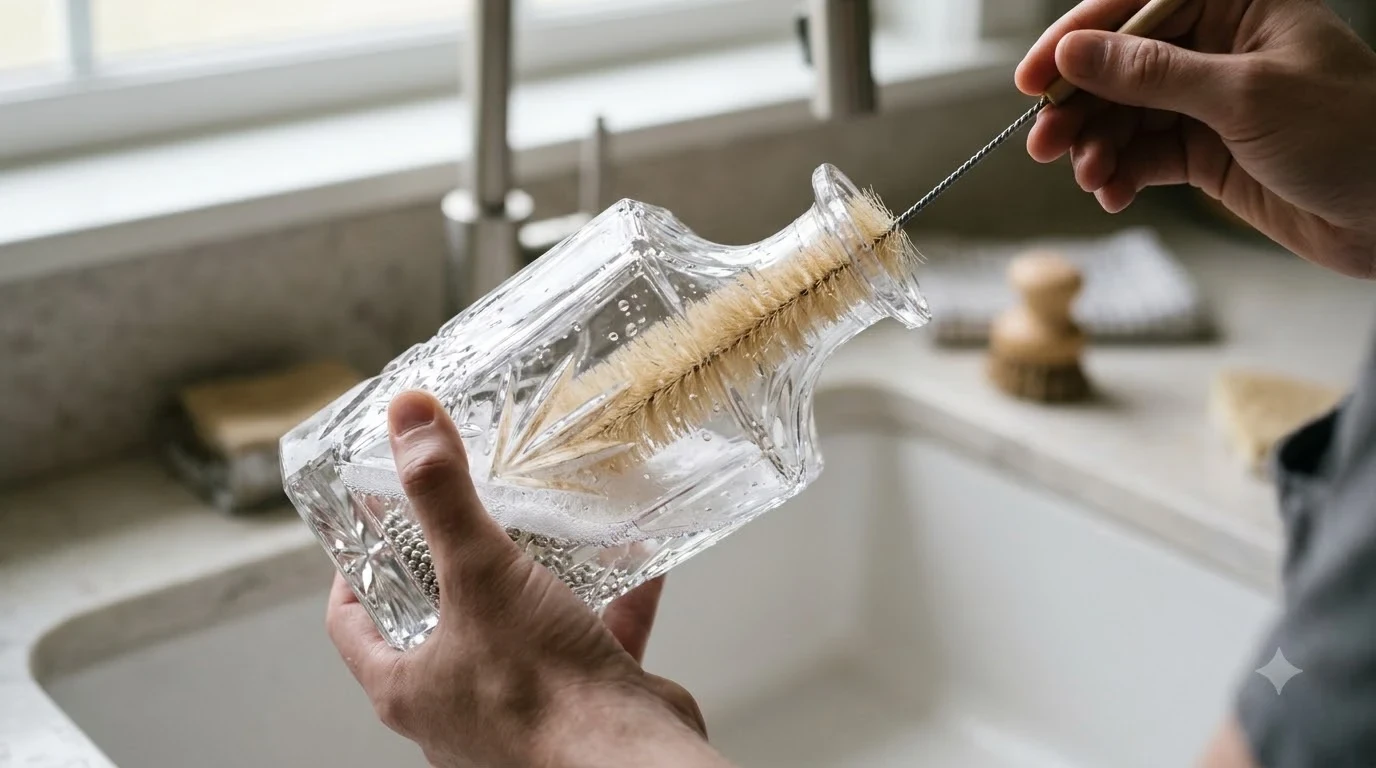
Handwashing a broad vessel can be awkward because its interior may be difficult to reach with an ordinary sponge. A narrow neck can also make drying more complicated. SPIEGELAU does not recommend bottle cleaners for the Highline model, so buyers should not automatically assume that a long-handled brush is suitable for every design.
Large dimensions require storage planning
The Highline’s maximum diameter of approximately 10.433 inches is substantial. Although the vessel is designed to hold one standard bottle, its broad footprint can take up significant cabinet or counter space. Its overall height of approximately 10.236 inches also makes shelf clearance important.
Style is narrower, but its height of approximately 10.83 inches still requires suitable storage space. Lifestyle has a similar height to Highline and a maximum diameter of approximately 9.449 inches. Checking shelf clearance and available cabinet width before purchasing can prevent an otherwise attractive item from becoming inconvenient to store.
Storage also involves protecting the rim and body from contact with other glassware. A decanter should not be squeezed between bottles, cookware, or heavy serving pieces. A dedicated shelf or protected cupboard position is a sensible arrangement.
Fragility cannot be eliminated
Crystal glass can break when dropped or knocked against hard objects. A broad decanter can be especially awkward to handle when full because the weight of the wine is distributed across a relatively large vessel. A secure grip and stable pouring position are important.
The Highline’s handmade construction may appeal to collectors, but its handwashing requirement means that it is not the most convenient choice for every household. The Lifestyle model is easier to integrate into a dishwasher-based cleaning routine, although proper loading and spacing remain important.
Another limitation is that a beautiful decanter cannot guarantee that every wine will taste better after aeration. Some wines respond positively to oxygen, while others can lose their freshness or delicate aromas if exposed for too long. The vessel is a serving tool, not a substitute for understanding the wine being poured.
Who Should Buy and Who Should Skip a SPIEGELAU Decanter
A SPIEGELAU decanter makes the most sense for wine drinkers who regularly serve bottles at the table, enjoy attractive crystal glassware, or want a dedicated vessel for aeration and sediment separation. Buyers who rarely open wine or strongly prefer low-maintenance kitchen equipment may find a decanter unnecessary.
The Highline is the strongest fit for someone who appreciates handmade crystal and wants a dedicated 750 ml vessel for a standard bottle. It is particularly suitable for formal dining, thoughtful wine service, and occasions where the decanter itself contributes to the presentation. Its handwashing requirement is a trade-off that should be considered before purchasing.
Lifestyle is more appropriate for someone who prefers decorative detailing and easier routine care. Its dishwasher-safe designation and machine-made construction make it a practical choice for regular entertaining. The 750 ml capacity also keeps it closely aligned with ordinary bottle sizes.
Style suits buyers who prefer a 1-liter vessel and a simpler, taller silhouette. It offers more capacity than the two 750 ml examples, although its handwashing requirement means it is not necessarily the easiest choice for everyday cleanup.
Buy Highline if craftsmanship comes first
Highline is worth considering if handmade crystal and presentation are the main priorities. Its broad shape also gives it useful potential for aerating young, structured reds. Cabernet Sauvignon, Syrah, and other tannic wines are common candidates for this kind of service.
However, a buyer who wants a decanter that can be cleaned quickly in the dishwasher should look elsewhere in the SPIEGELAU range. The manufacturer’s handwash-only instruction is clear, and the broad design also deserves a dedicated storage location.
Buy Lifestyle if convenience matters
Lifestyle is a sensible choice for buyers who want a 750 ml decanter without committing to a handmade, handwashed model. Its machine-made construction and dishwasher-safe designation make it attractive for more frequent use.
The diamond-inspired appearance is also a benefit for people who want decorative glassware that works for wine, cocktails, or water service. Its capacity remains practical for a standard bottle, making it a versatile option for smaller gatherings.
Skip a decanter if your wine rarely needs one
Many everyday wines can be served directly from their bottles. A decanter is most useful when a wine needs aeration, contains sediment, or benefits from a more deliberate serving presentation. Someone who primarily drinks light, immediately approachable wines may not use one often enough to justify the additional cleaning and storage.
There is also little reason to buy an especially broad vessel solely because it looks impressive. If the wine is already expressive, prolonged exposure to oxygen may be unnecessary. A simpler serving carafe or direct pouring into appropriate wine glasses may be more practical.
Buyers who already own suitable crystal wine glasses should also consider whether the decanter fills a genuine gap in their collection. A coordinated set is attractive, but the quality of the wine service depends more on appropriate glassware, temperature, and handling than on matching every piece.
How SPIEGELAU Compares to Other Decanter Options
SPIEGELAU’s main strength is the range of designs available within one manufacturer’s collection. Its products cover handmade and machine-made construction, standard bottle-sized capacities, larger serving vessels, and different approaches to decorative presentation.
The Highline, Lifestyle, and Style models demonstrate three different priorities. Highline focuses on handmade crystal and a broad, sculptural presence. Lifestyle combines decorative detailing with machine-made convenience. Style provides a larger 1-liter capacity in a more restrained shape.
Instead of comparing the brand with an unrelated product that may have different dimensions or specifications, it is more useful to compare these actual SPIEGELAU models according to their intended roles.
| Comparison | Highline | Lifestyle | Style |
|---|---|---|---|
| Manufacturing priority | Handmade character | Consistent production | Consistent production |
| Bottle capacity | One standard bottle | One standard bottle | More than one standard bottle by capacity |
| Cleaning preference | Handwashing | Dishwasher | Handwashing |
| Appearance | Sculptural and broad | Decorative and textured | Tall and restrained |
| Primary advantage | Handmade presentation | Everyday convenience | Additional capacity |
| Main compromise | Care and storage | Less individual handmade character | Handwashing requirement |
The Lifestyle model is arguably the most straightforward everyday option of the three. Its capacity matches a standard bottle, its construction is machine-made, and its dishwasher-safe designation reduces the amount of manual cleaning required. Those characteristics are useful for households that entertain regularly.
Highline is the more distinctive option for buyers who value handmade production. Its broad footprint and clear crystal appearance create a stronger table presence, but the handwashing requirement makes it less convenient for quick cleanup. It is better considered a dedicated serving piece than a disposable convenience item.
Style is the logical choice when additional capacity matters more than a broad aeration surface. Its 1-liter volume provides greater room than a standard bottle requires, although its tall design and handwashing instructions should be considered before buying.
Choosing the right capacity
For one bottle shared among two to five people, a 750 ml vessel is generally sufficient. The Highline and Lifestyle both meet that requirement. The decision then becomes a question of manufacturing, appearance, and maintenance.
For larger gatherings, a 1-liter model offers extra flexibility. It can accommodate a standard bottle with additional headroom, which may be useful when serving a fuller-bodied red or transferring wine from another container. A larger vessel can also be useful when serving more than one standard bottle, provided the combined volume remains within its capacity.
Buyers who regularly serve several different wines may find that owning two smaller decanters is more useful than relying on one large vessel. Separate containers allow different wines to be prepared at different times and reduce the chance of mixing residual aromas or sediment between bottles.
Choosing the right wine glasses
A decanter is only one part of a complete wine-serving setup. The drinking glass still plays an important role in directing aromas and allowing the wine to develop in the glass. For example, a broad-bowled glass is often a useful choice for structured red wines, while a narrower bowl can help preserve the freshness of many lighter whites.
Someone building a complete serving collection may want to compare red wine glasses alongside the decanter. Sparkling wine drinkers can also consider dedicated champagne flutes for bottles that are better served directly rather than transferred into a traditional decanter.
The SPIEGELAU range is broad enough that buyers can select different styles without sacrificing the visual consistency of clear crystal glassware. The most effective setup is one that matches the wines actually served, the number of guests, and the amount of maintenance the owner is comfortable performing.
Care, Cleaning, and Using a SPIEGELAU Decanter
Proper care is essential for keeping a crystal decanter clear and attractive. The most important rule is to follow the cleaning instructions for the specific model rather than assuming that every SPIEGELAU product can be treated identically.
For the Highline and Style models, the manufacturer specifies handwashing. Lifestyle is identified as dishwasher safe. These distinctions should guide the cleaning routine from the beginning, particularly because the brand’s decanters vary considerably in shape and opening size.
For a handwashed decanter, start by rinsing the vessel promptly after use. Allowing red wine residue to dry inside can make cleaning more difficult, particularly around the bottom and narrow neck. Use clean water and avoid rough contact with hard objects that could scratch the surface.
Preventing cloudiness and residue
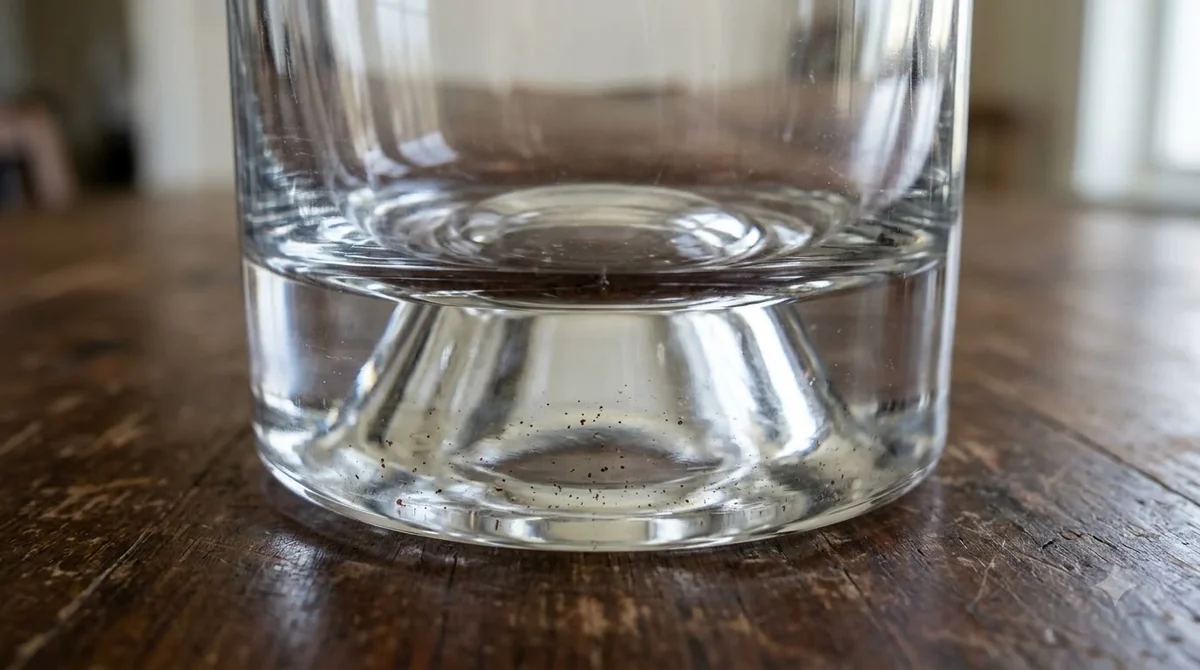
Mineral deposits from hard water can leave marks on clear glass. SPIEGELAU’s care guidance recommends soft water to help prevent stains and cloudiness on its glassware. A careful rinse after washing also reduces the chance of visible residue being left behind.
For dishwasher-safe pieces, make sure that the decanter is stable and does not touch other items during the cycle. The manufacturer recommends adequate spacing and, where available, appropriate support racks for glassware. Contact with metal or other glass can cause scratching.
The manufacturer’s dishwasher guidance for most SPIEGELAU glasses refers to at least 1,000 properly performed cycles without demonstrable changes to shine or clarity. That statement should not be interpreted as permission to put handwash-only decanters into a dishwasher. The individual product’s cleaning designation remains important.
Drying and storage
Drying can be challenging when the vessel has a broad body and a relatively narrow opening. After rinsing, drain the decanter carefully and allow sufficient airflow so that moisture does not remain trapped inside. Avoid forcing a cloth through an opening that is too small for safe access.
Store the decanter upright in a stable location where the rim cannot strike a shelf or another object. A protected cupboard with sufficient height and width is preferable to a crowded shelf. For the Highline, the approximately 10.433-inch maximum diameter makes adequate lateral clearance particularly important.
Do not stack heavy items on top of a decanter or place it beside cookware that could shift during ordinary kitchen use. If the vessel is kept on display, position it away from the edge of a counter or table where it could be knocked over.
Tip: Rinse a decanter soon after serving wine, then allow it to drain completely before storage. For an older red with sediment, clean the vessel before using it again so that residual deposits do not interfere with the next bottle.
Using the decanter correctly
The purpose of decanting should determine how the wine is transferred. Young, structured red wines are often decanted to increase exposure to air. Older bottles are more commonly transferred slowly to separate the clear wine from sediment.
Wine.com recommends approximately 30 to 60 minutes of aeration for young Cabernet Sauvignon, Petite Sirah, and Nebbiolo. These wines can benefit from additional air when their aromas seem closed immediately after opening. The exact time should be adjusted according to how the wine develops rather than following a rigid schedule.
For older reds, preparation is different. A bottle that has been stored horizontally should ideally stand upright for a day or two so sediment can settle. Pour slowly into the decanter with a light behind the bottle, and stop when sediment approaches the neck.
Decanter magazine also emphasizes that older wines can be more sensitive to prolonged exposure to oxygen. A mature Pinot Noir or another delicate red may be better served soon after careful transfer. A broad decanter is not automatically the right tool for every wine.
For a more detailed explanation of timing and serving technique, Wine.com’s guide to using a wine decanter explains the differences between aeration and sediment removal, including useful examples of wines that benefit from each approach.
For an additional practical reference, Decanter magazine’s decanting instructions explain how to use a light source and control the pour when separating older wine from sediment.
Frequently Asked Questions
Are SPIEGELAU decanters suitable for white wine?
Yes. Full-bodied whites such as Chardonnay, Viognier, and Marsanne can benefit from brief aeration in a suitable decanter. A very crisp, delicate white generally needs less exposure to air. Serve white wine at an appropriate temperature after transferring it, rather than allowing it to warm unnecessarily during a long period on the table.
Can a SPIEGELAU decanter be used for water or cocktails?
Clear crystal serving vessels can also be useful for non-wine beverages, provided the particular vessel is appropriate for the intended use. SPIEGELAU describes its Lifestyle glassware collection as suitable for wine, cocktails, and water. For heavily colored or sugary drinks, rinse the vessel promptly to reduce staining and residue.
Does decanting remove all wine sediment?
No. A careful pour can leave most settled sediment behind, but very fine particles may still enter the decanter. Some older wines also contain deposits that are difficult to distinguish from the wine itself. A steady pour and a light behind the bottle help the server decide when to stop transferring the liquid.
Does a decanter need a stopper?
A stopper is not essential for every serving situation. It can help limit additional exposure to air and protect the wine from dust or nearby odors while it rests. Some decanter designs are supplied with stoppers, while others are open vessels, so buyers who specifically want a covered design should check the individual product configuration.
Can a SPIEGELAU decanter be used for fortified wine?
Yes, a suitable crystal decanter can be used to serve fortified wines such as Port or Madeira. Vintage Port often develops sediment during bottle aging, making careful separation useful before serving. A smaller serving quantity and a vessel that is easy to pour from may be more practical than a large aeration-focused decanter for some fortified wines.
SPIEGELAU offers a convincing selection of crystal decanters, with the Highline, Lifestyle, and Style models covering different priorities in craftsmanship, convenience, and capacity. For most households, Lifestyle is a practical starting point, while Highline is the more distinctive handmade choice and Style suits buyers who want additional volume. The best purchase is the model that fits the wines being served, the available storage space, and the owner’s preferred cleaning routine.
More in Wine Glasses
 Zwiesel Glas Champagne Flutes for Durable Everyday Sparkling WineUpdated Nov 20, 2026
 Vera Wang Crystal Wine Glasses: Design, Quality and Buying AdviceUpdated Nov 20, 2026
 West Elm White Wine Glasses: Compare Designs for Better Everyday Wine ServiceUpdated Nov 20, 2026
 Zalto Stemless Wine Glasses: Discover Their Distinctive DesignsUpdated Nov 20, 2026
 Viski Champagne Glasses That Match Your Style and Sparkling WineUpdated Nov 20, 2026
 Vista Alegre Decanter Review: Crystal Style and Wine ServiceUpdated Nov 20, 2026