

We may earn a commission when you buy through links on this page, at no extra cost to you. Learn more.
Spiegelau champagne glasses are a strong choice for sparkling wine drinkers who want clear crystal glassware, elegant stems and specialized bubble-enhancing details. The brand offers several shapes, including traditional flutes, wider Champagne glasses and coupes, across collections such as Definition, Authentis and Winelovers. The standout feature is the Spiegelau Perlage Driver, a small textured point inside the bowl designed to encourage a continuous stream of bubbles. The best option depends on whether presentation, aroma development or everyday practicality matters most.
Champagne glassware can change the way a sparkling wine looks and smells before the first sip. A tall flute emphasizes the rising bubbles, while a wider bowl gives aromas more room to develop. Spiegelau offers both approaches, making its range worth considering for anyone building a home bar, replacing mismatched stemware or choosing glasses for a special celebration. This review examines the available designs, their construction, practical advantages and limitations, and how to select the right collection.
Spiegelau Champagne Glasses: Specs and Key Features
Spiegelau’s Champagne collection covers several different serving styles rather than relying on one universal flute. Its Definition, Authentis and Winelovers collections offer distinct designs, with crystal construction, stemmed profiles and the manufacturer’s Perlage Driver appearing among the important features.
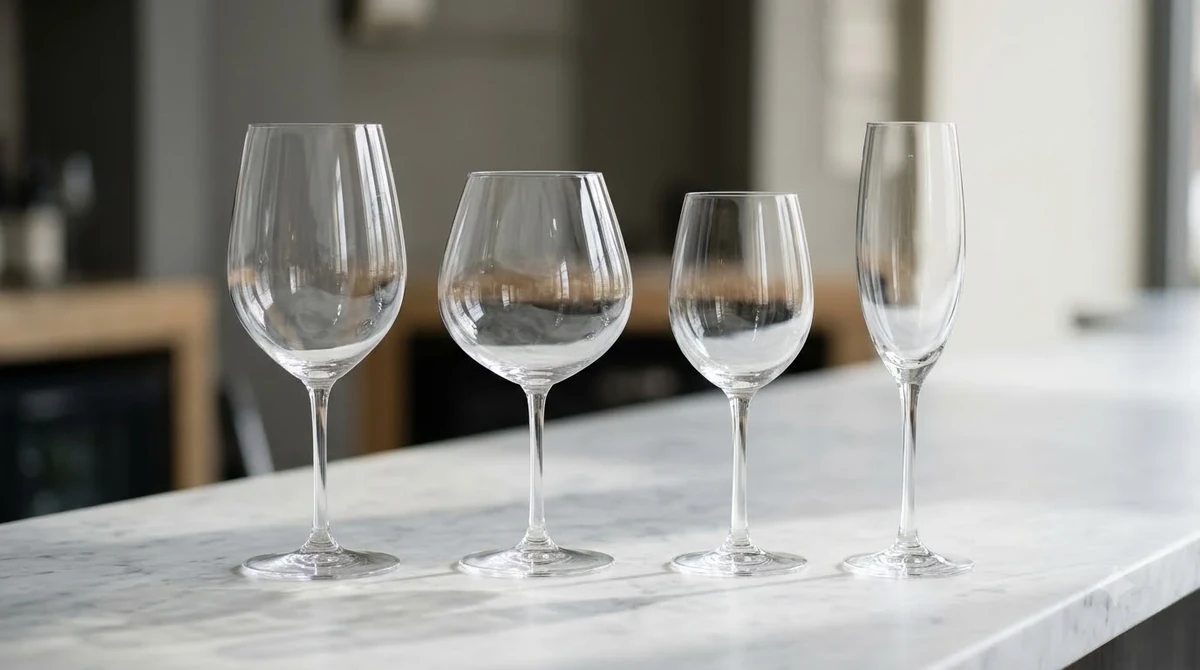
One particularly useful example is the Definition Champagne Glass, product number 1350479. According to Spiegelau’s official product listing, this glass measures 242 mm tall, has an 80 mm maximum diameter and is made from clear crystal glass using premium machine-made production. Its shape is intended to combine a refined appearance with practical balance, while the Perlage Driver provides a designated point for bubble formation. The manufacturer also identifies the glass as dishwasher safe.
The following specifications provide a useful starting point when comparing the Definition glass with other Spiegelau sparkling wine options. Measurements are manufacturer-published rather than estimates based on photographs.
| Specification | Definition Champagne Glass |
|---|---|
| Product number | 1350479 |
| Collection | Definition |
| Material | Crystal glass |
| Manufacturing | Premium machine-made |
| Height | 242 mm / 9.53 inches |
| Maximum diameter | 80 mm / 3.15 inches |
| Construction | Stemmed |
| Special feature | Perlage Driver |
| Packaging | Four-piece value pack listing |
| Dishwasher safe | Yes, according to manufacturer |
These measurements are useful because height and diameter affect more than appearance. A glass standing approximately 9.5 inches tall needs adequate cabinet clearance, while its 3.15-inch maximum diameter influences how much space it occupies on a dining table. The four-piece package is also a practical consideration for households that regularly entertain couples or small groups.
Another defining characteristic is the Perlage Driver. The name refers to a deliberately created mousse point inside the bowl. This small feature provides a nucleation point where carbon dioxide can form visible bubbles. It is not a mechanical carbonation system, and it cannot restore fizz to an already flat bottle. Instead, it influences how bubbles appear as sparkling wine is served.
Spiegelau’s official product information describes the Definition range as lightweight and balanced, with thinly blown profiles achieved through premium machine production. That construction is intended to offer an elegant drinking experience without requiring every glass to be individually handmade. For buyers who want a refined appearance but prefer consistent production, this is an important distinction.
For the wider brand picture, the Glassware Brands overview provides additional context on the different manufacturers and design approaches available in the wine-glass market.
What Owners and Everyday Drinkers May Appreciate
The strongest reasons to consider Spiegelau are its range of glass shapes, clear crystal presentation and practical design details. These characteristics make the brand appealing to people who want Champagne glasses that work for more than a single annual celebration.
Crystal clarity is one of the first advantages. Transparent glass allows the color of sparkling wine to remain visible, from the pale straw appearance of a traditional Brut Champagne to the light golden tones of aged sparkling wine. It also makes the movement of bubbles easier to observe. That visual detail is particularly attractive during a dinner party or celebratory toast.
The Perlage Driver adds another interesting feature. Many sparkling wine drinkers enjoy watching a continuous stream of bubbles rise from the bottom of a glass. Spiegelau deliberately incorporates a small mousse point to encourage this effect. It provides a recognizable design characteristic without introducing decorative elements that obstruct the view of the wine.
Glass balance is another important consideration. A Champagne glass needs to feel comfortable when held by its stem and remain reasonably stable when placed on a table. Spiegelau describes its Definition glassware as lightweight and balanced, qualities that suit formal dining as well as ordinary home entertaining. The thin profile also gives the glass a more delicate appearance than heavier everyday tumblers.
The available collections make it easier to coordinate different types of stemware. Someone who already owns Spiegelau Definition red wine glasses can choose the corresponding Champagne glass for a consistent table setting. The same principle applies to Authentis and other compatible collections. This is useful when setting up a dinner service where the glasses should look related without being identical.
Another practical advantage is the manufacturer’s dishwasher-safe designation for the Definition Champagne Glass. This makes routine cleanup more convenient than with glassware that requires hand-washing. However, dishwasher-safe does not mean unbreakable. Thin stems and delicate rims still require careful handling, particularly when glasses are being loaded and unloaded.
Spiegelau also offers different package configurations across its glassware range. The Definition Champagne Glass product listing identifies a four-piece value pack, while other products and older catalog listings can have different packaging quantities. Buyers planning a larger celebration should compare the number of glasses included rather than assuming every collection comes in the same set size.
There is also an aesthetic advantage to selecting a dedicated Champagne glass instead of using whichever wine glass happens to be available. A coordinated stem, appropriate bowl proportions and a clear finish help create a more considered presentation. For people who enjoy hosting, these details can make a difference even when the wine itself remains the main attraction.
Common Complaints and Potential Limitations
Spiegelau Champagne glasses have several appealing features, but their delicate construction and shape-specific limitations deserve attention. The most important potential drawbacks involve breakage, storage, aroma performance and the fact that no single Champagne glass suits every sparkling wine style.
The first concern is fragility. A thin crystal bowl and slender stem can be more vulnerable to impact than a thick-walled everyday glass. Even when a manufacturer describes a product as durable or dishwasher safe, glass remains breakable. A collision with a metal utensil, another glass or a hard countertop can cause damage. The rim is especially important because even a small chip can make a glass unsuitable for drinking.
Storage can also be inconvenient. Tall Champagne flutes and stemmed sparkling wine glasses need more vertical clearance than ordinary tumblers. A glass measuring 242 mm tall, for example, may not fit comfortably inside a low cabinet shelf. Buyers should measure their storage space before purchasing several matching sets.
Shape is another limitation. A traditional flute is excellent for showing off the upward movement of bubbles, but its narrow opening restricts the release of aromas. Serious Eats, in its comparison of 14 Champagne glasses, found that tulip-shaped designs generally offered more expressive aromas than narrow flutes. The publication also consulted master sommelier Scott Carney about the relationship between bowl shape and sparkling wine enjoyment.
This distinction matters for expensive vintage Champagne or complex traditional-method sparkling wine. A narrow flute can make a toast look elegant, but it may not offer the same aromatic experience as a wider glass. A dedicated Spiegelau flute should therefore be selected for its particular strengths rather than assumed to be the ideal vessel for every bottle.
There is also the issue of the Perlage Driver’s limitations. The feature encourages bubble formation, but it does not determine the wine’s original carbonation level. Sparkling wine that has lost most of its dissolved carbon dioxide will not become lively again simply because it is poured into a glass with a mousse point. Freshness, bottle condition and appropriate storage remain important.
Finally, collection names and product numbers can be confusing. Spiegelau has offered multiple Champagne-related designs over time, and products such as Authentis, Definition, Winelovers and Willsberger Anniversary are not interchangeable. A buyer who orders by appearance alone could receive a glass with a different capacity or bowl shape than expected. Comparing the exact product number and published dimensions is a sensible precaution.
These limitations do not make Spiegelau a poor choice. They simply mean that buyers should match the glass to their drinking habits, storage arrangements and expectations. Someone who primarily wants a sturdy glass for crowded parties may have different priorities from someone who wants to appreciate the aromas of mature Champagne at a quiet dinner.
Who Should Buy Spiegelau and Who Should Skip It
Spiegelau is particularly suitable for people who value clear crystal presentation, specialized sparkling wine shapes and coordinated stemware. It is less suitable for anyone who prioritizes rough handling tolerance or wants one inexpensive glass for every beverage.
Who should consider buying
Champagne enthusiasts who enjoy traditional-method sparkling wines are a natural audience. A suitable bowl can help express the aromas of Champagne, Cava and other wines made through secondary fermentation in the bottle. For those who prefer a traditional toast, a flute offers the familiar tall silhouette and visible streams of bubbles. Buyers who prefer more aromatic detail can consider a wider Champagne glass or a tulip-like alternative within the brand’s broader wine-glass range.
Home entertainers may also appreciate the coordinated appearance of Spiegelau collections. Matching glassware looks appropriate at formal dinners, holiday gatherings and wedding celebrations. The ability to combine Champagne glasses with corresponding red and white wine glasses is particularly useful for households that serve several wine styles during the same meal.
People who prefer modern machine-made crystal should also consider the brand. The Definition range combines premium machine production with a lightweight appearance. This provides an alternative to heavier glasses and individually handmade products while maintaining a refined visual style.
Who should skip it
Buyers who regularly use glassware in crowded outdoor settings may prefer thicker, less delicate vessels. A thin stemmed Champagne glass is not the most forgiving option for a busy picnic, poolside gathering or large event where glasses are frequently moved between tables. Even a dishwasher-safe glass can break during loading or unloading.
People who primarily drink sparkling wine for its aroma rather than its visual presentation should also compare wider-bowled options. A narrow flute may not be their ideal everyday choice. A tulip-shaped glass or suitable white wine glass can offer more room for the wine to express itself.
Minimalist households with limited cabinet space may prefer a smaller collection of versatile wine glasses rather than several specialized Champagne designs. If the available shelf space cannot accommodate a glass approximately 9.5 inches tall, a different shape may be more practical.
Similarly, buyers who want completely casual, stackable drinkware should look beyond delicate stemmed crystal. Spiegelau’s appeal is closely tied to its refined glass profiles, which are not intended to function like heavy-duty restaurant tumblers.
Tip: Before ordering, measure your cabinet’s usable height and the width of the shelf. A glass that looks compact in a product photograph can require considerable vertical and horizontal storage space once several matching pieces are arranged together.
How Spiegelau Compares to Alternative Champagne Glass Shapes
Spiegelau’s main advantage is the availability of multiple sparkling wine shapes, but the right choice depends on the wine and the occasion. Flutes, tulips and coupes each serve a different purpose, and comparing their characteristics is more useful than assuming one shape is universally superior.
The flute remains the familiar choice for celebrations. Its narrow bowl emphasizes rising bubbles and creates an elegant appearance when several glasses are arranged together. Spiegelau’s Authentis Champagne Flute is specifically designed for light, fresh and dry Champagne, Prosecco and sparkling wines. Its slender profile and Perlage Driver make it a logical option for people who appreciate the traditional presentation.
A wider tulip provides a different experience. The bowl opens outward before narrowing toward the rim, allowing aromas to develop while retaining more of the wine’s carbonation than a broad coupe. Debecker’s comparison of Champagne glasses describes this shape as particularly suitable for Champagne and aged Cava. It is an appealing choice when the complexity of the wine matters more than maintaining the classic flute appearance.
The coupe is the most visually distinctive alternative. Its shallow bowl creates a vintage-inspired presentation and works well for cocktails, desserts and decorative serving. However, the broad opening allows carbonation to escape relatively quickly. For sparkling wine drinkers who want to preserve bubbles and appreciate aromas, a coupe is generally a less practical everyday choice.
Serious Eats provides useful independent context in its Champagne glass comparison and testing. Its findings favor tulip-shaped designs for aromatic enjoyment, while recognizing that flutes have advantages for visual presentation and sustained visible carbonation. This is a helpful reminder that a glass should be judged according to its intended use.
Spiegelau’s range also offers a useful way to coordinate different glass shapes within one household. Someone who enjoys Prosecco at informal gatherings and mature Champagne at dinner may prefer different vessels for each situation. A narrow flute can handle a casual celebratory pour, while a wider bowl provides more room for complex aromas.
People building a broader collection can also compare wine glasses and specialized Champagne flutes to understand how different bowl proportions influence everyday serving. Those who entertain frequently may also benefit from exploring red wine glasses that complement their Champagne collection.
There is no need to purchase every shape immediately. A household that mainly drinks fresh, young sparkling wine can begin with a suitable flute. A household that regularly serves vintage Champagne may prefer a more open bowl. The most practical collection is the one that reflects the wines actually served rather than the number of available glass designs.
Serving, Cleaning and Storing Spiegelau Champagne Glasses
Good glassware works best when it is paired with suitable serving temperatures and careful maintenance. Chilling sparkling wine properly, pouring at a controlled pace and keeping glass surfaces clean all contribute to a better drinking experience.
For most sparkling wines, a serving temperature around 40–50°F is a useful starting range. A lighter, fresh Prosecco or straightforward Brut Champagne can be served toward the cooler end, while more complex sparkling wines may benefit from slightly warmer service. Excessively cold wine can suppress aromas, so there is little advantage in leaving every bottle in the coldest part of the refrigerator until it is nearly frozen.
Pouring technique also matters. Tilt the glass slightly and pour slowly down the inside of the bowl rather than dropping a large quantity directly into the center. This helps control foam and reduces the chance of overflowing. A moderate pour leaves room for aromas and makes the glass easier to handle. Filling a flute to around two-thirds capacity is a practical serving guideline.
Cleanliness is especially important with sparkling wine. Grease, detergent residue and other films can interfere with the formation and appearance of bubbles. Rinse glasses thoroughly after washing and avoid handling the inside of the bowl with bare fingers. A clean, dry surface allows the wine’s natural carbonation to remain the focus.
Spiegelau lists the Definition Champagne Glass as dishwasher safe. That is convenient for regular entertaining, but careful loading is still important. Position glasses securely so that they cannot strike one another during a wash cycle. Avoid placing a delicate stem where a large plate, pot or utensil could move into it.
Hand-washing is a reasonable alternative when a glass is particularly delicate or when the dishwasher arrangement is crowded. Use lukewarm water, a mild cleaning product and a soft cloth. Hold the bowl carefully rather than twisting the stem while cleaning. Applying pressure between the bowl and stem can create unnecessary stress at their connection point.
Drying requires similar care. A clean lint-free cloth can remove water spots, but avoid twisting the bowl and stem in opposite directions. It is better to support the bowl with one hand and dry the exterior gently than to apply pressure to the narrowest part of the glass.
For storage, use a cabinet or dedicated glass rack that keeps each piece separated. Stacking stemmed glasses is generally not advisable because pressure can damage the rim or stem. Upright storage is usually practical if the cabinet is clean and free of dust. If glasses are stored upside down, ensure the rim rests on a clean, stable surface without excessive pressure.
Handle glasses by the stem when possible, especially after filling them with chilled sparkling wine. Holding the bowl for extended periods transfers heat from the hand to the wine. The stem also keeps fingerprints away from the main viewing area, which helps preserve the clear presentation of the crystal.
Finally, inspect each glass before serving. A chipped rim, loose-looking stem or visible crack is a reason to retire that piece rather than risk using it. Careful handling and sensible storage can help maintain the appearance of Spiegelau glassware for many occasions.
Frequently Asked Questions
What is the Spiegelau Perlage Driver made to do?
The Perlage Driver is a deliberately positioned mousse point inside the glass that acts as a nucleation site for carbon dioxide bubbles. Spiegelau uses the feature to encourage a continuous stream of bubbles and create a more visually engaging sparkling wine presentation. The feature does not add carbonation to the wine or replace proper bottle storage.
Are Spiegelau Champagne glasses suitable for nonalcoholic sparkling wine?
Yes. The glass shapes can also serve nonalcoholic sparkling wine, sparkling grape juice and other carbonated drinks. The Perlage Driver can encourage visible bubble formation when the beverage contains dissolved carbon dioxide. A clean, appropriately sized glass also provides an attractive presentation for celebratory alcohol-free drinks.
Can Spiegelau Champagne glasses be used for sparkling cocktails?
Yes, a suitable flute or coupe can serve sparkling cocktails, depending on the recipe and desired presentation. A flute works for simple sparkling combinations, while a coupe is useful for cocktails that benefit from a broad opening. For drinks containing fruit, ice or additional ingredients, the bowl size and opening should be considered before serving.
Does a larger Champagne glass make sparkling wine lose its carbonation immediately?
No. A wider opening generally allows carbon dioxide to escape more quickly, but the wine does not instantly become flat. The actual rate depends on several factors, including temperature, the wine’s carbonation and how much surface area is exposed. A tulip-shaped glass is designed to balance aromatic expression with a narrower opening.
Can Spiegelau Champagne glasses be used for other wines?
Some wider sparkling wine glasses can serve light white wines or other aromatic drinks, depending on their bowl proportions. A traditional narrow flute is less versatile because its small opening restricts swirling and aroma release. For regular red wine service, a dedicated Bordeaux, Burgundy or universal wine glass is generally a more suitable option.
Spiegelau Champagne glasses combine crystal clarity, elegant proportions and practical features such as the Perlage Driver, with several collections offering different approaches to sparkling wine service. The best purchase depends on whether the priority is a traditional flute, a more aromatic bowl or a coordinated collection for entertaining. Compare the exact product dimensions and glass shape before choosing, and handle the finished pieces carefully to keep them ready for the next celebration.
More in Wine Glasses
 Zwiesel Glas Champagne Flutes for Durable Everyday Sparkling WineUpdated Nov 20, 2026
 Vera Wang Crystal Wine Glasses: Design, Quality and Buying AdviceUpdated Nov 20, 2026
 West Elm White Wine Glasses: Compare Designs for Better Everyday Wine ServiceUpdated Nov 20, 2026
 Zalto Stemless Wine Glasses: Discover Their Distinctive DesignsUpdated Nov 20, 2026
 Viski Champagne Glasses That Match Your Style and Sparkling WineUpdated Nov 20, 2026
 Vista Alegre Decanter Review: Crystal Style and Wine ServiceUpdated Nov 20, 2026