

We may earn a commission when you buy through links on this page, at no extra cost to you. Learn more.
The best sparkling wine substitute depends on how you are using the bottle: swap in Crémant, Cava, or dry Prosecco at a 1-to-1 ratio for toasting and cocktails, use dry still white wine for savory pan sauces and risotto, or choose dealcoholized sparkling wine and sparkling white grape juice for zero-proof pours. Because sparkling wine brings three distinct traits to a recipe or glass—crisp acidity, dissolved carbon dioxide, and subtle fruit or brioche notes—matching the primary role of the bubbles prevents flat sauces, overly sweet spritzes, or unbalanced baked goods.
Running out of bubbly mid-recipe or hosting guests who prefer alcohol-free pours does not require a last-minute trip to the wine shop. Whether you need a crisp pour for a brunch mimosa, a deglazing liquid for steamed clams, or a festive non-alcoholic toast, choosing the right swap comes down to separating flavor from fizz.
What Sparkling Wine Does in a Glass or Recipe
Sparkling wine combines high natural acidity, moderate alcohol, and trapped carbonation to lift heavy flavors on the palate and lighten batters or sauces in the kitchen. Identifying which of those elements your recipe or drink relies on makes choosing a replacement straightforward.
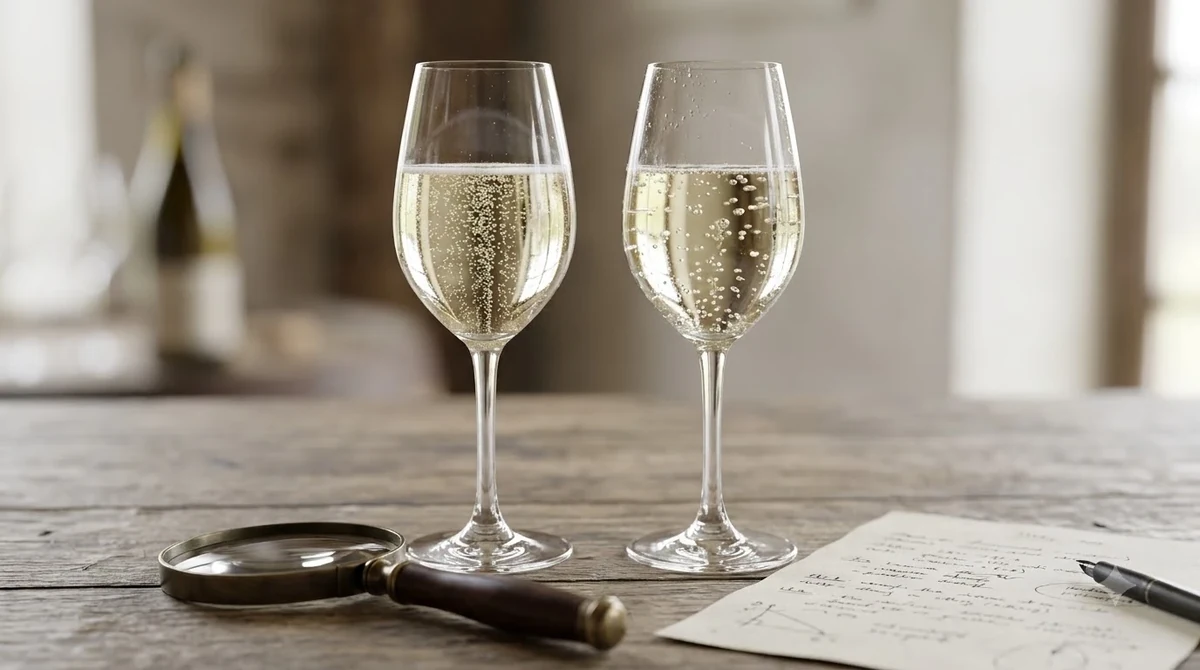
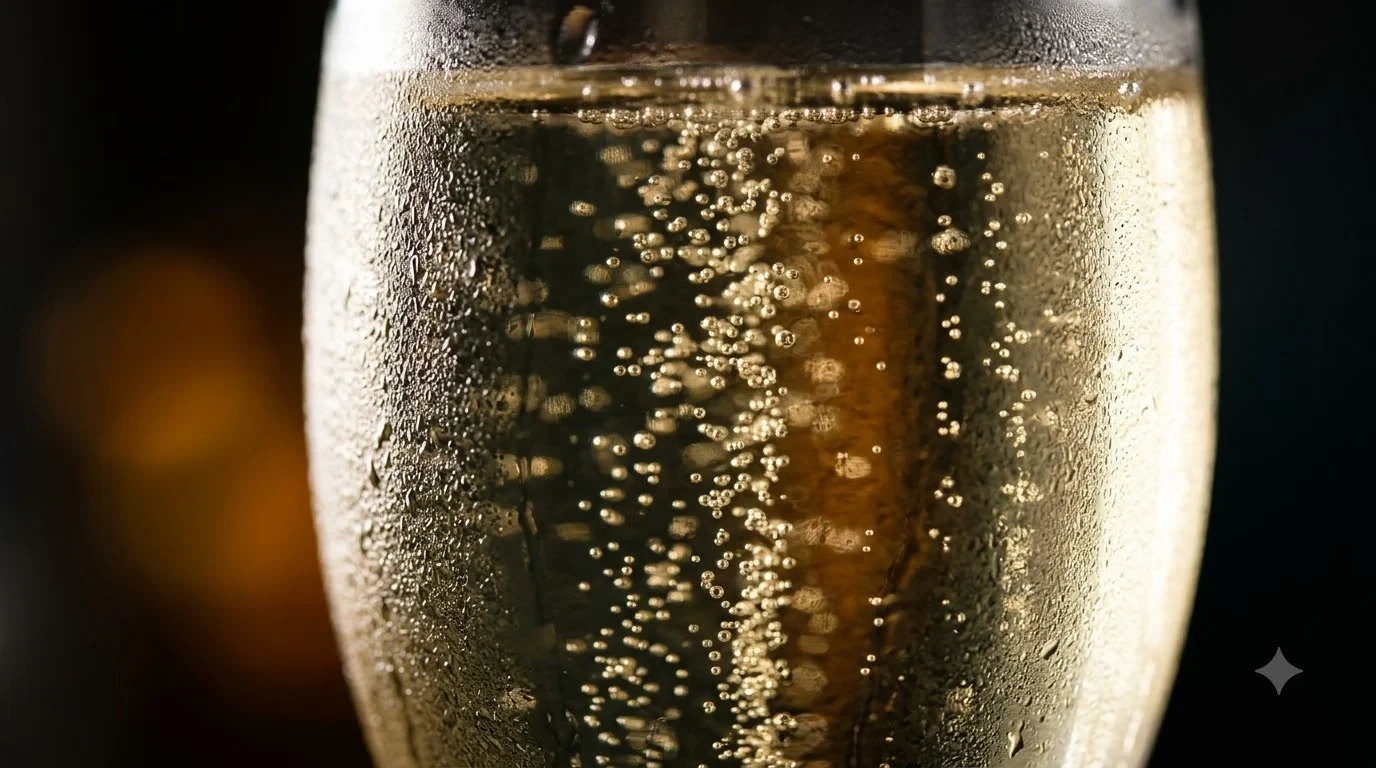
When poured chilled into a flute or tulip glass, dissolved carbon dioxide rises to the surface and carries aromatic compounds—green apple, lemon peel, white peach, or toasted brioche—straight to the nose. That effervescence also scrubs fat and salt from the tongue, which is why sommeliers pair brut sparklers with fried foods, triple-cream cheeses, and rich hors d’oeuvres. Any drinking substitute needs either real carbonation or bright, mouthwatering acidity to replicate that refreshing sensation.
In the kitchen, the bubbles behave very differently depending on heat. Once sparkling wine hits a hot skillet for a pan sauce or simmers in a pot of risotto, the carbonation escapes almost immediately, leaving behind crisp acidity, concentrated fruit, and subtle yeast complexity. By contrast, cold preparations like mignonette sauces, fruit gelées, and chilled sabayons rely on intact bubbles for texture, while quick batters for tempura or waffles use trapped gas to create airy lift before the starch sets.
Sparkling Wine Substitutes by Use Case
Matching your substitute to the specific culinary or beverage job ensures you never waste an expensive bottle on a simmered sauce or ruin a cocktail with flat wine. Use the reference table below to pick the cleanest 1-to-1 swap for your scenario.
| Use Case | Best Sparkling Wine Substitute | Swap Ratio | Key Adjustment |
|---|---|---|---|
| Toasting and solo sipping | Crémant, Cava, or Franciacorta | 1:1 | Chill thoroughly before opening to preserve fine bubbles |
| Brunch cocktails and spritzes | Prosecco, Cava, or dry hard cider | 1:1 | Reduce added simple syrup if using fruit-forward Prosecco |
| Savory pan sauces and risotto | Sauvignon Blanc, Pinot Grigio, or dry Vermouth | 1:1 | Add a small squeeze of lemon if the still wine tastes soft |
| Tempura batter and waffles | Club soda, seltzer, or light lager beer | 1:1 | Use ice-cold liquid and fold in right before cooking |
| Zero-proof toasts and mocktails | Dealcoholized sparkling wine or verjus with club soda | 1:1 | Avoid sugary sodas unless replacing a sweet Demi-Sec wine |
| Baking cakes and frostings | Sparkling white grape juice or ginger ale | 1:1 | Trim recipe sugar slightly to offset juice sweetness |
Notice that the ratio stays 1-to-1 across almost every category, because volume and acidity balance matter more than replicating exact grape varieties. When moving between alcoholic and non-alcoholic options, pay close attention to residual sugar: a standard Brut sparkling wine tastes dry and crisp, whereas standard fruit juices and ginger ale carry noticeable sweetness that can throw off savory dishes or dry cocktails.
If you are browsing Wine by Type to restock your bar cart, keeping a bottle of dry Spanish Cava or French Crémant on hand covers nearly every culinary and cocktail emergency. Both styles deliver authentic bottle-fermented character without the steep markup of prestige cuvées.
Best Wine Substitutes for Drinking and Cocktails
When a cocktail recipe or celebration calls for Champagne or generic sparkling wine, other regional sparklers step in effortlessly without altering the drink’s balance. Focus on matching the sweetness level—typically Brut for dry drinks—rather than chasing a specific label.

As detailed in Wine Folly’s guide to Champagne alternatives, French Crémant—such as Crémant d’Alsace, Crémant de Bourgogne, or Crémant de Limoux—uses the exact same traditional bottle-fermentation method as Champagne, yielding creamy mousse and subtle brioche notes. Spanish Reserva and Gran Reserva Cava, aged on the lees for at least 15 to 30 months, bring crisp green apple, lemon peel, and chalky mineral backbone that hold up beautifully in a French 75 or Kir Royale. Italian Metodo Classico bottles from Franciacorta or Trento DOC offer similarly fine bubbles and nutty depth for formal toasts.
For casual spritzes, bellinis, and brunch pitchers, tank-fermented Italian Prosecco—especially Prosecco Superiore from Valdobbiadene—provides lively orchard fruit and softer acidity. Cocktail editors at Wine Enthusiast note that swapping Champagne, Prosecco, and Cava in classic bubbly cocktails works smoothly, though fruit-forward sparklers may slightly shift the drink’s dryness. If you want a pink hue for festive brunch pours, learning what is sparkling rose will help you pick a dry rosé Cava or Crémant that brings bright strawberry and citrus notes without cloying sweetness.
Tip: Never shake sparkling wine or carbonated substitutes inside a cocktail shaker—always build the base spirits and citrus over ice first, then top gently with cold bubbles in the glass.
Best Substitutes for Cooking and Deglazing
In savory cooking, heat drives off carbonation within seconds, meaning a crisp, unoaked still white wine performs identically to sparkling wine in pan sauces, steamed shellfish, and risotto. Skip expensive bubbles for the stove and reach for a dry white bottle with brisk acidity.
Sauvignon Blanc, Pinot Grigio, Albariño, and unoaked Chardonnay are ideal cooking stand-ins because they mirror the citrus and green-apple acidity of Brut sparkling wine without imparting heavy vanilla or oak flavors. When making risotto or deglazing a pan after searing scallops or chicken, pour in the still white wine at a 1-to-1 ratio and let it simmer until reduced by half so the alcohol cooks off cleanly. If your pantry only holds fortified wines, a splash of dry vermouth or a fino sherry substitute can also provide the savory, nutty edge needed to lift rich cream or butter sauces.
For cold culinary applications or airy batters where carbonation actually does mechanical work, still wine falls short. When making tempura batter, beer-battered fish, or lightened waffle batter, substitute plain ice-cold club soda or seltzer at a 1-to-1 ratio; the rapid release of carbon dioxide bubbles creates microscopic air pockets that crisp up immediately in hot oil or on a hot waffle iron.
Best Non-Alcoholic Sparkling Wine Substitutes
Whether you are accommodating designated drivers, pregnant guests, or sober-curious diners, modern zero-proof alternatives replicate the dry, celebratory snap of sparkling wine far better than sugary sodas. The trick is pairing clean effervescence with tart acidity rather than pure fruit sugar.
Dealcoholized sparkling wines—made by fermenting real base wine and gently removing the alcohol via vacuum distillation or spinning cone technology—retain authentic grape aromatics and dry palate structure. Look for bottles labeled “0.0% ABV” or “less than 0.5% ABV” in Brut or Extra Dry styles, and serve them icy cold to maximize their crispness. If you do not have a bottle of dealcoholized wine handy, mixing three parts chilled club soda with one part white verjus (unfermented green grape juice) creates an immediate, sophisticated table pour with genuine wine-grape acidity and zero added sugar.
For classic brunch drinks like non-alcoholic mimosas or spritzes, dry sparkling white tea, unsweetened sparkling apple cider, or dry kombucha diluted with seltzer deliver complex tannins and lively bubbles. Reserve conventional sparkling white grape juice or ginger ale for recipes that explicitly call for sweet Asti Spumante or Moscato d’Asti, as their high sugar content will overwhelm dry cocktail formulas.
Common Mistakes When Swapping Sparkling Wine
Even a well-chosen substitute can fall flat if you overlook temperature, sweetness levels, or timing. Avoiding three frequent missteps keeps your drinks lively and your sauces balanced.
First, serving warm substitutes destroys the illusion of real sparkling wine. Warm liquid releases carbon dioxide violently upon pouring, leaving you with a glass of flat wine or watery soda in under a minute; reviewing should sparkling wine be chilled ensures your replacement bottle hits the ideal refrigerator-cold range before you pop the cap. Second, substituting sweet sodas like Sprite or standard ginger ale into savory pan sauces will caramelize and scorch in the skillet while turning a delicate seafood broth into syrup.
Finally, never open a carbonated substitute ahead of time when using it for batters or cocktails. Unlike still wine, which benefits from breathing, sparkling substitutes lose their structural lift as soon as the cap comes off, so keep bottles sealed and chilled until the exact moment of assembly.
Frequently Asked Questions
Can I use regular white wine instead of sparkling wine in cooking?
Yes, dry still white wine such as Sauvignon Blanc or Pinot Grigio is the best 1-to-1 substitute for sparkling wine in cooked dishes. Because simmering heat immediately evaporates carbonation, the bubbles do not affect finished pan sauces, risottos, or poached seafood, while the still wine provides the exact same crisp acidity.
What is the best non-alcoholic substitute for sparkling wine in cocktails?
Dealcoholized Brut sparkling wine or a mix of three parts club soda to one part white verjus works best in cocktails. Both options deliver brisk acidity and lively carbonation without adding the heavy sugar found in ginger ale or standard sparkling grape juice.
Can I substitute Prosecco for Champagne in a mimosa or spritz?
Yes, Prosecco is an easy 1-to-1 substitute for Champagne in mimosas, Aperol spritzes, and other brunch cocktails. Because Prosecco leans slightly fruitier and softer than Champagne, consider dialing back any added simple syrup or sweet liqueur so the finished drink stays crisp.
What can I use instead of sparkling wine in tempura or cake batter?
For savory tempura or frying batters, replace sparkling wine with ice-cold club soda or seltzer at a 1-to-1 ratio to preserve the airy, crisp texture. For sweet baked goods like celebration cakes, use sparkling white grape juice or ginger ale at a 1-to-1 ratio and reduce the recipe’s granulated sugar slightly.
Choosing the right sparkling wine substitute comes down to matching the bottle’s job—bubbles and brisk acidity for chilled glasses, dry white wine for hot skillets, and tart zero-proof spritzers for alcohol-free toasts. Keep a bottle of dry Cava, Crémant, or club soda chilled in the fridge, and you will always have an effortless stand-in ready at a moment’s notice.
More in Wine Types & Grapes
 What Does Mourvèdre Taste Like? Flavor Profile, Regions, and PairingsUpdated Nov 20, 2026
 What Does Marsanne Taste Like? Flavors, Styles, and Food PairingsUpdated Nov 20, 2026
 What Does Malvasia Taste Like? Styles, Flavors, and Food PairingsUpdated Nov 20, 2026
 What Does Grenache Blanc Taste Like? Flavor Profile, Styles, and PairingsUpdated Nov 20, 2026
 What Does Garnacha Taste Like? Key Flavors, Styles, and Pairing TipsUpdated Nov 20, 2026
 What Does Fruit Wine Taste Like? A Complete Flavor and Style BreakdownUpdated Nov 20, 2026