

We may earn a commission when you buy through links on this page, at no extra cost to you. Learn more.
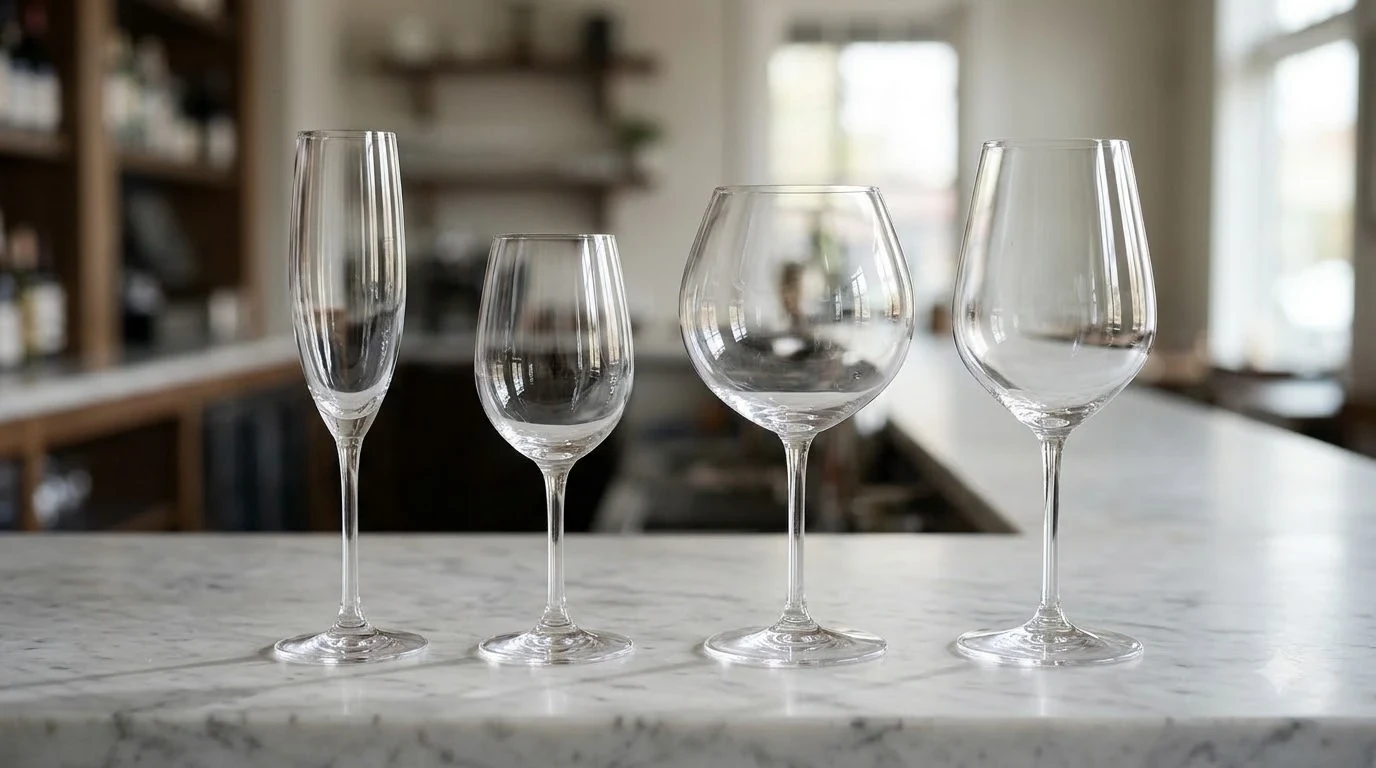
Sophienwald wine glasses are premium mouth-blown crystal stemware for wine drinkers who value lightweight construction, elegant design, and carefully shaped bowls. The Austrian brand offers two principal collections, Phoenix and Grand Cru, with options for red wine, white wine, and sparkling wine. Their main strengths are handmade craftsmanship, lead-free crystal, and generous capacities, while their premium positioning and delicate construction make them less suitable for buyers seeking inexpensive, heavy-duty everyday glasses.
Sophienwald occupies an interesting position in the premium wine-glass market. Its glasses combine traditional glassblowing with contemporary proportions, aiming to provide a refined drinking experience without making wine service unnecessarily complicated. The collection includes recognizable shapes for different wine styles, but its appeal goes beyond matching a particular grape variety to a particular bowl. Weight, balance, rim shape, and comfortable handling all matter. This review examines the manufacturer’s collections, published specifications, practical advantages, potential drawbacks, and the type of wine drinker most likely to appreciate the brand.
Specs and Key Features
Sophienwald’s central selling points are mouth-blown production, lead-free crystal, lightweight construction, and carefully developed bowl shapes. The Phoenix collection provides the more compact range, while Grand Cru offers taller glasses and larger capacities for wines that benefit from additional room.
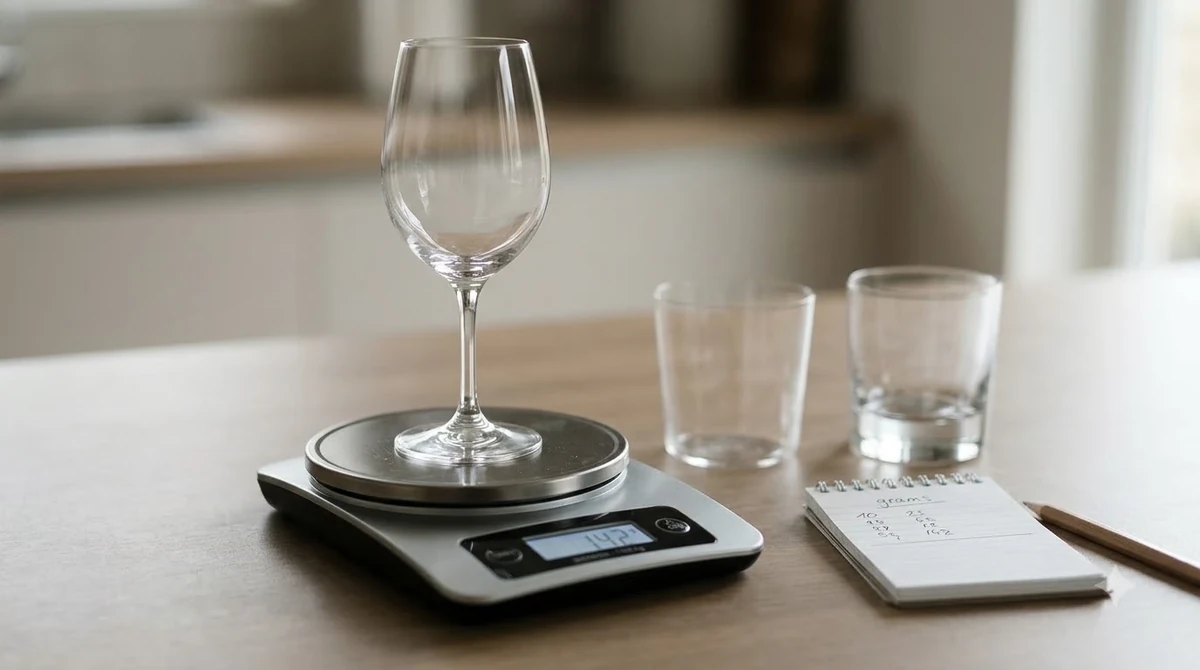
The manufacturer’s catalog identifies the Phoenix and Grand Cru collections as its two main wine-glass ranges. Both use the brand’s characteristic tulip-inspired design language, combining a rounded bowl with a more controlled opening. The shapes are intended to help present wine aromas while maintaining an elegant appearance on the table. The Sophienwald collection catalog provides the manufacturer’s published collection details and glass dimensions.
Specifications vary considerably between individual glasses. A Phoenix Blanc, for example, is a relatively compact white-wine option, while the Phoenix Bourgogne has a much larger bowl. The Grand Cru collection expands those proportions further. These differences matter because a glass designed for a delicate white wine serves a different purpose from one intended for mature Pinot Noir or another aromatic red.
| Model | Collection | Height | Capacity | Intended use |
|---|---|---|---|---|
| Blanc | Phoenix | 225 mm | 420 ml | White wine |
| Bordeaux | Phoenix | 228 mm | 570 ml | Red and fuller-bodied wines |
| Bourgogne | Phoenix | 225 mm | 710 ml | Burgundy and aromatic reds |
| Champagne | Phoenix | 240 mm | 410 ml | Champagne and sparkling wine |
| Perlage | Phoenix | 230 mm | 220 ml | Sparkling wine |
| Cru Bordeaux | Grand Cru | 265 mm | 720 ml | Fuller-bodied and mature reds |
| Cru Bourgogne | Grand Cru | 255 mm | 950 ml | Mature Burgundy-style reds |
These dimensions come from Sophienwald’s published collection catalog. They are useful when comparing storage requirements, serving preferences, and the amount of room available in a cabinet. The capacity figures describe the full volume of each glass, not the recommended amount of wine to pour. A conventional 5-ounce serving occupies only part of even the smaller Phoenix bowls.
Material and construction are equally important. Sophienwald identifies its glassware as handmade, mouth-blown, and made from lead-free crystal. The brand also describes the glasses as lightweight and elastic. That combination is intended to create a refined drinking vessel without relying on thick, heavy walls.
Individual glasses may have minor differences because of the handmade production process. Sophienwald considers those variations part of the character of its glassware rather than a manufacturing defect. Buyers who expect every glass in a set to look mechanically identical should understand this distinction before purchasing.
For a wider overview of different bowl shapes and glass constructions, the wine glasses buying guide provides useful context for comparing premium stemware with more conventional alternatives.
What Owners and Wine Professionals Like
The strongest case for Sophienwald is its combination of visual refinement and practical handling. The glasses have a delicate appearance, but professional users have described them as more reassuring in the hand than their thin walls might suggest.
One particularly useful reference comes from Food & Wine’s reporting on Claud, a Manhattan wine bar that uses Sophienwald white and Burgundy glasses. The restaurant’s owner described the glassware as comfortably solid rather than excessively fragile. That observation is relevant because commercial service places different demands on glassware from occasional home use. The Food & Wine report on restaurant wine glasses discusses the practical reasons behind Claud’s choice.
Restaurant staff regularly move glasses between tables, carry several at once, and handle them during busy service. Claud’s experience suggests that Sophienwald can work in a professional environment where elegant presentation and manageable handling are both important. This is more meaningful than judging a premium glass solely by its appearance in a product photograph.
There is another advantage to the brand’s restrained approach to wine-specific designs. Instead of producing a completely separate glass for every grape variety, Sophienwald organizes its collections around a smaller number of useful shapes. That approach is convenient for drinkers who enjoy several wine styles but do not want a cabinet filled with dozens of specialized glasses.
Lightweight construction and comfortable handling
A lightweight glass changes the physical experience of drinking wine. A thinner rim can create a less intrusive contact point, while a well-balanced stem allows the glass to feel comfortable without requiring a thick base or heavy bowl. These are subjective qualities, but they are important reasons people consider premium stemware.
The distinction between delicate appearance and actual handling also deserves attention. A glass does not necessarily become unusable simply because its walls are thin. Sophienwald’s mouth-blown construction and elastic design are intended to combine refinement with a degree of flexibility. Nevertheless, no thin crystal glass should be treated as unbreakable.
Useful shapes for different wine styles
The Phoenix range offers recognizable options for several common categories. Its 570 ml Bordeaux glass provides room for red wines, while the 710 ml Bourgogne glass accommodates wines that benefit from a broader bowl. The Blanc and Champagne models cover other important occasions.
That selection makes the collection practical for households that regularly serve Cabernet Sauvignon, Pinot Noir, Chardonnay, Riesling, and sparkling wine. A well-chosen group of three or four shapes can cover a substantial portion of a typical wine collection without requiring a dedicated vessel for every bottle.
The distinction between the Phoenix Champagne and Perlage models is also worth examining. Their listed capacities are 410 ml and 220 ml respectively. This gives buyers two different approaches to sparkling-wine service, rather than forcing every sparkling occasion into one flute-like format.
Professional presentation without excessive decoration
Sophienwald’s design is relatively restrained. The clear crystal, thin walls, tulip-inspired bowls, and slender stems place the wine itself at the center of the presentation. This makes the glasses appropriate for both formal dinners and relaxed wine-focused gatherings.
The Food & Wine account of Claud illustrates another aspect of premium glassware: presentation does not have to feel intimidating. Sophienwald’s appeal in that setting comes partly from its ability to communicate care and quality without making guests feel that they are handling untouchable display pieces.
Common Complaints and Potential Drawbacks
Sophienwald’s main disadvantages are associated with the same characteristics that make the brand attractive. Thin crystal, slender stems, handmade construction, and generous bowl sizes require thoughtful handling and enough storage space.
The first concern is breakage. Although the manufacturer describes its glassware as elastic and dishwasher suitable, a lightweight stemmed glass remains vulnerable to accidental knocks, pressure, and sudden temperature changes. A collision between two bowls inside a dishwasher can damage even a premium glass that is otherwise suitable for machine washing.
Its large bowls can also be inconvenient in smaller kitchens. A 950 ml Grand Cru Bourgogne glass is substantial, particularly when compared with a compact everyday white-wine glass. It needs sufficient cabinet height, room between neighboring glasses, and a suitable dishwasher rack if machine cleaning is preferred.
Handmade differences may not suit every buyer
Because Sophienwald glasses are mouth-blown into wooden molds, the manufacturer acknowledges that two pieces cannot be perfectly identical. Small differences are part of the production method. Some buyers will appreciate that handmade character, while others may prefer the uniform appearance of machine-produced glassware.
This is especially relevant when buying multiple sets over time. A later replacement may not look absolutely identical to an older glass. For a carefully coordinated dining collection, that possibility deserves consideration.
Large bowls require more careful storage
The Phoenix Bourgogne has a listed capacity of 710 ml, and the Grand Cru Cru Bourgogne increases that to 950 ml. These are generous bowls that need more cabinet space than standard household stemware.
Buyers with low shelves, crowded cupboards, or compact dishwashers should measure their available space before choosing the larger designs. The 255 mm height of the Grand Cru Bourgogne is particularly important, although the bowl’s width may be the more significant storage consideration.
Premium glassware is not automatically better for every occasion
A sophisticated wine glass does not correct poor wine quality, improper serving temperature, or unsuitable food pairing. It can influence how a wine is presented and experienced, but it cannot transform an ordinary bottle into an exceptional one.
For casual outdoor meals, large parties, or situations involving frequent movement around a crowded table, simpler and more replaceable glasses may be the more sensible choice. A premium crystal set makes the most sense when the occasion and the drinker justify the extra attention.
Buyers should also remember that the brand’s professional positioning does not mean every wine requires a specialized glass. A versatile shape can be entirely adequate for many everyday bottles.
Who Should Buy and Who Should Skip Sophienwald
Sophienwald is best suited to wine enthusiasts who appreciate fine stemware and want a small, thoughtfully selected collection. It is particularly appealing to people who regularly open quality wines at home and care about bowl proportions, rim thickness, balance, and presentation.
It is also a reasonable option for hosts who want their dining table to look polished without using heavily decorated or unusually ornate glassware. The clear crystal construction works with different table settings, while the available shapes cover both everyday drinking and more formal wine service.
Who should consider buying
- Dedicated wine enthusiasts: People who regularly compare Cabernet Sauvignon, Pinot Noir, Chardonnay, and other styles may appreciate having different bowl shapes available.
- Collectors of premium stemware: Buyers interested in handmade crystal and distinctive production methods will find the mouth-blown construction appealing.
- Frequent dinner hosts: The elegant appearance suits formal meals, tasting evenings, and occasions where presentation matters.
- Professional wine venues: Restaurants and wine bars looking for refined glassware with manageable handling may find the brand worth considering.
- Design-conscious households: The understated appearance works well with contemporary tableware and traditional dining arrangements.
Who should look elsewhere
- Budget-focused buyers: Households looking primarily for inexpensive sets may find conventional machine-made glasses more practical.
- Large-party hosts: People who frequently entertain 15 or 20 guests may prefer affordable replacement options.
- Outdoor entertainers: Picnics, poolside meals, and crowded patios are not ideal environments for delicate stemware.
- Minimalist households: Buyers who want one compact glass for every beverage may not need multiple specialized bowls.
- People with limited storage: The larger Grand Cru bowls may be difficult to accommodate in compact cabinets.
There is also a practical middle ground. A household can purchase a small number of Sophienwald glasses for special bottles while retaining ordinary stemware for everyday meals. This approach preserves the enjoyment of premium glassware without making every casual drink an occasion that requires extra care.
For shoppers who are still comparing styles, the red wine glasses guide can help explain why Bordeaux and Burgundy bowls differ. Those who prefer a simpler setup can also consider the alternatives in the stemless wine glasses guide.
How Sophienwald Compares to Alternative Wine Glasses
Sophienwald competes in the premium stemware category, where differences in weight, construction, proportions, and everyday practicality matter as much as appearance. Its strongest distinction is the combination of handmade Austrian crystal and a relatively focused collection structure.
Other premium manufacturers approach the category differently. Some emphasize extensive varietal-specific ranges, while others prioritize durable glass formulations or highly specialized professional shapes. The right comparison depends on whether the buyer values handmade character, consistency, handling, or versatility most.
Sophienwald versus Zalto
Zalto is a useful comparison because both brands are associated with lightweight, elegant wine glasses used in professional wine settings. Food & Wine discusses Zalto’s presence at Dedalus and Sophienwald’s use at Claud, illustrating how premium stemware can serve different hospitality environments.
The choice is not simply a matter of deciding which glass is more luxurious. A buyer should consider the specific shape, the feel of the stem, the bowl capacity, and the practical requirements of their household. Restaurant preferences also demonstrate that there is no universal winner across all wines and service situations.
Sophienwald is particularly appealing to people who want a distinctive handmade alternative within the premium category. Buyers who already have a preferred Zalto shape should compare the corresponding Sophienwald dimensions before making a switch.
Sophienwald versus Riedel
Riedel is another useful reference point because its glassware ranges offer recognizable shapes associated with different grape varieties and wine styles. Its broad product selection may appeal to buyers who want a very specific glass for a particular wine.
Sophienwald takes a more concentrated approach through Phoenix and Grand Cru. The Phoenix Bordeaux, Phoenix Bourgogne, and Blanc shapes provide a practical starting point without requiring an extensive varietal-by-varietal collection.
For buyers who want a smaller collection, this can be an advantage. For someone who enjoys building a large assortment of specialized glasses, the broader range offered by another manufacturer may be more appealing.
Sophienwald versus conventional machine-made stemware
Machine-made glassware generally makes more sense for households that prioritize consistency, replacement availability, and everyday practicality. A conventional glass may be heavier, but that is not necessarily a disadvantage for casual dining or frequent use.
Sophienwald’s advantage is its handmade construction and refined proportions. The individual character of mouth-blown crystal creates a different visual and tactile experience, while the thin walls and lightweight design appeal to drinkers who appreciate delicate stemware.
Neither approach is automatically superior. A household that regularly hosts large gatherings may prefer consistent, replaceable glasses, while someone who enjoys a quiet bottle of Burgundy on a weekend may appreciate a more specialized piece.
Choosing between the Sophienwald collections
The Phoenix collection is the sensible starting point for most buyers. Its range covers white wine, Bordeaux, Bourgogne, Champagne, and additional glassware options. It is designed to address the needs of wine enthusiasts and gastronomy professionals with a relatively compact assortment.
Grand Cru is more appropriate for buyers who specifically want taller glasses and larger bowls. The Cru Bordeaux has a capacity of 720 ml, while the Cru Bourgogne reaches 950 ml. Those larger proportions can be attractive for mature wines, but they also demand more space.
For additional brand comparisons and other manufacturers in the category, the Glassware Brands resource provides a useful starting point.
Care, Handling, and Long-Term Use
Sophienwald identifies its glasses as dishwasher safe, but that should not be interpreted as permission to wash them under any conditions. The retailer’s published care instructions recommend a gentle program with a maximum water temperature of 50°C, equivalent to 122°F.
For delicate mouth-blown crystal, careful loading is just as important as the selected wash cycle. Bowls should not touch other glasses, plates, or metal utensils. A glass that is safely dishwasher compatible can still break if it is allowed to move around during the wash.
Dishwasher cleaning
The 9wines product listing and Chefs & Table care instructions both recommend a gentle dishwasher program and a maximum temperature of 50°C. They also advise economical detergent use and avoiding washing the glasses together with heavily soiled dishes.
Place each glass securely in the rack, with sufficient space around the bowl and stem. Avoid forcing a large Bourgogne glass into a compartment that is too narrow. If the rack does not support the glass properly, handwashing is the more sensible option.
Tip: Even though Sophienwald describes its crystal as dishwasher safe, use the gentle cycle at no more than 50°C, limit detergent, and make sure neighboring glasses cannot touch during washing.
Handwashing and drying
For handwashing, use lukewarm water, a small amount of mild dishwashing liquid, and a soft sponge. Avoid abrasive pads, harsh cleaning powders, and sudden changes between hot and cold water.
Hold the bowl and stem carefully rather than twisting the stem while gripping the base. Applying opposing pressure to these areas can create unnecessary stress on the narrow connection between them.
After rinsing, allow excess water to drain before drying with a clean, lint-free microfiber cloth. Support the bowl and dry the stem separately instead of twisting the glass while polishing it.
Storage between uses
Store the glasses in a stable cabinet where they cannot knock against neighboring pieces. Larger models such as the 950 ml Grand Cru Bourgogne need particularly careful placement because their broad bowls occupy substantial shelf space.
Avoid stacking stemmed glasses or storing them where their rims carry the weight of other objects. Keep the glasses away from crowded shelves and frequently used cabinet doors that may cause vibration.
For long-term storage, make sure the glassware is completely dry before putting it away. This helps prevent water marks and keeps the crystal ready for the next occasion.
Frequently Asked Questions
Where are Sophienwald wine glasses manufactured?
Sophienwald is an Austrian glassware brand associated with Alt-Nagelberg in Lower Austria. Its published brand information identifies its historical connection to the former Stölzle glassworks site in the Waldviertel region. The brand’s product descriptions also identify its mouth-blown glassware as Austrian-made.
Are Sophienwald glasses suitable as wedding gifts?
Yes, particularly for couples who enjoy wine and appreciate handmade tableware. The manufacturer’s catalog includes single-glass and two-glass gift-box options, making it possible to choose a presentation suited to different gifting occasions. A pair of Phoenix Bordeaux or Blanc glasses is a practical starting point.
Can Sophienwald glasses be used for water?
Yes. Sophienwald has a separate Water Collection that includes the Aqua glass with a listed capacity of 290 ml. Its Vita range also offers several capacities, including 350 ml, 443 ml, and 500 ml options. These provide alternatives for serving water alongside the brand’s wine stemware.
Does Sophienwald make colored glassware?
Yes. The manufacturer’s catalog includes a Colored Collection with sets such as Aqua Full Color and Vita 98 Ring Color. Several of these products are listed in six-color configurations, providing an alternative to the brand’s traditional clear crystal appearance.
Does Sophienwald offer accessories for professional glass service?
Yes. Its published catalog includes microfiber polishing cloths, glass racks, and decanters. The listed rack formats include 50-by-50-centimeter configurations, with different compartment arrangements for particular glass shapes. These accessories are useful for wine bars, restaurants, and households maintaining larger stemware collections.
Sophienwald is a compelling choice for wine drinkers who appreciate handmade crystal, carefully considered proportions, and elegant presentation. Phoenix is the more versatile starting point, while Grand Cru suits buyers who want larger bowls for mature wines and have room to store them. Choose the shape that matches the wines you actually serve, and give the glasses the careful handling their lightweight construction deserves.
More in Wine Glasses
 Zwiesel Glas Champagne Flutes for Durable Everyday Sparkling WineUpdated Nov 20, 2026
 Vera Wang Crystal Wine Glasses: Design, Quality and Buying AdviceUpdated Nov 20, 2026
 West Elm White Wine Glasses: Compare Designs for Better Everyday Wine ServiceUpdated Nov 20, 2026
 Zalto Stemless Wine Glasses: Discover Their Distinctive DesignsUpdated Nov 20, 2026
 Viski Champagne Glasses That Match Your Style and Sparkling WineUpdated Nov 20, 2026
 Vista Alegre Decanter Review: Crystal Style and Wine ServiceUpdated Nov 20, 2026