

We may earn a commission when you buy through links on this page, at no extra cost to you. Learn more.
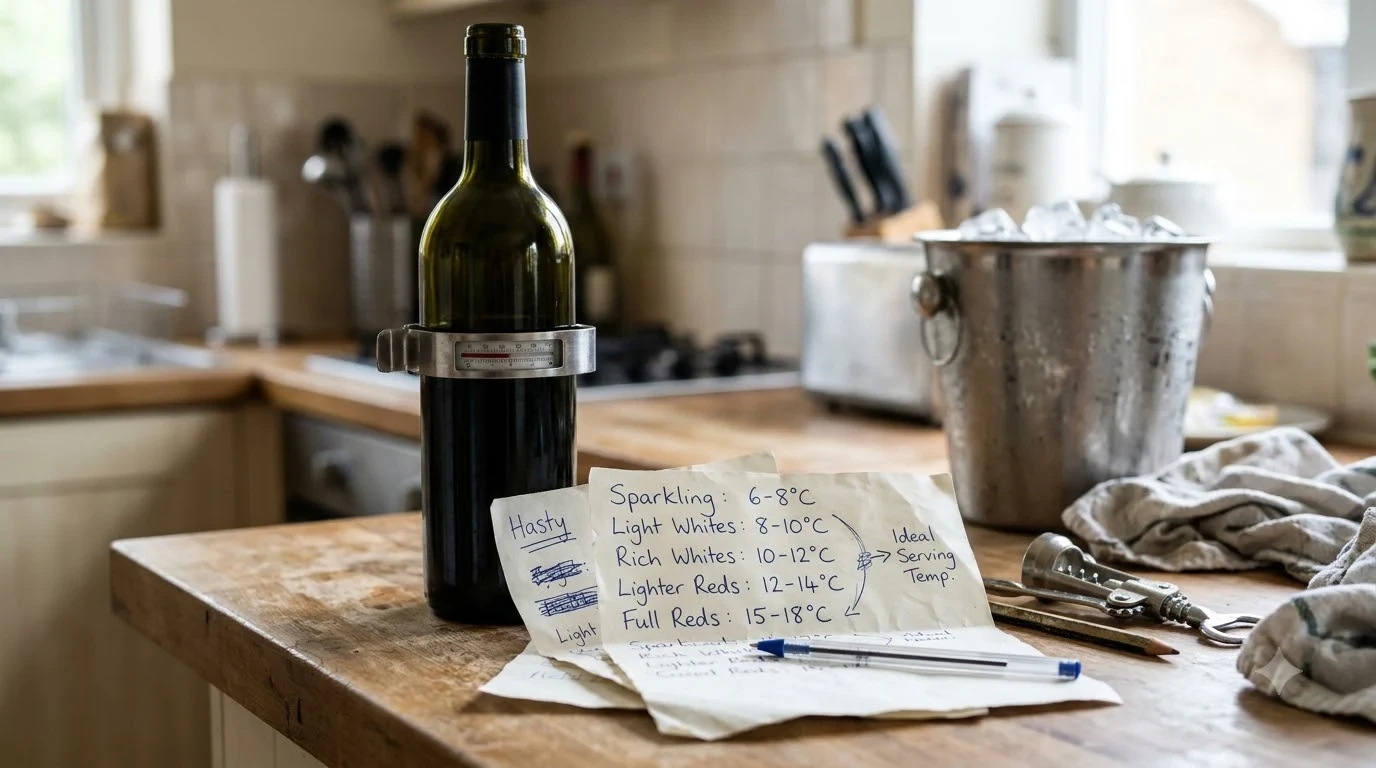
Should zinfandel be chilled? No, it should not be served cold. Wine Folly recommends serving it at 60 to 68°F (15 to 20°C), which is cool room temperature rather than refrigerator-cold. Serving it too cold mutes the ripe berry fruit and makes the spice and alcohol stand out more than they should.
Zinfandel is a bold, fruit-forward red, and many people are unsure whether it belongs in the fridge like a white. The short answer is no, but the details of serving temperature, decanting, and storage after opening are worth knowing. This guide explains each one in plain terms.
Zinfandel Serving Temperature
Zinfandel is best served at cool room temperature. Wine Folly gives a range of 60 to 68°F, and the lower end works well for lighter, brighter styles while the upper end suits fuller, richer bottles. Warmth tends to bring the alcohol forward in the nose and finish, which is why a wine served too warm can taste hot.
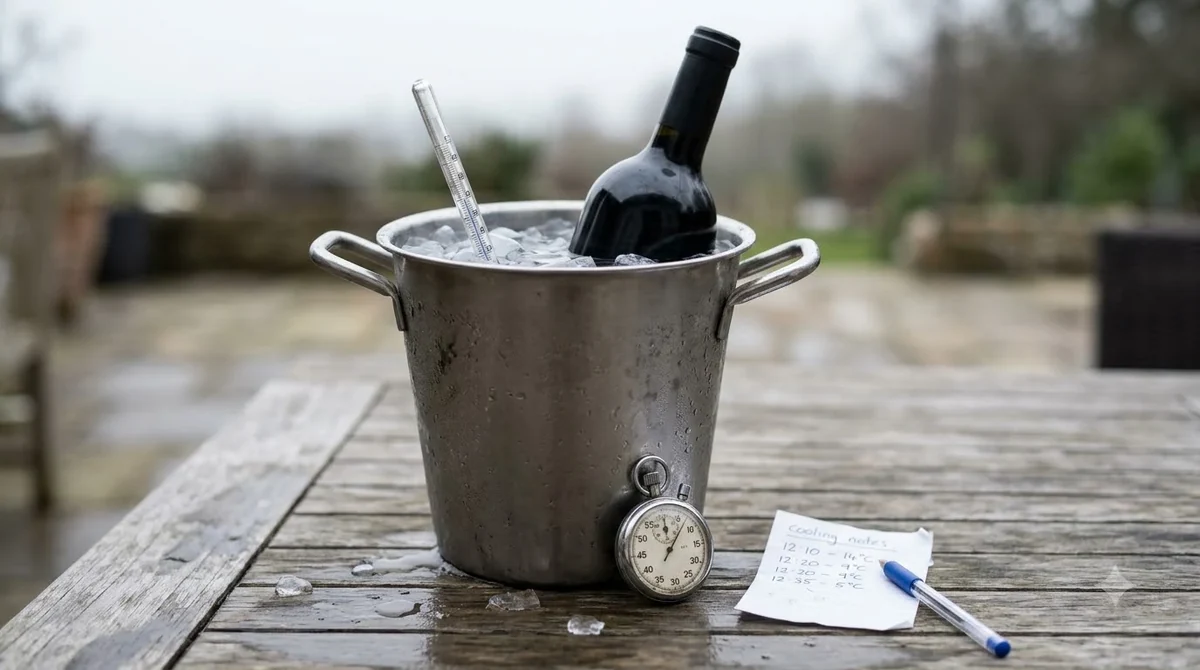
If the bottle has been stored in a warm room or in a cabinet near a stove, a short time in a cool place before serving helps bring it into range. A common mistake is putting a red in the refrigerator for an hour to chill it. That can push the wine too far in the other direction, flattening the fruit and leaving the tannins sharp.
Does Zinfandel Need to Breathe?
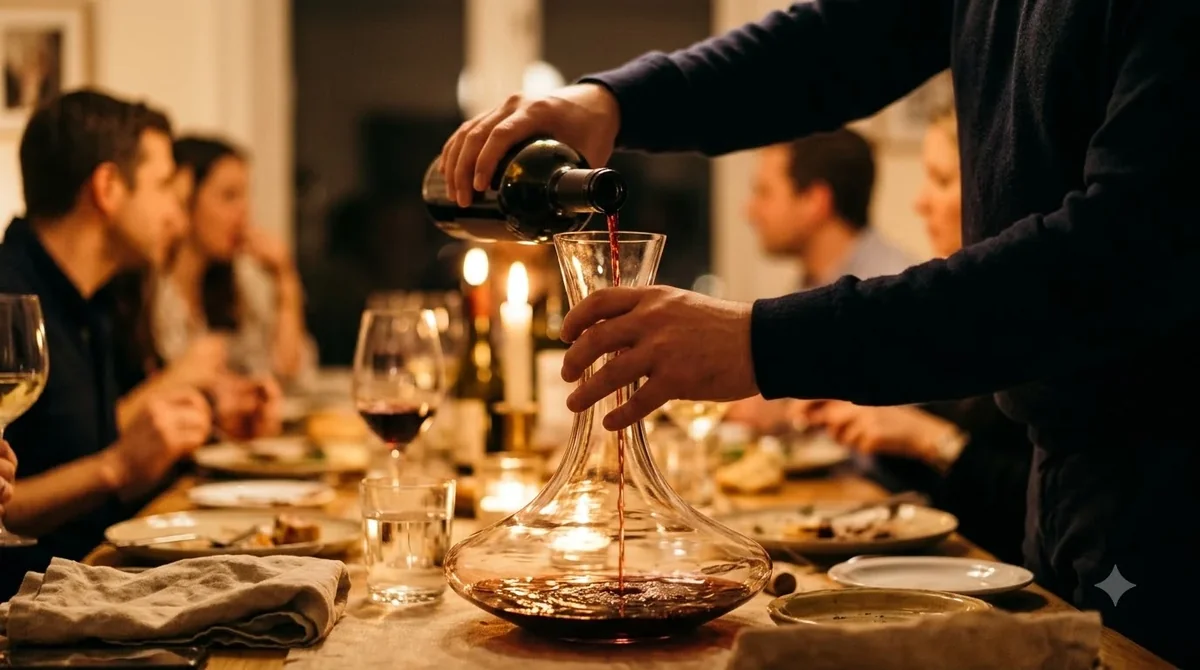
Many young zinfandels benefit from air, and the usual approach is to decant for a short time before pouring. Wine Folly lists a decanting time of about 30 minutes for many young wines, which gives the aromas a chance to open and softens the first impression of tannin.
Not every bottle needs decanting. Older zinfandels with more developed flavors can taste fine straight from the bottle, and very gentle wines may lose some brightness if left in a decanter too long. Taste a small pour first, then decide whether a short decant is worth the extra step.
How Long Does Zinfandel Last After Opening?
Once opened, zinfandel loses freshness faster than wines with higher natural acidity, so it is best finished within a few days. Re-cork or re-cap the bottle, keep it in a cool place, and refrigerate it if you want it to last longer. Refrigeration slows the oxygen damage that dulls fruit, and the VinePair guide on storing open wine recommends moving leftover wine into a smaller container so less air sits above it.
Signs that an opened zinfandel has passed its best include flat fruit, a sharp vinegar smell, or a dull color. A bottle that has lost its fruit can still be used in a braise or a pan sauce, where cooking softens the faded flavors.
A practical habit is to write the opening date on the bottle or on a note attached to the neck. It removes the guesswork later, and it helps you decide whether a leftover pour is still worth finishing. If the bottle has been open for several days and the fruit has faded, it is better to cook with the rest than to keep pouring it at the table.
How Zinfandel Styles Change the Serving Plan
Zinfandel comes in several styles, and the style matters more than the label when you decide how to serve it. Lighter, fresher zinfandels with bright red berry notes sit comfortably at the lower end of the serving range and can be opened with a light dinner. Fuller, jammier bottles with dark fruit, pepper, and spice need the upper end of the range so their aromas do not feel closed or hot.
Rosé and white zinfandel styles are a separate case. They are usually served colder than red zinfandel, because their sweetness and lower tannin make a cool glass more refreshing. Those wines are not the subject of this guide, but it helps to know that the word zinfandel covers both red and pink wines, and the serving rules differ between them.
When you are unsure which style you have, check the producer’s tasting notes or the style words on the label, such as bold, old vine, or jammy. The notes will usually say whether the wine is meant to be enjoyed young or aged, which also tells you whether decanting will help.
Zinfandel and Food Pairing
Zinfandel’s ripe fruit and spice make it a good partner for grilled and barbecued food, rich tomato sauces, and smoky meats. Because the wine is bold, it matches dishes with strong seasoning better than delicate fish or light salads. Serving the wine slightly cool and pairing it with food that has some char or spice keeps the balance right.
Guests who prefer a lighter option can still choose a different red. The same serving logic applies to Chianti, which also benefits from being served at a cool room temperature, and to Malbec, where the same question of temperature and fruit comes up.
Common Zinfandel Serving Mistakes
The most common mistake is serving zinfandel too warm, usually from a kitchen counter next to the oven or from a glass stored on a hot shelf. That makes the wine taste heavy and hot. The second mistake is chilling it so hard that the fruit disappears and only tannin remains. A third is decanting a wine that is already soft, which can strip off aromas that are delicate.
Use a standard wine glass with a generous bowl so the aromas have room to develop, and pour no more than a third to half of the glass. That leaves space for swirling and keeps the wine at a comfortable temperature for the whole glass.
Pouring order also helps. Start with a small taste to check the wine’s temperature and aroma, then pour the rest of the glasses. A bottle left on the table for a long dinner will warm gradually, so you can re-chill it briefly if the room is hot, or simply keep it out of direct sunlight and away from the stove. Small habits like these make a bigger difference than most people expect, because they keep the fruit in focus from the first glass to the last.
Serving temperature is also easy to adjust at home. A bottle taken from a cool cellar or a wine fridge can sit on the counter for about fifteen minutes before it reaches the right range, while a bottle from a warm pantry may need a short stay in the refrigerator, followed by a longer rest on the counter. Checking the glass by hand, rather than trusting a rule of thumb, is the simplest way to get it right.
For a broader look at serving temperature across styles, the wine by type guides on this site compare reds, whites, and sparkling wines side by side.
Frequently Asked Questions
Should zinfandel be chilled before serving?
No. Zinfandel is best served at cool room temperature, about 60 to 68°F. Chilling it in the refrigerator for long periods makes the fruit taste muted and the tannins harsher.
Is it better to decant zinfandel?
For many young zinfandels, a short decant of about 30 minutes helps the aromas open. Older bottles may not need it, so taste the wine before deciding.
How long does zinfandel last after opening?
An opened zinfandel is best finished within a few days. Re-cork it, keep it cool, and refrigerate it to slow the loss of fruit and freshness.
Can zinfandel be served with a slight chill in summer?
A short time in a cool place is fine on a hot day. Avoid long periods in the refrigerator, which can mute the fruit and make the wine taste thin.
Serve zinfandel at cool room temperature, decant younger bottles briefly, and finish any opened bottle within a few days. Enjoy it with food that matches its boldness, and drink responsibly.
More in Wine Types & Grapes
 Zinfandel Sugar Content: Dry Red vs. White Zinfandel GramsUpdated Nov 21, 2026
 Best Zinfandel Substitute Options for Sipping and CookingUpdated Nov 21, 2026
 Zweigelt Food Pairing: Best Dishes, Cheeses, and Serving TipsUpdated Nov 21, 2026
 Zinfandel Tannins Explained: How Structure Shapes Every BottleUpdated Nov 21, 2026
 Zinfandel Sweetness Level: Dry Red vs. Sweet White Zin ExplainedUpdated Nov 21, 2026
 Xinomavro Food Pairing: Best Dishes, Styles, and Serving TipsUpdated Nov 21, 2026