

We may earn a commission when you buy through links on this page, at no extra cost to you. Learn more.
When asking should sake be chilled, the answer is yes for most aromatic premium styles—which taste best between 41°F and 50°F (5°C to 10°C)—though serving temperature depends on the specific brewing grade. Delicate categories like Ginjo and Daiginjo lose their fragile fruit and floral esters when heated, making refrigerator temperatures ideal. Conversely, richer, earthier styles such as traditional Junmai and Honjozo often taste fuller and more savory when served at room temperature or gently warmed up to 104°F–122°F (40°C–50°C).
Many American diners assume sake is always meant to arrive steaming hot in a tiny porcelain carafe, largely because mid-century restaurants used heat to mask the harsh alcohol of lower-grade brews. In reality, Japanese brewing culture treats temperature as a precision dial that reshapes aroma, texture, and acidity across an astonishing 90-degree Fahrenheit spectrum.
Should Sake Be Chilled? The Short Answer by Style
Whether you put a bottle in the refrigerator comes down to how heavily the brewer polished the rice and whether the sake was pasteurized. Fragrant, highly polished sakes belong in the fridge, while rice-forward, full-bodied bottles thrive at cellar or warm temperatures.
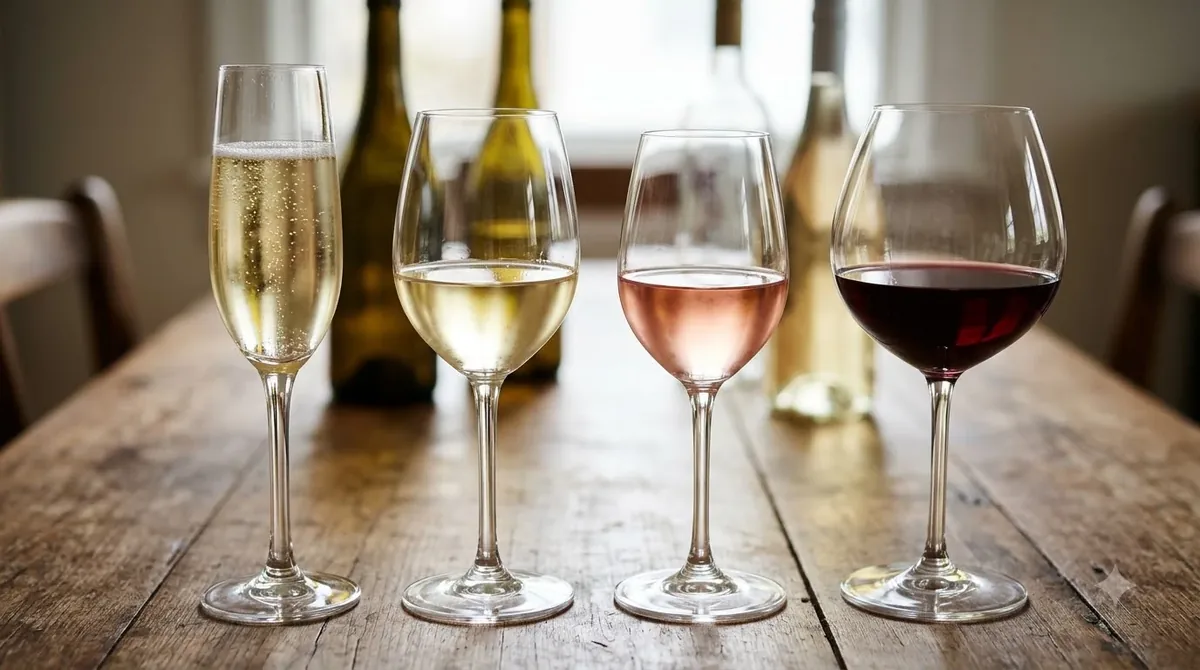
Modern premium sake falls into distinct classification tiers based on rice-polishing ratios and brewing techniques. When brewers mill away 40% to 50% or more of each rice grain to create Ginjo and Daiginjo styles, fermentation produces volatile aromatic compounds reminiscent of honeydew melon, Asian pear, white peach, and spring blossoms. Serving these bottles warm causes those fragile esters to evaporate rapidly, leaving behind a flat, alcohol-heavy impression. Keeping them cold locks those aromatics in the glass until they hit your palate.
Unpasteurized sake, labeled as Namazake, and sparkling sake also require strict refrigeration from the brewery all the way to your dinner table. Because Namazake skips the standard heat-stabilization step, active enzymes remain in the liquid; warming it ruins both its crisp, lively texture and its shelf stability. Sparkling sakes rely on dissolved carbon dioxide for their refreshing lift, and cold temperatures keep those bubbles tight and vibrant.
On the other end of the spectrum sit traditional Junmai, Honjozo, Kimoto, and Yamahai bottlings. Brewers make these styles with less-polished rice and slower, often lactic-acid-driven fermentations that emphasize savory amino acids rather than fruit esters. Chilling them too aggressively mutes their earthy, cereal-like depth and makes their acidity feel sharp, whereas cellar temperature or gentle warmth softens the mouthfeel and amplifies their natural umami.
The Traditional Japanese Sake Temperature Scale
Unlike grape wine—which occupies a narrow serving window between 38°F and 68°F—sake spans a vast thermal range with ten named temperature tiers in Japanese tradition. Each 9°F (5°C) shift brings out completely different structural traits in the exact same bottle.
| Japanese Term | English Translation | Temperature (°F / °C) | Best Sake Styles |
|---|---|---|---|
| Yuki-bie (雪冷え) | Snow-chilled | 41°F / 5°C | Daiginjo, Sparkling sake, Namazake |
| Hana-bie (花冷え) | Flower-chilled | 50°F / 10°C | Ginjo, Junmai Ginjo, aromatic styles |
| Suzu-bie (涼冷え) | Cool breeze | 59°F / 15°C | Light Junmai, aged Koshu, crisp styles |
| Hiya / Jo-on (常温) | Room temperature | 68°F / 20°C | Balanced Junmai, Tokubetsu Junmai |
| Hinata-kan (日向燗) | Sunny warm | 86°F / 30°C | Soft Junmai, approachable everyday sakes |
| Hitohada-kan (人肌燗) | Skin warm | 95°F / 35°C | Medium-bodied Junmai, Yamahai |
| Nurukan (ぬる燗) | Lukewarm | 104°F / 40°C | Kimoto, Yamahai, rich Junmai, aged sake |
| Jokan (上燗) | High warm | 113°F / 45°C | Full-bodied Junmai, dry Honjozo |
| Atsukan (熱燗) | Hot | 122°F / 50°C | Classic Honjozo, dry Karakuchi styles |
| Tobikiri-kan (飛び切り燗) | Extra hot | 131°F / 55°C | High-acid, bold, undiluted Genshu |
Understanding this scale helps explain why sommeliers rarely give a single rigid number for serving sake. Experts interviewed by Wine Enthusiast point out that you can pour a couple of ounces at 50°F, let the glass sit until it reaches room temperature, and taste how the flavor profile evolves from bright orchard fruit to savory rice depth. Just as you might adjust serving temperatures when deciding whether Lambrusco should be chilled or served slightly cooler than room temperature, experimenting across two or three tiers reveals what a brewer actually built into the bottle.
According to guidance from the Japan Sake and Shochu Makers Association, three broad zones cover almost every practical dining scenario: chilled (46°F–59°F / 8°C–15°C), room temperature (59°F–77°F / 15°C–25°C), and warmed (104°F–122°F / 40°C–50°C). Starting in the chilled zone for aromatic bottles and the room-temperature zone for savory ones gives you an effortless baseline without needing a digital thermometer at the table.
How Temperature Changes Sake Flavor, Aroma, and Texture
Temperature alters human sensory perception of sweetness, acidity, alcohol, and volatile aromatics simultaneously. Cooling sake tightens its structure and highlights crisp fruit, whereas warming it expands body, softens alcohol heat, and boosts umami.
When sake drops below 50°F (10°C), the liquid becomes slightly more viscous on the tongue, giving chilled Ginjo a silky, weighty glide despite its delicate flavor. Cold temperatures also suppress sweetness perception slightly and keep the 13% to 17% alcohol by volume feeling crisp and integrated rather than hot on the finish. However, chilling any sake down near freezing—around 32°F to 36°F—numbs your taste buds and locks down nearly all aromatic expression, which is why standard home refrigerators set around 38°F–40°F represent the cold limit for most bottles.
As sake warms toward 68°F (20°C) and beyond into the 104°F–122°F (40°C–50°C) range, its chemical behavior shifts dramatically. Heat volatilizes heavier, earthier compounds—bringing forward aromas of steamed rice, toasted nuts, mushroom, and caramel—while reducing perceived bitterness and sharp acidity. At the same time, warmth amplifies glutamic and succinic acids, the core drivers of savory umami. If you push sake past 131°F (55°C), though, alcohol vapors dominate the nose and strip away nuance.
Because sake lacks the tannins and sharp malic or tartaric acids found in grape wine, balance relies heavily on the interplay between residual rice sugars and amino acids. Exploring sake sugar content and Sake Meter Value (SMV) readings alongside serving temperature shows why dry, high-SMV bottles often taste rounder and richer when gently heated, while sweeter, fruit-forward styles feel cleaner and livelier straight from the fridge.
How to Chill and Warm Sake Properly
Chilling sake requires the same gentle approach as cooling a fine white wine, while warming it works best through an indirect hot-water bath that prevents scorching. Choosing the right vessel also preserves your target temperature from the first pour to the last.
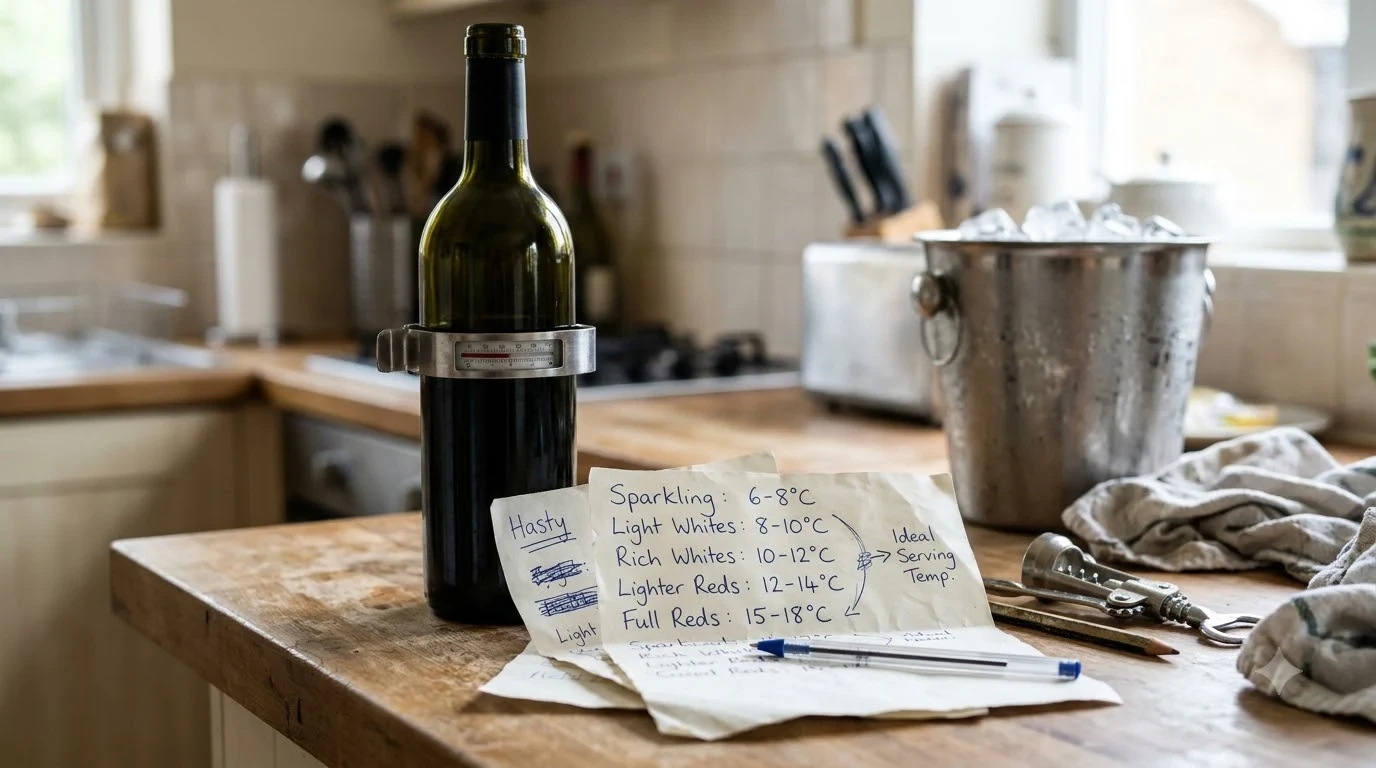
To chill a 720-milliliter bottle from room temperature down to 50°F (10°C), place it in a standard refrigerator for roughly two hours before serving. If you are short on time, submerge the bottle in an ice-water bucket—combining equal parts ice and cold water—for 15 to 20 minutes, which drops the temperature steadily without over-freezing the glass. Avoid putting ice cubes directly into premium sake unless you specifically want a lighter, diluted highball-style drink, as melting ice washes out delicate rice aromatics.
When you want to warm a Junmai or Honjozo bottle, skip the microwave whenever possible because electromagnetic waves heat unevenly and create scalding hot spots that damage delicate flavors. Instead, pour the sake into a ceramic carafe called a tokkuri, bring a saucepan of water to a gentle simmer, turn off the burner, and set the flask in the hot water up to its neck for two to three minutes. This indirect bath brings the liquid smoothly to around 104°F–113°F (40°C–45°C) while keeping the aromatics intact.
Tip: Serve chilled aromatic sakes in a standard white wine glass rather than a tiny ceramic cup—the tulip bowl captures floral and orchard-fruit aromas that otherwise dissipate into the air.
Storage Rules: Should Sake Be Refrigerated Before and After Opening?
Proper storage is just as critical as serving temperature because sake is far more sensitive to light and heat than grape wine. Unopened bottles belong in a cool, dark spot—or the refrigerator for delicate styles—and every opened bottle should be stored upright in the fridge.
Before opening, ultraviolet light from fluorescent store bulbs or sunny kitchen counters can trigger a chemical reaction in riboflavin, giving sake an unpleasant cooked-vegetable aroma within hours. Brown and green glass bottles filter out much of this light, while clear or blue bottles require extra care. Keep unopened Junmai and Honjozo bottles in a cool, dark pantry away from stoves or radiators, and store all Daiginjo, Ginjo, and unpasteurized Namazake bottles in the refrigerator from the day you bring them home.
Once you break the seal, oxygen immediately begins muting sake’s top aromatic notes, even though sake does not turn to vinegar the way opened grape wine does. Re-cap the bottle tightly and place it upright in your refrigerator to slow oxidation. Most aromatic Ginjo and Daiginjo bottles taste best within one to two weeks of opening, whereas sturdy, high-acid Junmai and Kimoto styles often remain enjoyable in the fridge for three to four weeks—similar to the care required when deciding whether orange wine should be chilled and preserved after opening. If you have a broader interest in how fermentation styles dictate cellar care across beverages, browsing our guide to Wine by Type offers helpful context on matching storage temperature to drink structure.
Pairing Chilled vs. Warm Sake with Food
Matching sake temperature to your menu is one of the easiest ways to improve weeknight dinners without complicated wine-pairing rules. Chilled sakes shine alongside raw, crisp, and lightly seasoned dishes, while room-temperature and warm sakes anchor rich, grilled, and umami-heavy meals.
Serve snow-chilled or flower-chilled Ginjo and Daiginjo (41°F–50°F / 5°C–10°C) with sashimi, oysters on the half shell, ceviche, steamed edamame, lightly dressed green salads, and mild soft cheeses like burrata or fresh chèvre. The cool temperature and subtle fruit esters mirror the clean sweetness of raw seafood without overpowering delicate textures. Chilled sparkling sake also makes an effortless aperitif before dinner or a refreshing partner for salty fried appetizers like vegetable tempura.
Reach for room-temperature or lukewarm Junmai, Kimoto, and Honjozo (68°F–113°F / 20°C–45°C) when serving soy-glazed grilled chicken (yakitori), miso-marinated black cod, pork belly, mushroom risotto, aged cheddar, or hearty ramen. Warmth unlocks savory amino acids in the sake that lock onto the glutamates in browned meats, fermented sauces, and melted cheese, creating a smooth, mouth-coating finish that cold beverages simply cannot replicate.
Frequently Asked Questions
Should sake be chilled or served warm?
Most aromatic premium sakes—including Ginjo, Daiginjo, sparkling sake, and unpasteurized Namazake—should be chilled to 41°F–50°F (5°C–10°C) to preserve their delicate fruit and floral aromas. Fuller-bodied, savory styles like traditional Junmai, Honjozo, Kimoto, and Yamahai taste best at room temperature (68°F / 20°C) or gently warmed to 104°F–122°F (40°C–50°C).
Can you put sake in the fridge?
Yes, storing sake in the refrigerator is ideal for all opened bottles as well as unopened Ginjo, Daiginjo, and unpasteurized Namazake. Keep bottles standing upright to minimize surface area exposed to oxygen, and let very cold bottles sit on the counter for 10 to 15 minutes before pouring if they feel muted straight out of a 38°F fridge.
What happens if you heat up Daiginjo or Ginjo sake?
Heating Ginjo or Daiginjo sake causes the delicate aromatic esters responsible for melon, pear, and floral notes to evaporate rapidly. Once those fragrances burn off, the sake tastes noticeably flatter, thinner, and sharper in alcohol, wasting the extra rice polishing that went into crafting it.
How long does chilled sake last in the refrigerator after opening?
An opened, tightly re-capped bottle of sake stored upright in the refrigerator generally stays fresh for one to two weeks for delicate Ginjo and Daiginjo styles. Sturdier, higher-acid styles like Junmai, Yamahai, and Kimoto often hold up well for three to four weeks before their flavors begin to fade.
Treating sake temperature as an adjustable tool rather than a fixed rule lets you get the best out of every bottle in your kitchen. Start aromatic styles in the refrigerator and hearty styles at room temperature or gently warmed, and let your palate guide where you pour next.
More in Wine Types & Grapes
 Zinfandel Sugar Content: Dry Red vs. White Zinfandel GramsUpdated Nov 21, 2026
 Best Zinfandel Substitute Options for Sipping and CookingUpdated Nov 21, 2026
 Zweigelt Food Pairing: Best Dishes, Cheeses, and Serving TipsUpdated Nov 21, 2026
 Zinfandel Tannins Explained: How Structure Shapes Every BottleUpdated Nov 21, 2026
 Zinfandel Sweetness Level: Dry Red vs. Sweet White Zin ExplainedUpdated Nov 21, 2026
 Xinomavro Food Pairing: Best Dishes, Styles, and Serving TipsUpdated Nov 21, 2026