

We may earn a commission when you buy through links on this page, at no extra cost to you. Learn more.
Should ruby port be chilled? Yes—ruby port tastes best when served slightly chilled between 55°F and 64°F (12°C to 18°C), rather than at warm room temperature. Serving this fortified red wine cool to the touch keeps its 19% to 20% alcohol balanced and prevents its residual sugar from tasting syrupy. A quick 20 to 30 minutes in a standard kitchen refrigerator brings a room-temperature bottle right into that cellar-temperature sweet spot.
Because ruby port is fortified with neutral grape spirit and packed with vibrant berry fruit, pouring it straight off a warm kitchen counter can leave the glass feeling heavy and fiery on the palate. Treating it like a full-bodied red wine—giving it a brief chill before pouring—sharpens its natural acidity, highlights fresh blackberry and cherry aromatics, and makes every sip feel lively instead of cloying.
What Is Ruby Port and How Is It Made?
Ruby port is the youngest, brightest, and most fruit-driven style of fortified wine from Portugal’s Douro Valley, aged briefly in large oak or stainless-steel vats to preserve its deep crimson color and fresh berry character. Unlike aged wood ports that turn amber over decades, ruby port is bottled ready to drink with vibrant primary fruit.
Winemakers produce ruby port by arresting fermentation midway through with the addition of aguardente, a neutral grape spirit roughly 77% alcohol by volume. Stopping fermentation early leaves a generous amount of natural grape sugar unfermented, resulting in a sweet wine with a final strength around 19% to 20% ABV. This fortification gives ruby port its signature richness, body, and shelf stability.
After fortification, standard ruby port spends two to three years resting in massive wooden vats or steel tanks before blending and bottling. Because the volume of liquid relative to the wood surface is so large, minimal oxygen interacts with the wine during aging. That limited oxygen exposure locks in the opaque ruby hue and intense flavors of blackcurrant, plum, and dark cherry. Producers like Taylor’s Port note that fine ruby styles are filtered and fined prior to bottling, meaning they do not throw sediment and require zero decanting before serving.
Why Temperature Changes How Ruby Port Tastes
Chilling ruby port slightly suppresses alcohol volatility and dials back perceived sweetness, allowing bright fruit and firm tannins to stay in balance. At temperatures above 68°F (20°C), ethanol evaporates rapidly from the glass, creating a burning sensation in the nose and throat.

Human taste buds and olfactory receptors react differently to temperature shifts, especially in fortified wines with high sugar and alcohol levels. When ruby port sits at a typical 72°F American living room temperature, the alcohol fumes overwhelm delicate floral and berry aromas while the residual sugar coats the palate like warm syrup. Dropping the liquid just ten degrees tightens its structure so the wine feels crisp, focused, and refreshing.
On the other hand, serving ruby port straight from a 38°F refrigerator mutes its expressive aromatics and makes the tannins taste astringent and metallic. Cold temperatures trap volatile aroma compounds in the glass, flattening the lush notes of blackberry, raspberry, and dark chocolate that define the style. Aiming for cellar temperature—cool to the touch without feeling icy—strikes the ideal balance between aromatic lift and structural poise, much like knowing should tawny port be chilled for optimal nutty complexity.
Ideal Serving Temperatures Across Port Styles
Ruby port thrives between 55°F and 64°F (12°C to 18°C), though exact serving targets vary slightly across the broader port family depending on age, oxidation, and grape color. Young, unaged styles generally prefer cooler temperatures than older, bottle-matured vintages.
According to guidance from Wine Folly, standard ruby port and Late-Bottled Vintage (LBV) port shine when served cool around 55°F to 65°F. Meanwhile, producer notes from Taylor’s Port recommend serving their Fine Ruby between 61°F and 64°F (16°C to 18°C) to let its concentrated blackcurrant nose open fully. Both windows sit comfortably below warm room temperature, confirming that a gentle chill is always beneficial.
| Port Style | Ideal Serving Temp (°F) | Ideal Serving Temp (°C) | Fridge Time from Room Temp |
|---|---|---|---|
| Ruby Port | 55°F – 64°F | 12°C – 18°C | 20 – 30 minutes |
| Late-Bottled Vintage (LBV) | 55°F – 64°F | 12°C – 18°C | 20 – 30 minutes |
| Vintage Port | 60°F – 65°F | 15°C – 18°C | 15 – 25 minutes |
| Tawny Port (10–40 Year) | 50°F – 60°F | 10°C – 16°C | 35 – 45 minutes |
| White & Rosé Port | 43°F – 50°F | 6°C – 10°C | 1.5 – 2 hours |
Notice how the serving spectrum shifts across the wider Wine by Type landscape. Lighter, oak-aged tawny styles can handle a slightly deeper chill to accentuate their caramel and roasted nut profile, whereas vintage port sits at the warmer end of the cellar range so its complex tertiary bouquet can unfurl. White and rosé ports behave much like crisp white wines and taste best cold.
How to Chill and Pour Ruby Port Properly
To bring a room-temperature bottle of ruby port to serving temperature, place it in a standard refrigerator for 20 to 30 minutes, or submerge it in an ice-and-water bucket for 8 to 10 minutes. Pour a modest 2- to 3-ounce serving into a tulip-shaped glass that narrows slightly toward the rim.
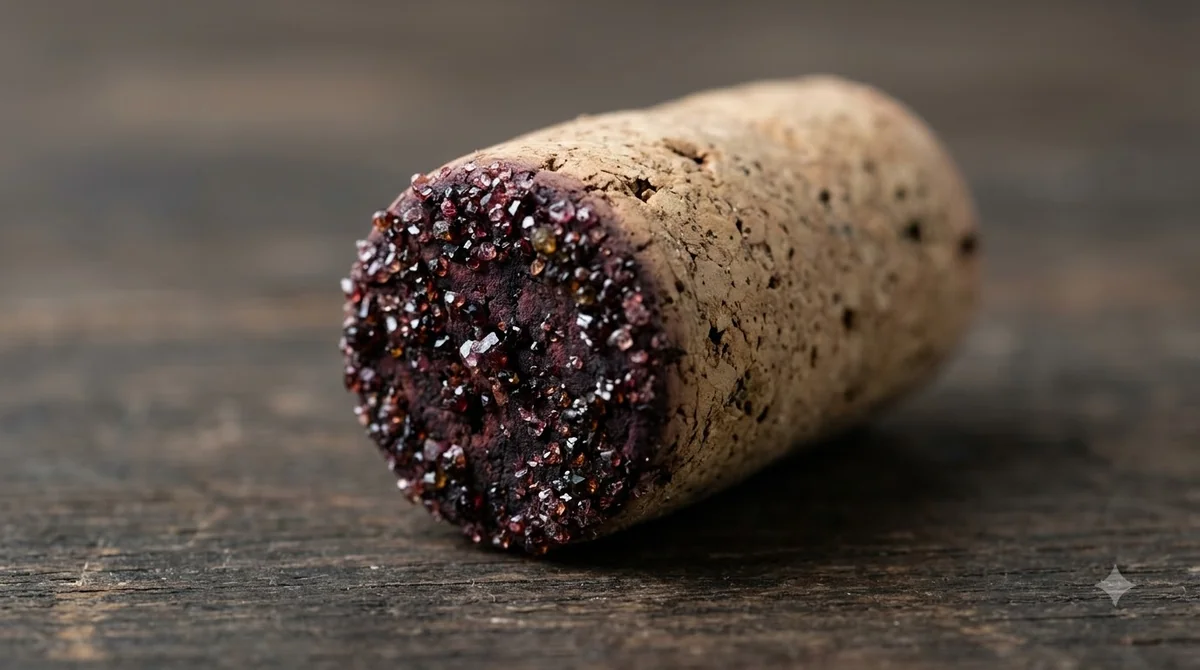
If you forget to chill the bottle ahead of dinner, an ice bath works far faster than cold air alone because water conducts heat away from glass roughly twenty times more efficiently. Fill a chiller bucket halfway with cold tap water and add a generous handful of ice cubes; swirl the bottle gently once or twice, and check the glass with your hand after eight minutes. Once the bottle feels cool against your palm, dry it off and pour.
Glassware choice also affects how quickly the wine warms up in your hand. Traditional tiny thimble-sized port glasses leave no room to swirl and force aromas straight up into your nostrils, intensifying the alcohol heat. Instead, use a dedicated ISO tasting glass, a smaller white wine glass, or a tulip-shaped dessert wine glass, holding it strictly by the stem so body heat does not warm the bowl.
Tip: If you store an open bottle of ruby port in the refrigerator—which keeps it fresh for up to two weeks—pull it out 25 to 30 minutes before pouring so it warms up from 38°F to cellar temperature.
When Serving Ruby Port Over Ice Makes Sense
While neat, cellar-chilled pours showcase ruby port best on its own, serving it over ice or mixed into a tall spritz is a popular, refreshing alternative in warm weather. Adding ice dilutes the wine slightly and drops the temperature well below 45°F, transforming it into an easygoing aperitif.
In Portugal and across modern wine bars, bartenders frequently pour young ruby port over a large rock of clear ice in a tumblers glass with a fresh mint sprig or an expressed orange peel. As the ice melts slowly, it softens the sweetness and lowers the effective alcohol level per sip, making it approachable before dinner or on a sunny afternoon. Understanding how dilution and cold interact is similar to deciding should sangria be chilled before a summer gathering.
Ruby port also serves as a versatile cocktail base when chilled with mixers. Topping two ounces of ruby port with dry sparkling wine creates a bright Ruby Royale, while mixing it with tonic water and lemon over crushed ice delivers a crisp, low-ABV highball. Save your concentrated reserve or Late-Bottled Vintage bottles for neat sipping at cellar temperature, and use entry-level fine ruby bottles for iced drinks and spritzes.
Storing Open and Unopened Bottles of Ruby Port
Unopened bottles of ruby port should be stored upright in a cool, dark spot around 55°F, while opened bottles belong in the refrigerator to slow down oxidation. Unlike table wine that turns vinegary within days, ruby port stays vibrant for one to two weeks after opening when kept cold.
Because ruby port is bottled with a driven T-top stopper cork rather than a long wine cork, storing unopened bottles upright prevents the high-alcohol liquid from degrading the cork over time. Keep bottles away from sunny windows, kitchen stoves, and vibrating appliances, as heat spikes accelerate premature aging and dull the fresh berry flavors.
Once you pull the stopper, oxygen immediately begins reacting with the wine’s fruit compounds, gradually flattening its bright cherry and blackberry notes. Recorking the bottle tightly and placing it upright in the fridge dramatically slows that chemical reaction. If you enjoy sweet wines regularly—whether fortified ports or cold-climate bottles like those covered in should ice wine be chilled—keeping a dedicated spot on your fridge door ensures your open dessert bottles are always protected and ready to warm slightly before serving.
Food Pairings That Shine with Chilled Ruby Port
Slightly chilled ruby port pairs effortlessly with pungent blue cheeses, rich dark chocolate desserts, and roasted berry tarts because its cool temperature cuts through dense fats and sugars. Keeping the wine around 58°F prevents the pairing from feeling heavy on the palate.
The classic match for ruby port is Stilton, Roquefort, or Gorgonzola cheese, where the wine’s luscious sweetness balances the sharp, salty tang of blue-veined curds. When the port is served slightly cool, its brisk acidity cleanses the palate between bites of creamy cheese and toasted walnuts, making every mouthful taste fresh.
For dessert, look toward bittersweet dark chocolate (70% cacao or higher), flourless chocolate torte, blackberry cobbler, or chocolate-covered cherries. Milk chocolate and ultra-sweet frosted cakes can make even chilled ruby port taste flat by comparison, so stick to desserts with bitter, tart, or savory accents. A platter of aged cheddar, fig jam, and dark chocolate squares alongside a cellar-chilled bottle makes an effortless after-dinner spread.
Frequently Asked Questions
Can I keep an unopened bottle of ruby port in the fridge?
You can store an unopened bottle in the fridge for a few days before serving, though long-term storage works better in a cool, dark pantry or wine cellar around 55°F. Standard refrigerators run too cold (around 38°F) and have low humidity, which can dry out natural corks over many months.
How long does ruby port last once opened?
An opened bottle of ruby port typically stays fresh for 8 to 14 days when tightly stoppered and stored upright in the refrigerator. After two weeks, oxygen gradually dulls its vibrant berry fruit, though the wine remains safe to drink or use in pan sauces.
Do you need to decant ruby port before chilling it?
No, standard ruby port and Fine Ruby styles are filtered before bottling and do not contain sediment, so they require no decanting. Simply chill the bottle to 55°F–64°F, pull the T-top cork, and pour directly into your glass.
What happens if ruby port is served too cold?
Serving ruby port straight from a 38°F refrigerator locks in its aromatic compounds and makes the wine taste muted, overly tannic, and flat. Letting a cold glass sit on the table for 15 to 20 minutes allows the flavors to open right back up.
Giving ruby port a quick 20-minute chill before pouring transforms it from a warm, spirit-heavy sipper into a vibrant, balanced dessert wine. Keep a bottle near cellar temperature alongside a wedge of blue cheese or dark chocolate, and you will experience its fresh Douro Valley fruit at its absolute best.
More in Wine Types & Grapes
 Zinfandel Sugar Content: Dry Red vs. White Zinfandel GramsUpdated Nov 21, 2026
 Best Zinfandel Substitute Options for Sipping and CookingUpdated Nov 21, 2026
 Zweigelt Food Pairing: Best Dishes, Cheeses, and Serving TipsUpdated Nov 21, 2026
 Zinfandel Tannins Explained: How Structure Shapes Every BottleUpdated Nov 21, 2026
 Zinfandel Sweetness Level: Dry Red vs. Sweet White Zin ExplainedUpdated Nov 21, 2026
 Xinomavro Food Pairing: Best Dishes, Styles, and Serving TipsUpdated Nov 21, 2026