
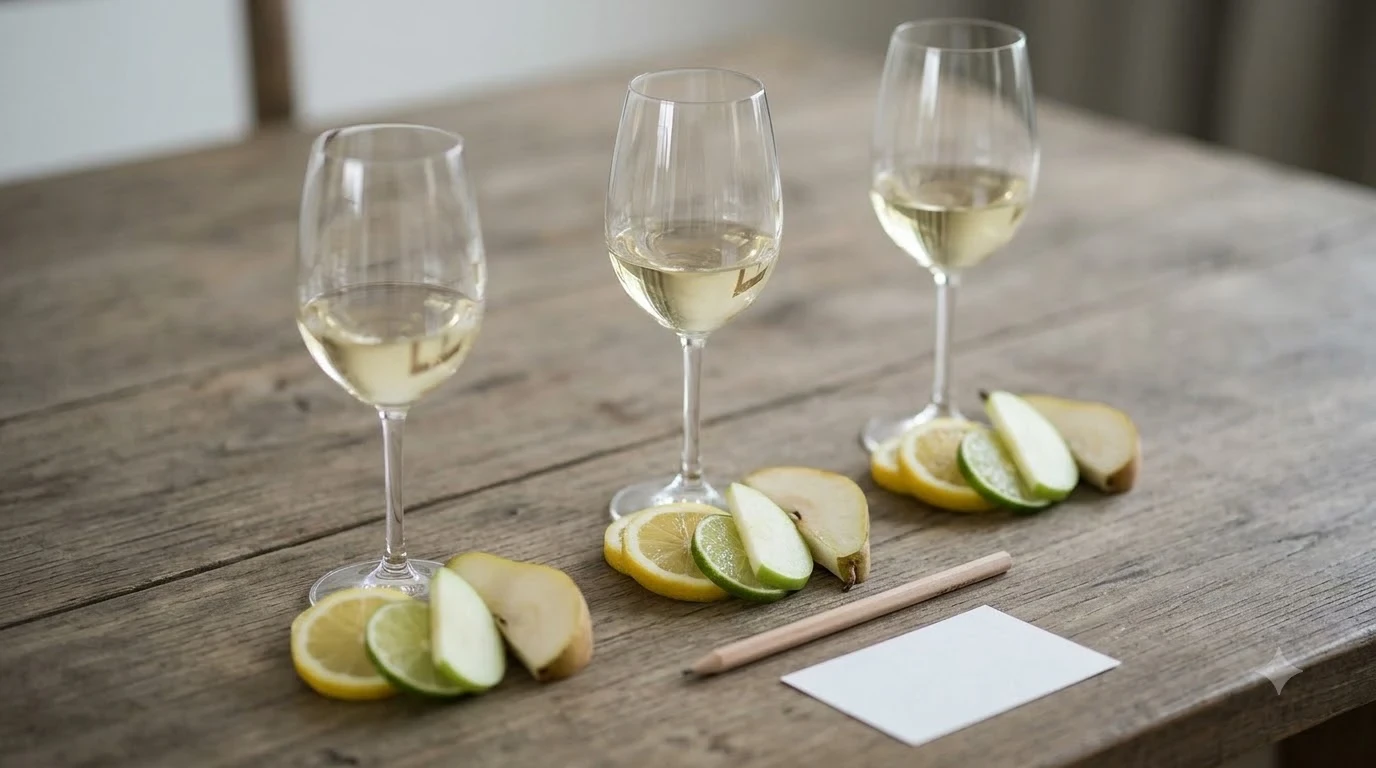

We may earn a commission when you buy through links on this page, at no extra cost to you. Learn more.
Should plum wine be chilled? Yes, Japanese plum wine is generally best served chilled, around 45–50°F, to highlight its refreshing fruitiness, balance its sweetness, and bring out its pleasant acidity. However, room-temperature and warmed servings can also be enjoyable, depending on the style and occasion. Whether you drink it straight, over ice, or mixed with soda water, the serving temperature makes a noticeable difference to its flavor and texture.
Japanese plum wine, commonly called umeshu, is a sweet-and-sour alcoholic liqueur made by steeping Japanese ume plums in alcohol and sugar. Unlike conventional grape wine, it offers a distinctive combination of ripe fruit, tartness, and sometimes almond-like aromas. Understanding the best serving temperature helps you enjoy these characteristics without allowing excessive sweetness or dilution to dominate the glass.
The Best Temperature for Serving Plum Wine
For most styles of Japanese plum wine, a chilled serving temperature of approximately 45–50°F is an excellent starting point. This range makes the drink refreshing while allowing its characteristic plum aroma, sweetness, and acidity to remain noticeable. It is particularly suitable for sipping umeshu straight as an aperitif or alongside a light meal.
Temperature matters because sweetness and acidity can seem different as a drink warms. A cooler serving generally makes sweet plum liqueur feel fresher and less syrupy. Its acidity becomes more noticeable, creating a more balanced impression. At warmer temperatures, the fruit aromas and sweet character become more prominent, which can be appealing if you prefer a richer, softer drink.
There is no single mandatory temperature for every bottle. For example, Kamotsuru’s junmai-based umeshu lists serving-temperature reference points that include 41°F, 50°F, and 68°F. These temperatures illustrate how the same general category of drink can be enjoyed across several serving conditions. A chilled glass is a reliable starting point, but the producer’s serving recommendation should guide your final choice.
| Serving style | Temperature | Expected experience |
|---|---|---|
| Well chilled | 41–45°F | Very refreshing, crisp, and cool |
| Lightly chilled | 45–50°F | Balanced fruit, sweetness, and acidity |
| Cool room temperature | 55–60°F | More expressive fruit aromas |
| Room temperature | 65–68°F | Fuller sweetness and softer texture |
| Warmed | Approximately 104–122°F | More pronounced aroma and richness |
These are practical tasting guidelines rather than universal legal serving requirements. A lighter, less sweet plum liqueur may taste particularly good at 50°F, while a rich, concentrated version may benefit from slightly colder service. If you are introducing umeshu to someone unfamiliar with it, start around 45–50°F and adjust the next pour according to preference.
How Chilling Changes Plum Wine’s Flavor
Chilling plum wine changes the way its sweetness, acidity, aroma, and texture are perceived. The most noticeable effect is usually a fresher, less syrupy impression, making chilled umeshu especially appealing during warm weather or before a meal.
Umeshu commonly combines the tartness of ume fruit with sweetness from added sugar and the character of its alcoholic base. At cooler temperatures, the sweetness can seem more restrained, allowing the fruit’s natural tartness to stand out. This is particularly useful for bottles with a pronounced sweet-and-sour profile.
The Japan Sake and Shochu Makers Association explains that chilled umeshu develops a refreshing tang supported by balanced acidity. Its guidance also distinguishes the flavor of room-temperature service, where the liqueur’s light almond-like sweetness becomes more apparent. This makes temperature an important part of the tasting experience rather than simply a matter of personal preference.
Chilling also affects aroma. A very cold drink releases less noticeable aroma than one served slightly warmer. If you serve plum wine directly from a particularly cold refrigerator, the initial impression may emphasize its refreshing acidity rather than its complete fruit character. Allowing the glass to stand for a few minutes can help its fragrance become more expressive.
Texture is another consideration. Many commercial umeshu styles have a relatively rich, sometimes syrupy consistency. Cooling the liquid makes that richness feel more refreshing, especially when the wine is served in a small glass. However, excessively cold service can make a delicate bottle seem less aromatic and can conceal some of its complexity.
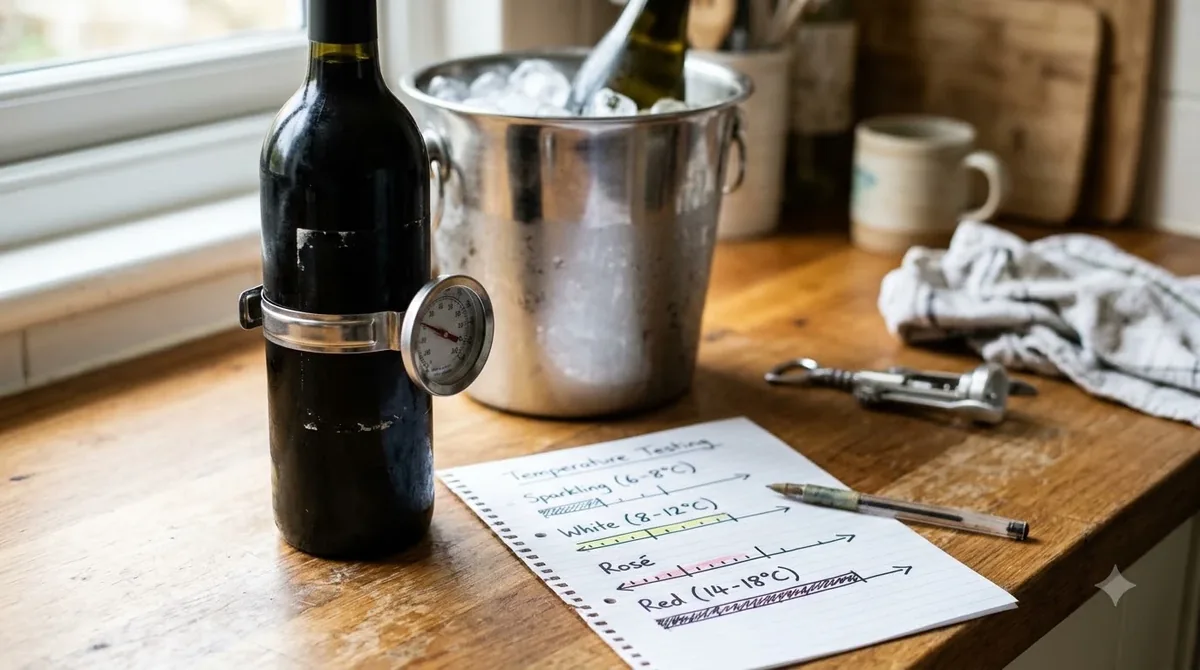
For a balanced tasting, pour a small serving at approximately 45°F and another at around 60°F. Compare the sweetness, acidity, aroma, and finish. The cooler sample may seem sharper and fresher, while the warmer sample may reveal more of its fruit and almond-like qualities. This simple comparison is a useful way to find your preferred serving temperature.
Tip: If your plum wine tastes excessively sweet, chill it before adding anything else. Try a serving at 45–50°F first. This can create a fresher impression without changing the original alcohol content or diluting the drink.
Three Ways to Serve Chilled Plum Wine
Plum wine is versatile enough to serve straight, over ice, or mixed with a carbonated beverage. Each method creates a different balance of fruit, sweetness, alcohol, and refreshment, so the best choice depends on the bottle and the drinking occasion.
1. Serve it straight and chilled
Serving umeshu straight is the simplest way to appreciate its original flavor. Refrigerate the bottle before serving and pour a modest amount into a small wine glass, sake cup, or liqueur glass. A temperature around 45–50°F is a practical starting point for this approach.
This method is particularly suitable for bottles with interesting ingredients or a distinctive production method. For example, Umenoyado Brewery makes its Umenoyado no Umeshu by steeping both green and ripe Japanese ume plums in its sake. The producer describes the result as having a light mouthfeel alongside the richness of sake and the freshness of plums. Its alcohol content is 12% ABV.
According to the Umenoyado Brewery product description, this particular plum liqueur can be enjoyed chilled, straight, or on the rocks. That recommendation illustrates why chilled service is a dependable first choice for exploring a bottle’s original character.
2. Serve it on the rocks
Pouring plum wine over ice is an excellent option if you prefer a colder, more refreshing drink. Add one large ice cube to a short glass and pour the liqueur over it. Large cubes are generally preferable because they melt more slowly than several small cubes, helping you control dilution.
As the ice melts, it gradually reduces the concentration of sugar, fruit flavor, and alcohol in the glass. This can make a particularly sweet or concentrated umeshu more approachable. However, too much melting ice can make the drink taste watery, so it is better to begin with a single large cube.
Kamotsuru recommends serving its junmai-shu jikomi Umeshu straight or on the rocks. The sake-based liqueur has a sweet-and-sour flavor profile and an alcohol content of 9–10% ABV. These characteristics make it a useful example of a lighter plum wine that can work well with ice.
3. Mix it with soda water
Plum wine and soda water create a refreshing highball-style drink. The bubbles lighten the texture, while dilution reduces the intensity of the sweetness. This preparation works especially well for people who enjoy fruit-forward cocktails but prefer something less concentrated than straight liqueur.
Start with approximately 2 ounces of chilled plum wine and 2–4 ounces of cold soda water. Add the soda gradually, taste, and adjust the ratio according to the sweetness and intensity of the particular bottle. A 1:1 mixture creates a more pronounced plum flavor, while a 1:2 mixture produces a lighter drink.
Use a tall glass filled with ice, pour in the plum wine, and top with soda water. Stir gently to preserve the carbonation. A thin slice of lemon or a small piece of fresh plum can provide an attractive garnish without overwhelming the main fruit flavor.
The Japan Sake and Shochu Makers Association also identifies soda water and tonic as suitable mixers for umeshu because they complement its sour notes while maintaining its fruit character. For more refreshing wine-based drinks, you can also learn should sangria be chilled and how serving temperature affects a mixed wine drink.

Food Pairings for Chilled Plum Wine
Chilled plum wine pairs particularly well with foods that complement its fruit sweetness and refreshing acidity. Japanese dishes, lightly salted snacks, seafood preparations, and fruit-based desserts are all useful starting points.
The first pairing principle is to consider sweetness. A sweet liqueur can taste less balanced beside a dessert that is considerably sweeter than the drink. For that reason, pair plum wine with desserts that have comparable or lower sweetness. Fresh fruit, lightly sweetened pastries, and desserts with moderate creaminess can work particularly well.
Fruit desserts are a natural match. Consider fresh strawberries, peaches, pears, or citrus-based desserts. Their fruit character can complement the plum aromas without introducing an excessive amount of additional sweetness. A fruit tart with moderate sugar content is another suitable option, particularly when the pastry has a slightly crisp texture.
Japanese dishes and savory snacks
Japanese cuisine offers several appealing pairings. Lightly salted edamame, grilled chicken skewers, vegetable tempura, and delicate seafood dishes provide savory flavors that contrast with the liqueur’s sweetness. The refreshing acidity of chilled umeshu helps keep these combinations from feeling too heavy.
For a more substantial meal, consider grilled salmon with a citrus dressing, chicken teriyaki with restrained sauce, or lightly seasoned shrimp. The sweet-and-sour character of the plum liqueur can complement savory preparations, particularly when the food contains a little acidity of its own.
Salt is also useful because it can make sweet flavors seem more balanced. A small serving of salted almonds, roasted cashews, or lightly salted rice crackers works well with a chilled glass. These snacks are especially convenient when serving umeshu as an aperitif before dinner.
Cheese and dessert combinations
Soft cheeses can create an enjoyable contrast with plum wine. Brie, mild goat cheese, and creamy fresh cheeses offer textures that complement the liqueur’s fruity character. A small cheese board with fresh pear slices and unsalted crackers makes a simple appetizer.
Dark chocolate is another interesting possibility. Its bitterness can balance the sweetness of plum wine, especially when the chocolate is not heavily sweetened. Avoid pairing an intensely sweet chocolate dessert with an equally sweet bottle, as the combination can become overwhelming.
For a broader introduction to pairing different styles, explore Wine by Type. Different wines have different levels of sweetness, acidity, and tannin, and understanding those characteristics helps explain why the same dish can work differently with plum liqueur, white wine, or red wine.
When planning a meal, consider the overall intensity of the food. Delicate flavors generally work best with lighter plum wines, while richer, more concentrated umeshu can accompany stronger savory dishes. A chilled glass should refresh the palate rather than overpower the meal.
How to Refrigerate and Store Plum Wine
Refrigeration is useful for preparing plum wine for service, but storage requirements depend on the particular product. Many umeshu bottles can be stored in a cool, dark place before opening, while some producers specify refrigeration or other handling instructions for particular styles.
For everyday serving, place the bottle in the refrigerator before your planned drinking occasion. A few hours is generally enough to bring a room-temperature bottle toward a pleasant chilled serving temperature. If you want a more precise result, use a clean wine thermometer rather than relying entirely on how cold the bottle feels in your hand.
After opening, keep the bottle tightly closed and follow the manufacturer’s storage instructions. Refrigeration is a sensible choice for maintaining a fresh serving temperature and limiting exposure to heat. Avoid leaving an opened bottle on a sunny kitchen counter or beside a warm appliance.
Protect the flavor after opening
Air exposure can gradually change the aroma and flavor of alcoholic beverages. Each time you open a bottle, oxygen enters the container, while repeated temperature changes can affect the drinking experience. Closing the cap firmly after pouring helps limit unnecessary exposure.
Unlike ordinary table wine, umeshu is a liqueur that can contain a relatively high concentration of sugar and alcohol. Its preservation characteristics therefore differ from those of a typical dry white or red wine. Nevertheless, this does not mean every bottle can be kept indefinitely after opening.
Some producers recommend cool, dark storage for their products, while others provide specific refrigeration instructions. Follow the storage guidance supplied for the particular bottle, especially when it contains fresh fruit, unusual ingredients, or a lower alcohol concentration.
Practical storage habits
Keep the bottle away from direct sunlight, excessive heat, and frequent temperature fluctuations. If refrigeration is recommended, store it upright with the closure secured. An upright position is particularly practical for liqueurs because it reduces prolonged contact between the liquid and the closure.
For an opened bottle, write the opening date on a small removable label if you expect to keep it for more than a few days. This simple habit makes it easier to track how long the bottle has been in use. Examine the aroma and appearance before serving, and discard a product that shows unexpected spoilage or other signs of deterioration.
Remember that the ideal drinking temperature and the ideal long-term storage temperature are not necessarily the same. You can store a bottle according to its manufacturer’s instructions and chill a small serving separately before pouring. This gives you greater control over the final drinking experience without repeatedly changing the bottle’s storage conditions.
Different Plum Wine Styles and Their Serving Temperatures
Not every plum wine tastes the same, and the best serving temperature can vary with the alcoholic base, sweetness, fruit concentration, and production method. Traditional shochu-based umeshu, sake-based versions, and modern fruit liqueurs can all benefit from different approaches to chilling.
Traditional shochu-based umeshu
Traditional umeshu is commonly made by steeping green ume plums and sugar in distilled alcohol. The Japan Sake and Shochu Makers Association explains that 35% ABV shochu is frequently used as the base alcohol in this production process. The resulting liqueur is generally sweet, fruity, and moderately acidic.
A chilled serving around 45–50°F is a good starting point for this style. If the bottle tastes particularly rich or concentrated, try serving it over one large ice cube. This gradually softens its sweetness and alcohol intensity while preserving much of its plum character.
Sake-based plum wine
Sake-based umeshu combines ume fruit with the flavor characteristics of brewed rice alcohol. These versions can have a softer mouthfeel and a different balance of fruit, acidity, and richness compared with versions made primarily using distilled spirits.
Umenoyado no Umeshu is one example. Its ingredients include Japanese ume, brewed alcohol, spirits, sake, and sugars, and its alcohol content is 12% ABV. The brewery recommends chilled, straight, and on-the-rocks preparations, with warm service also suggested for colder seasons.
Kamotsuru’s junmai-shu jikomi Umeshu is another example of a sake-based plum liqueur. Its listed alcohol content is 9–10% ABV, and its sweet-and-sour profile makes it suitable for several serving approaches. A lightly chilled glass is a useful way to begin exploring this type of plum wine.
Fruit-forward and specialty plum liqueurs
Some modern plum liqueurs emphasize a stronger fruit aroma, a smoother texture, or a distinctive sweetness. These products may contain additional ingredients or use different alcoholic bases, so their ideal serving conditions can vary.
A very sweet, thick liqueur often benefits from colder service or a little dilution. A lighter, more delicate version may be more enjoyable when only lightly chilled, allowing the fragrance to develop in the glass. There is no reason to assume that all bottles should be served at exactly the same temperature.
For a first tasting, use approximately 45–50°F as your reference point. If the liqueur seems too sweet, serve it a little colder or add a small amount of soda water. If its aroma seems muted, allow it to warm slightly in the glass before deciding whether it needs further adjustment.
Plum wine also differs from other sweet wine styles. For example, should ice wine be chilled is a separate serving question because ice wine is made from frozen grapes and has its own balance of concentrated fruit sweetness and acidity. Similarly, sparkling wine generally needs colder service to preserve its refreshing character and bubbles; see should sparkling wine be chilled for more details.
Frequently Asked Questions
Is Japanese plum wine made from the same plums used for fresh eating?
Umeshu traditionally uses ume, a Japanese fruit related to apricots rather than the familiar European dessert plum. Ume is generally harvested while still unripe for this type of preparation. Its distinctive acidity makes it particularly suitable for steeping with sugar and alcohol.
Does Japanese plum wine contain sediment?
Some specialty plum liqueurs can contain fruit pulp or natural sediment, particularly products made with a more substantial amount of fruit. This does not automatically indicate spoilage. If the producer recommends gentle mixing, follow that guidance rather than vigorously shaking the bottle.
Can you use plum wine in cooking?
Yes. Umeshu can be used in sauces, marinades, and dessert preparations where a combination of fruit sweetness and acidity is useful. It can complement pork, chicken, and fruit-based sauces. Remember that heating changes its aroma and reduces some of its original freshness.
What glass should you use for Japanese plum wine?
A small stemmed wine glass, traditional sake cup, or short liqueur glass can all work well. A tulip-shaped glass is particularly useful for tasting because its narrower opening concentrates the aromas. A short tumbler is a practical choice for servings prepared on the rocks.
Can homemade plum wine be served in the same way as commercial umeshu?
Yes, homemade umeshu can generally be served chilled, at room temperature, or over ice, depending on its flavor and preparation. However, homemade batches can vary considerably in sugar concentration, alcohol content, and steeping time. The taste of each batch should guide the serving method rather than assuming every homemade recipe produces the same result.
So, should plum wine be chilled? For most bottles, yes: approximately 45–50°F is an excellent starting point for enjoying its fruitiness, balanced acidity, and refreshing sweetness. Experiment with straight, on-the-rocks, and soda-water preparations to discover your preferred style. Whether served as an aperitif, alongside Japanese food, or with dessert, properly chilled umeshu offers a distinctive and enjoyable drinking experience.
More in Wine Types & Grapes
 Zinfandel Sugar Content: Dry Red vs. White Zinfandel GramsUpdated Nov 21, 2026
 Best Zinfandel Substitute Options for Sipping and CookingUpdated Nov 21, 2026
 Zweigelt Food Pairing: Best Dishes, Cheeses, and Serving TipsUpdated Nov 21, 2026
 Zinfandel Tannins Explained: How Structure Shapes Every BottleUpdated Nov 21, 2026
 Zinfandel Sweetness Level: Dry Red vs. Sweet White Zin ExplainedUpdated Nov 21, 2026
 Xinomavro Food Pairing: Best Dishes, Styles, and Serving TipsUpdated Nov 21, 2026