

We may earn a commission when you buy through links on this page, at no extra cost to you. Learn more.
Yes, should pet nat be chilled is one of the most common questions among sparkling wine drinkers, and the answer is always yes—serve it thoroughly cold between 41°F and 50°F (5°C to 10°C). Chilling pétillant naturel keeps dissolved carbon dioxide stable so the bottle does not foam over when you pry off the crown cap, while also settling natural yeast sediment at the bottom and sharpening the wine’s crisp acidity.
Because pét-nat finishes its first and only fermentation inside the sealed bottle without being disgorged, temperature plays a direct role in both safety at the table and flavor in the glass. Learning how cold to serve this lively style ensures you get clean pours, vibrant fruit, and gentle bubbles rather than a messy geyser on your kitchen counter.
Ideal Serving Temperatures for Pet-Nat by Style
Most pét-nat bottles show their best balance between 41°F and 50°F, though the exact target depends on whether the wine is a crisp white, a fruity rosé, or a textured red sparkling style. Lighter, high-acid bottles taste brightest near the bottom of that range, while skin-contact or red-grape bottlings open up nicely a few degrees warmer.
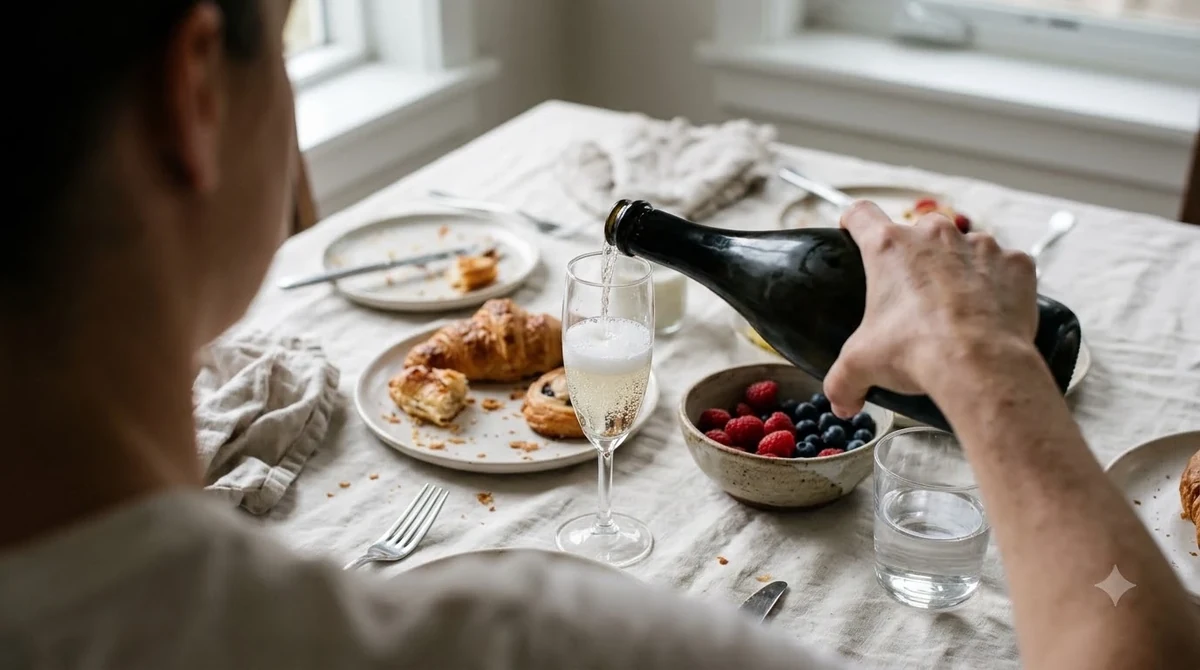
According to Wine Enthusiast’s serving temperature guide, sparkling wines generally perform best around 41°F to 45°F because cold temperatures preserve effervescence and highlight crisp citrus notes and natural acidity. That cooler window works especially well for lean, citrus-driven white pét-nats made from grapes like Chenin Blanc, Sauvignon Blanc, or Mauzac, which typically land around 10.5% to 12% alcohol by volume. Standard household refrigerators run close to 38°F to 40°F, meaning a bottle pulled straight from the fridge is right in the sweet spot for an energetic white sparkler.
Rosé, skin-contact orange, and red pét-nats carry a touch more phenolic grip and riper berry or orchard-fruit character, so letting them sit on the counter for ten to fifteen minutes after leaving the fridge brings them closer to 45°F to 50°F. At that slightly higher temperature, delicate aromatics of crushed strawberries, baked apple, and bread dough emerge without making the bubbles feel aggressive. Just as with traditional sparkling wine, letting a textured bottle warm gradually in your glass lets you experience how the aromatics evolve from the first sip to the last.
| Pet-Nat Style | Ideal Serving Temp (°F) | Ideal Serving Temp (°C) | Typical Fridge Time (from 72°F) |
|---|---|---|---|
| Crisp White Pet-Nat (e.g., Chenin Blanc, Mauzac) | 41°F–45°F | 5°C–7°C | 2 to 3 hours |
| Rosé Pet-Nat | 43°F–48°F | 6°C–9°C | 2 hours |
| Skin-Contact / Orange Pet-Nat | 45°F–50°F | 7°C–10°C | 1.5 to 2 hours |
| Red Pet-Nat (e.g., Gamay, Lambrusco-style) | 46°F–50°F | 8°C–10°C | 1.5 hours |
Why Chilling Matters More for Pet-Nat Than Regular Wine
Unlike still wines or disgorged Champagnes, pét-nat is an unfiltered, living sparkling wine bottled mid-fermentation with active yeast cells and dissolved carbon dioxide still inside. Serving it cold controls bottle pressure, manages natural lees sediment, and keeps the wine’s rustic aromas focused.
The primary practical reason to chill pét-nat thoroughly is pressure control. According to Wine Enthusiast’s Pét-Nat Primer, winemakers bottle the fermenting must before all sugars convert, trapping carbon dioxide gas inside the glass at roughly two to four atmospheres of pressure. Carbon dioxide stays dissolved in liquid far more readily at cold temperatures; when a bottle warms up, gas escapes rapidly the moment you lift the crown cap, frequently turning an unchilled bottle into an overflowing fountain.
Cold storage before opening also governs clarity and texture in the glass. Because pét-nat skips the riddling and disgorging steps used in Champagne, spent yeast cells—known as lees—remain loose inside the bottle. Standing the bottle upright in the refrigerator for several hours or overnight encourages those fine particles to settle neatly into the punt at the bottom, allowing you to pour clear, bright glasses first and decide whether to swirl the cloudy, creamy lees into the final pour.
Flavor balance is the third reason chilling is essential. Many pét-nats retain a whisper of residual sugar alongside zippy acidity and savory, yeasty notes from lees contact. Cold temperatures tighten the wine’s structure, making residual sweetness feel refreshing rather than cloying while keeping funky, cider-like aromatics crisp and inviting rather than overly pungent.
Tip: Store your pét-nat standing upright in the refrigerator for at least four hours before opening so natural yeast sediment settles cleanly to the bottom of the bottle.
How to Chill a Bottle Quickly Before Serving
If you forgot to put your bottle in the refrigerator ahead of time, an ice-water bath with a handful of table salt will bring a room-temperature pét-nat down to serving temperature in roughly 15 to 20 minutes. Avoid leaving sparkling bottles unattended in the freezer, where rapid freezing can spike internal pressure or crack the glass.
To build an effective ice bath, place the bottle upright in a deep bucket or tall kitchen pot, fill the container halfway with ice cubes, and top it with cold water until the liquid reaches the neck of the bottle. Water conducts heat away from glass much faster than cold air alone, and stirring in two or three tablespoons of kosher or table salt lowers the freezing point of the water, chilling the wine evenly in about a quarter of an hour.
If you need to chill a bottle in a standard kitchen refrigerator without an ice bucket, plan on two to three hours from a typical 72°F room temperature. Wrapping the bottle in a damp paper towel before placing it on a refrigerator shelf speeds up heat transfer slightly, shaving roughly twenty minutes off the wait time while keeping the bottle upright so the sediment stays undisturbed.
Opening and Pouring Chilled Pet-Nat Safely
Even a well-chilled pét-nat demands a gentle, unhurried opening technique because natural fermentation pressure varies slightly from bottle to bottle. Keep a clean wine glass right beside the bottle before you touch the bottle opener so you can catch any immediate foam without wasting a drop.
First, make sure the bottle has rested upright long enough for any agitation from a grocery bag or car ride to subside. Hold the bottle at a 45-degree angle over your sink or directly above a wide-bowled glass, place a standard church-key bottle opener under the edge of the crown cap, and ease the cap up slowly rather than popping it off in one sharp motion. Hearing a soft, gradual hiss lets excess pressure escape safely before the cap comes completely free.
For glassware, skip narrow Champagne flutes and reach for a standard universal wine glass or white wine glass instead. Flutes are built to preserve tight streams of high-pressure bubbles, whereas pét-nat features softer, gentler effervescence and expressive aromas of orchard fruit, citrus blossom, and brioche that need a wider bowl to open up. Pour slowly down the inside wall of the glass to preserve the gentle fizz and avoid disturbing the sediment resting at the base.
How Storage Temperature Affects Unopened and Opened Bottles
Unopened pét-nat should be stored in a cool, dark spot below 55°F and consumed within one to two years of release, while an opened bottle must go straight back into the refrigerator with a sparkling wine stopper. Heat accelerates yeast activity and dulls the fresh fruit character that defines the style.
Because pét-nat is built for early drinking rather than long-term cellaring, keeping unopened bottles away from warm kitchens, sunny countertops, and radiator vents prevents premature refermentation or flavor fatigue. Unlike traditional cork-finished sparkling wines, most pét-nats are sealed with metal crown caps that do not dry out, meaning you can store unopened bottles either upright in a wine fridge or lying down in a cool pantry until a few hours before serving.
Once you pop the cap, cold temperature becomes your only defense against flat bubbles. Clamp a hinged sparkling wine sealer over the rim and return the bottle to the main compartment of your refrigerator immediately; stored at 38°F to 40°F, most pét-nats hold pleasant effervescence and bright fruit for one to two days. If you enjoy exploring chilled wine styles across different wine types, you will notice that keeping opened bottles cold is just as important for preserving freshness as it is when deciding whether sangria should be chilled or checking if ice wine needs to be chilled before pouring.
Frequently Asked Questions
Can you serve pet-nat at room temperature?
Serving pét-nat at room temperature is strongly discouraged because warm liquid releases dissolved carbon dioxide rapidly, often causing the bottle to gush over when opened. Warm temperatures also make the wine taste flat, overly yeasty, and unbalanced compared to a crisp, chilled pour.
Should you shake or swirl pet-nat to mix the sediment before opening?
Never shake a bottle of pét-nat before opening, as agitating the dissolved gas and yeast particles will trigger an immediate eruption under the crown cap. If you want the richer texture of the lees, pour the first clear glasses normally and then gently swirl the remaining wine at the bottom of the bottle before pouring the final glass.
Can you put pet-nat in the freezer to chill it fast?
Leaving pét-nat in the freezer carries a high risk of forgetting the bottle, which can cause the water in the wine to freeze, expand, and shatter the pressurized glass. Use a salted ice-water bath on the counter instead, which chills the bottle safely in 15 to 20 minutes.
Does chilling pet-nat kill the natural yeast inside the bottle?
Refrigerating pét-nat at 38°F to 45°F puts any remaining yeast into a dormant state without harming the wine’s flavor or texture. Keeping the bottle cold simply pauses further fermentation in the glass and preserves the fresh fruit notes and gentle bubbles until you are ready to drink.
Giving your bottle a few hours in the refrigerator—or twenty minutes in an ice bucket—makes all the difference between a messy pour and a vibrant, refreshing glass of sparkling wine. Aim for 41°F to 50°F depending on the style, open the crown cap gently at an angle, and enjoy the lively fruit and soft bubbles at their crisp best.
More in Wine Types & Grapes
 Zinfandel Sugar Content: Dry Red vs. White Zinfandel GramsUpdated Nov 21, 2026
 Best Zinfandel Substitute Options for Sipping and CookingUpdated Nov 21, 2026
 Zweigelt Food Pairing: Best Dishes, Cheeses, and Serving TipsUpdated Nov 21, 2026
 Zinfandel Tannins Explained: How Structure Shapes Every BottleUpdated Nov 21, 2026
 Zinfandel Sweetness Level: Dry Red vs. Sweet White Zin ExplainedUpdated Nov 21, 2026
 Xinomavro Food Pairing: Best Dishes, Styles, and Serving TipsUpdated Nov 21, 2026