

We may earn a commission when you buy through links on this page, at no extra cost to you. Learn more.
The Shenandoah Valley wine trail runs through Virginia’s first federally recognized wine region, the Shenandoah Valley American Viticultural Area, where a rain-shadow climate supports wineries growing Cabernet Franc, Chardonnay, Viognier and Norton. The area was established in 1982 and spans Virginia and a small part of West Virginia. Most visitors plan a route through the valley’s small towns, stopping at family-run estates that often pour a mix of European and native American grapes.
This guide explains what the Shenandoah Valley wine trail is, what makes the valley’s climate unusual, which grapes you are likely to taste, and how to plan a visit that suits your pace. It also covers what to ask at a tasting room and how to choose bottles to take home.
What the Shenandoah Valley Wine Trail Covers
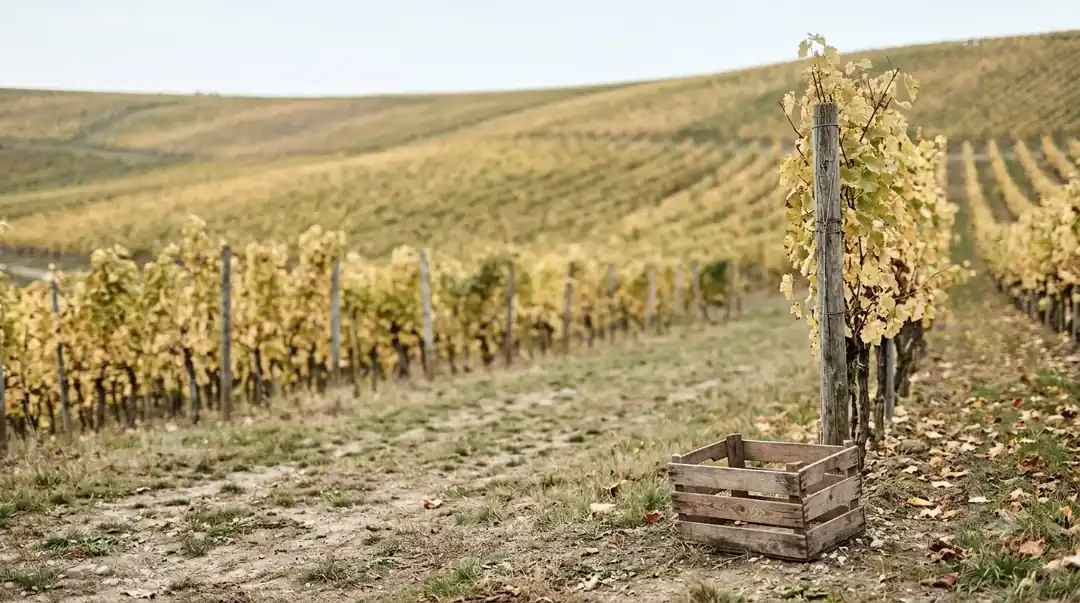
The Shenandoah Valley is a long, fertile valley lying between the Blue Ridge and Allegheny Mountains. The American Viticultural Area (AVA) that bears its name is broad, covering about 2.4 million acres, or about 3,750 square miles. Most of the area is in Virginia, with a small portion in West Virginia’s Eastern Panhandle. Virginia’s wine trail network is built around these estates, and the AVA itself is one of the older designations in the country, dating to December 28, 1982.
The region is a patchwork rather than one continuous vineyard belt. The official designation describes 22 vineyards and 11 wineries, with about 216 acres of planted vineyard in Virginia and 30 acres in West Virginia. Those numbers are small compared with the total valley size, but they reflect a region where many estates are close together and many visitors can reach several in a single day. Check the current winery list on each estate’s own website, since the number of tasting rooms changes over time.
Why the Climate Matters for Wine
The valley’s climate is shaped by its position. It sits in the rain shadow between the Blue Ridge and Allegheny mountains, and its average annual rainfall is about half the Virginia average. The designation gives an average precipitation of about 34 to 38 inches per year. Drier conditions help reduce disease pressure in the vineyard, which is one reason growers can make wine here in a humid eastern state.
The valley is warm in summer and has enough growing heat to ripen many grapes, with the designation listing 4,344 to 4,866 growing degree-day units. Cool nights help keep acidity in the wine. That balance of warmth and cooler evenings is what gives many Shenandoah wines their fresh, bright character, rather than the heavy style some visitors expect from a hot-climate region.
| Trail feature | What the designation reports | Why it matters for a visit |
|---|---|---|
| Established | December 28, 1982 | Virginia’s first AVA, and one of the older designations in the country |
| Area | About 2.4 million acres (3,750 sq mi) | Long, spread-out valley, so plan routes carefully |
| Vineyards and wineries | 22 vineyards and 11 wineries | Several estates can be reached in one day |
| Planted vineyard | 216 acres in Virginia, 30 acres in West Virginia | Small producers, so book ahead on busy weekends |
| Rainfall | About half the Virginia average | Drier summers than much of the state |
Grapes You Are Likely to Taste
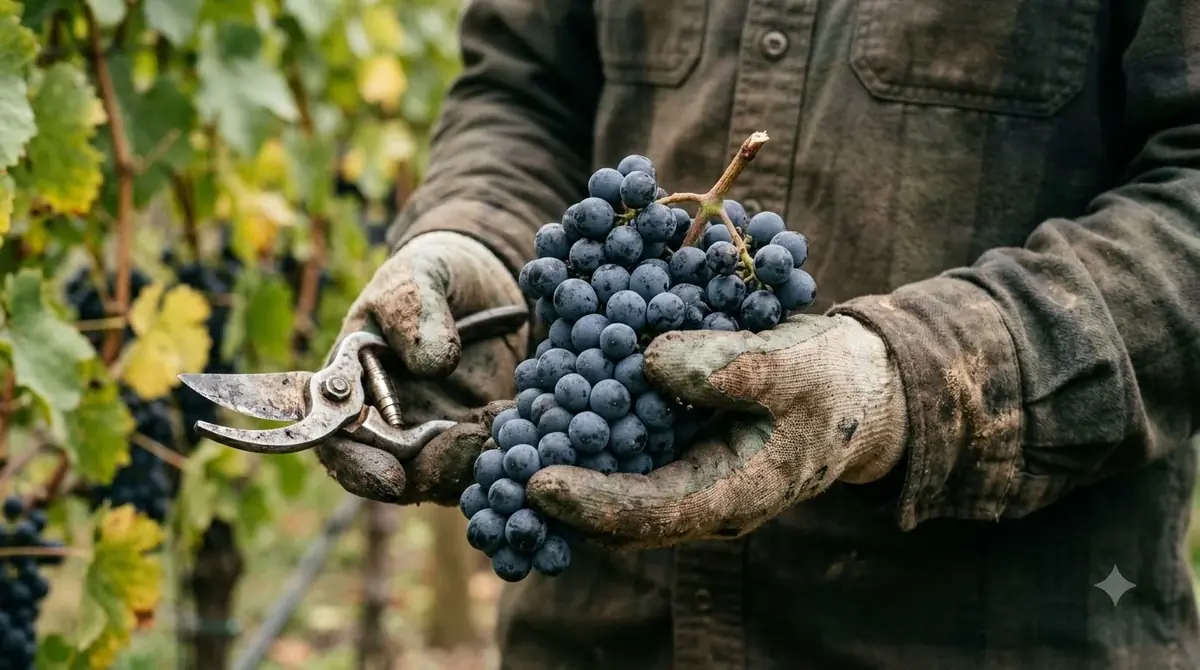
The designation lists a wide range of grapes grown in the valley, including Cabernet Franc, Chardonnay, Gewürztraminer, Riesling, Traminette, Viognier, Norton, Cabernet Sauvignon, Merlot and Chambourcin. That mix means a tasting can move from aromatic whites to structured reds without leaving the trail. Many estates offer both European and native-hybrid wines, which gives visitors a good chance to compare grapes side by side.
Cabernet Franc is one of the most useful grapes to taste on the trail. Wine Folly describes it as dry and medium-bodied, with high acidity, medium-high tannins and flavors that often include strawberry, raspberry and bell pepper. Cooler climates bring tart red fruit and violet notes, while warmer climates give richer, dried-fruit flavors and fuller body. The Shenandoah’s mix of warm days and cool nights sits between those two patterns, so expect a bright, fruit-forward style with a clear savory edge.
Tip: Try a white and a red from the same estate. Comparing a Viognier or Riesling with a Cabernet Franc or Norton shows how the valley handles both aromatic whites and structured reds.
How to Plan a Shenandoah Valley Wine Trail Visit
A good plan starts with distance. The valley is long, and roads between towns can take longer than the map suggests, so group estates that are close together. Two or three tasting rooms in a day is a comfortable pace, and it leaves time for lunch and for the scenery between stops. Weekends are busiest in the warmer months, so arrive early or book a tasting slot if the estate offers one.
Start at the more open-air or simpler estates, then move to those with more formal tastings if you want a full experience. Ask the host which wines are most popular and why. Many estates are family run, and the people pouring the wine are often the same people who tend the vines, so a conversation can tell you as much as the label.
Plan for a designated driver or a driver-free option. Tasting rooms encourage sampling small pours, but the trail is spread out, and a rideshare or a tour company may be a practical choice if you want to taste more than one or two wines. Drink water between tastings, eat something along the way and pace yourself.
What to Ask at a Tasting Room
Good questions make a tasting more rewarding. Ask which grapes are estate grown and which are sourced from elsewhere. Ask how the wine is aged and whether the estate uses oak. For reds, ask about the vintage and whether the wine is meant to be drunk young or kept. For whites, ask whether the wine is fermented dry or has a touch of sweetness, since that changes how it pairs with food.
It also helps to ask about food. Many estates in the valley are built around casual meals, cheese plates and local produce, so a host can often suggest pairings. If you are interested in a particular grape, such as Norton or Traminette, ask how the estate makes it and what style it prefers, because native and hybrid grapes can taste quite different from the European varieties many visitors know.
Choosing Bottles to Take Home
Buy a mix of styles rather than a full case of one wine. A white, a light red and a fuller red give you a sense of what the valley does well. Estates are often happy to pour a second taste of something you are considering, so do not be shy about asking. Keep in mind that small producers may have limited quantities, and popular bottles can sell out during peak season.
Check whether the estate ships to your state before you buy, since shipping rules for wine vary across the United States. If you cannot take bottles home, look for the Shenandoah Valley or Virginia label on shop shelves, and try the grapes you enjoyed on the trail, such as Cabernet Franc or Viognier, to recreate the style at home.
Frequently Asked Questions
What is the Shenandoah Valley wine trail?
It is a route of wineries and tasting rooms in the Shenandoah Valley, a region covering most of the Shenandoah Valley American Viticultural Area in Virginia with a small part in West Virginia. Visitors usually plan a route through several estates in one or more days.
How many wineries are in the Shenandoah Valley AVA?
The designation lists 22 vineyards and 11 wineries. Numbers change over time, so check each estate’s website for current hours and tasting options before you visit.
What grapes are grown in the Shenandoah Valley?
Common grapes include Cabernet Franc, Chardonnay, Gewürztraminer, Riesling, Traminette, Viognier, Norton, Cabernet Sauvignon and Merlot, plus Chambourcin.
How many wineries should I visit in one day?
Two or three estates is a comfortable pace. The valley is long, so group wineries that are close together and leave time for meals and driving.
A Shenandoah Valley wine trail visit works best with a clear route, a few well-chosen tastings and a willingness to ask questions. Start with a light white, move to a Cabernet Franc or Norton, and take home the bottles that surprised you. For more regional guides, visit the Wine Regions section, or compare the trail with the illinois wine trail, the missouri wine trail or the tennessee wine trail. For the grape background, see Wine Folly’s Cabernet Franc guide, and for the AVA’s official details, see the Wikipedia entry on the Shenandoah Valley AVA.
More in Wine Regions
 Willcox Wine Trail: Discover Arizona’s High-Elevation Wine CountryUpdated Nov 20, 2026
 Yakima Valley Wine Region: Find the Best Styles to TryUpdated Nov 20, 2026
 Vosne Romanee Wine Tasting: Identify Aromas and Choose Better PairingsUpdated Nov 20, 2026
 Yakima Valley Wine Festival: Find the Best Seasonal Wine EventsUpdated Nov 20, 2026
 Wales Vineyards: Discover Cool-Climate Wines and Where to VisitUpdated Nov 20, 2026
 Yountville Wine Festival: Discover Napa Wines and Local FoodUpdated Nov 20, 2026