

We may earn a commission when you buy through links on this page, at no extra cost to you. Learn more.
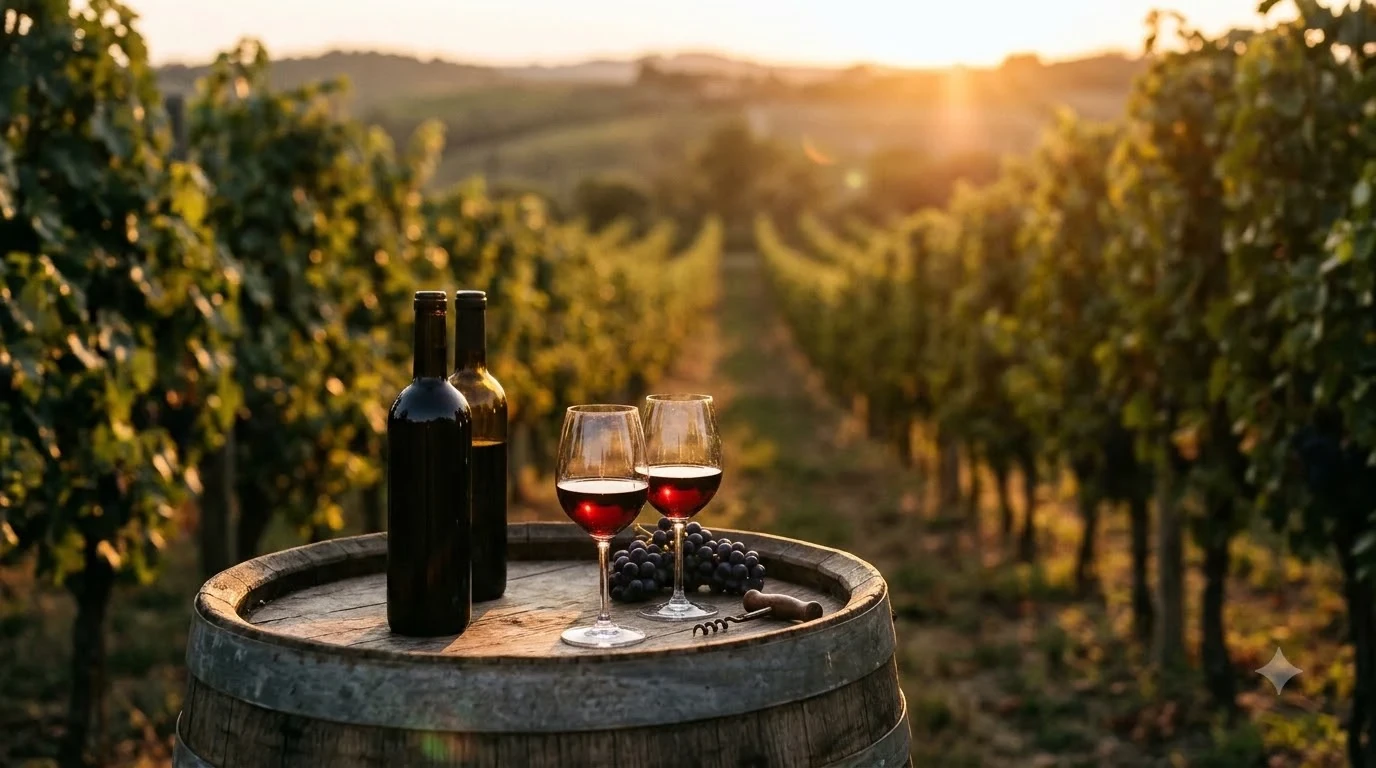
Seneca Lake vineyards sit on the shores of New York’s Finger Lakes, and Riesling is the grape that defines them. The Seneca Lake AVA was established in 2003 and now includes more than three dozen wineries. The lake is the deepest of the eleven Finger Lakes, and its water warms the air in autumn and cools it in spring, which lengthens the growing season and shapes the wines.
This guide covers where the Seneca Lake vineyards are, how the lake changes the climate, which grapes are planted and why Riesling leads, how to serve and pair the wines, and how to plan a visit. It is written for travelers and for home drinkers who want to understand this part of the Finger Lakes before buying a bottle.
Where the Seneca Lake AVA Sits
The Seneca Lake AVA lies in New York’s Finger Lakes region, in the upstate part of the state. It covers about 204,600 acres, but the planted area is far smaller. Reference material on the appellation lists about 3,756 acres of vines, which is a useful reminder that most of the land is forest, farms, and towns rather than vineyard.
The AVA was established on July 3, 2003, as the nation’s 149th AVA and the state’s seventh. Glenora Wine Cellars is recognized as the first winery in the Seneca Lake region, opening in 1977. Wagner Vineyards Estate Winery followed in 1979. The region’s growth since then has produced a dense cluster of tasting rooms along the lake’s shores.
How the Lake Shapes the Climate
Seneca Lake is the deepest of the Finger Lakes, reaching up to about 634 feet at its maximum depth. That depth matters because the water stores heat through the summer and releases it slowly through the year. The lake rarely freezes, and it acts as a thermal buffer for the vineyards along its shores.
In practice, cool spring breezes off the water delay bud break, which protects young shoots from late frosts, and warm autumn air from the lake delays the first frost. Reference material describes the result as a growing season of about 190 days. This lake effect is strongest within roughly half a mile of the shoreline, so a vineyard’s distance from the water can change its ripening pattern noticeably.
Why Riesling Leads the Region
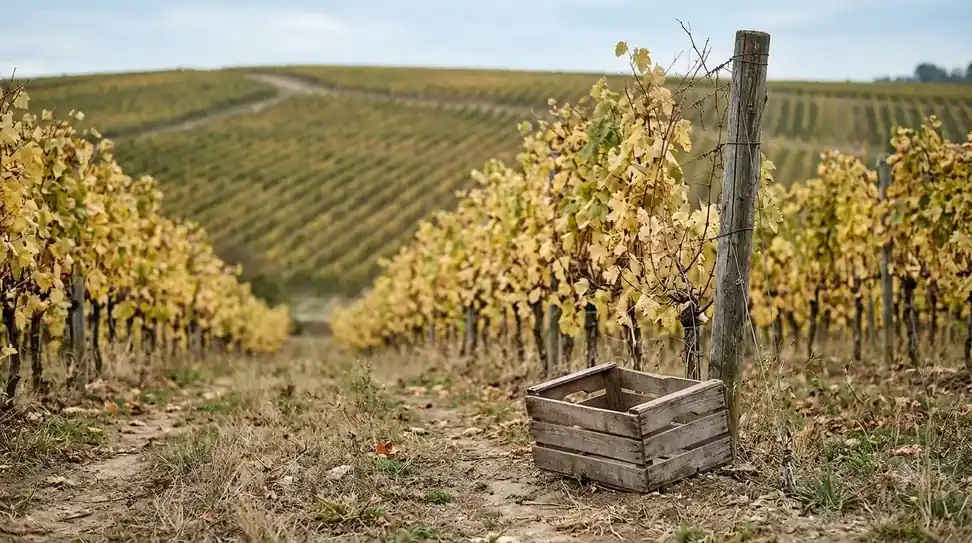
Riesling is the most commercially important variety in the Seneca Lake AVA. Its ability to ripen in a cool climate and keep bright acidity suits a lake-influenced site, and many of the region’s most visible wines are Riesling in one style or another. The grape can express the lake’s character clearly, from crisp dry bottlings to sweeter wines.
Alongside Riesling, the region grows Cabernet Franc, Chardonnay, Pinot noir, and many other vinifera and hybrid grapes. Cabernet Franc adds a red option alongside the whites, and Chardonnay and Pinot noir add range for visitors who prefer something other than Riesling. The variety list is wide, so a tasting can cover more than one color and style.
| Feature | What it means for visitors |
|---|---|
| Established | July 3, 2003, a Finger Lakes AVA |
| Planted area | About 3,756 acres within a 204,600-acre AVA |
| Main grape | Riesling, the most commercially important variety |
| Lake depth | Up to about 634 feet, the deepest Finger Lake |
| Growing season | About 190 days, helped by lake warmth in autumn |
Riesling Styles and How to Taste Them
Riesling is a versatile grape, and the styles range from bone-dry to very sweet. Wine Folly’s Riesling guide describes the aromas as lime, green apple, beeswax, jasmine, and petroleum, and notes that the typical profile is off-dry, with light body, high acidity, and low alcohol. That combination makes Riesling one of the easiest wines to enjoy during a long tasting day.
When tasting in the region, ask the staff to show you a dry and an off-dry bottling side by side. The difference in sweetness is easier to notice when you compare them directly, and it tells you more about the producer’s winemaking than a label alone.
Serving and Pairing Seneca Lake Wine
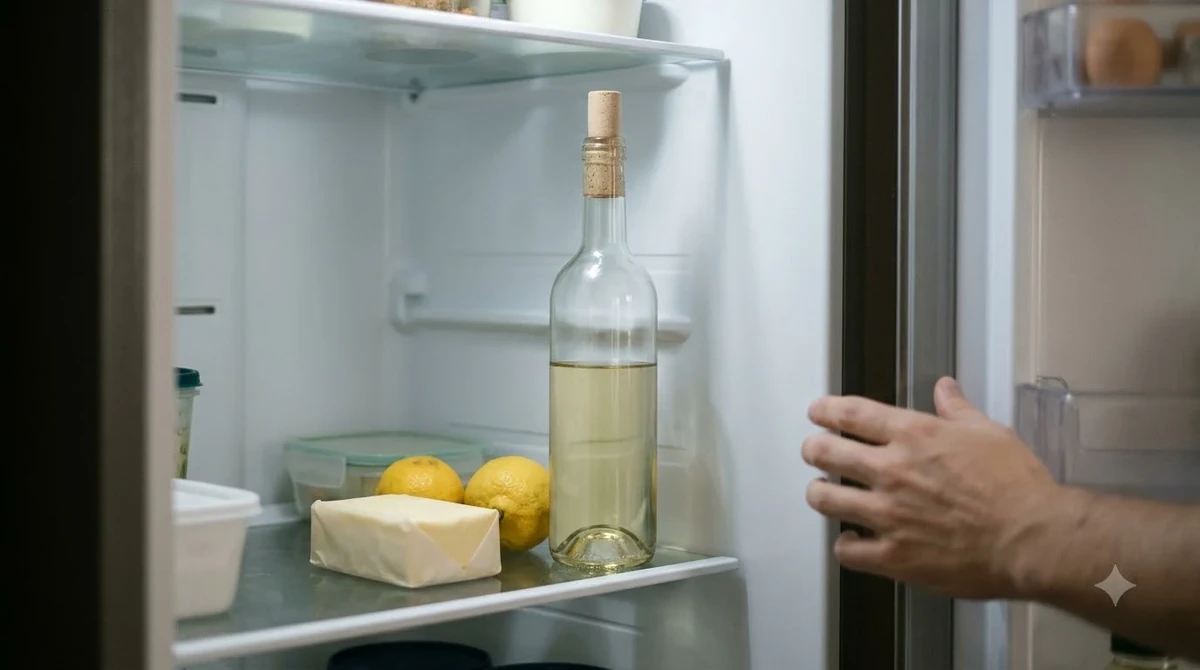
Riesling is best served chilled, and Wine Folly suggests a temperature range of about 38 to 45 degrees Fahrenheit, in a white wine glass. The page advises against decanting. Keep the bottle in the refrigerator before serving, and pour a bit at a time so the wine warms slowly and the aromas stay lively.
Off-dry Riesling suits spicy Indian and Asian cooking, where the sweetness balances the heat. It also pairs well with duck, pork, bacon, shrimp, and crab. Dry styles are a good match for lighter seafood, salads, and roast chicken, while sweeter styles can work with fruit desserts. Cabernet Franc and Pinot noir from the region suit roast poultry and mushroom dishes.
Planning a Seneca Lake Winery Visit
With more than three dozen wineries, a visit needs a plan. Many tasting rooms cluster along the lake, so choose a route that keeps driving time short and lets you enjoy the views. The lake’s shores can be busy in summer and fall, so booking a tasting or a lunch reservation is a good idea on weekends and during harvest season.
Ask each winery about its style before you visit. Some focus on Riesling, others on red wines or sparkling styles, and the staff can point you toward the bottles that match your taste. The Hermann J. Wiemer Vineyard and Glenora are among the names regularly cited in the region’s history, so they make a useful starting point for a first trip.
If you are comparing regional visits, the wine regions guide explains how climate, soil, and grape choice shape styles across different appellations. It is a useful companion for planning a trip that covers more than one region.
How to Choose a Bottle From Seneca Lake
Start by deciding which style you like. A dry Riesling is a good first choice for most drinkers, while an off-dry bottling suits people who enjoy fruit and a touch of sweetness. Check the label for the vintage, the grape, and whether the wine is labeled Seneca Lake, since the AVA name tells you the grapes came from the appellation.
Storage matters for Riesling. The wine keeps well in a cool, dark place, and the Wine Folly guide notes that some styles can age for ten years or more. If you plan to age a bottle, buy from a producer that publishes its vintage notes and cellar advice, which gives you a better sense of how the wine will develop.
For a different style of regional event, the Prince Edward County vineyards guide describes another cool-climate wine area shaped by a large body of water, which makes a useful comparison for anyone interested in how lakes affect wine.
Frequently Asked Questions
Why is Riesling so important in the Seneca Lake region?
Riesling is the most commercially important variety in the AVA. It ripens well in cool conditions, keeps bright acidity, and can express the region’s character in styles from dry to sweet.
How deep is Seneca Lake, and why does that matter for vineyards?
The lake reaches up to about 634 feet at its maximum depth, making it the deepest of the eleven Finger Lakes. Its water stores heat and releases it slowly, which delays spring frost and extends the autumn growing season near the shore.
Which other grapes are grown in the Seneca Lake AVA?
Cabernet Franc, Chardonnay, and Pinot noir are also grown, along with many other vinifera and hybrid varieties. A tasting can cover reds, whites, and sparkling styles, depending on the winery.
How should I serve a Seneca Lake Riesling?
Serve it chilled, around 38 to 45 degrees Fahrenheit, in a white wine glass. Riesling generally does not need decanting. Off-dry styles pair well with spicy Asian and Indian food, duck, pork, and shellfish.
Seneca Lake vineyards reward a visit built around Riesling. Taste dry and off-dry styles side by side, pay attention to how distance from the lake changes the wines, and plan your route along the shore to keep the day relaxed.
More in Wine Regions
 Willcox Wine Trail: Discover Arizona’s High-Elevation Wine CountryUpdated Nov 20, 2026
 Yakima Valley Wine Region: Find the Best Styles to TryUpdated Nov 20, 2026
 Vosne Romanee Wine Tasting: Identify Aromas and Choose Better PairingsUpdated Nov 20, 2026
 Yakima Valley Wine Festival: Find the Best Seasonal Wine EventsUpdated Nov 20, 2026
 Wales Vineyards: Discover Cool-Climate Wines and Where to VisitUpdated Nov 20, 2026
 Yountville Wine Festival: Discover Napa Wines and Local FoodUpdated Nov 20, 2026