

We may earn a commission when you buy through links on this page, at no extra cost to you. Learn more.
Schioppettino wine is a red from Friuli Venezia Giulia in northeast Italy, known for aromatic, medium-bodied wines with violet, raspberry and pepper notes. The grape brings high acidity and comparatively low alcohol, so the wine tends to feel lively and fresh rather than heavy. It is rare outside Italy, which makes it an interesting bottle to try when you see it on a wine list.
This guide explains where schioppettino comes from, what the wine tastes like, how to serve it and which foods suit it. If the name is new to you, the sections below cover the basics you need before you open a bottle.
What Schioppettino Is
Schioppettino is a red wine grape from the Friuli Venezia Giulia region. The grape is believed to have originated between Prepotto and the Slovenian border, and the Wikipedia entry on schioppettino notes that records of its wine in marriage ceremonies in the area date back to 1282.
The grape is also known by several other names, including Pocalza, Ribolla Nera, Schioccoletto and Schiopetino. Those synonyms can make it harder to spot on a label, so check for them when you are scanning an Italian list.
Flavor and Style
Schioppettino is usually described as very aromatic and medium bodied. The color is deep and dark, and the aromas often include violet, raspberry and black pepper. These floral and spicy notes are the ones that tend to stand out first.
The combination of high acidity and low alcohol is the reason some producers make the grape in a semi-sparkling style. That style is mostly enjoyed within Italy and is rarely exported, so most bottles you find outside the country will be the more common still wine.
Because the acidity is high and the alcohol is comparatively low, the wine can look deep and dark in the glass while still feeling light on its feet. That contrast is the signature of the style, and it is what makes the wine easy to pair with a range of dishes.
| Trait | What to expect |
|---|---|
| Color | Deep, dark red |
| Aroma | Violet, raspberry, pepper |
| Body | Medium |
| Acidity | High, which keeps the wine fresh |
| Alcohol | Comparatively low for a red |
Tip: A high-acid red like this one works well with food that has some fat or richness, because the acidity cleans the palate between bites.
Where Schioppettino Grows
Most schioppettino is grown in Friuli Venezia Giulia, with the Colli Orientali del Friuli DOC being one of the best-known home areas. The grape also grows in Slovenia and around Buttrio-Manzano in Italy. Most of the wine made from it is consumed in its home region, which is why a bottle from Friuli is usually the easiest place to start.
The variety had a difficult history. After the late-nineteenth-century phylloxera epidemic, many growers replanted with French varieties, and some isolated plantings survived until a 1978 EU decree encouraged planting in the province of Udine. Today it is grown in a few places beyond Italy, including California’s Russian River Valley and Australia, where Chalmers Nurseries introduced it in 2005 in Heathcote.
How to Serve It
Serve schioppettino slightly cool rather than at warm room temperature. A cooler serving keeps the aromas lifted and lets the acidity show its shape, while a warm glass can make the wine taste flat and heavy.
Use a medium-sized red wine glass with a slightly open bowl. That shape lets the violet and pepper aromas gather near the rim, where you can smell them before the first sip. A standard glass works well for everyday drinking, and a larger bowl gives the aromas more room if you plan to sit with the bottle for an hour.
Decanting is optional. If the bottle is young and feels firm on the palate, a short wait after opening can soften the edges. Most examples are ready to pour as soon as they are opened, so there is no need for a long decant unless the wine tastes tight.
Once opened, keep the bottle sealed and in a cool place, and drink it within a few days for the best freshness. A wine with this much acidity loses its lift faster than a heavier red when it is left out on the counter.
Food Pairing
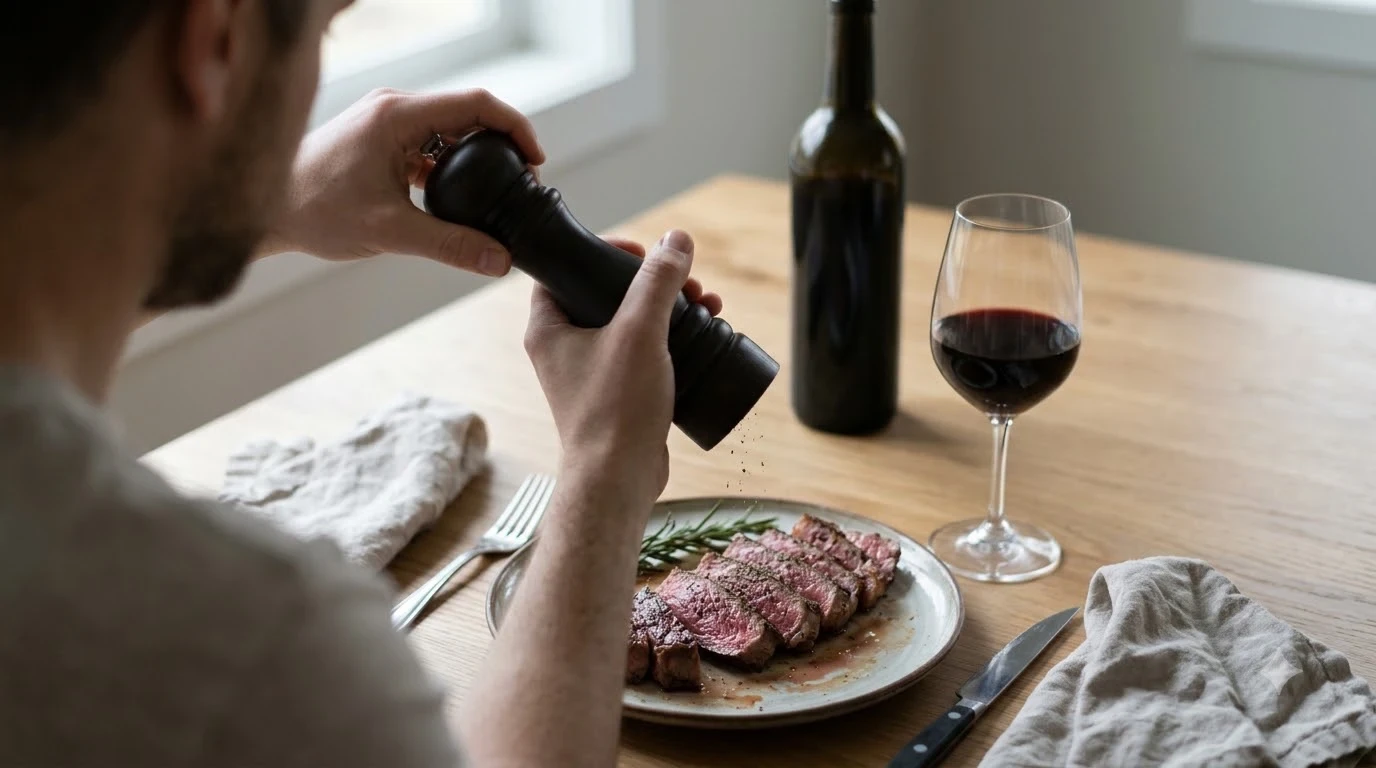
Because the wine is aromatic and fresh, it fits foods that are savory and not overly sweet. Cured meats, roasted poultry and tomato-based pasta dishes are all natural matches. Grilled sausages with peppers also make sense, since the pepper notes in the glass echo the spice on the plate. Lean grilled fish with fresh herbs is a lighter option that still has enough flavor to stand up to the wine, especially when the dish is finished with a squeeze of lemon that echoes the acidity.
Avoid very rich, creamy sauces that can make the wine taste thinner. Heavy cream sauces coat the palate and flatten the fruit, so a lighter tomato or herb base is a safer choice. Mushroom dishes also work well, especially when they are cooked with garlic and olive oil, because the earthy notes sit comfortably alongside the pepper in the wine.
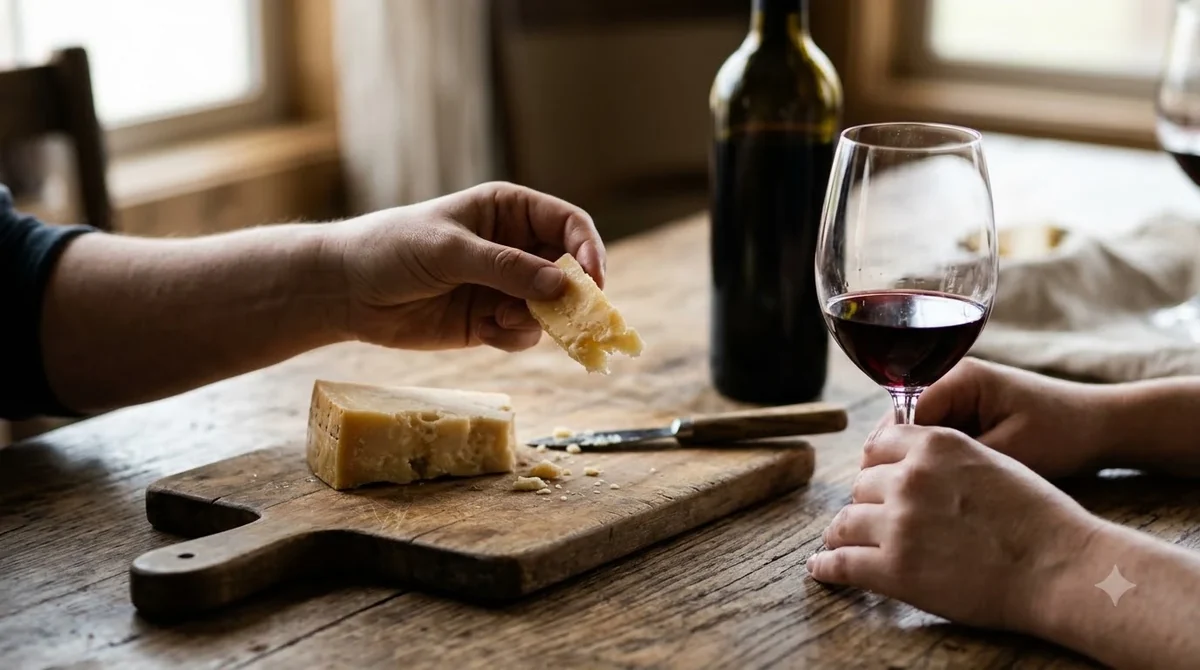
For a simple dinner, pair the bottle with a platter of cheeses that are not too aged, and pick two or three savory dishes to share. The wine’s acidity makes it a good companion for a long meal, since each glass refreshes the palate for the next course.
How to Choose a Bottle
When you choose a schioppettino, start with the producer and the region on the label. A bottle from Friuli Venezia Giulia, and especially one that names the Colli Orientali del Friuli DOC, is a reliable starting point for the typical style. If you want to compare a different aromatic red, our guide to black muscat wine covers another grape with a perfumed character.
Also look at the vintage. High-acid reds often show their best when they are young and fresh, so a recent bottle usually tastes more lively than an old one. Check the back label or the importer’s notes for the style, and ask the shop staff if you are unsure whether the wine is still or semi-sparkling.
If you are buying as a gift or want to try the grape for the first time, a single bottle from a known producer is a low-risk way to learn the style. Once you know how the wine tastes, you can compare other producers and decide which fits your table best.
Frequently Asked Questions
Is schioppettino wine sweet or dry?
Schioppettino is generally presented as a dry red. Its high acidity makes it taste fresh and savory, and the aromas of violet, raspberry and pepper are the main impression rather than sweetness.
What does schioppettino taste like?
Expect a medium-bodied red with floral and spicy notes. Violet, raspberry and black pepper are the aromas most often described, with lively acidity on the finish.
Where is schioppettino made?
The grape is native to Friuli Venezia Giulia in northeast Italy. It is also grown in Slovenia and, in smaller amounts, in California’s Russian River Valley and in Australia.
Is schioppettino a good wine for beginners?
It can be a good choice for someone who likes aromatic reds with bright acidity. Because the style is less common than Cabernet or Merlot, it is worth asking for a recommendation when you buy it.
Schioppettino is a useful bottle to know if you enjoy fresh, aromatic reds from smaller Italian regions. For a broader overview of grape families and styles, start with our Wine by Type guide and compare the options from there.
More in Wine Types & Grapes
 Zinfandel Sugar Content: Dry Red vs. White Zinfandel GramsUpdated Nov 21, 2026
 Best Zinfandel Substitute Options for Sipping and CookingUpdated Nov 21, 2026
 Zweigelt Food Pairing: Best Dishes, Cheeses, and Serving TipsUpdated Nov 21, 2026
 Zinfandel Tannins Explained: How Structure Shapes Every BottleUpdated Nov 21, 2026
 Zinfandel Sweetness Level: Dry Red vs. Sweet White Zin ExplainedUpdated Nov 21, 2026
 Xinomavro Food Pairing: Best Dishes, Styles, and Serving TipsUpdated Nov 21, 2026