
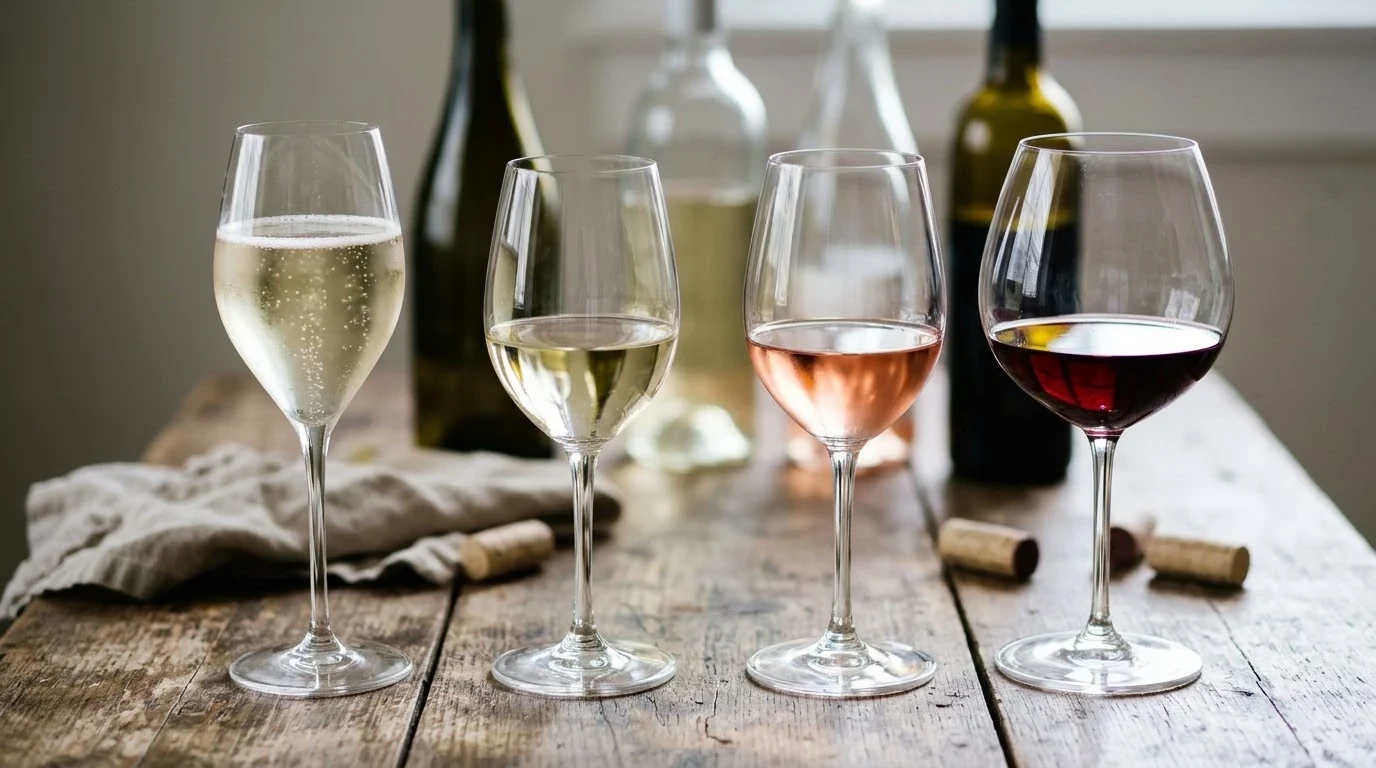

We may earn a commission when you buy through links on this page, at no extra cost to you. Learn more.
Scheurebe wine is a lively, aromatic white wine made from a German grape crossing of Riesling and Bukettrebe, celebrated for its punchy scents of pink grapefruit, blackcurrant, and ripe stone fruit. Created in 1916 by viticulturist Georg Scheu, the grape balances bracing acidity with expressive tropical and herbal notes. Producers craft it across the entire sweetness spectrum, from crisp dry table bottles to honeyed dessert wines.
If you enjoy the zesty snap of Sauvignon Blanc or the electric acidity of dry Riesling, this lesser-known German specialty deserves a spot on your table. Despite accounting for less than 2 percent of Germany’s vineyard area, it inspires fierce loyalty among sommeliers and adventurous wine drinkers.
What Is Scheurebe Wine?
Scheurebe (pronounced “SHOY-ray-buh”) is a white wine grape bred in 1916 in Alzey, Rheinhessen, by German grape breeder Georg Scheu. Named in honor of its creator, the variety combines the crisp structure of Riesling with the perfume of an obscure grape called Bukettrebe.
For decades, ampelographers believed Scheurebe was a cross between Riesling and Silvaner. According to Wines of Germany, DNA profiling in 2012 revealed that its true second parent is actually Bukettrebe—itself a nineteenth-century crossing of Silvaner and Trollinger. Before receiving Georg Scheu’s name, the vine was registered under the experimental number “Sämling 88” (Seedling 88), a moniker still used in neighboring Austria.
Because the grape ripens late and retains high natural acidity, growers quickly saw its potential for sweet late-harvest wines during the mid-twentieth century. Unfortunately, mass-produced, overly sugary bottles in the 1970s and 1980s hurt its reputation, causing plantings to shrink from over 4 percent of German vineyards down to roughly 1,500 hectares today. In recent decades, a younger wave of quality-focused growers has revived the grape by lowering yields and vinifying it as a serious, site-driven dry wine.
Flavor Profile and Wine Styles
Scheurebe wine stands out immediately in the glass thanks to an unmistakable aromatic signature of pink grapefruit, blackcurrant bud (cassis), and passionfruit, backed by crisp, mouthwatering acidity. Depending on harvest timing and cellar choices, those core flavors shift from sharp and herbaceous to lush and honeyed.
When fermented dry (labeled Trocken in Germany), Scheurebe leans toward pithy citrus, green herbs, gooseberry, and wet stone minerality. Winemakers often compare top dry examples to a bridge between Loire Valley Sauvignon Blanc and dry Pfalz Riesling. Alcohol levels in dry and off-dry bottlings generally sit between 11.5 and 13.5 percent ABV, keeping the palate energetic rather than heavy.
Left with residual sugar in off-dry (Halbtrocken or Feinherb) and late-harvest styles, the grape’s tropical side takes center stage. Notes of white peach, lychee, mango, and candied orange peel emerge, cushioned by a gentle sweetness that tames the razor-sharp acidity. At the highest ripeness tiers, such as Beerenauslese and Trockenbeerenauslese, noble rot (botrytis) concentrates the sugars into a nectar-like dessert wine reminiscent of classic recioto wine, though balanced by bright citrus acid rather than red-grape tannins.
| Style Label | Sweetness Level | Dominant Flavors | Best Serving Occasion |
|---|---|---|---|
| Trocken | Dry | Pink grapefruit, blackcurrant leaf, lime zest, crushed stone | Aperitif, oysters, herb-driven salads, light seafood |
| Halbtrocken / Feinherb | Off-dry | Ripe peach, passionfruit, mandarin, ginger | Spicy Thai or Vietnamese dishes, pork tenderloin |
| Spätlese / Auslese | Medium-sweet to sweet | Mango, lychee, honeyed apricot, candied citrus | Fruit tarts, blue cheese, foie gras, rich curry |
| Beerenauslese (BA) | Lusciously sweet | Marmalade, dried apricot, saffron, tropical nectar | Standalone dessert sipper or aged sharp cheeses |
Where Scheurebe Grows
Germany remains the undisputed homeland of Scheurebe, with nearly all of the world’s plantings concentrated in the warm, sunny regions of Pfalz, Rheinhessen, and Franken. Outside Germany, tiny pockets exist in Austria and in a handful of cool-climate vineyards in California and Australia.
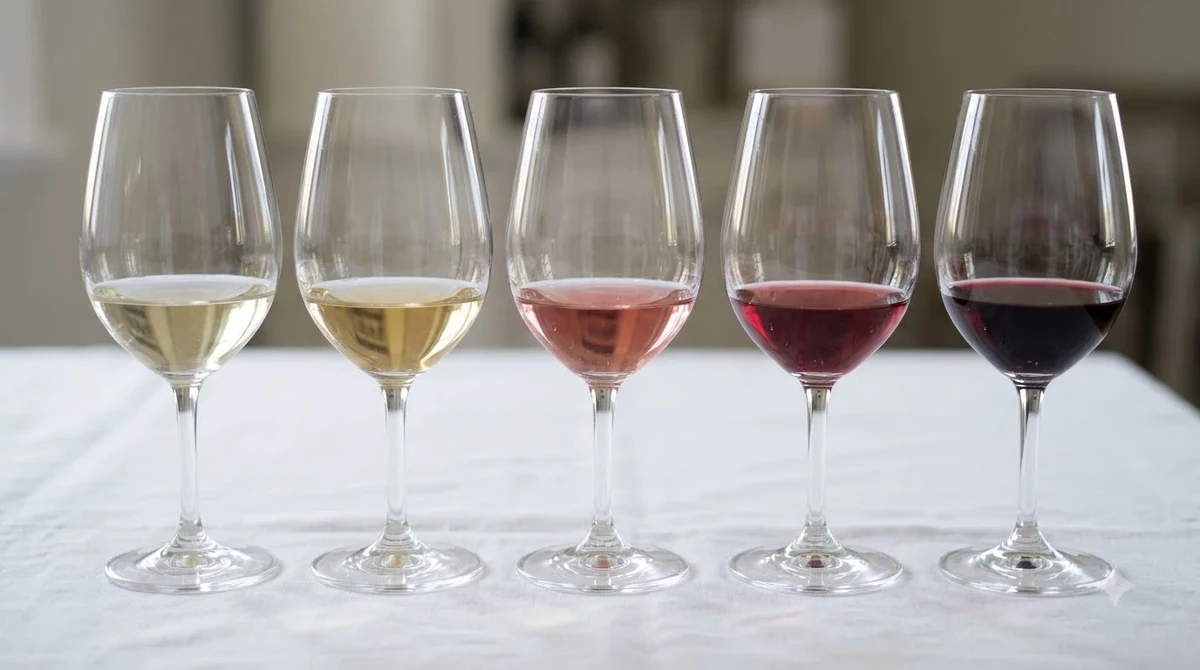
Within Germany, Pfalz leads the way with over 600 hectares, followed closely by Rheinhessen with roughly 500 hectares and Franken with around 120 hectares. Because Scheurebe is a late-ripening variety sensitive to harsh winter frosts, it thrives best on warm, south-facing slopes with good water retention. Producers like Weingut Pfeffingen in Pfalz have championed single-vineyard dry bottlings for decades, proving the grape can express limestone and sandstone soils with real precision.
In Austria, particularly around Lake Neusiedl in Burgenland, growers cultivate the grape under its historic name, Sämling 88. The warm autumn mists off the shallow lake encourage noble rot, making Burgenland famous for world-class sweet versions. Meanwhile, Wine Enthusiast notes that cuttings brought from Rheinhessen to California by winemaker Joseph Phelps eventually found a home in Sonoma, where small-lot producers now craft vibrant, dry American expressions.
How to Serve and Store Scheurebe
Serve dry and off-dry Scheurebe well chilled at 50 to 54 degrees Fahrenheit (10 to 12 degrees Celsius) in a standard tulip-shaped white wine glass. Sweet late-harvest bottles shine slightly colder, around 45 to 48 degrees Fahrenheit, which keeps their residual sugar from feeling syrupy.
Serving the wine straight from a 38-degree refrigerator will mute its trademark blackcurrant and grapefruit aromatics, so pull the bottle out 15 to 20 minutes before pouring. A narrow-bowled white wine glass channels the volatile aromatic compounds toward your nose while directing the wine to the center of your palate.
Most entry-level dry bottles are meant to be enjoyed young within two to four years of the vintage date while their citrus and herbal snap is at its peak. However, structured single-vineyard dry wines can develop gracefully for five to eight years, trading bright grapefruit for notes of honey, beeswax, and subtle petrol similar to aged Riesling. High-acid sweet styles like Auslese and Beerenauslese can easily mature in a cool cellar for 15 to 20 years.
Tip: If a bottle of dry Scheurebe smells slightly shy right after opening, give it 15 minutes in the glass or a gentle swirl—warmth brings out its signature blackcurrant and tropical fruit notes fast.
Food Pairing Ideas
Scheurebe’s electric acidity and bold citrus-tropical profile make it one of the most versatile food wines in the white spectrum, especially alongside dishes that overwhelm milder whites. Whether you are cooking with fresh herbs, pungent spices, or bright acids, there is a style of Scheurebe built to match.
Dry Trocken bottles are natural partners for spring vegetables and coastal seafood. The wine’s herbaceous blackcurrant-leaf note echoes fresh dill, cilantro, and mint, making it an effortless match for ceviche, grilled shrimp tacos, goat cheese salads, and notoriously tricky white or green asparagus. Its crisp finish also cuts cleanly through fried calamari or pan-seared trout with brown butter.
When your menu turns toward heat and sweet-savory glazes, reach for an off-dry Feinherb or Spätlese bottling. A touch of residual sugar cools down chili heat in Thai green curry, Pad Thai, or Sichuan stir-fries while harmonizing with ingredients like lemongrass, ginger, and lime. If you are planning a multi-course dinner party—perhaps starting with chilled white wine before moving to a pitcher of fruity pinot noir sangria or a light red—off-dry Scheurebe sets an energetic tone without fatiguing the palate.
How to Choose a Great Bottle
Finding a standout bottle of Scheurebe comes down to checking the sweetness indicator on the label and looking for reputable German regions like Pfalz, Rheinhessen, or Franken. Because the grape is still a niche favorite among wine geeks, most bottles imported into the United States come from quality-conscious family estates.
Start by scanning the front or back label for German sweetness terms so you do not get surprised at the dinner table. Look for Trocken if you want zero noticeable sweetness, Feinherb or Halbtrocken for a subtle hint of fruit roundness, and Spätlese or Auslese when you want lush dessert-leaning richness. Checking the stated ABV also offers a helpful clue: bottles around 12 to 13 percent ABV are almost always dry, whereas bottles between 7.5 and 10 percent ABV carry noticeable residual sugar.
If you are browsing a specialty shop’s European section or exploring new Wine by Type, ask the staff for dry Pfalz or Rheinhessen producers rather than mass-market blends. Estates in these regions treat Scheurebe with the same vineyard rigor as top-tier Riesling, delivering vibrant purity and unmistakable varietal character.
Frequently Asked Questions
Is Scheurebe wine dry or sweet?
Scheurebe wine is made in every style from bone-dry to lusciously sweet. You can tell which style is inside the bottle by checking the label: “Trocken” indicates a dry wine, “Halbtrocken” or “Feinherb” means off-dry, and “Spätlese,” “Auslese,” or “Beerenauslese” signals progressively sweeter late-harvest styles.
How do you pronounce Scheurebe?
Scheurebe is pronounced “SHOY-ray-buh.” The first syllable rhymes with “boy,” reflecting the German pronunciation of its creator’s last name, Georg Scheu, combined with “Rebe,” the German word for vine.
What does Scheurebe taste like compared to Sauvignon Blanc?
Dry Scheurebe shares Sauvignon Blanc’s zesty acidity, pink grapefruit notes, and green herbal edge, making it an easy crossover wine. However, Scheurebe typically adds a distinctive blackcurrant (cassis) aroma and a riper, more tropical mid-palate of passionfruit and white peach.
How many carbs and calories are in a glass of Scheurebe?
A standard 5-ounce pour of dry Scheurebe at around 12 percent ABV contains roughly 115 to 125 calories and 1 to 3 grams of carbohydrates, very similar to dry reds discussed in our guide to pinot noir carbs. Off-dry and sweet late-harvest styles contain higher residual sugar, bringing carbohydrate counts closer to 6 to 15 grams or more per glass.
Whether you uncork a razor-sharp dry bottling with weeknight seafood or savor a honeyed late-harvest glass after dinner, Scheurebe offers unmistakable personality in every pour. Keep an eye out for it on progressive wine lists and specialty retail shelves next time you want a vibrant alternative to Sauvignon Blanc or Riesling.
More in Wine Types & Grapes
 Zinfandel Sugar Content: Dry Red vs. White Zinfandel GramsUpdated Nov 21, 2026
 Best Zinfandel Substitute Options for Sipping and CookingUpdated Nov 21, 2026
 Zweigelt Food Pairing: Best Dishes, Cheeses, and Serving TipsUpdated Nov 21, 2026
 Zinfandel Tannins Explained: How Structure Shapes Every BottleUpdated Nov 21, 2026
 Zinfandel Sweetness Level: Dry Red vs. Sweet White Zin ExplainedUpdated Nov 21, 2026
 Xinomavro Food Pairing: Best Dishes, Styles, and Serving TipsUpdated Nov 21, 2026