

We may earn a commission when you buy through links on this page, at no extra cost to you. Learn more.
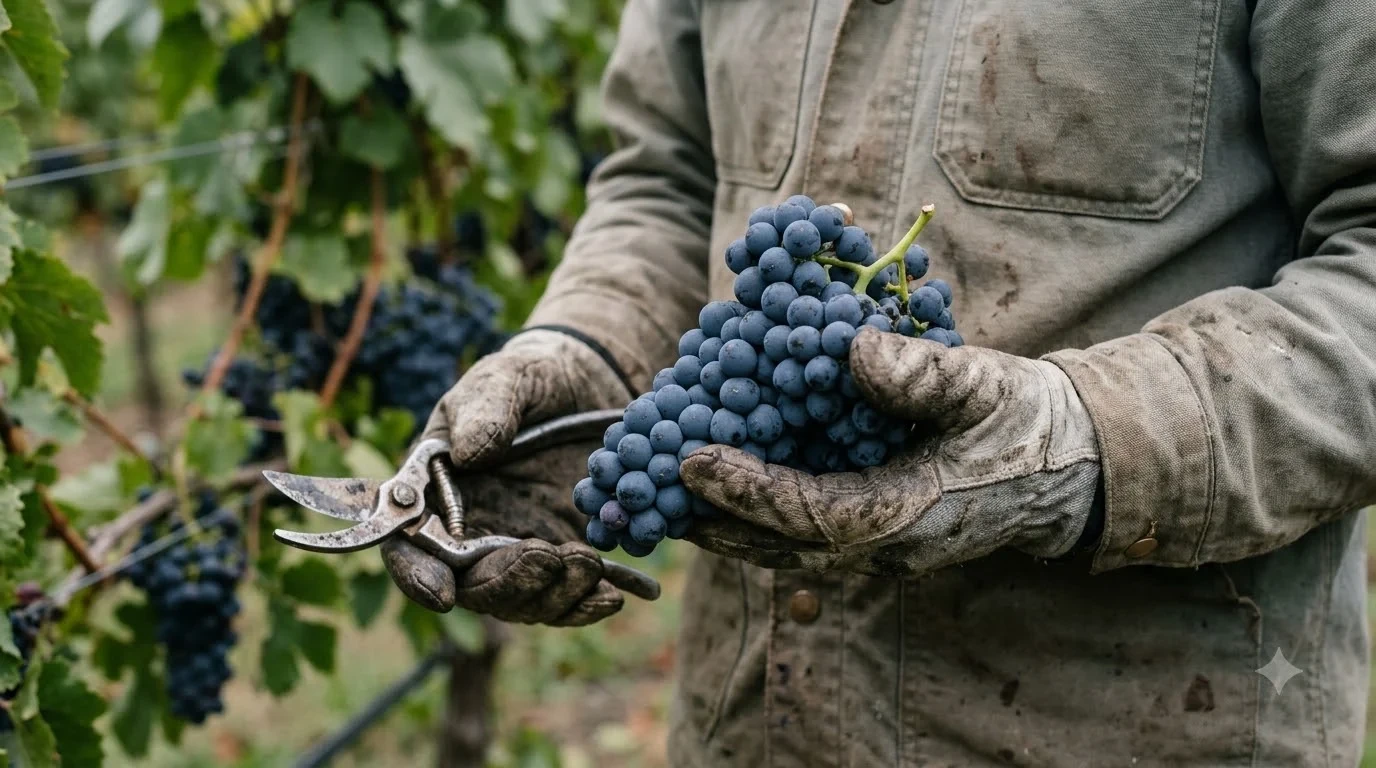
Savagnin wine is a white wine made from the savagnin grape, mostly grown in France’s Jura region, where it produces dry whites and the oxidized style called vin jaune. Savagnin is a white variety related to Traminer, and it has a long history in the Jura, a mountainous area in eastern France. Wikipedia’s savagnin entry records about 472 hectares planted in France in 2007, most of it in the Jura.
This guide covers where savagnin grows, how it relates to Traminer and Gewürztraminer, the styles it makes in the Jura, and what to expect when you open a bottle.
Where savagnin grows
Savagnin blanc is mostly grown in the Jura region of France, and the Jura is where its best-known wines are made. The grape is used in the appellations of Château-Chalon and L’Étoile, and it also appears in Côtes du Jura and Crémant du Jura. Outside France, the same family of vines is grown in the Swiss Valais, where it is called Heida and made into table and dessert wines.
Because the grape is grown in a small number of places, savagnin is not a widely planted variety. A bottle will often name the appellation on the label, and that name tells you more about the style than the grape name alone.
Savagnin and Traminer
Savagnin belongs to a family of related clones that includes the ancient Traminer. The scientist Pierre Galet once thought Traminer was identical to Jura’s savagnin blanc, though later work suggests slight differences developed as the grape spread through the Alps. The relationship is one reason the names can be confusing on the shelf.
A pink-skinned mutant, known as Red Traminer or savagnin rose, is the origin of Gewürztraminer according to some accounts. German sources treat these names as synonyms, so the label and the region are the clearest guide to what is in the bottle.
The vin jaune style
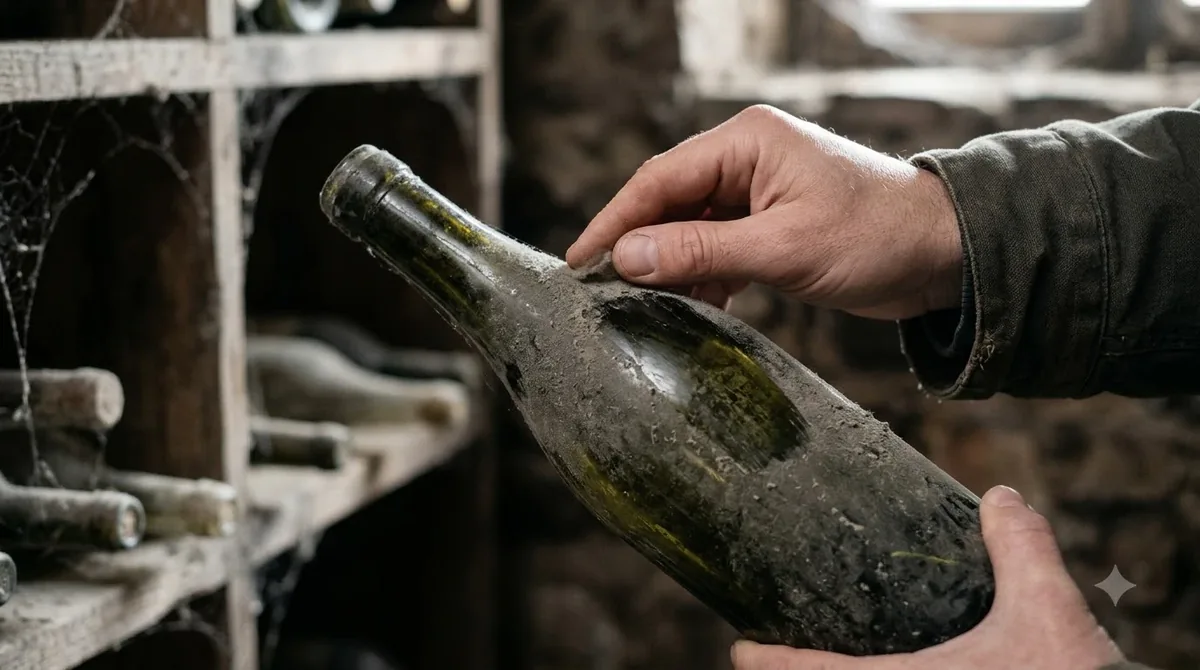
Vin jaune is the most distinctive wine made from savagnin. The grape is the only one allowed in the vin jaune of Château-Chalon and L’Étoile. The wine is aged under a layer of yeast called flor, similar to the process used for fino sherry, but it is not fortified and it is not blended through a solera system.
Because the flor layer shields the wine from air in a different way than ordinary oxidation, the flavors stay bright in a distinctive way rather than turning flat. Many people first encounter vin jaune as a curiosity, then find it a rewarding wine for slow, thoughtful tasting.
The result is a dry wine with an oxidized, nutty character and a long finish. Vin jaune is aged for a long time, so the bottle is usually a special purchase rather than an everyday white.
| Savagnin style | Where it appears | What to expect |
|---|---|---|
| Vin jaune | Château-Chalon and L’Étoile | Dry, oxidized, flor-aged, nutty finish |
| Dry white blends | L’Étoile and Côtes du Jura | Savagnin blended with Chardonnay |
| Crémant du Jura | Jura sparkling wines | Sparkling style from the Jura |
| Heida | Swiss Valais | Table and dessert wines from the same vine family |
Dry blends and everyday bottles
Savagnin is also blended with Chardonnay for dry white wines in L’Étoile and Côtes du Jura. Those blends are easier to find than a full vin jaune and give a sense of the grape’s character in a lighter form. The Chardonnay adds softness, while savagnin brings a more aromatic and structured edge.
The Chardonnay and savagnin pairing is a good example of how blending changes a wine. Chardonnay gives a rounder, more familiar texture, and the savagnin contributes the aromatic lift and firm structure that set the Jura apart. Neither grape dominates, so the final wine is an interesting middle ground for drinkers who want something beyond a standard Chardonnay but are not ready for a full vin jaune.
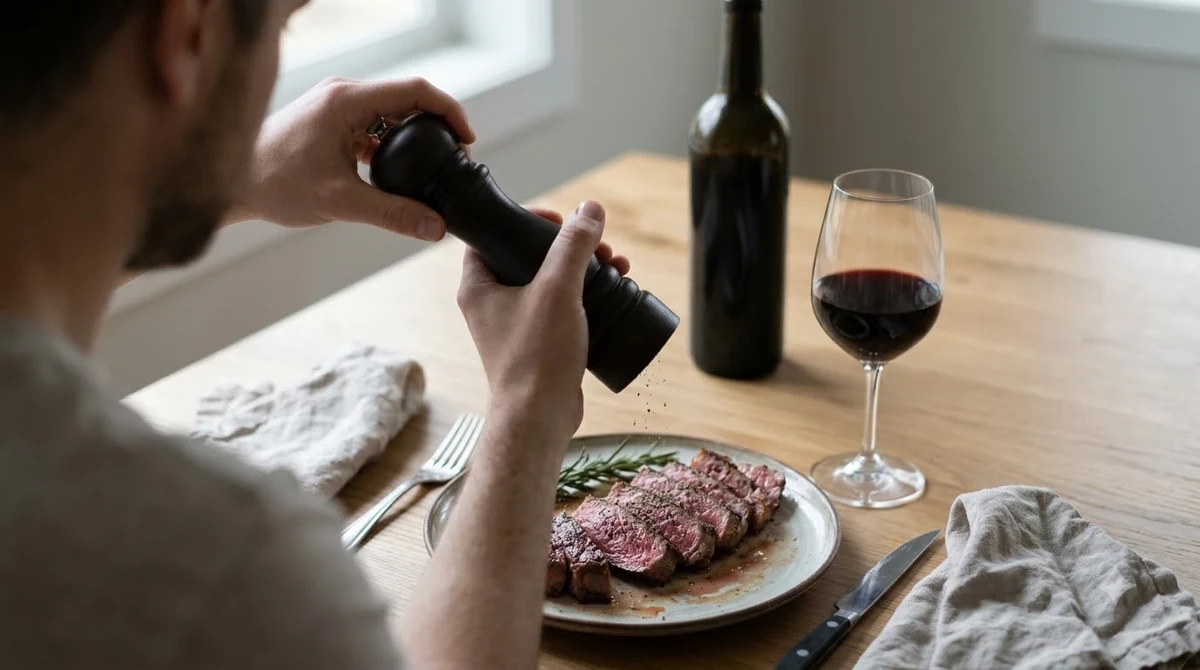
When you open a dry Jura white, expect a wine that tastes more intense than a basic Chardonnay and rewards a little air. Serve it cool rather than cold, and pair it with dishes that match its savory side, such as roast poultry or creamy cheeses.
Winemaking in the Jura
Jura winemaking has a strong local tradition, and savagnin sits at the center of it. The vineyards are small and often steep, and producers tend to keep their methods close to the land. Many Jura estates are family-run, which means the house style can change noticeably from one producer to the next even inside the same appellation.
Oxidative aging is the defining technique for vin jaune. The wine is left in cask under flor, a layer of yeast that forms on the surface, and it develops its character slowly. Because the process is patient, the finished wine is more intense than a standard dry white and often has a distinctive savory edge. Producers who make dry blends use a lighter approach, so their savagnin shows more fruit and freshness.
How to choose a savagnin wine
Start with the appellation. Château-Chalon and L’Étoile are the places to look for true vin jaune, while Côtes du Jura and Crémant du Jura offer a broader range of dry and sparkling styles. Reading the region on the label tells you what kind of wine you are buying before you open it.
Food is the other key to choosing a savagnin. Vin jaune is traditionally paired with rich, savory dishes, and a dry Jura white suits fish, poultry, and cheeses with a nutty or washed-rind character. Because the wine has a distinct edge, a simple dish often lets it shine better than a heavily sauced one.
Because the grape is rare outside the Jura, a bottle may come from a small producer with limited distribution. Look for producer notes that describe the flor aging or the blend, since those details predict the taste more accurately than the grape name on its own.
Frequently Asked Questions
Is savagnin the same grape as Traminer?
They are closely related rather than identical. Savagnin belongs to a family of clones that includes the ancient Traminer, and the exact relationship is still discussed among researchers.
What is vin jaune made from?
Vin jaune is made only from savagnin in Château-Chalon and L’Étoile. It is aged under a layer of flor and is not fortified, which gives it a dry, oxidized, nutty character.
Where is savagnin grown?
Mostly in the Jura region of France, with related vines in the Swiss Valais, where the grape is called Heida. It is not widely planted in other wine regions.
Is savagnin a sweet or dry wine?
Most Jura savagnin is dry, including vin jaune and the dry blends. Sweeter dessert wines exist in the Swiss Valais under the Heida name, so check the label for style.
Savagnin is also a good wine for readers who enjoy learning the story behind a bottle. Each label carries clues about the region, the blend, and the aging, and once you know how to read them, the Jura becomes much easier to navigate. Many wine shops stock one or two examples, so it is worth asking for a recommendation when you visit.
Whether you are buying for a special dinner or a quiet tasting at home, savagnin gives you a clear way to explore a region most wine drinkers rarely visit. Start with a dry blend, move on to a vin jaune when you are ready, and compare the two to see how the same grape can produce very different wines.
Savagnin rewards curiosity. If you want to compare it with other white varieties, the auslese wine guide covers a German sweet style, and the Wine by Type section groups the main white families together.
More in Wine Types & Grapes
 Zinfandel Sugar Content: Dry Red vs. White Zinfandel GramsUpdated Nov 21, 2026
 Best Zinfandel Substitute Options for Sipping and CookingUpdated Nov 21, 2026
 Zweigelt Food Pairing: Best Dishes, Cheeses, and Serving TipsUpdated Nov 21, 2026
 Zinfandel Tannins Explained: How Structure Shapes Every BottleUpdated Nov 21, 2026
 Zinfandel Sweetness Level: Dry Red vs. Sweet White Zin ExplainedUpdated Nov 21, 2026
 Xinomavro Food Pairing: Best Dishes, Styles, and Serving TipsUpdated Nov 21, 2026