

We may earn a commission when you buy through links on this page, at no extra cost to you. Learn more.
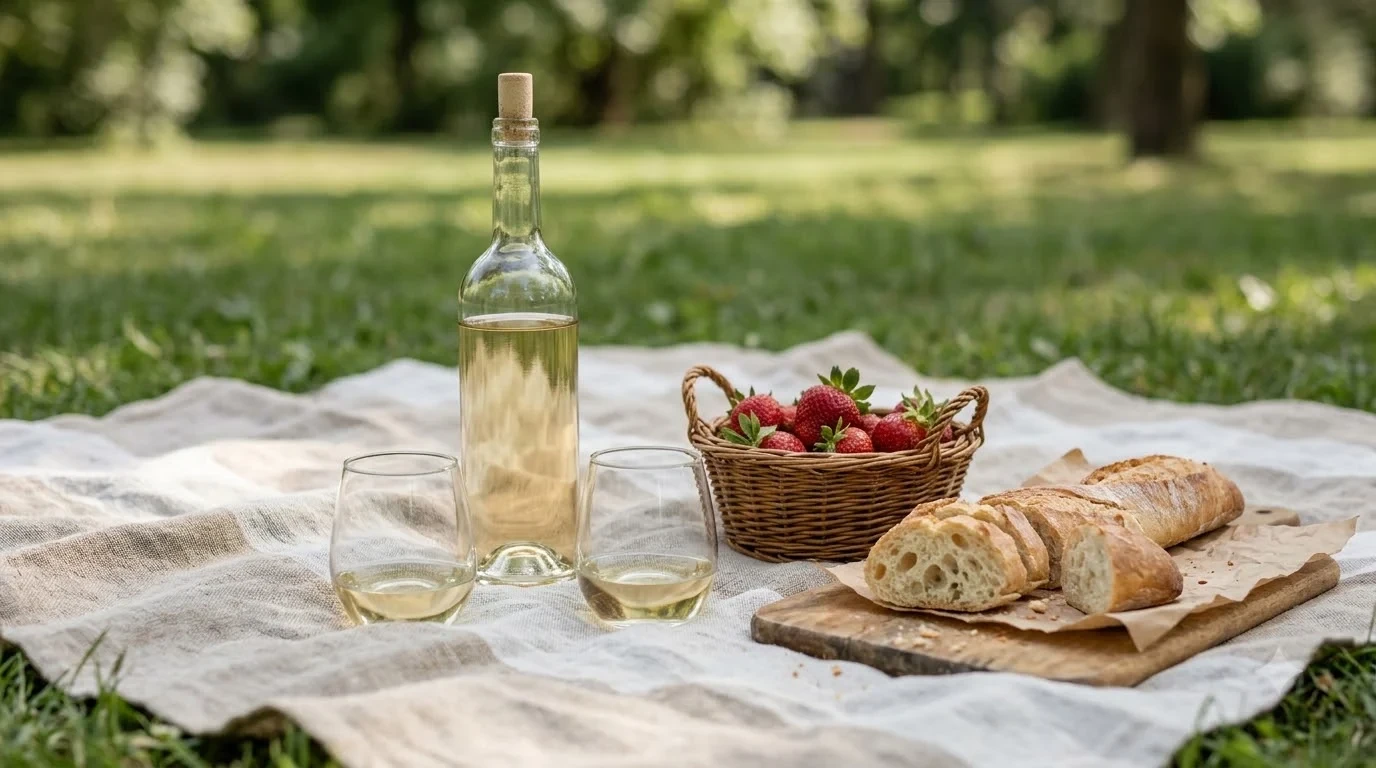
Sauvignon blanc history begins in France, where this distinctive white grape developed into an important variety in the Loire Valley and Bordeaux before spreading to California, New Zealand, and other wine regions. Its documented history reaches back to at least the 16th century, although its precise birthplace remains uncertain. Today, Sauvignon Blanc is recognized for its fresh acidity, aromatic intensity, and flavors ranging from citrus and gooseberry to passion fruit and fresh herbs.
The story of Sauvignon Blanc is also a story of changing wine preferences. Traditional French producers established its reputation through Sancerre, Pouilly-Fumé, Bordeaux blends, and Sauternes, while California winemakers developed new expressions during the 20th century. New Zealand later introduced an intensely aromatic regional style that transformed the grape’s international popularity. Understanding these developments explains why bottles made from the same variety can taste remarkably different depending on where and how the grapes are grown.
French Origins and the Meaning Behind the Name
Sauvignon Blanc has French roots, but historians cannot identify one definitive birthplace. The Loire Valley and Bordeaux are both associated with its early development, while genetic research provides evidence supporting a connection to central France. Its name reflects the grape’s historical character and its distinctive French identity.
The University of California, Davis Foundation Plant Services explains that Sauvignon Blanc was documented in France during the 16th century under older names including Fiers and Surin. The modern name comes from the French word sauvage, meaning wild. Blanc means white, distinguishing the variety from other grape types and color mutations associated with the Sauvignon family.
The uncertainty surrounding its birthplace is understandable. Grapevines were cultivated and exchanged throughout France for centuries, often under regional names that changed as planting material moved between vineyards. Historical documents do not always distinguish between varieties with the precision available through modern genetic testing. Consequently, researchers must combine written records, regional growing histories, and DNA analysis to reconstruct the grape’s origins.
The Loire Valley has a particularly strong claim because historical and genetic evidence points toward the region. The area’s long tradition of growing aromatic white grapes also provides a natural setting for Sauvignon Blanc’s development. However, Bordeaux has an equally important historical relationship with the variety, especially through its established white-wine blends and sweet wines.
Modern genetic research has added another interesting dimension. Sauvignon Blanc is a descendant of Savagnin blanc, also known as Traminer blanc, a historic variety associated with the Jura region. Its second parent remains unidentified. This research connects Sauvignon Blanc to a broader family of European grape varieties rather than treating it as an isolated French invention.
Another important discovery concerns Cabernet Sauvignon. Research published in 1997 established that Cabernet Sauvignon resulted from a natural crossing of Sauvignon Blanc and Cabernet Franc, most likely in Bordeaux. This relationship makes Sauvignon Blanc part of the ancestry of one of the world’s best-known red wine grapes. The genetic connection is discussed in the Oxford Companion to Wine’s Sauvignon Blanc entry.
The Loire Valley Establishes Sauvignon Blanc’s Reputation
The Loire Valley helped establish Sauvignon Blanc as a respected dry white wine, particularly through Sancerre and Pouilly-Fumé. These neighboring appellations demonstrate how limestone soils, local growing conditions, and traditional winemaking can produce distinctive expressions of the same grape.
In Sancerre, Sauvignon Blanc is the principal grape used for the region’s celebrated dry white wines. Producers commonly emphasize fresh acidity, citrus fruit, green apple, gooseberry, and herbal aromas. The wines are generally fermented without prominent oak influence, allowing the grape’s natural aromatic character and the vineyard’s growing conditions to remain central to the finished wine.
Pouilly-Fumé, located across the Loire River from Sancerre, offers another historic interpretation. Its name includes the word Fumé, meaning smoky, and Sauvignon Blanc is also known locally as Blanc Fumé. The terminology is connected to the grape’s appearance, including the grayish bloom on its skin, and the region’s historical descriptions of its wines.
Although drinkers sometimes associate Pouilly-Fumé with smoky mineral aromas, those characteristics do not mean that every bottle is aged in heavily toasted oak. Flint-like and stony impressions can occur naturally in wines from the region. Producers also vary their fermentation and aging choices, creating differences in texture, weight, and aromatic intensity.
Other Loire appellations
Sancerre and Pouilly-Fumé are not the only Loire Valley locations associated with Sauvignon Blanc. Quincy and other Central Loire appellations also have long histories of producing dry wines from this variety. Their different vineyard conditions and local production traditions help explain why French Sauvignon Blanc is not a single uniform style.
For example, limestone-rich vineyard areas can produce wines with firm acidity and restrained fruit expression, while other sites may emphasize ripe citrus and orchard fruit. Cooler growing conditions often preserve the variety’s characteristic freshness. These wines are particularly useful examples for understanding Sauvignon Blanc before the emergence of the modern New World style.
The Loire Valley tradition also helped influence winemakers outside France. During the 20th century, producers in California and elsewhere looked to French examples when developing their own interpretations. The appeal of Sancerre and Pouilly-Fumé rested on the combination of recognizable varietal aromas, crisp structure, and the ability to accompany food.
Bordeaux Blends and the History of Sauternes
Bordeaux developed a different but equally important tradition for Sauvignon Blanc. Rather than relying exclusively on single-variety wines, many producers combine it with Sémillon, creating dry white Bordeaux and the region’s famous sweet wines, including Sauternes.
Sauvignon Blanc has been cultivated in Bordeaux since at least the 18th century. It contributes acidity, freshness, and aromatic character to white blends, while Sémillon can provide additional body and texture. Muscadelle may also appear in traditional Bordeaux white-wine combinations, depending on the appellation and producer.
In dry Bordeaux wines, Sauvignon Blanc often supplies citrus and herbal notes that complement the softer, broader character of Sémillon. This combination produces a different experience from a typical unoaked Sancerre. Some producers also use oak fermentation or aging, adding texture and subtle toasted characteristics.
The sweet wines of Sauternes demonstrate another side of the grape’s versatility. Sauvignon Blanc is used alongside Sémillon and Muscadelle, with Sémillon generally playing an important structural role. The region’s humid autumn conditions can encourage Botrytis cinerea, commonly called noble rot, which changes the composition of the grapes as they ripen.
Noble rot concentrates sugars while preserving significant acidity. Producers selectively harvest affected grapes over multiple vineyard passes, rather than treating the entire vineyard as one uniform crop. The resulting wines can display honey, dried apricot, citrus peel, and concentrated fruit flavors. Sauvignon Blanc helps maintain freshness in these rich, sweet blends.
The University of California, Davis account of Sauvignon Blanc describes its importance in Sauternes and Bordeaux, including its traditional relationship with Sémillon. These regional combinations illustrate how the same grape can contribute to both refreshing dry whites and exceptionally concentrated dessert wines.
The contrast between Bordeaux and the Loire Valley is central to understanding the variety’s history. In the Loire, Sauvignon Blanc became strongly identified with dry, aromatic wines made predominantly from one grape. In Bordeaux, it developed an important role in blends that could range from refreshing dry whites to concentrated sweet wines.
California and the Rise of Fumé Blanc
Sauvignon Blanc crossed the Atlantic during the 19th century and became established in California vineyards. Its development in the United States gained additional momentum during the 1960s, when Robert Mondavi introduced the name Fumé Blanc as a way to present a drier, Loire-inspired interpretation of the grape.
Historical records examined by UC Davis indicate that Sauvignon Blanc reached California during the second half of the 19th century. Cuttings were documented in the Santa Clara Valley in the 1870s, with additional material appearing in Napa and Sonoma during the following decade. French planting material helped establish the variety in the state’s developing wine industry.
California winemaking initially had a complicated relationship with French white-wine terminology. In the 19th century, terms such as Sauterne and Haut Sauterne appeared on California labels, sometimes describing wines that were not made according to the traditional Bordeaux approach. These historical naming practices reflected the prestige of French wine regions among American consumers.
By the middle of the 20th century, Sauvignon Blanc was present in California but had not achieved the same broad consumer recognition as some other white varieties. Robert Mondavi saw an opportunity to give the grape a clearer identity. During the 1960s, he adopted the name Fumé Blanc for his Sauvignon Blanc wines, drawing inspiration from the Loire Valley’s Blanc Fumé tradition.
The name helped distinguish the dry, aromatic style from sweeter white wines that American consumers were more accustomed to buying. It also suggested a connection to French winemaking without requiring every bottle to follow the exact methods of a Loire producer.
Fumé Blanc became an important American wine term. In the United States, it is generally understood as Sauvignon Blanc, rather than a separate grape variety. Producers may use the name for crisp, stainless-steel-fermented wines or for richer examples that receive oak fermentation and aging.
California’s climate also contributed to the variety’s development. Warmer vineyard sites can produce riper citrus, melon, and tropical fruit characteristics, while cooler locations can retain more pronounced herbal aromas and acidity. Napa Valley and Sonoma County became important locations for exploring these differences.
This period helped establish Sauvignon Blanc as a flexible international variety. American producers were no longer simply reproducing European examples. They were developing recognizable regional styles that reflected local climates, vineyard decisions, and consumer preferences.
New Zealand Transforms Sauvignon Blanc’s International Popularity
New Zealand’s rise as a Sauvignon Blanc producer changed the grape’s international identity. Plantings began in Auckland during the late 1960s, followed by development in Marlborough during the 1970s. By the 1980s, the region’s highly aromatic wines were attracting international attention, particularly in the United Kingdom.
Ross Spence of Matua played an important role in introducing the grape to New Zealand. New Zealand Wine identifies 1969 as the year Spence planted Sauvignon Blanc vines in Waimauku, West Auckland. The grape was initially unfamiliar to many local consumers, who were more accustomed to other white varieties, including Müller-Thurgau.
The Spence brothers produced a small quantity of Sauvignon Blanc in 1974, marking an important early commercial milestone. Matua’s historical account records an initial production run of 400 bottles. Their early work helped demonstrate that the variety could thrive in New Zealand conditions and encouraged further plantings.
Marlborough became the turning point. Montana began establishing vineyards in the region in 1973, and its growers recognized the potential of the area’s climate and soils. The first commercial plantings were followed by increasing investment as producers discovered that Sauvignon Blanc could perform exceptionally well in the region.
The region’s natural conditions helped shape its distinctive wine style. Marlborough has free-draining soils, maritime influences, long ripening seasons, and substantial differences between daytime and nighttime temperatures. Warm, sunny days encourage fruit development, while cooler nights help grapes retain acidity.
These conditions contribute to the characteristic combination of ripe tropical fruit and green herbal aromas. Passion fruit, grapefruit, lime, gooseberry, freshly cut grass, and green bell pepper are common descriptors. The wines are also recognized for their refreshing acidity and aromatic intensity.
In 1986, Ernie Hunter took a Hunter’s Wines Fumé Blanc to London’s Sunday Times Vintage Festival, where it won a gold medal for best non-Chardonnay. This recognition helped draw attention to Marlborough as a serious wine-producing region. Cloudy Bay also contributed to the growing international profile of Marlborough Sauvignon Blanc through its distinctive aromatic wines.
The United Kingdom became an important early export market. British consumers responded to the wines’ vivid fruit flavors and refreshing acidity, while international wine writers and retailers helped introduce the style to a wider audience. During the following decades, New Zealand Sauvignon Blanc became one of the country’s most recognizable wine exports.
New Zealand’s success did not mean that every producer adopted an identical approach. Stainless-steel fermentation became common because it preserves fresh fruit character, but some producers experimented with oak, lees aging, and different vineyard selections. These choices created additional styles within the country’s Sauvignon Blanc category.
New Zealand Wine’s overview of Sauvignon Blanc in New Zealand describes the country’s regional plantings and the grape’s importance to its wine industry. Marlborough remains the dominant growing area, with more than 22,000 hectares devoted to the variety in the figures published by the organization.
How Climate and Winemaking Created Different Styles
Sauvignon Blanc’s international history explains why its wines can differ significantly in aroma, texture, and flavor. Climate, grape ripeness, vineyard management, fermentation temperature, and aging vessels all influence the final result.
Cooler climates generally preserve pronounced acidity and green fruit characteristics. Wines from Sancerre and other Loire appellations often show grapefruit, lemon, gooseberry, green apple, and fresh herbs. Some also have flinty or stony impressions that contribute to their distinctive regional identity.
New Zealand’s Marlborough style frequently combines those green characteristics with more obvious tropical fruit. Passion fruit, lime, grapefruit, and fresh-cut grass are common descriptors. The combination of ripe fruit and lively acidity gives these wines their recognizable aromatic intensity.
Warmer California vineyard locations can produce fuller expressions with riper melon, peach, citrus, and tropical fruit notes. Some producers choose oak fermentation or aging to create a softer texture, while others favor stainless steel to preserve freshness.
These distinctions are not absolute rules. A cool-climate vineyard can produce ripe fruit in a favorable growing season, while a warm region can preserve considerable freshness through careful harvest decisions. Vineyard elevation, exposure, soil, canopy management, and water availability also influence the grapes.
Why Sauvignon Blanc can smell grassy
One of the grape’s distinctive characteristics is its capacity to produce pronounced green and herbal aromas. These may include cut grass, tomato leaf, boxwood, green bell pepper, and fresh herbs. Some of these characteristics are associated with methoxypyrazines, naturally occurring compounds that contribute to the grape’s aromatic profile.
UC Davis notes that insufficient grape maturity and excessive vine vigor can contribute to overly strong herbaceous characteristics. Canopy management helps control how much sunlight reaches the fruit, while appropriate vineyard practices support balanced ripening. These decisions influence the eventual balance between green aromas and ripe fruit.
Traditional and modern production methods
Stainless-steel fermentation is widely used for Sauvignon Blanc because it allows producers to maintain a clean, fresh fruit profile. Controlled fermentation temperatures help preserve delicate aromatic compounds. Many wines are bottled relatively young so that their citrus and herbal characteristics remain prominent.
Oak aging offers another approach. Barrels can contribute additional texture, subtle spice, and a broader mouthfeel. Some winemakers also age Sauvignon Blanc on its lees, meaning the wine remains in contact with spent yeast cells after fermentation. This can add body and complexity without necessarily making the wine taste strongly of oak.
These production choices show why the grape cannot be defined by one aroma or one regional style. Its history includes dry French whites, Bordeaux blends, concentrated Sauternes, California Fumé Blanc, and intensely aromatic New Zealand wines.
Important Dates in Sauvignon Blanc History
The development of Sauvignon Blanc spans several centuries, from its early documentation in France to its emergence as an internationally recognized variety. The following milestones show how regional traditions, scientific discoveries, and international trade shaped its modern identity.
| Period or year | Historical development | Significance |
|---|---|---|
| 16th century | Fiers and Surin appear in French historical records. | Early written evidence of the variety. |
| 18th century | Sauvignon Blanc is established in Bordeaux. | Development of dry white blends and sweet wines. |
| 19th century | Sauvignon Blanc is planted in California. | Early American adoption. |
| 1960s | Robert Mondavi adopts the name Fumé Blanc. | New American identity for dry Sauvignon Blanc. |
| 1968–1969 | UC Davis sends Sauvignon Blanc cuttings to New Zealand. | Foundation material for later New Zealand plantings. |
| 1969 | Ross Spence plants Sauvignon Blanc in Waimauku. | Early New Zealand vineyard development. |
| 1973 | Montana develops Sauvignon Blanc plantings in Marlborough. | Beginning of the region’s major expansion. |
| 1974 | Matua produces its first commercial New Zealand Sauvignon Blanc. | Establishment of the country’s emerging style. |
| 1985 | Cloudy Bay launches its Marlborough Sauvignon Blanc. | Growing international attention for the region. |
| 1986 | Hunter’s Sauvignon Blanc wins recognition at the Sunday Times Vintage Festival. | International recognition for Marlborough. |
| 1997 | DNA research establishes Sauvignon Blanc and Cabernet Franc as the parents of Cabernet Sauvignon. | Important scientific discovery about grape ancestry. |
These milestones reveal two distinct stages of development. French regions established the variety’s historical reputation and its different uses in dry and sweet wines. California and New Zealand then expanded its international reach through regional identities that appealed to changing consumer preferences.
The historical record also demonstrates how science has changed our understanding of wine grapes. DNA testing has clarified relationships that earlier generations of growers could only speculate about. The connection between Sauvignon Blanc, Savagnin, and Cabernet Sauvignon is a particularly interesting example.
Tip: When exploring Sauvignon Blanc’s history through wine, compare a Sancerre, a Bordeaux white blend, a California Fumé Blanc, and a Marlborough Sauvignon Blanc. Serve the wines at approximately 45–50 F to appreciate their aromatic differences, and notice how citrus, herbal, and tropical fruit characteristics change across regions.
Serving temperature can make a meaningful difference when comparing these styles. Very cold wine can suppress delicate aromas, while warmer temperatures may make acidity seem less refreshing. For additional practical advice, see our guide on how to serve Sauvignon Blanc.
Frequently Asked Questions
Is Sauvignon Blanc one of the oldest white wine grapes?
Sauvignon Blanc is an old European variety, but its exact age cannot be established from the surviving historical records. Its documented French history reaches at least the 16th century, and its genetic relationship to Savagnin connects it to an older family of European grapes. Its precise first cultivation date remains unknown.
Why is Sauvignon Blanc sometimes called Fumé Blanc?
Fumé Blanc is an alternative American name associated with Robert Mondavi’s 1960s marketing of dry Sauvignon Blanc. The name draws on Blanc Fumé, a traditional Loire Valley synonym. It is not a separate grape variety, and producers using the term can make wines with different fermentation and aging methods.
Did Sauvignon Blanc exist before Cabernet Sauvignon?
Yes. Sauvignon Blanc is one of the parent varieties of Cabernet Sauvignon, along with Cabernet Franc. Their natural crossing is believed to have occurred in Bordeaux during the 17th or 18th century, although the exact date is unknown. DNA research identifying the parentage was published in 1997.
Which country produces Sauvignon Blanc outside France most famously?
New Zealand is particularly famous for Sauvignon Blanc, especially from Marlborough. Its international reputation grew rapidly during the 1980s after the region’s wines received attention in the United Kingdom. Chile, South Africa, the United States, and Australia are also established producers of the variety.
Can Sauvignon Blanc be made into sparkling wine?
Yes. Although most Sauvignon Blanc is produced as a still white wine, some producers use it in sparkling wine. These examples can be made using different production methods, depending on the region and producer. The grape’s natural acidity can help provide freshness and structure in sparkling styles.
Sauvignon Blanc developed from an old French grape into one of the most recognizable white wines in the world. Its history connects the traditional vineyards of the Loire Valley and Bordeaux with the innovations of California and the international success of Marlborough.
Whether you prefer the restrained citrus character of Sancerre, the complexity of Bordeaux blends, or the expressive tropical fruit of New Zealand, each style represents a different chapter in Sauvignon Blanc’s long history. Discover more varieties and regional traditions through our Wine by Type collection.
More in Wine Types & Grapes
 Zinfandel Sugar Content: Dry Red vs. White Zinfandel GramsUpdated Nov 21, 2026
 Best Zinfandel Substitute Options for Sipping and CookingUpdated Nov 21, 2026
 Zweigelt Food Pairing: Best Dishes, Cheeses, and Serving TipsUpdated Nov 21, 2026
 Zinfandel Tannins Explained: How Structure Shapes Every BottleUpdated Nov 21, 2026
 Zinfandel Sweetness Level: Dry Red vs. Sweet White Zin ExplainedUpdated Nov 21, 2026
 Xinomavro Food Pairing: Best Dishes, Styles, and Serving TipsUpdated Nov 21, 2026