

We may earn a commission when you buy through links on this page, at no extra cost to you. Learn more.
Sauternes alcohol content typically ranges from 14% to 14.5% ABV, making this sweet Bordeaux white wine comparable in strength to many regular table wines. Despite its rich honeyed flavor and concentrated natural sweetness, Sauternes is generally not a fortified wine. Its alcohol develops through fermentation, while some of the grapes’ concentrated sugar remains in the finished bottle. The exact strength varies by producer, vintage, and winemaking decisions.
Sauternes occupies a distinctive position among French wines. Produced in the Bordeaux region from grapes affected by noble rot, it combines substantial residual sugar with refreshing acidity and a relatively high alcohol level. Understanding its alcohol content helps explain why a small serving can feel rich and satisfying, how it compares with other sweet wines, and how to serve it alongside food. The following sections examine typical ABV figures, production methods, bottle variations, and practical serving information.
Typical Alcohol Percentage in Sauternes
Most Sauternes contains approximately 14% to 14.5% alcohol by volume (ABV). This puts it within the general strength range of many full-bodied white wines and some red wines, even though its sweetness makes it taste considerably different from a dry table wine.
The Conseil des Grands Crus Classés en 1855 lists a minimum total alcohol content of 13% for Sauternes, including at least 12.5% alcohol derived from the grapes. Gilbert & Gaillard describes the typical finished strength as 14% to 14.5% ABV. These figures help establish a useful expectation when choosing a bottle, although individual wines can differ. The Conseil des Grands Crus Classés’ information about Sauternes and Barsac provides additional context about the appellation and its production requirements.
It is important to distinguish alcohol percentage from sweetness. A wine can taste intensely sweet without having an unusually low alcohol level. Sauternes achieves this combination because its grapes accumulate substantial sugar before fermentation, and yeast converts only part of that sugar into alcohol. The remaining sugar contributes to the wine’s characteristic honeyed texture.
For comparison, many dry white wines fall around 11% to 13.5% ABV, depending on grape variety, climate, and winemaking. A Sauternes at 14.5% therefore may contain more alcohol than a lighter Sauvignon Blanc or Pinot Grigio. Its dessert-wine character should not be mistaken for a particularly weak alcoholic drink.
How Noble Rot and Fermentation Determine Alcohol
Sauternes develops its distinctive combination of sweetness and alcohol through a production process involving noble rot, concentrated grape juice, and carefully controlled fermentation. Botrytis cinerea is the fungus responsible for this process, and the autumn conditions around the Ciron River help it develop on suitable grapes.
The Sauternes vineyards occupy five communes in southern Bordeaux: Sauternes, Bommes, Fargues, Preignac, and Barsac. The colder Ciron River meets the warmer Garonne, helping create morning mists that encourage noble rot. When sunny and relatively dry conditions follow, the affected grapes lose water and become shriveled. Their sugar and flavor compounds become concentrated, producing exceptionally rich must.
Growers cannot simply harvest every grape at once. Botrytis develops unevenly, sometimes affecting individual berries while leaving others on the same bunch unsuitable for picking. Vineyard workers therefore make successive selective passes, collecting grapes only when they have reached the appropriate condition. The process requires considerable labor and careful judgment.
According to Gilbert & Gaillard, the concentrated grape must can have potential alcohol of approximately 20 to 22 degrees. This is a measure of the alcohol that could theoretically develop if the available fermentable sugar were completely converted. It is not the same as the finished wine’s actual ABV.
Fermentation does not normally consume all the sugar. The yeast gradually produces alcohol, but the unusually concentrated must creates difficult fermentation conditions. As alcohol increases and fermentation becomes less active, some fermentable sugar remains. The resulting wine can finish around 14% to 14.5% ABV while retaining a pronounced sweetness.
This balance is central to Sauternes. Its alcohol contributes warmth and body, its residual sugar provides richness, and its acidity prevents the sweetness from becoming excessively heavy. Different producers manage fermentation and maturation according to the style they want to achieve.
Alcohol Content Compared With Other Sweet Wines
Sauternes is stronger than some sweet wines but overlaps with several other dessert-wine styles. The important distinction is that sweetness and alcohol are separate characteristics: a wine can be sweeter than another wine without containing more alcohol.
The following comparison uses representative ranges rather than fixed rules for every bottle. Individual producers, regions, and vintages can fall outside these typical figures.
| Wine style | Typical ABV | General sweetness or style |
|---|---|---|
| Sauternes | 14–14.5% | Very sweet, concentrated white wine |
| Ice Wine | 7–12% | Very sweet, concentrated white wine |
| Moscato d’Asti | 5–6% | Sweet, lightly sparkling wine |
| Late-harvest Riesling | 8–12% | Sweet to very sweet white wine |
| Tokaji Aszú | 10–14% | Concentrated sweet Hungarian wine |
| Tawny Port | 19–20% | Fortified sweet wine |
| Marsala | 15–20% | Fortified wine, ranging from dry to sweet |
Ice Wine is an especially useful comparison because both styles depend on concentrated grape sugars. However, Ice Wine is made from grapes that freeze naturally on the vine, whereas Sauternes relies on noble rot. Ice Wine generally has lower alcohol, partly because fermentation produces less alcohol before the desired balance is reached. Readers interested in the differences can also explore ice wine alcohol content.
Moscato d’Asti is another contrast. Its relatively low alcohol and gentle bubbles make it a lighter option than Sauternes. A glass of Moscato d’Asti can taste sweet and aromatic without approaching the alcoholic strength of a 14.5% Sauternes.
Port and Marsala provide a different comparison. These wines are fortified, meaning distilled grape spirit is added during production. That addition raises their alcohol levels beyond the usual range for unfortified dessert wines. Sauternes does not depend on this method. For a closer look at these fortified styles, see tawny port alcohol content and Marsala alcohol content.
These differences matter when selecting a dessert wine. Someone seeking intense sweetness with moderate alcohol might prefer Ice Wine or Moscato, while someone looking for concentrated flavor and a table-wine-level ABV may find Sauternes a better fit.
Residual Sugar and Why Sauternes Tastes So Sweet
Residual sugar is the amount of sugar left in wine after fermentation. In Sauternes, it is a major contributor to the wine’s rich texture, although the actual concentration varies considerably between producers and bottles.
The concentration begins in the vineyard. Noble rot causes water to evaporate from the grapes, concentrating their natural sugars and changing their aromatic composition. The resulting juice is much richer than ordinary grape must. This helps explain the characteristic flavors of honey, candied apricot, orange peel, and dried fruit.
One documented example is Emotions de La Tour Blanche Sauternes, which has 123.3 grams of residual sugar per liter and 13.5% ABV according to its producer information distributed by Winebow. The Emotions de La Tour Blanche technical sheet illustrates how a wine can retain substantial sugar while still reaching an alcohol percentage similar to many dry wines.
That figure should not be treated as a universal Sauternes specification. Another producer might ferment a wine to a different alcohol level or retain a different quantity of sugar. Vintage conditions also affect grape concentration, acidity, and the way fermentation proceeds.
Acidity is particularly important because it balances the sweetness. Sauternes can taste rich and almost syrupy, but its freshness prevents the wine from becoming one-dimensional. A bottle with substantial residual sugar and sufficient acidity often feels more balanced than a similarly sweet wine with little freshness.
Alcohol also influences the overall impression. A wine with 14.5% ABV may feel warmer and fuller than one with 10% ABV, even if both are sweet. Sugar, acidity, alcohol, and texture work together, so ABV alone cannot describe the complete drinking experience.
Tip: Do not estimate Sauternes alcohol strength from how sweet it tastes. A richly honeyed wine can contain 14% to 14.5% ABV. Use the bottle’s stated ABV when comparing individual wines, and consider residual sugar separately when judging sweetness.
How to Read a Sauternes Wine Label
The alcohol percentage printed on a Sauternes bottle is the most direct way to determine its strength. Look for the ABV statement, usually expressed as a percentage followed by the words alcohol by volume or an equivalent notation.
For example, a label stating 14.5% ABV indicates that alcohol accounts for 14.5% of the wine’s total volume. A bottle marked 13.5% ABV contains one percentage point less alcohol by volume. Both figures are entirely plausible for Sauternes.
Appellation information also helps identify the wine’s origin. Sauternes is associated with five communes, including Barsac. Producers in Barsac can choose to use either the Barsac or Sauternes appellation, reflecting the relationship between the two neighboring wine areas.
Grape varieties provide another useful clue. Sémillon is the principal grape, often accompanied by Sauvignon Blanc and Muscadelle. These varieties contribute different characteristics: Sémillon provides body and richness, Sauvignon Blanc contributes freshness, and Muscadelle can add aromatic complexity.
Vintage information is also useful when comparing bottles from the same producer. Autumn weather influences the development of Botrytis cinerea, the degree of grape concentration, and the overall balance of the wine. A vintage with favorable conditions can produce a different combination of sweetness, acidity, and alcohol from a more challenging harvest.
Technical sheets provide additional information that may not appear on the front label. They can list residual sugar in grams per liter, total acidity, pH, grape percentages, fermentation methods, and maturation periods. These details are particularly helpful when comparing two Sauternes wines that have similar ABV figures.
Serving Size, Alcohol Per Glass, and Food Pairing
Sauternes is generally served in smaller portions than a standard dry table wine because its concentrated sweetness and rich texture make a modest glass satisfying. A 2.5- to 3-ounce pour is a practical starting point for dessert service, although a traditional 5-ounce wine serving can also be used for alcohol comparisons.
To understand the alcohol in a glass, consider a 750 ml bottle at 14% ABV. It contains approximately 105 ml of pure alcohol. Dividing the bottle into five equal 150 ml pours gives each glass approximately 21 ml of pure alcohol.
The calculation changes slightly for a bottle at 14.5% ABV, which contains approximately 108.75 ml of pure alcohol. A 150 ml serving therefore contains about 21.75 ml of pure alcohol. These examples demonstrate why a small serving of Sauternes can still contain a meaningful amount of alcohol.
For practical comparison, the following figures show how different pour sizes affect the amount of pure alcohol in a Sauternes at 14% ABV.
| Serving size | Wine volume | Pure alcohol at 14% ABV |
|---|---|---|
| Small dessert pour | 2.5 oz (74 ml) | 10.4 ml |
| Medium dessert pour | 3 oz (89 ml) | 12.5 ml |
| Standard wine pour | 5 oz (148 ml) | 20.7 ml |
| Half bottle | 375 ml | 52.5 ml |
| Full bottle | 750 ml | 105 ml |
These are volume calculations, not estimates of how a person will experience the wine. A smaller serving contains less total alcohol than a larger serving of the same wine, even though the ABV remains unchanged.
Ideal serving temperature
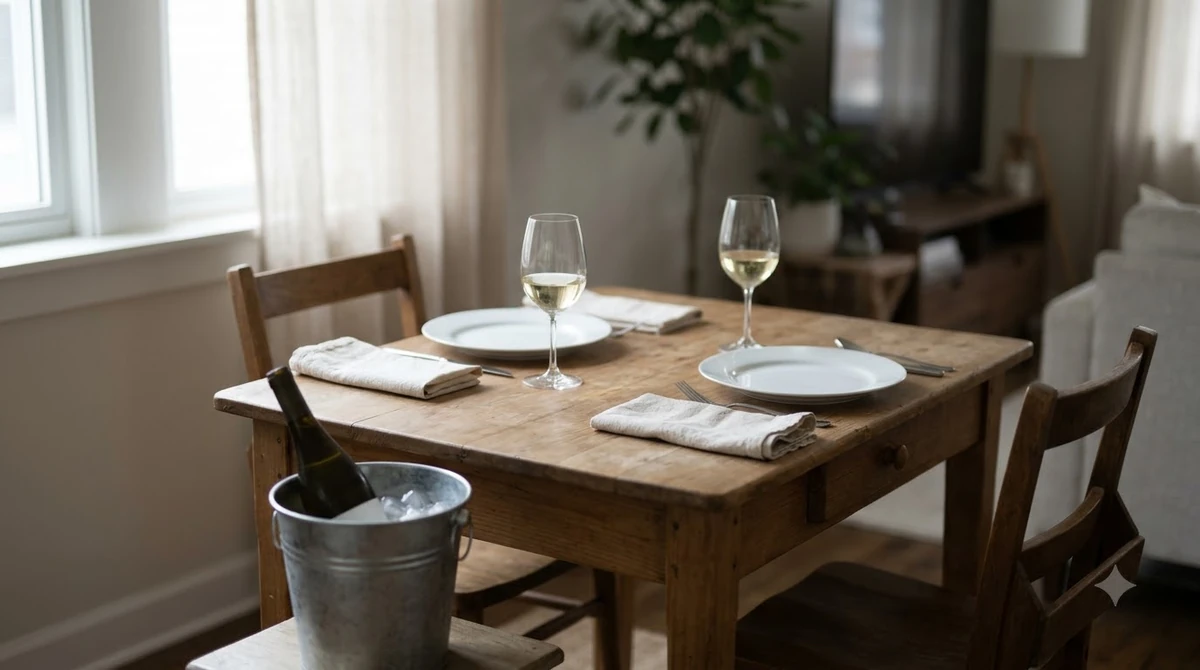
Serve Sauternes chilled, generally around 43–50°F. This temperature range helps preserve its aromatic character while keeping its sweetness refreshing. Very warm serving temperatures can make the wine feel heavier and emphasize its alcoholic warmth.
A refrigerator can bring a bottle toward the appropriate temperature before service. If it becomes too cold, allow it to warm slightly in the glass. The aromas of honey, apricot, citrus, and spice can become easier to appreciate as the wine loses some of its initial chill.
Food pairings that complement Sauternes
Classic Sauternes pairings include foie gras, blue cheese, creamy fish dishes, and desserts featuring dried or tropical fruit. The wine’s sweetness can balance salty or savory flavors, while its acidity helps refresh the palate between bites.
Roquefort is a particularly traditional match. Its saltiness and strong flavor contrast with the wine’s honeyed sweetness. Other strong cheeses, including Epoisses, can provide similarly interesting contrasts. The key is to choose food with enough intensity to stand alongside the wine.
Fruit-based desserts also work well. Apricot tart, poached pear, baked apple, and desserts containing caramel or toasted nuts can complement the wine’s naturally concentrated fruit character. The dessert should generally be no sweeter than the Sauternes itself, since an excessively sweet dish can make the wine seem less expressive.
For a savory pairing, creamy fish or poultry dishes can work particularly well. The wine’s acidity provides contrast to rich sauces, while its sweetness complements certain preparations containing fruit, nuts, or gentle spices. Avoid very hot chili dishes, as alcohol can intensify the sensation of heat.
Does Sauternes Alcohol Content Change With Age?
Sauternes can mature for many years, developing more complex aromas and deeper colors as it ages. However, bottle age does not normally produce a meaningful increase or decrease in its stated alcohol percentage.
The ABV is established during winemaking and measured before bottling. A bottle that originally contained 14% alcohol does not become a 16% wine simply because it has spent 20 years in a cellar. Changes in flavor and texture are more important than changes in alcoholic strength.
Young Sauternes often shows fresh fruit, floral notes, honey, and citrus. With extended maturation, these characteristics can develop into more concentrated aromas of dried apricot, marmalade, toasted nuts, caramel, and roasted fruit. The wine’s color may also progress from golden yellow toward deeper amber shades.
Producer practices influence the maturation process. Gilbert & Gaillard describes oak aging periods of approximately 18 to 36 months for many Sauternes wines. Other producers use stainless-steel tanks, depending on the intended style. The Emotions de La Tour Blanche example is aged in stainless-steel vats for 18 months, demonstrating that not every Sauternes depends on oak barrels.
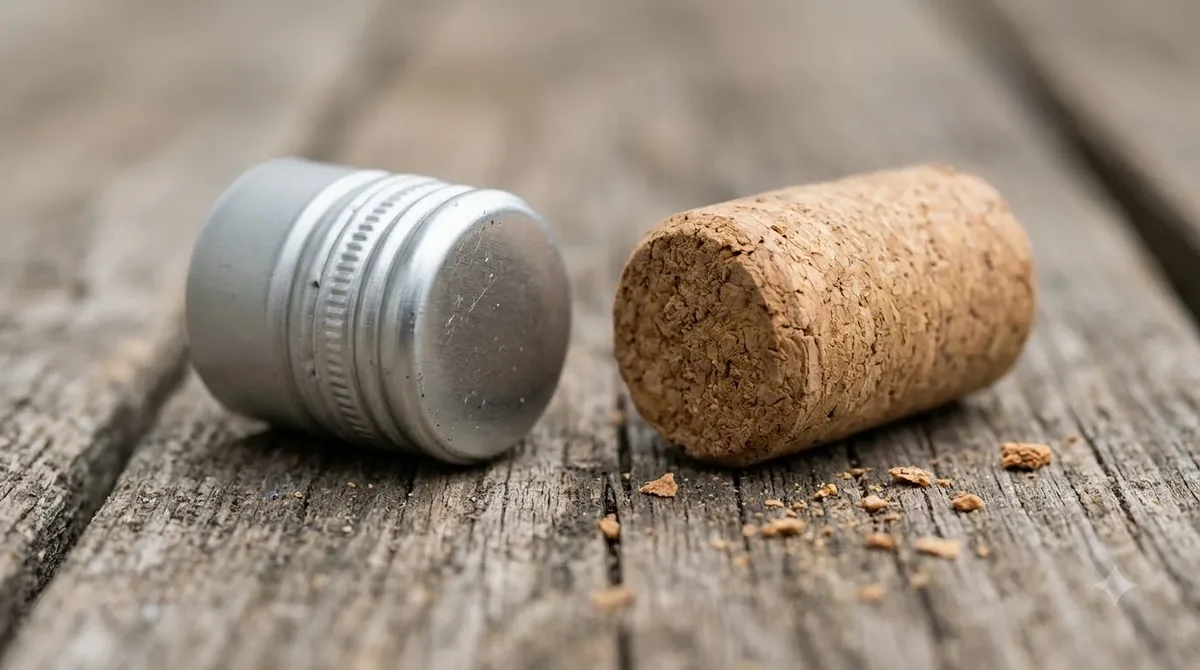
Proper storage helps preserve the wine’s quality. A cool, dark environment with a relatively stable temperature near 55°F is suitable for long-term bottle storage. Bottles with natural cork closures are generally stored on their sides to help keep the cork from drying out.
After opening, Sauternes should be refrigerated and kept properly sealed. Its sugar and acidity can help it remain enjoyable for several days, although its aromas gradually change after exposure to oxygen. Smaller pours also make it easier to preserve an opened bottle without serving more than necessary.
Frequently Asked Questions
Is Sauternes considered a strong wine?
Sauternes is relatively strong compared with lighter dessert wines such as Moscato d’Asti, but it is not unusually strong among still wines. Its typical 14–14.5% ABV is within the range of many full-bodied wines. Its concentrated sweetness can sometimes make its alcoholic strength less immediately apparent.
Is Sauternes made with added alcohol?
Traditional Sauternes is an unfortified wine, meaning distilled spirit is not added to raise its alcohol content. Its alcohol develops through yeast fermentation of grape sugars. This distinguishes it from fortified wines such as Port, which receive an addition of grape spirit during production.
Can Sauternes contain less than 14% alcohol?
Yes. A bottle with 13.5% ABV is a documented example of Sauternes, and some wines can fall below the typical 14% to 14.5% range. The Conseil des Grands Crus Classés en 1855 lists a 13% minimum total alcohol content for the appellation. Individual bottles should be compared using their stated alcohol percentages.
Does Sauternes have more calories than dry white wine?
Generally, yes, because Sauternes combines alcohol with substantial residual sugar. Both components contribute energy, so a sweet Sauternes can contain more calories per equal volume than a dry white wine. The exact amount depends on the individual wine’s alcohol and residual sugar concentrations.
Is Barsac the same wine as Sauternes?
Barsac is a neighboring Bordeaux appellation with its own designation, although its producers can also choose to label their wines as Sauternes. Both appellations use noble-rot-affected grapes and share many traditional production practices. Barsac’s limestone-rich soils contribute to a distinct regional expression that can emphasize freshness and finesse.
Sauternes combines the sweetness of botrytized grapes with an alcohol level commonly around 14% to 14.5% ABV. Its balance of residual sugar, acidity, and fermentation-derived alcohol makes it a distinctive French dessert wine rather than a fortified spirit-based wine. When choosing a bottle, compare the stated ABV and serving style to find a Sauternes that suits your preferences and the food on your table.
More in Wine Types & Grapes
 Zinfandel Sugar Content: Dry Red vs. White Zinfandel GramsUpdated Nov 21, 2026
 Best Zinfandel Substitute Options for Sipping and CookingUpdated Nov 21, 2026
 Zweigelt Food Pairing: Best Dishes, Cheeses, and Serving TipsUpdated Nov 21, 2026
 Zinfandel Tannins Explained: How Structure Shapes Every BottleUpdated Nov 21, 2026
 Zinfandel Sweetness Level: Dry Red vs. Sweet White Zin ExplainedUpdated Nov 21, 2026
 Xinomavro Food Pairing: Best Dishes, Styles, and Serving TipsUpdated Nov 21, 2026