

We may earn a commission when you buy through links on this page, at no extra cost to you. Learn more.
Sardinia wine grapes include Cannonau, Vermentino, Carignano, Monica, Nuragus, Bovale, and several distinctive local varieties that produce expressive Italian red, white, rosé, and dessert wines. The island’s northeastern Gallura area is particularly associated with mineral, aromatic Vermentino, while the southwestern Sulcis region is known for concentrated Carignano reds. Understanding these grapes makes it easier to recognize Sardinian wines, choose bottles by style, and find regional specialties beyond the island’s two most famous varieties.
Sardinia is one of Italy’s most distinctive wine-producing regions. Its position in the Mediterranean, varied elevations, coastal influences, and long agricultural history have encouraged a remarkable collection of grape varieties. Some, including Cannonau and Vermentino, are internationally recognized. Others, such as Nasco, Cagnulari, Bovale, and Semidano, remain closely connected to particular communities and traditional wine styles.
For American wine drinkers, the easiest introduction is to begin with the major grapes, understand where they grow, and then explore the less familiar varieties. Sardinian wine is not a single flavor profile: it ranges from refreshing coastal whites to powerful reds and unusual oxidative wines.
The Sardinian Wine Landscape and Its Main Grapes
Sardinia’s wine identity is built around two leading varieties, Cannonau and Vermentino, alongside a diverse collection of regional grapes. Geography matters because the island’s northern, central, and southern vineyard areas have different soils, elevations, and climatic influences.
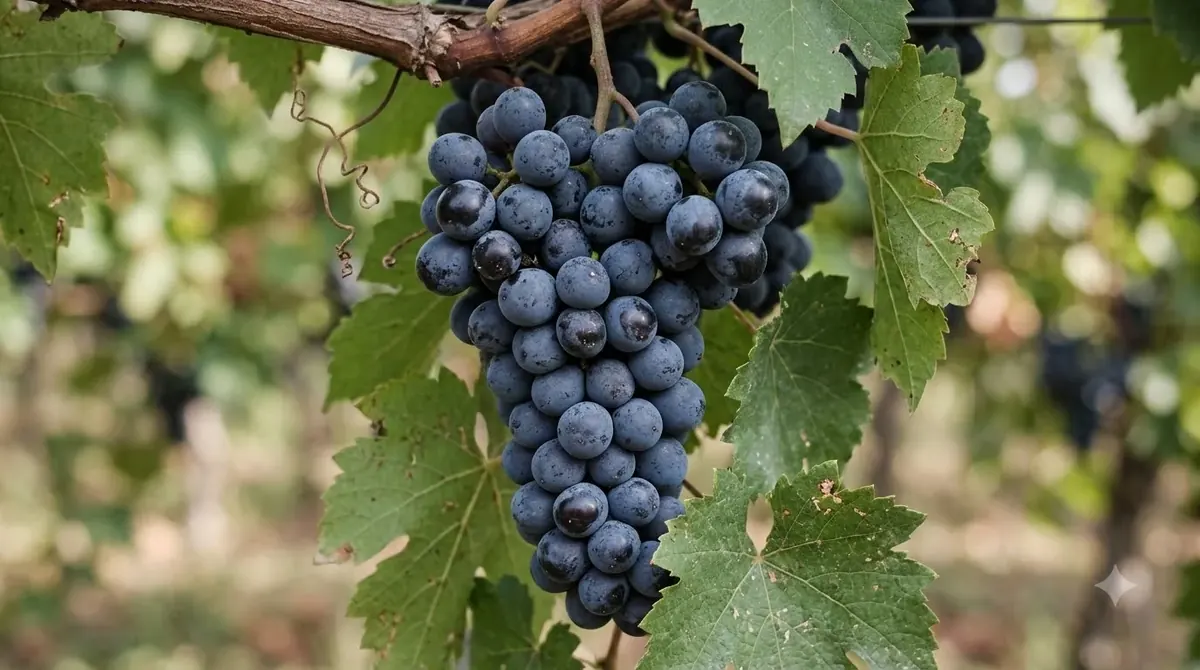
The regional agricultural authority describes vineyards across coastal plains, inland hills, and higher elevations. This geographical variety helps explain why the same grape can produce noticeably different wines depending on its growing location. Vermentino from northeastern Gallura, for example, can have a different balance of fruit and mineral character from a version grown closer to Cagliari.
The major varieties also have distinct regional associations. Cannonau is widely planted across the island, while Carignano is strongly connected with Sulcis in the southwest. Nuragus is associated with southern Sardinia, and Cagnulari has a particularly strong connection with the northwestern part of Sassari province.
Several grape varieties appear in wines carrying protected geographical designations. These designations establish production areas and minimum grape-composition requirements, helping consumers understand what is inside the bottle. They also preserve the connection between a wine and its local agricultural heritage.
Here is a useful overview of the principal grapes and their associations:
| Grape | Color | Main association | Typical wine character |
|---|---|---|---|
| Cannonau | Red | Ogliastra, Oliena, Jerzu | Ripe red fruit, spice, earthy notes |
| Vermentino | White | Gallura, coastal Sardinia | Citrus, herbs, saline freshness |
| Carignano | Red | Sulcis | Dark fruit, spice, firm tannins |
| Monica | Red | Central and southern Sardinia | Cherry, plum, approachable fruit |
| Nuragus | White | Cagliari area | Fresh, light, gently textured |
| Bovale | Red | Mandrolisai, Terralba | Structured fruit and spice |
| Cagnulari | Red | Northwestern Sassari | Red fruit, herbs, savory character |
| Semidano | White | Mogoro and Oristano area | Peach, apricot, floral notes |
This list is a starting point rather than a complete inventory. Sardinia also produces wines from Moscato, Malvasia, Nasco, Torbato, Vernaccia, Girò, and other local varieties. Exploring these lesser-known grapes is one of the most rewarding ways to discover the island’s wine culture.
Vermentino: Sardinia’s Signature White Grape
Vermentino is one of Sardinia’s most recognizable white grapes, producing wines that balance Mediterranean fruit, aromatic freshness, and a characteristic savory or saline impression. Gallura in the northeast is its most prestigious regional stronghold, although the variety is grown throughout the island.
Typical Vermentino aromas include lemon, grapefruit, white peach, pear, and fresh herbs. Depending on the vineyard and winemaking approach, the wine may also suggest fennel, flowers, sea spray, or crushed minerals. Most straightforward examples are dry, refreshing, and medium-bodied, making them particularly useful at the table.
Gallura deserves special attention. Its weathered granite soils, elevation differences, and substantial changes between daytime and nighttime temperatures contribute to distinctive expressions of the grape. According to Decanter’s regional coverage, Gallura wines can be intense and mineral rather than overtly fruity.
Vermentino di Gallura DOCG is restricted to northeastern Sardinia. By contrast, Vermentino di Sardegna DOC can include grapes from across the island and requires at least 85% Vermentino. These two designations are useful starting points when comparing bottles.
How Vermentino changes across Sardinia
Southern examples around Cagliari can show richer fruit, including yellow peach and tropical-fruit notes. Northern Gallura wines often emphasize citrus, herbs, and mineral sensations. Coastal vineyards may contribute a more pronounced impression of sea air, while inland locations can produce different aromatic expressions.
Winemaking also influences the finished wine. Stainless-steel fermentation generally preserves freshness and direct fruit character. Lees aging, stirring, partial oak aging, later harvesting, and skin contact can add texture and complexity. A more structured Vermentino may therefore feel quite different from a crisp, uncomplicated summer white.
Food pairing is straightforward. Try Vermentino with grilled sea bass, shrimp, clams, calamari, or lemon-seasoned vegetables. Its acidity makes it especially effective with dishes that include olive oil, herbs, and citrus. For an informal meal, serve it with seafood pasta or a simple plate of grilled zucchini.
Tip: Serve most Vermentino at 45–50 F. If the wine has substantial lees aging or oak influence, try 50–55 F to allow more of its texture and aromatic detail to emerge.
Vermentino is an excellent first purchase for anyone unfamiliar with Sardinian wine. Its fresh profile is accessible, yet regional differences offer plenty of opportunities for comparison. A bottle from Gallura alongside one from southern Sardinia can demonstrate how geography changes the character of a single grape.
Cannonau, Carignano, and the Island’s Red Wine Identity
Cannonau and Carignano are two essential Sardinian red grapes, but they produce noticeably different styles. Cannonau typically emphasizes generous red fruit, warmth, and spice, while Carignano from Sulcis can deliver darker fruit, stronger structure, and more pronounced tannins.
Cannonau: The best-known Sardinian red
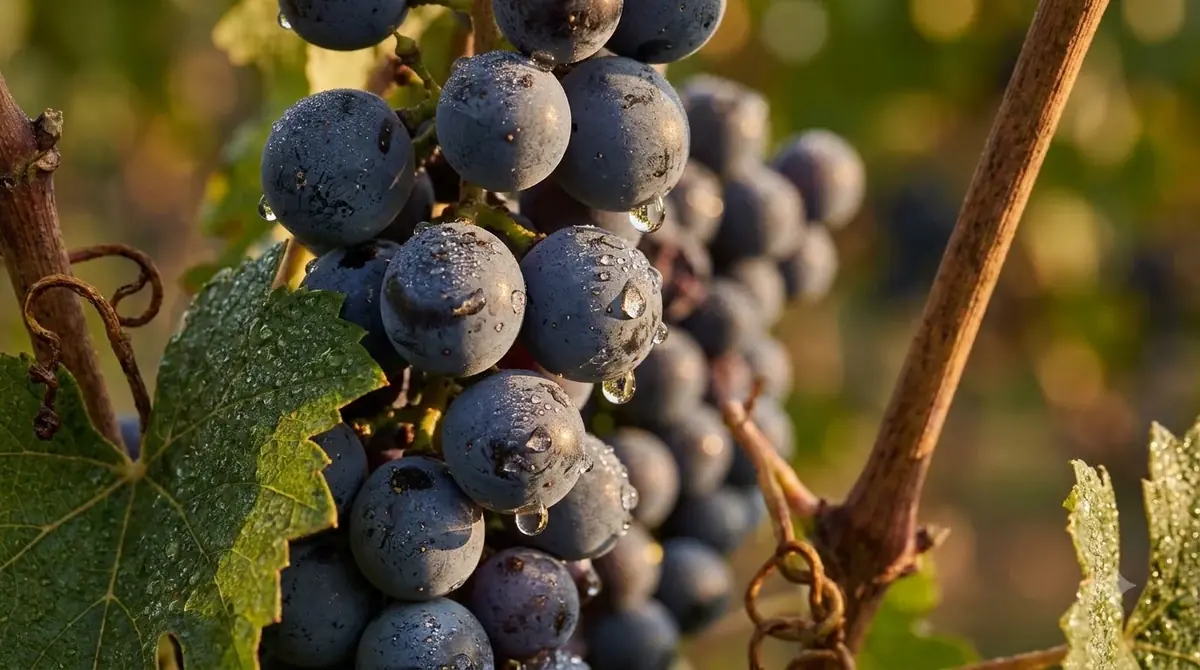
Cannonau is widely planted throughout Sardinia, with important growing areas in Ogliastra and the central interior. Its recognized DOC subzones include Jerzu, Capo Ferrato, and Oliena, the latter also known as Nepente di Oliena.
Cannonau is generally identified with Grenache, also known as Garnacha in Spain. The relationship is widely discussed in wine literature, although Sardinian growing conditions and local traditions give Cannonau its own recognizable personality.
Expect ripe strawberry, cherry, raspberry, and plum aromas, sometimes accompanied by dried herbs, black pepper, earthy notes, and warm spice. The wines can be medium- to full-bodied, with alcohol levels that reflect the island’s sunny growing conditions. Some powerful examples approach 16% alcohol.
Cannonau di Sardegna DOC requires at least 85% Cannonau, with the Classico designation requiring at least 90%. The denomination covers the island, but regional expressions can differ considerably. Wines from higher-elevation areas such as Mamoiada may retain fresher fruit and floral characteristics, while warmer locations can produce richer, more concentrated styles.
Pair Cannonau with grilled lamb, roasted pork, tomato-based meat dishes, sausages, or aged sheep’s milk cheese. Its fruit and structure complement savory dishes particularly well. Serve it at 60–65 F when the wine is full-bodied, rather than at excessively warm room temperature.
Carignano: The powerful red of Sulcis
Carignano is strongly associated with southwestern Sardinia, especially Sulcis and the area around Sant’Antioco. The regional DOC, Carignano del Sulcis, requires at least 85% Carignano.
The grape is known internationally as Carignan and is also called Cariñena in Spain. In Sardinia, it has become closely connected with the sandy soils and warm Mediterranean environment of Sulcis. Some vineyards contain ungrafted bush vines, and these can produce particularly concentrated fruit.
Carignano commonly offers blackberry, black cherry, plum, and darker berry aromas. Depending on extraction, aging, and vineyard conditions, the wine may also show black pepper, dried herbs, tobacco, and earthy complexity. Its tannins can be firm, making it a natural partner for richly flavored dishes.
Choose Carignano with grilled beef, slow-cooked lamb, roasted vegetables, or hearty tomato-based sauces. The wine’s tannin works particularly well with protein and fat, which can soften its drying sensation. A young, full-bodied bottle can benefit from 30–60 minutes of decanting.
Comparing Cannonau and Carignano
Although both are associated with warm Sardinian growing conditions, their drinking experiences differ. Cannonau is often more immediately generous and red-fruited, while Carignano can feel darker, firmer, and more structured.
Neither description applies to every bottle. Vineyard elevation, harvest timing, extraction, and maturation can substantially change the final result. A lighter Cannonau may be more appropriate for a casual dinner, while a concentrated Carignano can stand alongside a substantial roasted-meat dish.
Monica, Bovale, Cagnulari, and Other Sardinian Red Grapes
Sardinia’s lesser-known red grapes provide a broader picture of the island’s winemaking heritage. Monica, Bovale, and Cagnulari are particularly useful varieties to recognize because each has a different regional association and role in local wine production.
Monica: A softer, approachable red
Monica is one of Sardinia’s traditional red grapes and is cultivated in several parts of the island. It has its own Monica di Sardegna DOC, which requires at least 85% Monica, and also appears in Cagliari Monica wines.
Typical Monica wines emphasize red cherries, blackberries, ripe plum, and gentle spice. Compared with more structured Carignano or Bovale, many examples are approachable and relatively easy to enjoy without extended cellaring.
Monica is also important in Mandrolisai DOC, where it contributes to a traditional blend with Cannonau and Bovale Sardo. It can provide fruit and softness alongside the structure and aromatic intensity of the other varieties.
Try Monica with pizza, grilled sausages, roasted chicken, tomato-based pasta, or moderately aged cheeses. Its fruit-forward character makes it an appealing alternative to heavier Mediterranean reds.
Bovale: Two related names with different identities
The name Bovale refers to two distinct Sardinian grape varieties: Bovale Sardo and Bovale Grande, also known as Bovale di Spagna. The regional agricultural authority traces their arrival in Sardinia to the Iberian Peninsula around the 14th century.
Bovale Sardo is especially important in Mandrolisai DOC. The denomination requires at least 35% Bovale Sardo, together with 20–35% Cannonau and 20–35% Monica. This combination produces a wine that reflects the contributions of three traditional Sardinian varieties.
Bovale Grande is associated with Campidano di Terralba DOC, where Bovale varieties must account for at least 85% of the relevant grape composition. These regional distinctions are helpful because the shared Bovale name can otherwise create confusion when selecting a bottle.
Bovale wines can show dark fruit, spice, and firm structure. Their intensity makes them useful companions for grilled meats, rich stews, and strongly flavored local dishes.
Cagnulari: A northwestern specialty
Cagnulari is a traditional red grape concentrated in a relatively restricted area in the northwestern part of Sassari province. It is particularly associated with Alghero Cagnulari DOC.
Its wines can offer red and dark berry aromas, herbal details, and savory complexity. The grape is important because it demonstrates how a relatively small growing area can maintain a distinctive regional identity even when better-known varieties dominate the island’s international reputation.
Look for Cagnulari when exploring wines from the Alghero area. It can be an interesting alternative to Cannonau for drinkers seeking a more localized expression of Sardinian red wine.
Nuragus, Semidano, Torbato, and Other White Grapes
Beyond Vermentino, Sardinia has several important white grapes that offer different levels of acidity, aromatic intensity, and texture. Nuragus, Semidano, and Torbato are especially worthwhile discoveries, while Nasco and Moscato provide additional aromatic and sometimes sweeter options.
Nuragus: A traditional southern white
Nuragus is one of Sardinia’s most widely cultivated white grapes and is strongly associated with the Cagliari area. Nuragus di Cagliari DOC was recognized in 1975, and the denomination requires at least 80% Nuragus according to the regional DOC regulations.
Most Nuragus wines are dry and relatively light, with fresh citrus, green apple, pear, and subtle herbal impressions. Their moderate weight makes them versatile choices for everyday meals, particularly seafood, vegetable dishes, and simple pasta preparations.
Decanter describes Nuragus as slightly tannic and mouth-cleansing, an interesting distinction from many familiar Italian white varieties. This characteristic can provide a little more texture than expected in a straightforward white wine.
Semidano: Delicate fruit and floral aromas
Semidano is a less common Sardinian white grape with a particularly important connection to the Mogoro area. Sardegna Semidano DOC requires at least 85% Semidano, and Mogoro is its recognized subzone.
The regional agricultural authority describes the wines as having a golden straw color, floral aromas, and fruit notes including peach and apricot. Aromatic herbs can add another dimension, while the palate is generally soft and elegant.
Semidano works well with delicate fish, fresh cheeses, vegetable risotto, and lightly seasoned poultry. Its fruit-forward profile also makes it interesting for drinkers who enjoy whites that are less overtly citrus-driven than Vermentino.
Torbato: An Alghero specialty
Torbato is a distinctive white grape associated with the Alghero area in northwestern Sardinia. It is used to make both still wines and sparkling wines within Alghero DOC.
Its aromatic profile can include white flowers, white fruit, and mineral or marine impressions. The wines are generally refreshing, with enough texture to accompany a range of seafood and vegetable dishes.
Torbato is a particularly good choice for shoppers who want to move beyond the familiar Vermentino category while remaining within Sardinia’s white-wine tradition.
Nasco, Moscato, and Malvasia
Nasco is a distinctive aromatic white grape associated with southern Sardinia. Its name is linked by the regional agricultural authority to the Latin word for musk, reflecting the characteristic fragrance that can become more noticeable as the wine develops. Nasco di Cagliari DOC requires at least 95% Nasco.
Moscato is grown in several Sardinian areas, including the lower Campidano, Romangia, and Gallura. The regional differences are reflected in denominations such as Cagliari Moscato, Moscato di Sorso-Sennori, and Moscato di Sardegna. Depending on the production method, Moscato can produce sparkling, sweet, and other aromatic styles.
Malvasia is particularly important around Bosa and Planargia on the west coast. Malvasia di Bosa DOC requires at least 95% Malvasia. Its wines can range from naturally dry to sweet, with some versions undergoing fortified or oxidative maturation.
These varieties are useful to explore when looking for aromatic whites, dessert wines, or distinctive bottles for a special meal. Their diversity also demonstrates why Sardinia cannot be understood through Vermentino alone.
Vernaccia di Oristano and Sardinia’s Traditional Wines
Vernaccia di Oristano is one of Sardinia’s most distinctive traditional wines, made from a grape grown in the western part of the island. Its oxidative maturation gives it a style that differs substantially from ordinary fresh white wine.
The wine is associated with Oristano and the surrounding territory in west-central Sardinia. Vernaccia di Oristano DOC uses exclusively Vernaccia grapes, and it was the island’s first recognized DOC, established in 1971.
The defining feature is its maturation process. The regional agricultural authority describes a minimum of three to four years of oxidative aging in partially filled oak or chestnut barrels. This exposure to oxygen helps create the wine’s characteristic complexity.
Some wines mature under a layer of flor, a film of yeast that develops on the surface of the wine. This process creates aromatic similarities to certain traditional wines from southern Spain, particularly fino Sherry. Longer maturation can produce characteristics reminiscent of Amontillado.
What does Vernaccia di Oristano taste like?
Expect dried fruit, nuts, savory herbs, sea-air impressions, and sometimes notes of spice or incense. The exact profile depends on the age of the wine, the barrel environment, and the producer’s maturation choices.
Unlike many well-known Sherry styles, Vernaccia di Oristano does not necessarily undergo fortification. Traditional examples are often dry and can be served as an aperitif or alongside savory food.
Bottarga, the salted and dried roe of mullet, is a particularly appropriate pairing. Its concentrated savory flavor complements the wine’s oxidative character. Other possibilities include aged cheeses, salty appetizers, and seafood preparations with pronounced savory depth.
Vernaccia di Oristano is not necessarily the first Sardinian wine to recommend to a beginner, but it is one of the most memorable discoveries for someone interested in traditional European wine styles. Its production method and historical identity make it especially different from fresh, stainless-steel-fermented whites.
How to Choose, Serve, and Pair Sardinian Wine
The easiest way to choose Sardinian wine is to start with the grape, then narrow the selection by denomination and regional origin. Matching the wine’s structure and acidity with food is equally important, especially because the island produces everything from crisp whites to powerful reds and oxidative specialties.
Choosing by wine style
For a refreshing white, begin with Vermentino di Gallura or Vermentino di Sardegna. Nuragus is another option for a lighter, straightforward style, while Semidano offers a softer and more floral profile.
For red wine, Cannonau is a useful introduction to Sardinian varieties. Choose Carignano del Sulcis when looking for darker fruit and firmer tannins. Monica is a good option for a more approachable red, and Mandrolisai offers an opportunity to discover the traditional relationship between Bovale, Cannonau, and Monica.
For a more unusual bottle, explore Torbato, Nasco, Malvasia di Bosa, or Vernaccia di Oristano. These grapes and wine styles provide a different perspective on the island’s regional traditions.
Understanding the principal DOC requirements
Protected denominations offer practical information about grape composition and geographical origin. The percentages below are particularly useful when comparing Sardinian labels.
| Denomination | Required grape composition | Geographical association |
|---|---|---|
| Cannonau di Sardegna DOC | 85% Cannonau; 90% Classico | Across Sardinia |
| Carignano del Sulcis DOC | 85% Carignano | Southwestern Sulcis |
| Vermentino di Sardegna DOC | 85% Vermentino | Across Sardinia |
| Mandrolisai DOC | 35% minimum Bovale Sardo; 20–35% each Cannonau and Monica | Mandrolisai |
| Monica di Sardegna DOC | 85% Monica | Across Sardinia |
| Malvasia di Bosa DOC | 95% Malvasia | Planargia |
| Nasco di Cagliari DOC | 95% Nasco | Southern Sardinia |
| Nuragus di Cagliari DOC | 80% Nuragus | Cagliari area |
| Sardegna Semidano DOC | 85% Semidano | Across Sardinia, including Mogoro |
| Vermentino di Gallura DOCG | Vermentino-based denomination | Northeastern Gallura |
These percentages refer to denomination requirements rather than a claim that every bottle tastes the same. Individual producers can use different vineyard sites and winemaking techniques while remaining within the relevant production regulations.
Food pairing recommendations
Sardinian wines work particularly well with Mediterranean cooking. Seafood, lamb, pasta, roasted vegetables, olive oil, and sheep’s milk cheeses are natural starting points.
Vermentino pairs with grilled fish, shellfish, calamari, and seafood pasta. Its acidity helps balance olive oil and bright citrus sauces. Nuragus and Torbato also work with lighter fish dishes, while Semidano can accompany fresh cheese and delicate poultry.
Cannonau pairs well with lamb, pork, grilled meats, and tomato-based dishes. Carignano can handle richer preparations, including beef stew and roasted meats. Monica is suitable for pizza, sausages, and pasta with red sauce.
For Vernaccia di Oristano, try bottarga, aged cheese, or savory appetizers. Sweet Moscato and sweet Malvasia are better suited to desserts that are no sweeter than the wine itself.
Pay attention to acidity and tannin when planning a meal. Acidic dishes need wines with equal or greater acidity, while salt and fat soften the perception of tannin. Chili heat can become more pronounced alongside high-alcohol or tannic reds, so a fresh white or lower-alcohol style may be more comfortable with spicy food.
Serving temperatures and storage
Serving temperature can change how a Sardinian wine expresses its fruit, acidity, and structure. A simple temperature guide helps preserve the intended balance.
| Wine style | Recommended serving temperature |
|---|---|
| Light white wines | 45–50 F |
| Fuller-bodied white wines | 50–55 F |
| Light-bodied reds | 55–60 F |
| Full-bodied reds | 60–65 F |
| Sweet white wines | 43–50 F |
| Sparkling wines | 40–50 F |
Serve most Vermentino and Nuragus at 45–50 F. Fuller-bodied whites, including more structured or oak-influenced examples, benefit from slightly warmer temperatures. Cannonau and Carignano are generally best around 60–65 F, while lighter Monica wines may be more enjoyable at 55–60 F.
Store unopened bottles on their sides in a cool, dark place near 55 F when they have natural cork closures. Avoid large temperature fluctuations and prolonged exposure to direct sunlight. After opening, refrigerate still wines and aim to enjoy them within three to five days. Young, concentrated red wines may benefit from 30–60 minutes of decanting before serving.
For additional regional context, explore our Sardinia wine region overview and discover how geography influences local grape varieties. A Sardinia wine tasting can also help illustrate the differences between Vermentino, Cannonau, Carignano, and the island’s less familiar specialties.
For official grape and denomination information, consult the Sardinian agricultural authority’s grape variety overview. Decanter’s Sardinia wine buyer’s guide provides additional insight into the island’s regional styles and producers.
Frequently Asked Questions
Is Cannonau genetically the same grape as Grenache?
Cannonau is generally identified as the Sardinian expression of Grenache, known as Garnacha in Spain. The variety has a long history of cultivation around the Mediterranean, although historical explanations of its precise origins remain debated. Sardinia’s climate and regional winemaking traditions have helped establish a recognizable local style.
Which Sardinian wine grape is best for someone who dislikes tannic reds?
Monica is a useful variety to explore because many examples emphasize approachable fruit rather than pronounced tannic structure. Lighter Cannonau wines can also be suitable, depending on the producer and winemaking approach. Look for younger wines with moderate extraction rather than heavily structured oak-aged bottlings.
Does Sardinia produce rosé from its traditional grapes?
Yes. Cannonau, Carignano, and other red varieties can be used for rosé production. Cannonau-based rosato is particularly worth exploring because it can combine ripe berry aromas with the freshness expected from a dry Mediterranean rosé. Serve it around 45–50 F.
What does the word Superiore mean on a Sardinian wine label?
Superiore is a regulated designation used in certain Italian wine appellations, generally indicating additional production requirements such as higher minimum alcohol levels or stricter yield limits. Its precise meaning depends on the individual denomination. It should not automatically be interpreted as a guarantee that one bottle will taste better than another.
Are there international grape varieties grown in Sardinia?
Yes. Sardinian vineyards also include international varieties such as Cabernet Sauvignon, Merlot, Chardonnay, and Sauvignon Blanc. Some appear in Alghero DOC wines and other regional bottlings. These varieties provide additional styles alongside the island’s traditional grapes and can also appear in blends with local varieties.
Sardinia’s wine grapes offer much more variety than the familiar combination of Cannonau and Vermentino suggests. From the mineral whites of Gallura to the structured reds of Sulcis and the unusual oxidative wines of Oristano, each regional specialty reveals another part of the island’s identity. Start with the major varieties, then explore Monica, Nuragus, Cagnulari, Semidano, and Vernaccia to discover the full diversity of Sardinian wine.
More in Wine Regions
 Willcox Wine Trail: Discover Arizona’s High-Elevation Wine CountryUpdated Nov 20, 2026
 Yakima Valley Wine Region: Find the Best Styles to TryUpdated Nov 20, 2026
 Vosne Romanee Wine Tasting: Identify Aromas and Choose Better PairingsUpdated Nov 20, 2026
 Yakima Valley Wine Festival: Find the Best Seasonal Wine EventsUpdated Nov 20, 2026
 Wales Vineyards: Discover Cool-Climate Wines and Where to VisitUpdated Nov 20, 2026
 Yountville Wine Festival: Discover Napa Wines and Local FoodUpdated Nov 20, 2026