

We may earn a commission when you buy through links on this page, at no extra cost to you. Learn more.
The santa ynez valley wine trail is a collection of estate wineries and tasting stops centered on the town of Santa Ynez in Santa Barbara County, California. It is best planned as a flexible country-road outing rather than as one continuous pedestrian route. Expect vineyard estates beside ranchland, a mix of tasting-room settings, and access to wines ranging from cool-climate Pinot Noir and Chardonnay to Syrah and Cabernet Sauvignon.
The valley rewards visitors who plan around geography and grape variety instead of trying to visit every tasting room in one day. The named Santa Ynez trail is a useful starting point, while nearby Los Olivos, Solvang, Ballard Canyon, and the western Sta. Rita Hills offer ways to broaden a longer wine-country stay.
Where the Santa Ynez Wine Trail Runs
The Santa Ynez Wine Trail refers to the group of wineries in and around the town of Santa Ynez, toward the southeastern part of the valley. The Santa Barbara County Vintners describes a landscape of working vineyards, horse ranches, farms, estate properties, and tasting rooms reached along country roads.

This is an important distinction for trip planning: the named trail is not a single downtown strip and it is not a synonym for every winery across Santa Barbara County. The Vintners’ Santa Ynez Wine Trail listing names stops such as 27 Vines, Artiste Winery & Gallery, Brander Vineyard, Buttonwood Farm & Vineyards, Gainey Vineyard, Grassini Family Vineyards, Happy Canyon Vineyard, Rideau Vineyard, Roblar Winery, Star Lane Vineyard, Stolpman Vineyards, and Sunstone Winery. These names give visitors a practical shortlist, but they should not be read as a guarantee that every property has identical hours, walk-in access, or tasting formats.
Many wineries in this area are set on their estate properties, and the Vintners notes that some Santa Ynez tasting rooms have gardens or picnic areas. That setting is part of the appeal: the view may include vines, oak-dotted hills, ranch fencing, or grazing land rather than a dense row of storefronts. A leisurely schedule leaves room to appreciate the landscape between appointments instead of treating the road as dead time.
For a broader picture of the region’s grapes and styles, see this overview of Santa Ynez Valley wine. It helps separate the town-centered trail from the larger appellation and its subregions. Travelers planning several days can also use the wider Santa Ynez Valley wine country as the framework for adding stops beyond the immediate Santa Ynez area.
How the AVAs Shape the Wines
Santa Ynez Valley wine country changes noticeably from west to east because the mountain ranges run across the valley and channel cool Pacific air inland. That pattern produces a range of growing conditions, so the grape that makes sense near the coast may be quite different from the one that thrives farther inland.
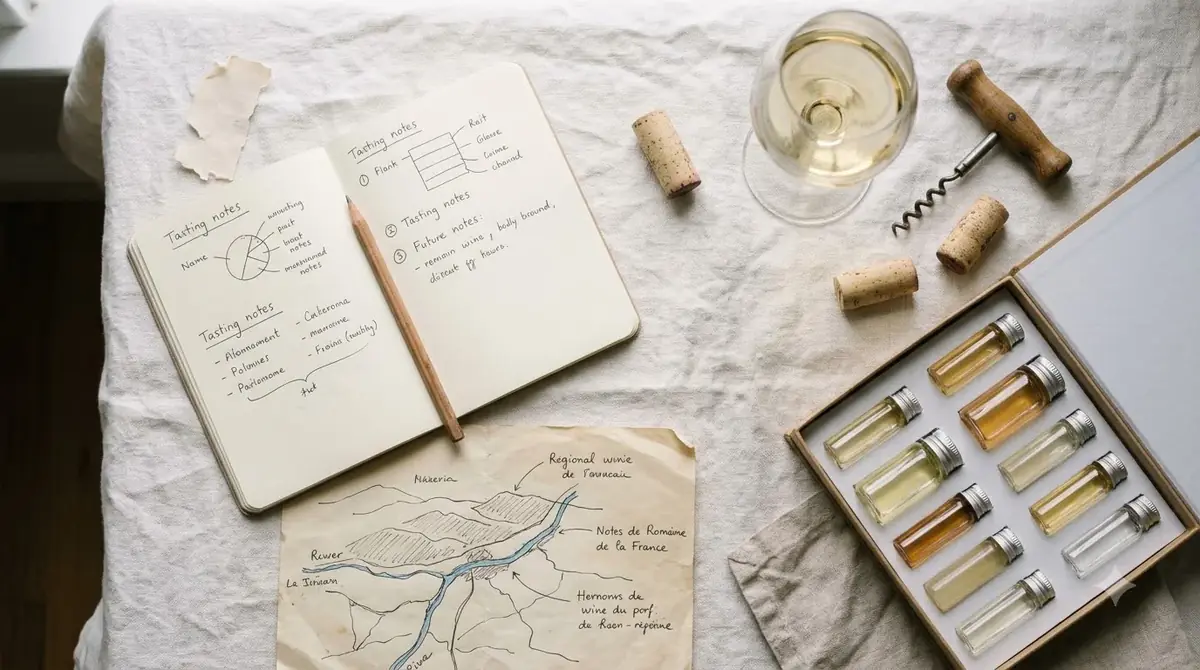
The Santa Ynez Valley AVA contains four sub-AVAs: Sta. Rita Hills, Ballard Canyon, Los Olivos District, and Happy Canyon of Santa Barbara. In broad terms, Sta. Rita Hills is associated with Pinot Noir and Chardonnay; Ballard Canyon is a Syrah stronghold; Los Olivos District supports a wider mix of Bordeaux, Rhône, Spanish, and Italian grapes; and warmer Happy Canyon is known for structured Cabernet Sauvignon blends. These boundaries are useful clues, not a promise that every wine from a subregion tastes the same.
Some figures help show why these distinctions matter. Decanter describes Ballard Canyon as accounting for about one-tenth of Santa Ynez Valley wine production, with more than half of its 225 hectares of vineyard plantings devoted to Syrah. The Santa Ynez, San Rafael, and Sierra Madre mountain ranges rise to elevations of about 3,300 feet, and Happy Canyon summer temperatures can exceed 90°F. The mountain orientation, coastal air, elevation, and local topography all influence ripening and freshness.
| Regional reference | Figure | What it tells a visitor |
|---|---|---|
| Sub-AVAs within Santa Ynez Valley | 4 | Four distinct growing areas sit within the larger valley appellation. |
| Ballard Canyon vineyard area | 225 hectares (about 556 acres) | More than half is planted to Syrah, according to Decanter. |
| Ballard Canyon share of valley wine production | About 10 percent | A relatively focused part of the valley’s overall production. |
| Mountain range elevations | Up to about 3,300 feet | Elevation adds another layer of site variation. |
| Happy Canyon summer temperatures | Above 90°F | The eastern end is among the warmer parts of Santa Barbara County. |
In practical terms, start with the style you like and use the AVA as a guide. A visitor who enjoys fragrant Pinot Noir and bright Chardonnay can place western sites on the list; someone who prefers peppery Syrah can look toward Ballard Canyon; and a fan of Cabernet Sauvignon can make time for Happy Canyon. The differences are not simply a matter of lighter versus heavier wines: site conditions also influence acidity, texture, alcohol, and the balance between fruit and savory character.
Choosing Wineries and Tasting Stops
A good Santa Ynez itinerary balances the kind of wines you want to compare with the type of visit you want to have. The official trail list includes estate-focused properties, vineyards, and tasting destinations, so it is worth choosing a small number that offer meaningfully different experiences.
For a country-estate day, begin with the wineries on the Vintners’ Santa Ynez list and look for places whose current tasting descriptions fit your interests. Buttonwood Farm & Vineyards, Gainey Vineyard, Rideau Vineyard, Roblar Winery, and Sunstone Winery are among the listed names. The list also includes Brander Vineyard, Happy Canyon Vineyard, Star Lane Vineyard, and Stolpman Vineyards, giving visitors several possibilities to compare rather than requiring a single prescribed route.
For a tasting focused on Rhône varieties, add a Ballard Canyon stop to the wider plan and ask about Syrah, Grenache, or Viognier. The region is particularly useful for comparing how different producers interpret Syrah: one bottling may emphasize dark fruit and pepper, while another may show more floral notes, savory herbs, or firmer structure. Taste the wines side by side when possible, and ask whether the grapes come from one site or a blend of vineyard sources.
Visitors who want a contrast in style can build a second day around western Sta. Rita Hills or the tasting rooms in Los Olivos and Solvang. Those communities are part of the larger valley experience, not a reason to rush between distant appointments on the same afternoon. Use a regional directory such as Wine Regions to understand how Santa Ynez fits into California’s broader appellation map, then choose stops that make the comparison clear.
Planning a Relaxed Wine-Tasting Day
The easiest way to enjoy the trail is to choose one geographic cluster, confirm the tasting arrangements, and leave space between visits. Two or three scheduled winery stops are usually a more comfortable day than a packed itinerary, particularly when some tastings take place at estate properties along country roads.
Start in the town of Santa Ynez or at the first winery on your confirmed route, then work through the appointments in a logical order. Avoid assuming that a short-looking map distance means a quick transfer: country roads, vineyard entrances, parking, and appointment check-in all take time. If you want to add Los Olivos, Solvang, or Ballard Canyon, decide whether those places are the focus of the day or a separate outing rather than squeezing every destination into one loop.
Make reservations directly with each winery and verify its current hours, tasting format, group-size rules, and outside-food policy before leaving. Some properties may take visitors by appointment, while others may offer walk-in tastings at certain times; the arrangements can differ even among wineries that appear close together on a map. Ask about the expected duration as well. A seated flight, vineyard tour, or food pairing takes a different amount of time from a brief tasting at a counter.
Tip: Choose one main wine theme for the day—such as Pinot Noir and Chardonnay, Syrah and Grenache, or Cabernet Sauvignon—and add a contrasting bottle only after you have made the main comparison. That gives each appointment a purpose and makes it easier to remember what distinguished the wines.
Arrange transportation before the first pour. A designated driver, hired driver, or guided wine tour allows everyone to enjoy the tastings without having to calculate what is safe to drive afterward. The same planning applies to food: have a substantial meal before or during the day, carry water, and do not treat a winery visit as a substitute for lunch. If a property has a garden or picnic area, confirm whether outside food is allowed and whether a reservation is needed for the space.
What to Expect in the Glass
Santa Ynez Valley is not a one-grape destination. The west favors cool-climate Pinot Noir and Chardonnay, Ballard Canyon is known for Syrah and other Rhône varieties, and the warmer eastern areas support Bordeaux grapes such as Cabernet Sauvignon and Merlot.
Pinot Noir from cooler sites often combines red cherry or raspberry notes with lively acidity and relatively restrained tannin. Chardonnay may range from crisp and citrus-driven to broader styles with ripe orchard fruit or oak influence. In Ballard Canyon, Syrah commonly brings darker fruit, pepper, and savory notes; Grenache can feel more open and red-fruited, while Viognier is often aromatic and fuller in texture. Cabernet Sauvignon generally has firmer tannin and a darker-fruited profile than Pinot Noir, making it a natural comparison for visitors who want to see how warmer sites change the shape of a red wine.
Use a tasting flight to compare like with like before moving between grape varieties. For example, try two Pinot Noirs from different producers, noting acidity, body, tannin, and the finish; then compare two Syrahs for fruit weight, pepper, and structure. Ask the host about vintage conditions, vineyard location, fermentation choices, and oak treatment. Those details often explain why two wines made from the same grape can feel quite different.
Serving temperature affects what you notice. Light reds such as Pinot Noir show well around 55–60°F, while fuller reds such as Cabernet Sauvignon and Syrah are generally best around 60–65°F. Serve light whites and rosé around 45–50°F and fuller whites such as richer Chardonnay around 50–55°F. Very cold wine can mute aroma, while warm red wine can seem more alcoholic and less balanced.
Food Pairings and Practical Tasting Details
Food can make regional wine differences easier to understand, especially when the meal includes both fresh, acidic dishes and richer foods. Match the weight of the dish to the wine, and remember that acidity, tannin, sweetness, salt, and fat can change how a pairing feels.
Pinot Noir works naturally with roast chicken, grilled salmon, mushrooms, and dishes with earthy herbs because its acidity and moderate tannin do not overwhelm delicate flavors. Chardonnay can suit roast poultry, creamy pasta, shellfish, or grilled vegetables; a leaner, higher-acid style is especially useful with lemon or vinaigrette. For grilled lamb, beef, or sausages, try Syrah or Cabernet Sauvignon, whose tannin and darker fruit can stand up to richer meat. Salt and fat soften tannin, which is one reason a structured red can seem smoother alongside a savory meal.
For a tomato-based dish, choose a wine with enough acidity to keep pace with the food. For a spicy dish, avoid assuming that a high-alcohol, tannic red will calm the heat: alcohol and tannin can make chili feel more intense. Oily fish can clash with tannic reds, so a crisp white or a lighter, low-tannin red is usually a more suitable direction. Sweet dishes need a wine at least as sweet as the dessert, or the wine can taste thin and sour by comparison.
Keep tasting portions in perspective. A standard wine pour is about 5 ounces, and a 750-milliliter bottle holds roughly five such glasses. Winery flights are usually smaller than a full restaurant pour, but several visits add up; pace yourself, eat, drink water, and use the transportation plan you arranged. If you buy bottles for later, store them away from heat and direct sunlight, ideally on their sides in a cool place near 55°F for cork-finished bottles.
Frequently Asked Questions
These questions put the trail in context with the Central Coast AVA, the 1981 establishment of Santa Maria Valley, and the valley’s six visitor communities.
Is Santa Ynez Valley part of the Central Coast AVA?
Yes. Santa Barbara County sits within the larger Central Coast wine region, which also includes areas such as San Luis Obispo, Monterey, and Paso Robles. The Central Coast designation is broader than the Santa Ynez Valley AVA and its four sub-AVAs.
How far is Santa Ynez Valley from Los Angeles?
Decanter places the valley about 160 kilometers northwest of Los Angeles. It is reached from Santa Barbara by crossing the mountain pass, so visitors coming from the coast should allow for a change from seaside scenery to inland ranchland and vineyards.
Which Santa Barbara County AVA was established first?
Santa Maria Valley AVA was established in 1981 and was the county’s first AVA. Its cool coastal conditions support Pinot Noir and Chardonnay, along with varieties such as Pinot Blanc, Nebbiolo, and Cabernet Franc.
Which communities are included in the Santa Ynez Valley destination area?
The destination organization groups six communities: Solvang, Buellton, Los Alamos, Los Olivos, Santa Ynez, and Ballard. Each offers a different base for a visit, so the best one depends on whether the priority is tasting rooms, restaurants, lodging, or access to estate wineries.
When was Alisos Canyon recognized as an AVA?
Alisos Canyon was established as an AVA in 2020 and covers 5,774 acres. It is associated with Rhône-style grapes, particularly Grenache and Syrah, and sits between the Santa Ynez and Santa Maria valleys.
The Santa Ynez Wine Trail is most rewarding when the day has a clear focus: a few well-chosen estate visits, time for a meal, and enough breathing room to enjoy the valley roads. Start with the Santa Ynez-area wineries, then use the surrounding AVAs and towns to shape a longer trip around the wines you most want to understand.
More in Wine Regions
 Willcox Wine Trail: Discover Arizona’s High-Elevation Wine CountryUpdated Nov 20, 2026
 Yakima Valley Wine Region: Find the Best Styles to TryUpdated Nov 20, 2026
 Vosne Romanee Wine Tasting: Identify Aromas and Choose Better PairingsUpdated Nov 20, 2026
 Yakima Valley Wine Festival: Find the Best Seasonal Wine EventsUpdated Nov 20, 2026
 Wales Vineyards: Discover Cool-Climate Wines and Where to VisitUpdated Nov 20, 2026
 Yountville Wine Festival: Discover Napa Wines and Local FoodUpdated Nov 20, 2026